Tell us what products you need, your target market, estimated quantities, required specifications, packaging requirements, and any documentation your company requires.
Still Looking for a Reliable Disposable PPE Supplier?
Tell us what disposable PPE you need, including specifications, quantity, target market, and OEM needs. We’ll review it and recommend suitable options.
Contact Our Team
Tell us what products you need, your target market, estimated quantities, required specifications, packaging requirements, and any documentation your company requires.
Have a PPE Product Requirement ? Talk to Our Specialists
Get practical guidance on disposable PPE specifications, materials, sizing, packaging, private labeling, documentation, and bulk production requirements.
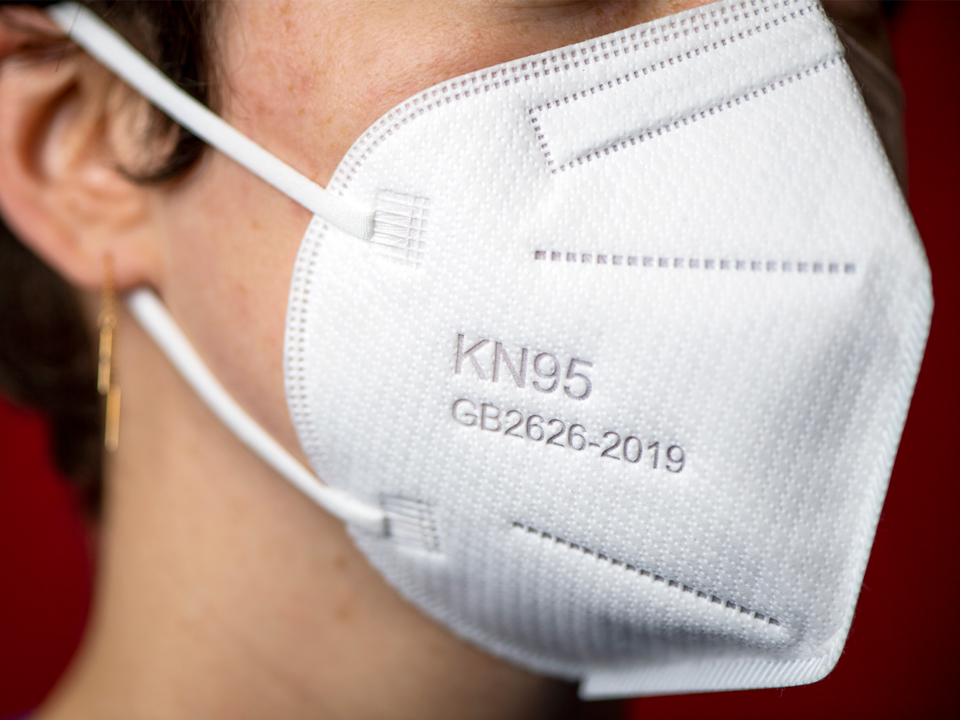
If your employees must wear an N95 to protect against a workplace hazard, OSHA treats that N95 as a tight-fitting respirator, and the employer must fit test every wearer. Under 29 CFR 1910.134, the test comes before first use, again whenever the respirator make, model, style or size changes, and at least once a year after that. A KN95 is a different matter. It is not NIOSH-certified, so it cannot serve as the required respirator in a U.S. program covered by the standard. This guide explains what the rules require as of November 2026, what a pending rulemaking would and would not change, and how fit-testing duties affect purchasing decisions for safety managers, procurement teams and PPE distributors.
The standard covers general industry, shipyards, marine terminals, longshoring and construction. States that run their own OSHA-approved plans can have different requirements, so check your state’s rules as well.
When Is a Fit Test Required?
Four triggers appear in paragraph (f) of the standard:
Before initial use. A worker cannot rely on an N95 in a required-use setting until a test has been passed.
Whenever the facepiece changes. The standard names size, style, model or make. A new supplier’s N95 is a different facepiece even if it carries the same NIOSH rating.
At least annually. The interval is a maximum, not a target. Sites with high turnover or frequent product substitutions will test more often.
After a change in physical condition. Facial scarring, dental changes, cosmetic surgery and an obvious change in body weight are the examples OSHA lists. A worker who later reports that the fit is unacceptable must also get a reasonable chance to choose another facepiece and be retested.
Medical evaluation, discussed below, comes first under the current standard: the employer must provide it before the employee is fit tested or required to use the respirator.
Qualitative or Quantitative: Which Method Fits an N95 Program?
OSHA allows two families of fit test, and the protocols themselves are set out in Appendix A to the standard.
A qualitative fit test (QLFT) is pass/fail and depends on the wearer’s senses. Appendix A’s protocols use isoamyl acetate, saccharin, Bitrex or irritant smoke. The standard limits QLFT to negative-pressure air-purifying respirators that only need to achieve a fit factor of 100 or less, which covers N95-class respirators in typical use.
A quantitative fit test (QNFT) uses instruments to measure leakage and produces a numeric fit factor. For tight-fitting half facepieces, OSHA sets the pass mark at a fit factor of 100.
Factor
Qualitative (QLFT)
Quantitative (QNFT)
Result
Pass/fail based on the wearer detecting a test agent
Numeric fit factor from an instrument
Equipment
Test agent and delivery apparatus
Measurement instrument
Practical use
Common for routine N95 programs
Used where numeric results are wanted
Limitation
Depends on the wearer’s sensory response
Needs instruments and a trained operator
Record to keep
Pass/fail result
Fit factor and recording of the test
Which method is cheaper depends on headcount, test frequency and whether you outsource testing. Neither choice changes the underlying duty.
What Else Must the Respiratory Protection Program Include?
A fit test is one element of a written, worksite-specific program. Required provisions include procedures for selecting respirators, medical evaluations, fit testing, use, maintenance, training, and program evaluation.
Several elements interact directly with fit testing:
Facial hair. The employer may not permit tight-fitting respirators on employees whose facial hair comes between the sealing surface and the face. A clean-shaven policy at the seal line is a program rule, not a courtesy.
Other PPE. If a worker wears glasses, goggles or other PPE, the employer must ensure the equipment does not interfere with the facepiece seal.
User seal check. Employees must perform a seal check every time they put on a tight-fitting respirator. It does not replace the fit test.
Training. Retraining is required annually and when changes in the workplace or the respirator type make earlier training obsolete.
Records. Fit-test records must show the employee, the type of test, the specific make, model, style and size tested, the date, and the result. They are kept until the next fit test.
Workers who choose to wear a filtering facepiece when the employer does not require one fall under a lighter regime. The employer must still determine the voluntary use will not create a hazard and must give the employee the information in Appendix D. Do not treat that as a way to avoid a program where the hazard assessment shows respirators are necessary.
Does a KN95 Satisfy OSHA’s Fit-Testing Duty?
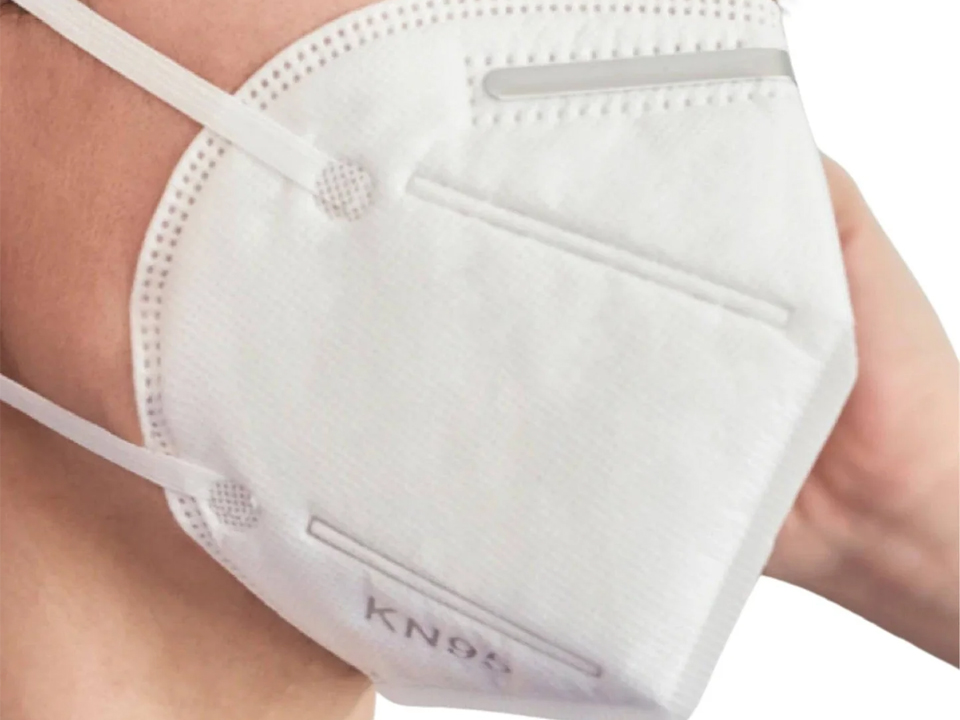
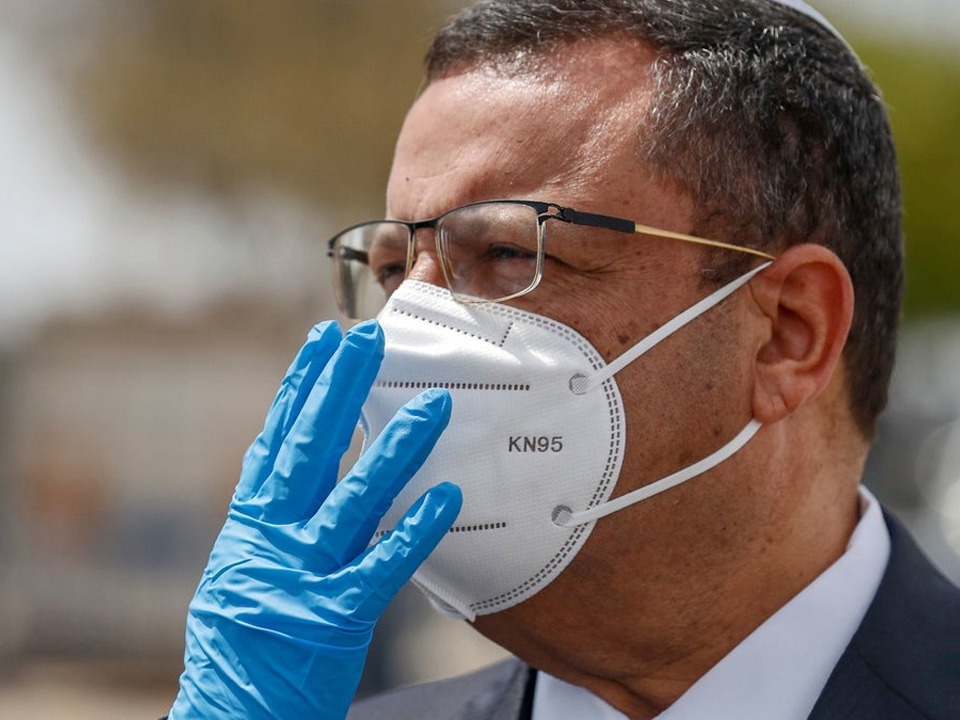
No, not as the required respirator. Section 1910.134(d)(1)(ii) tells the employer to select a NIOSH-certified respirator and to use it within the conditions of its certification. KN95s are certified under a non-U.S. standard and are not NIOSH-approved, so a program that requires respiratory protection cannot meet its selection duty with them. A fit test does not change this, because testing measures how a respirator seals on a face, not whether the product is certified.
Two points are useful for buyers:
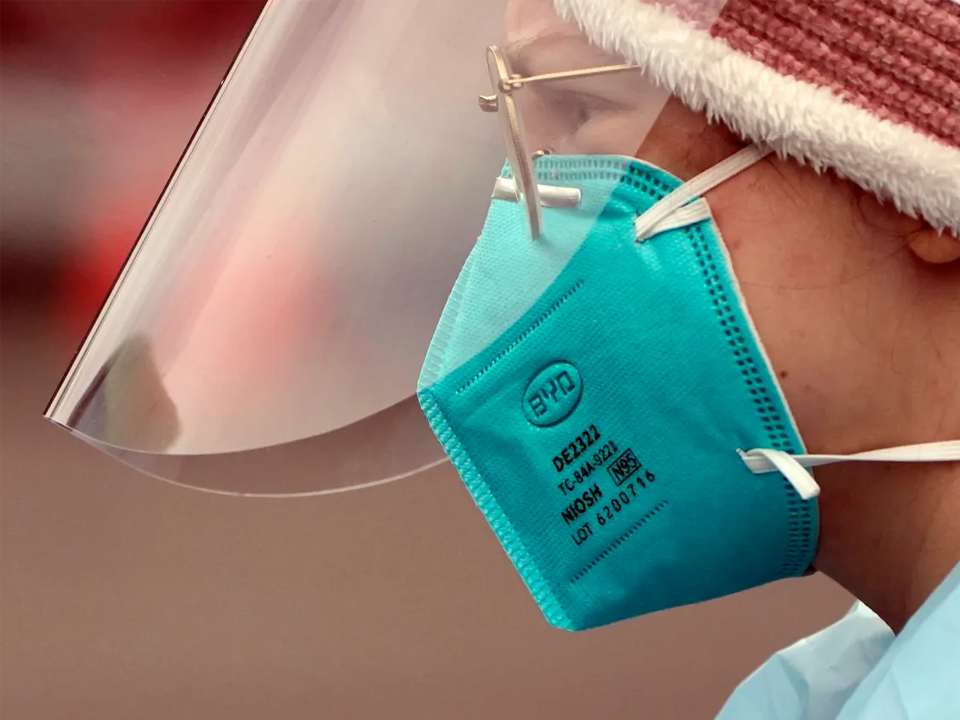
Verify approval at the source. NIOSH tells employers to use its Certified Equipment List to confirm that a product’s model name and approval number match the official listing. NIOSH’s guidance on counterfeit and misrepresented respirators also warns that these products may not provide the claimed level of protection.
KN95s still have uses in non-U.S. markets and in settings where no respirator is required. In those cases the buyer’s compliance responsibility is set by local rules, not by 1910.134. Exporters and distributors selling into the United States should label and describe KN95s accurately, so that no customer assumes they satisfy a U.S. required-use program.
Product type
Certification basis
Meets “NIOSH-certified” selection duty?
Fit-testing consequence
NIOSH-approved N95 filtering facepiece
NIOSH approval; verify on the Certified Equipment List
Yes
Fit test before use, on any facepiece change, and at least annually
KN95 filtering facepiece
Non-U.S. standard, not NIOSH-approved
No
Cannot be the required respirator in a 1910.134 program
Surgical or procedure mask
Medical device clearance, not a tight-fitting respirator
No
Not covered by respirator fit testing
NIOSH-approved elastomeric half mask
NIOSH approval
Yes
Fit test per model and size; many programs choose it for repeat use
What Is Changing Today: The Medical Evaluation Proposal
OSHA’s July 2025 proposed rule would remove the medical evaluation requirement for filtering facepiece respirators and loose-fitting powered air-purifying respirators. It would not touch fit testing: the proposal states that the hazard assessment, respirator selection, fit testing, training and maintenance provisions continue to apply.
The rulemaking is not final. OSHA reopened the comment period until July 6, 2026 after consulting its construction advisory committee. We found no final rule as of early November 2026. Until a final rule publishes with an effective date, keep the current medical evaluation step before the first fit test and check the Federal Register before changing procedures.
Whatever happens, the commercial point stands. Employers who stop doing medical evaluations for N95 users would still have the same fit-test volume, the same record-keeping, and the same exposure to model changes.
Why Fit Testing Makes “Equivalent” N95 Substitution Expensive
The common purchasing assumption is that any NIOSH-approved N95 can replace another at the same filtration rating, so the lowest unit price wins. The fit-test rule qualifies that. Because the facepiece make, model, style and size are tied to each test record, a substitution is a compliance event: every affected employee needs a new test and a new record.
An illustrative scenario: a plant buys one cup-style N95 model in two sizes. The buyer finds a cheaper flat-fold model and swaps it in at the next order. The cost is no longer just the unit price. It includes test labor, production time off the line, the chance some workers fail the new model and need a third option, and the stock of a second model that must be kept for those workers. The savings from the unit price can disappear fast at higher headcounts.
Practical steps for procurement and safety teams:
Standardize on a short approved list. Many programs keep at least two models or sizes so that workers who fail one can be tested on another.
Tie purchasing to the fit-test register. Buyers should know which exact models and sizes are on file before approving a replacement.
Ask suppliers for the NIOSH approval number, the model designation and any available size or lot information, then match them to the official listing.
Plan retests around known changes: product substitutions, supplier changes, and workers who report weight changes or dental work.
Expect some workers to fail a given model. A facepiece that suits one face shape may not suit another, and facial hair or eyewear can also break the seal. Fit testing is how a program finds those cases, and a second model in stock is how it handles them.
How Respirators Fit Into the Wider PPE Ensemble
Fit tests apply only to tight-fitting respirators. Garments are not part of the test, but they affect how the respirator is worn, and 1910.134(g)(1)(ii) places the burden on the employer to make sure other PPE does not interfere with the seal. Any hood, strap or head covering that changes where the respirator sits needs to be tested together as an ensemble.
That is where garment choices come into the program:
Hooded one-piece garments. Hood design and the order in which the hood and respirator straps go on can affect seal and comfort. Our disposable hooded coveralls are listed as one-piece with a front zipper and a choice between a collar and a hood. Treat that as a configuration to test with your actual respirator, because the product page makes no claim about respirator compatibility.
Two-piece hooded suits. A separate top and trousers can change how the hood is put on and removed. The disposable PP hooded jacket and pants suit is listed with an elastic hood and cuffs in 40–65 gsm PP nonwoven, so sample it with the respirator before writing a donning sequence.
Healthcare and laboratory workwear. Clinical facilities typically define an order for putting on gowns, scrubs and respirators. The listing for a CPE isolation gown with an open-back design describes long sleeves and a tie-waist closure, and the PP and SMS scrub suit set is a two-piece blouse-and-pants format. Neither is a substitute for a respirator, and neither is tested as part of one.
A disposable beard cover is a hygiene product, not a fit solution. If facial hair crosses the sealing surface, 1910.134(g)(1)(i) prohibits the tight-fitting respirator regardless of what covers it.
What Should Buyers Specify Before Requesting a Quote?
Employers and distributors usually buy respirators and body-coverage PPE through different supply channels, but the RFQ discipline is the same: define the use case before the price.
For N95 supply:
The NIOSH approval number and model designation you intend to stock, so you can check them against the Certified Equipment List.
The sizes and styles you need to support fit testing across face shapes.
Packaging and lot information that lets your team match products on the shelf to the fit-test register.
Annual volume, including retest and new-hire demand.
For disposable garments that will be worn with a respirator:
Garment structure: one-piece or two-piece, collar or hood, elastic at hood, cuff and ankle, optional boots.
The target market and documentation your customers require. Do not assume a garment supplier can supply respirator documentation; ask for it separately.
Request samples and run a donning-and-doffing trial with the respirator your program uses, then write the resulting sequence into the site procedure.
Frequently Asked Questions
How often does OSHA require an N95 fit test?
Before the worker first uses the respirator, whenever a different facepiece (size, style, model or make) is used, and at least annually. An additional test is also required after physical changes, such as facial scarring, dental changes or obvious weight change, that could affect fit.
Can a KN95 pass an OSHA fit test?
A KN95 can be physically fit tested like any tight-fitting respirator, but it is not NIOSH-certified. Section 1910.134 requires employers to select NIOSH-certified respirators, so a KN95 cannot be the required respirator in a covered workplace, whatever the test result.
Do employees who wear an N95 voluntarily need fit testing?
Generally no. When respirator use is voluntary, the employer must give the employee the Appendix D information and make sure the respirator does not itself create a hazard. If the hazard assessment shows respirators are necessary, use is required and the full program applies.
What records must an employer keep for N95 fit tests?
Records must identify the employee, the type of test, the specific make, model, style and size tested, the date, and the pass/fail result or fit factor. OSHA requires keeping them until the next fit test is given, and a written copy of the current program must also be kept.
Is OSHA eliminating medical evaluations for N95 users?
Not yet. OSHA has proposed removing the medical evaluation requirement for filtering facepiece respirators and loose-fitting PAPRs, but the proposal is not final as far as we found. It leaves fit testing in place.
Does changing N95 suppliers require new fit tests?
Yes, if the new product is a different make, model, style or size. The standard ties fit testing to the facepiece, so a substitute N95 means retesting each affected employee, even if the filtration class is identical.
Can facial hair or a beard cover be used with a fit-tested N95?
No. A tight-fitting respirator cannot be worn by someone whose facial hair comes between the sealing surface and the face. A cover over the beard does not change that, and a test run over a compromised sealing surface would not demonstrate a good fit.