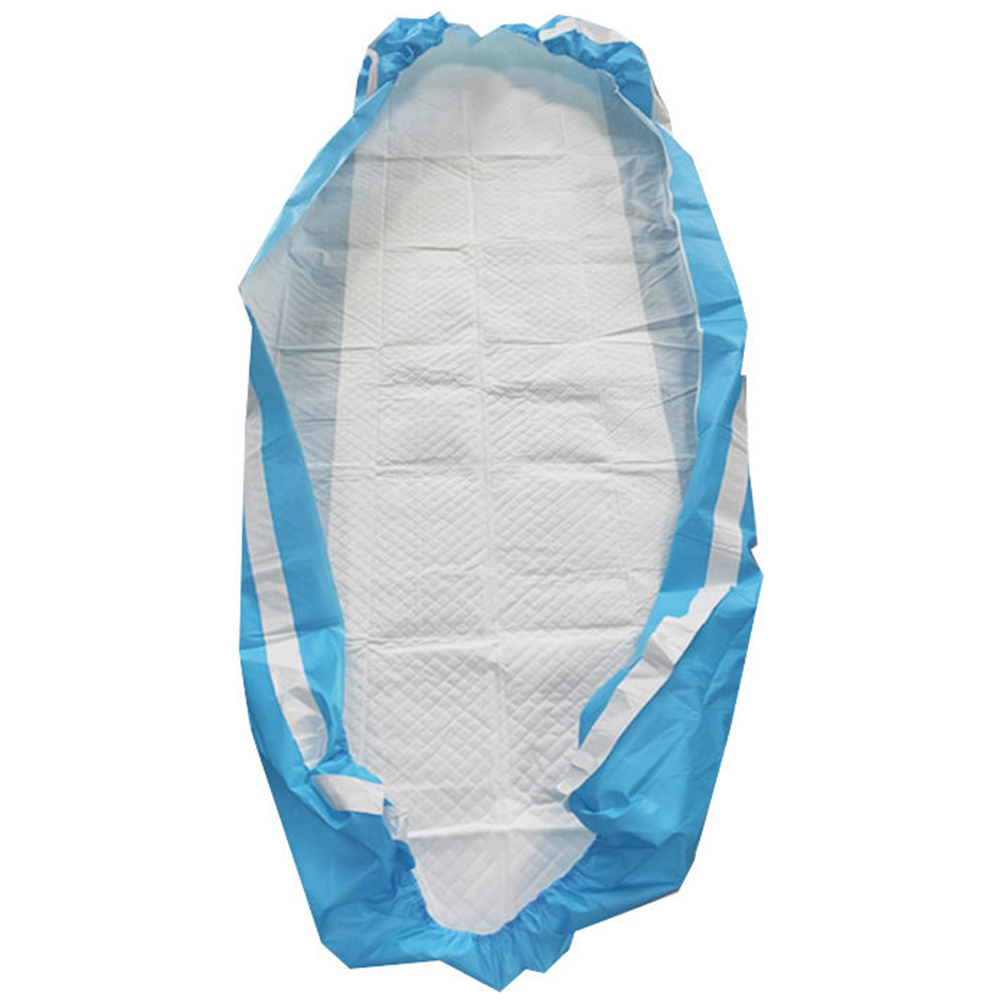
Healthcare Items: Medical Supplies for Home Health Care

Healthcare items are products used to support everyday health, personal care, minor injury needs, care at home, and patient support. They range from nonprescription medicines and wound care products to hygiene supplies, personal protective equipment, mobility aids, incontinence products, and home medical supplies and equipment. This page helps shoppers understand the main categories, compare practical options, and review important product details before making a purchase.

What Are Health Care Items?

The category includes consumer health products and medical products used to maintain health, manage routine care needs, support recovery, or assist with care at home. Common examples include bandages, thermometers, hygiene products, monitoring devices, and selected home-use devices. Some devices are intended for use outside professional facilities, while others require professional guidance. Always follow labeling, instructions for use, and provider recommendations when they apply.

Healthcare Items
Healthcare Items

What Products Are Considered Medical Supplies?

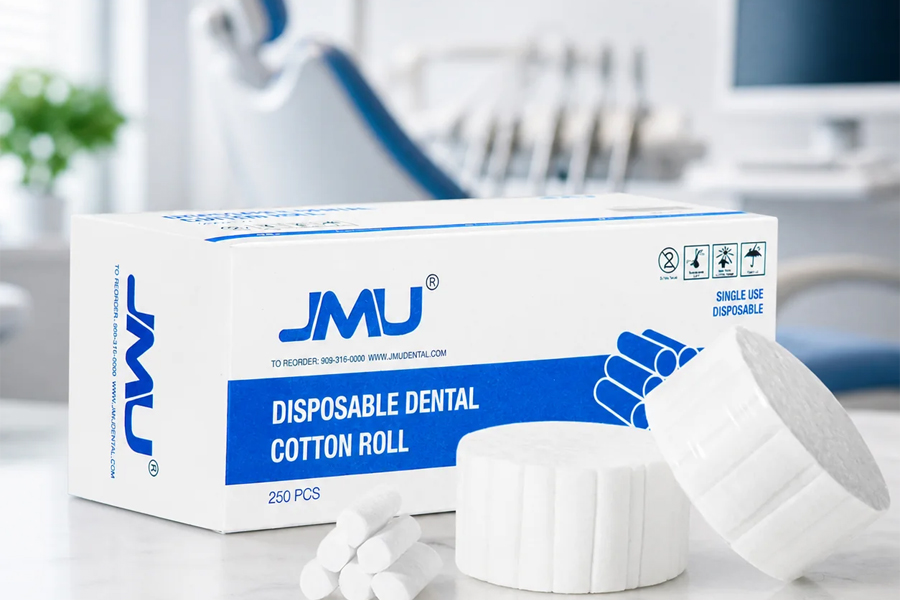
Medical supplies are usually consumable or regularly replaced items used for health, first aid, hygiene, monitoring, or patient care. Examples include gauze, dressings, exam gloves, test kits, catheters, pouches, liners, and some diabetic supplies. Lab supplies and surgical supplies may also fall within the broader supply category, though many are intended for professional settings. Choose products based on intended use rather than assuming every supply is suitable for home use.

First-Aid and Wound Care Essentials

A practical first aid kit may include bandages, gauze, tape, gloves, cleansing supplies, and other items appropriate for minor injuries. Wound care supplies can include dressings, pads, and products intended to help protect minor injuries while they heal. More serious, deep, infected, or slow-healing injuries may need medical evaluation. Follow package directions and choose the size, material, and replacement schedule appropriate to the situation.

Personal Care & Infection Control

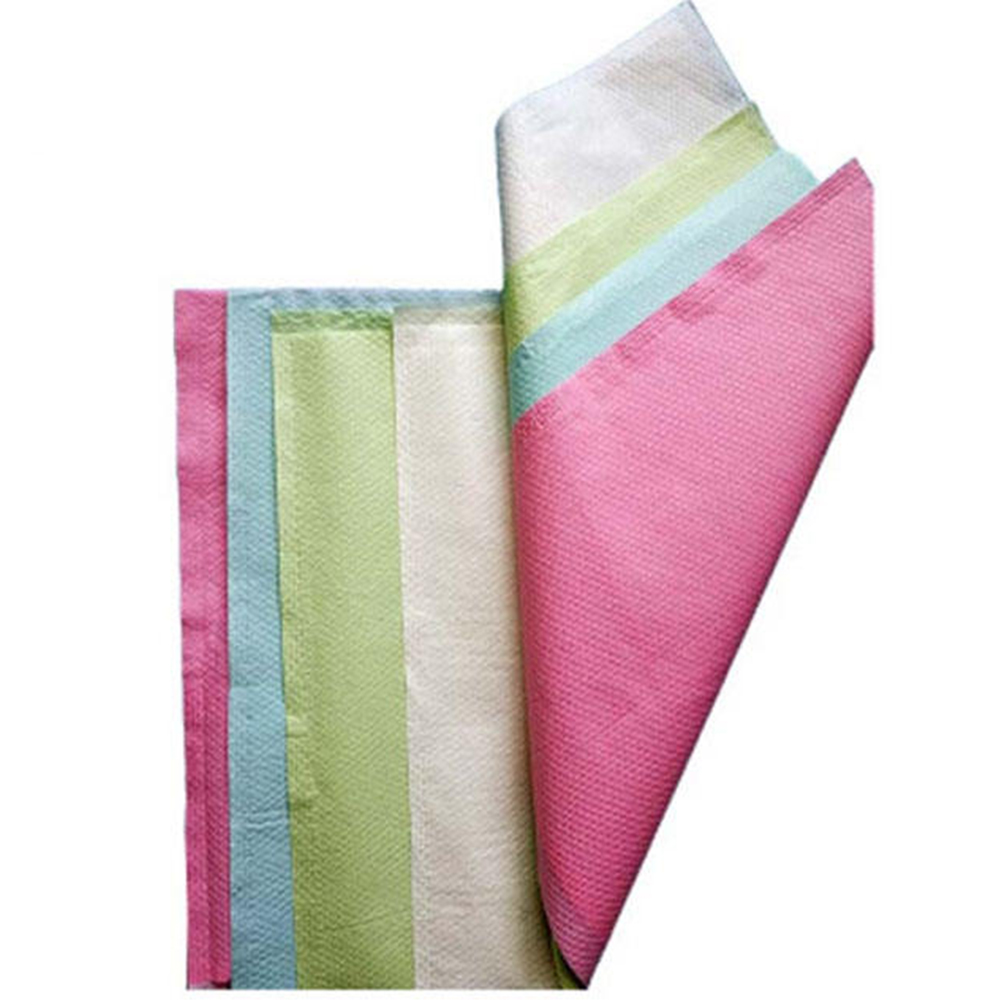
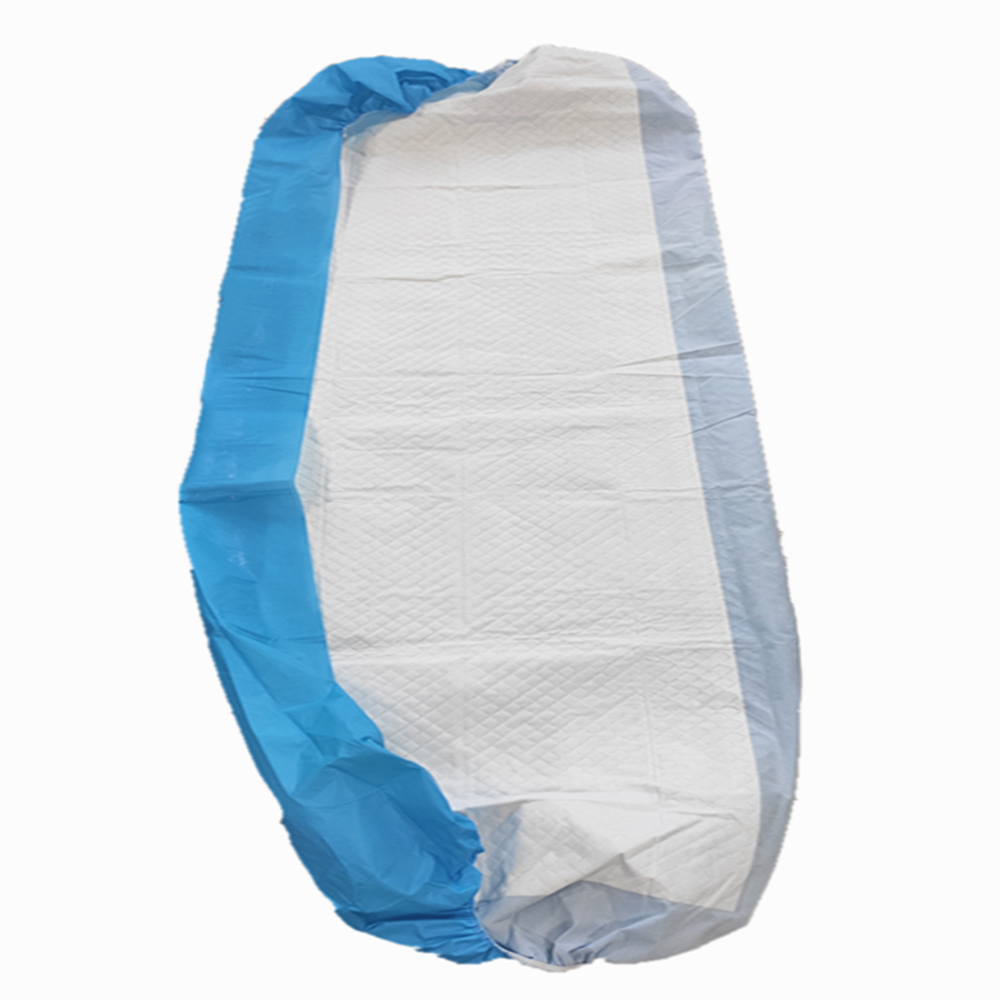
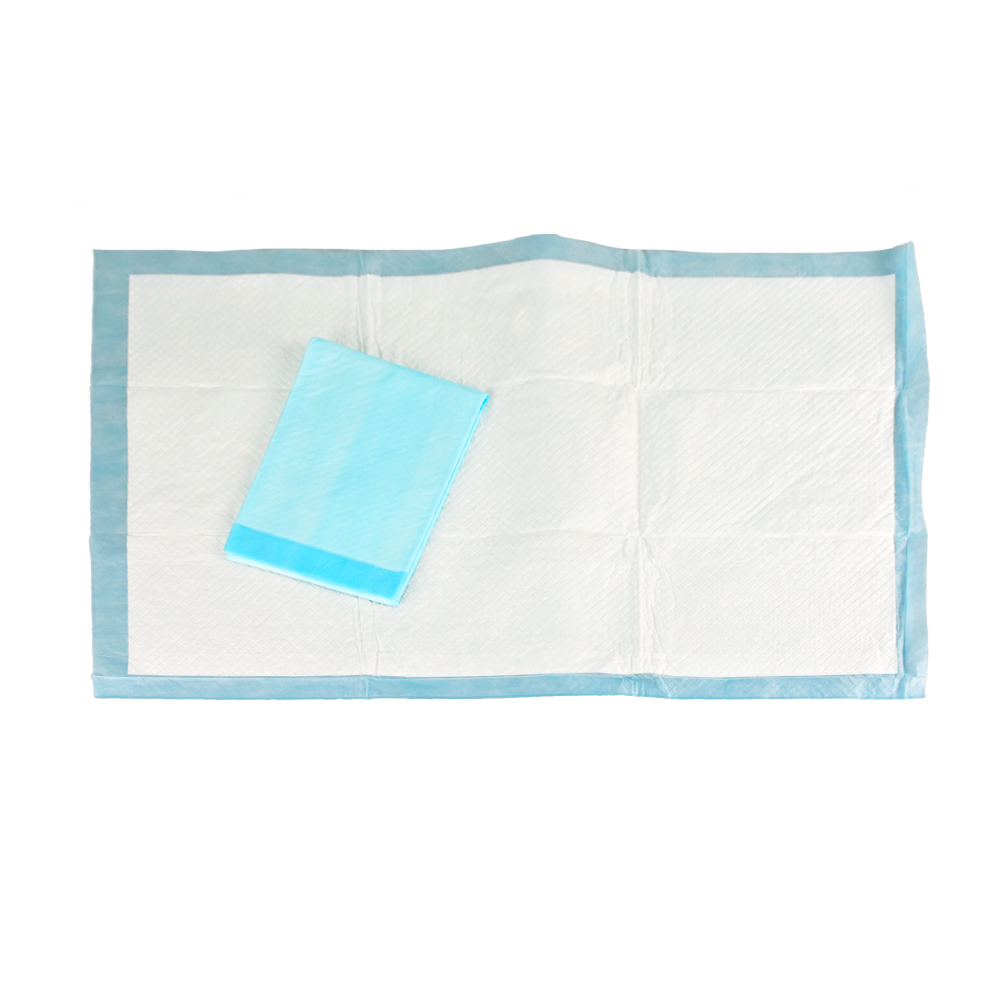
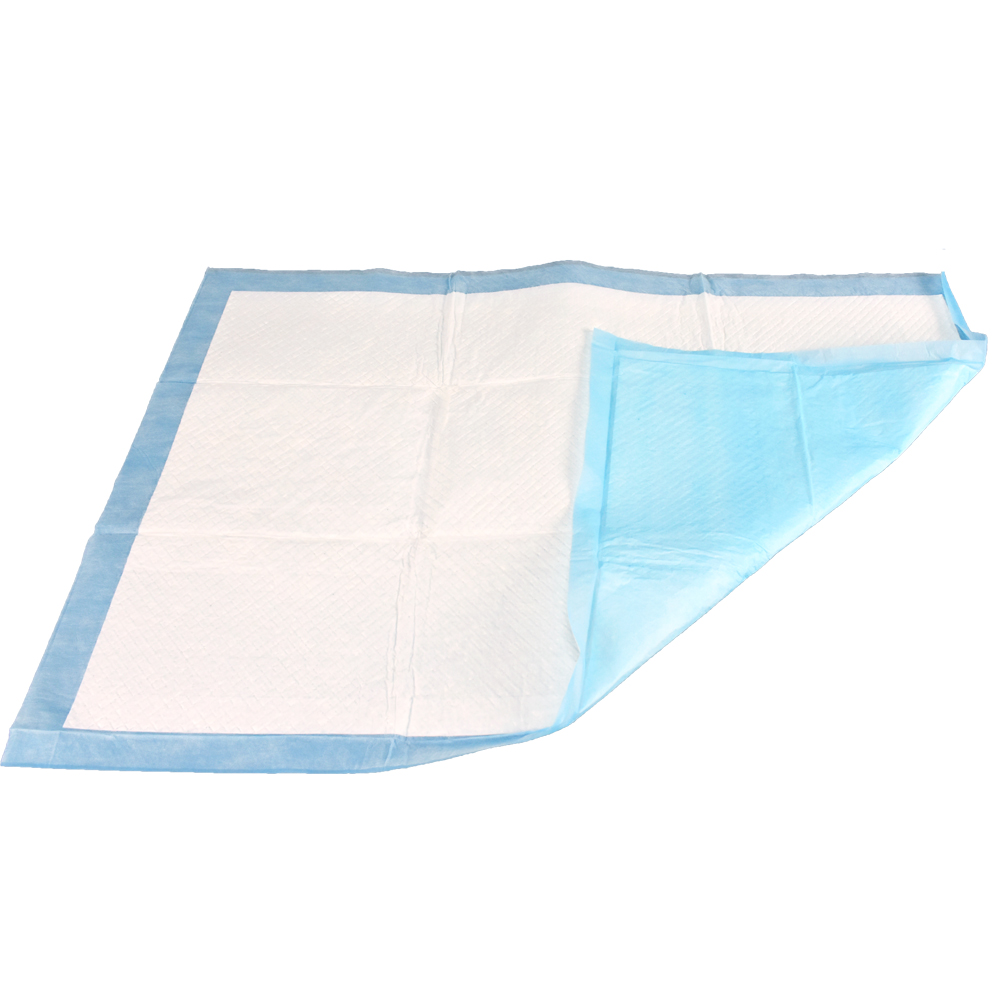
Personal-care categories can include incontinence supplies, cleansing wipes, disposable underwear or diaper options, bladder or bowel support items, and supplies used to bathe or protect skin. Protective items may include a glove, masks, and other barriers when appropriate for the task. CDC guidance advises using protective gear when exposure to infectious material is expected in care settings. Select each item for its intended use, fit, and material rather than assuming one option works for every situation.

What Medical Equipment Supports Daily Living?

Equipment is generally reusable, while medical supplies are often consumed or replaced more frequently. Durable medical equipment can include a wheelchair, walker, cane, hospital bed, or other reusable equipment used at home; CMS describes DME as reusable equipment that serves a medical purpose and is appropriate for home use. Daily living aids may support dressing, bathing, reaching, or safer movement. Check dimensions, weight limits, adjustability, portability, compatibility, assembly, and maintenance requirements.


Healthcare Items
Healthcare Items

Which Products Support Specific Patient-Care Needs?

Different care needs call for different product categories. Enteral feeding tubes, catheter supplies, ostomy products, respiratory items, mobility aids, and incontinence supplies may support people with specific clinical or daily-care requirements. Products for chronic conditions can require precise sizing, compatibility, or instructions. A caregiver should confirm the correct product type and specifications, especially when a device or supply is prescribed or forms part of an established care plan.

How Should You Buy Medical Supplies Online?

When ordering online, focus on product identity, intended use, specifications, sizing, seller reliability, return terms, and customer support. FDA guidance for home-use devices recommends buying from a reliable source and checking return and support policies before ordering. Compare brand details when they help verify fit, compatibility, or replacement parts. If you plan to use FSA funds, confirm eligibility with your plan before purchasing rather than assuming every health item qualifies.

What Should You Check Before Choosing Health Products?

Start with the person’s care need, then confirm intended use, size, materials, compatibility, and instructions. Check whether the item is OTC or prescription, reusable or disposable, and whether replacement supplies will be easy to obtain. For fall prevention, waterproof protection, pain relief, wellness products, or other specialized categories, avoid relying on marketing language alone. Review product labeling and seek guidance from a qualified health professional when the choice affects treatment or ongoing medical care.