
Disposable Isolation Gowns for Protective PPE Applications
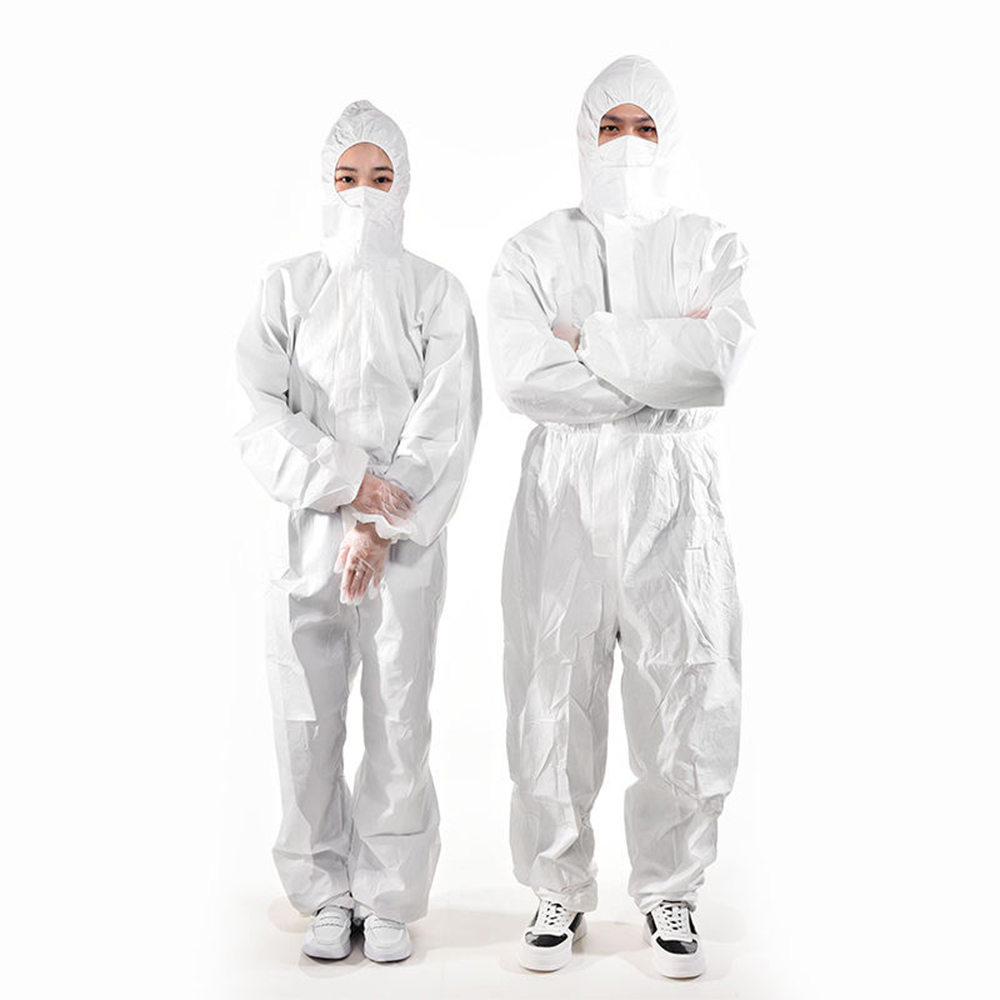
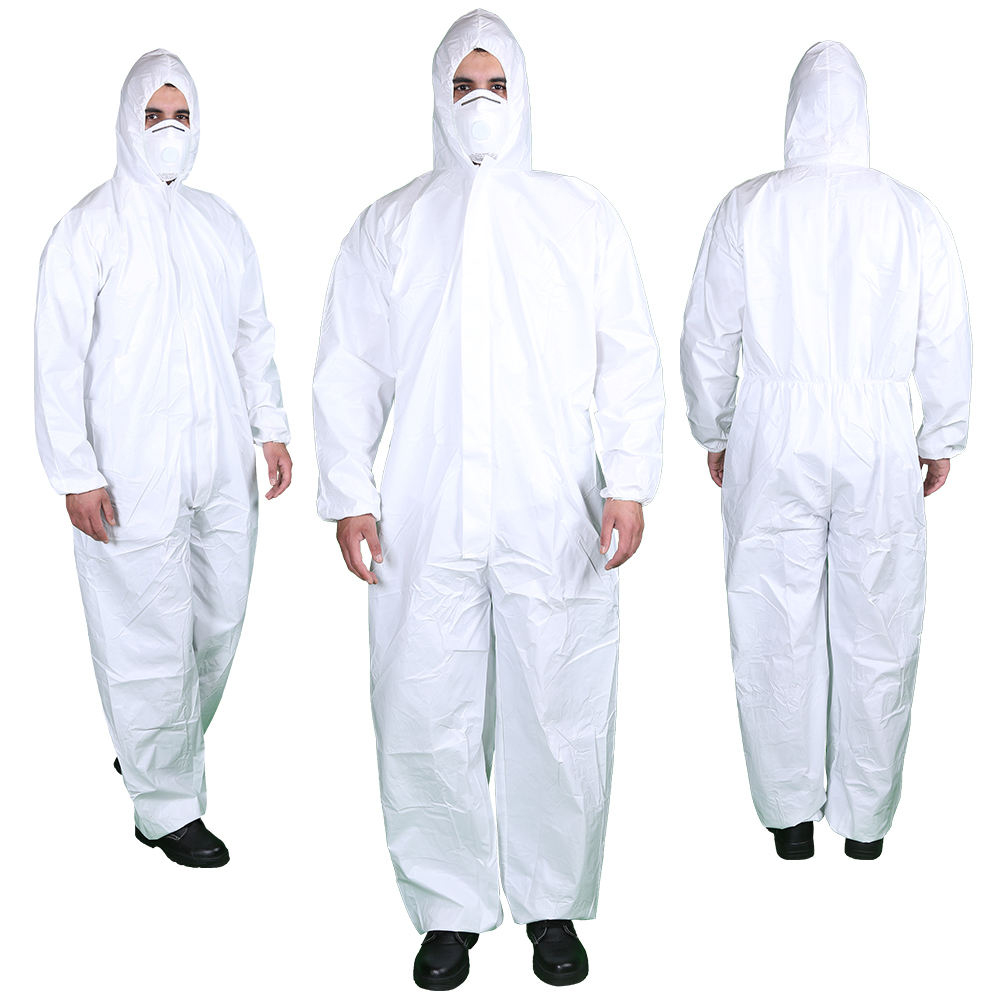
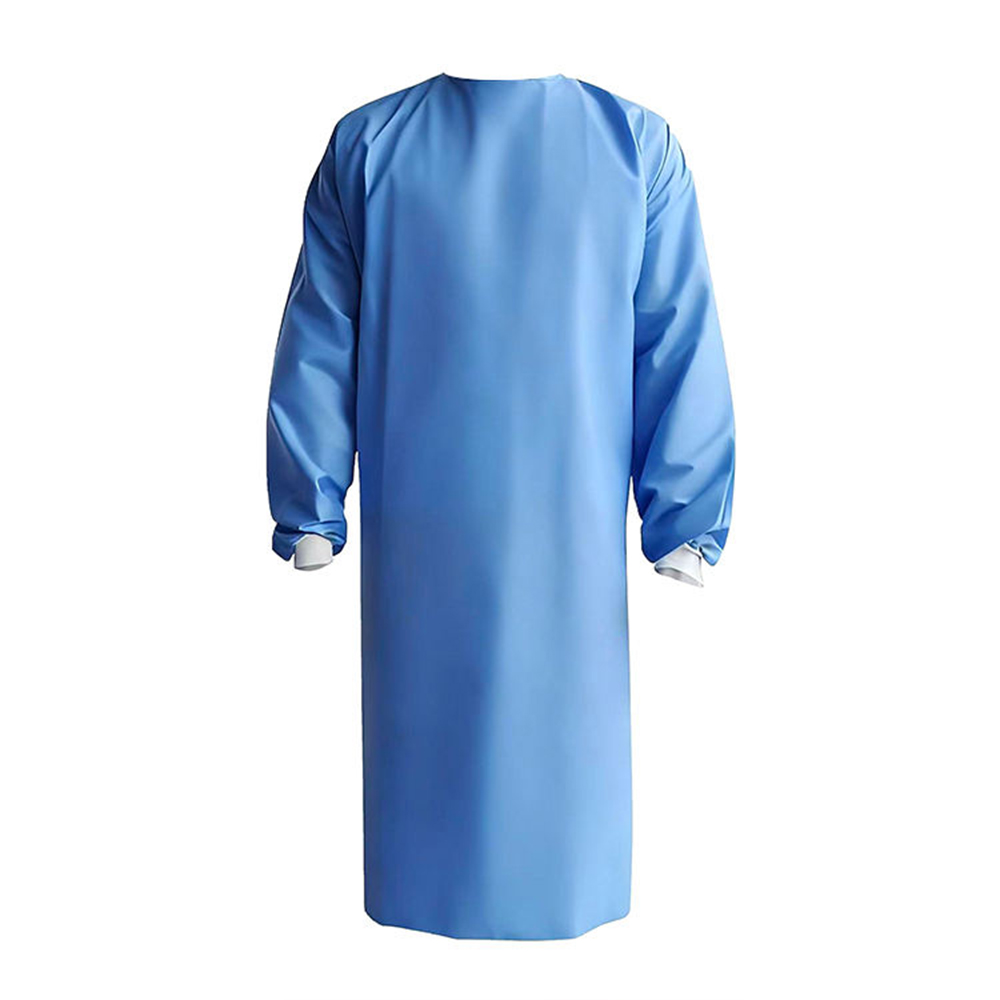
A disposable isolation gown is single-use protective apparel designed to help reduce contact between clothing or exposed skin and fluids, contaminants, microorganisms, or other workplace hazards, depending on intended use and tested barrier performance. Buyers should evaluate barrier protection, material, comfort, coverage, cuff and closure design, size, and application before purchasing. We can provide specifications for comparison before bulk ordering.
What Is a Disposable Isolation Gown?
Disposable isolation gowns are PPE used to help provide barrier protection when clothing or exposed skin may encounter fluids or contaminants. In healthcare settings, selection should reflect the expected type and degree of exposure.
An isolation gown is not automatically a surgical gown or surgical isolation gown. Product labeling, intended use, critical-zone requirements, and verified performance data should be reviewed before selection for medical use. FDA guidance distinguishes non-surgical isolation gowns, surgical isolation gowns, and surgical gowns.

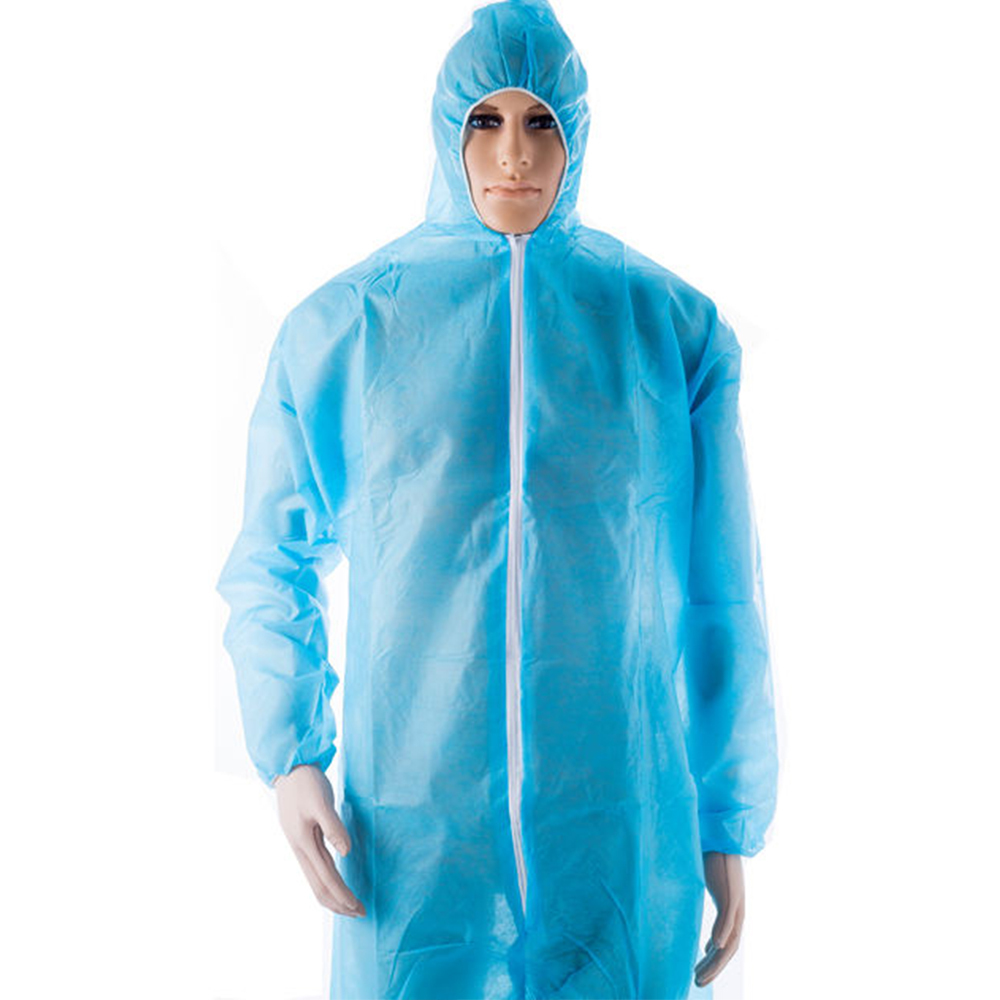
What Do AAMI Protection Levels Mean for Isolation Gowns?
ANSI/AAMI PB70 classifies protective apparel used in healthcare facilities by liquid barrier performance. The four commonly referenced protection levels are:
- Level 1: minimal barrier protection; associated with minimal-risk situations.
- Level 2: low barrier protection; examples may include blood draws, suturing, ICU use, or a pathology lab.
- Level 3: moderate barrier protection; examples may include arterial blood draws, IV insertion, emergency rooms, or trauma care.
- Level 4: the highest barrier level under the applicable test requirements for high-risk exposure conditions.
An AAMI Level 2 or AAMI Level 3 description should only be used when the specific gown has verified test data supporting that rating. Ask for technical documentation when fluid resistance or AAMI isolation gowns requirements are part of your purchasing specification.

Which Disposable Isolation Gown Materials Are Available?
Common disposable gowns use non-woven materials such as spunbonded polypropylene, SMS or SMMS constructions, polyethylene, PE-coated material, or polypropylene/polyethylene combinations. SMS combines spunbond and meltblown layers, while coatings or film layers may be used where greater fluid resistance is required.
Material weight, often expressed as GSM, can affect feel, durability, breathability, and construction, but GSM alone does not establish a barrier rating. Buyers comparing breathable PPE gowns with more fluid-resistant options should request material composition and verified performance information.
How Do You Choose the Right Isolation Gown?
Start with the intended application and anticipated exposure. Then compare required barrier performance, material, coverage, closure, cuff style, size, packaging, and quantity.
Healthcare facilities should confirm whether the task calls for a non-surgical isolation gown, surgical isolation gown, or another type of medical apparel. For laboratory, industrial, beauty, or food service use, evaluate relevant workplace hazards and internal safety requirements. If a Level 2 gown or another tested rating is required, request supporting specifications.
Which Cuff, Closure, Size, and Coverage Options Matter?
Gown features affect fit, ease of use, and coverage. Configurations may include:
- Elastic cuffs, knit cuffs, or thumb loops
- Neck ties, waist ties, or a double tie closure
- Open-back or full back coverage
- Universal, large, or X-large sizing
- Different material weights and sleeve constructions
Appropriate sizing should provide the required body coverage without unnecessarily restricting movement. Healthcare PPE guidance emphasizes coverage of the torso and arms and secure fastening at the neck and waist.
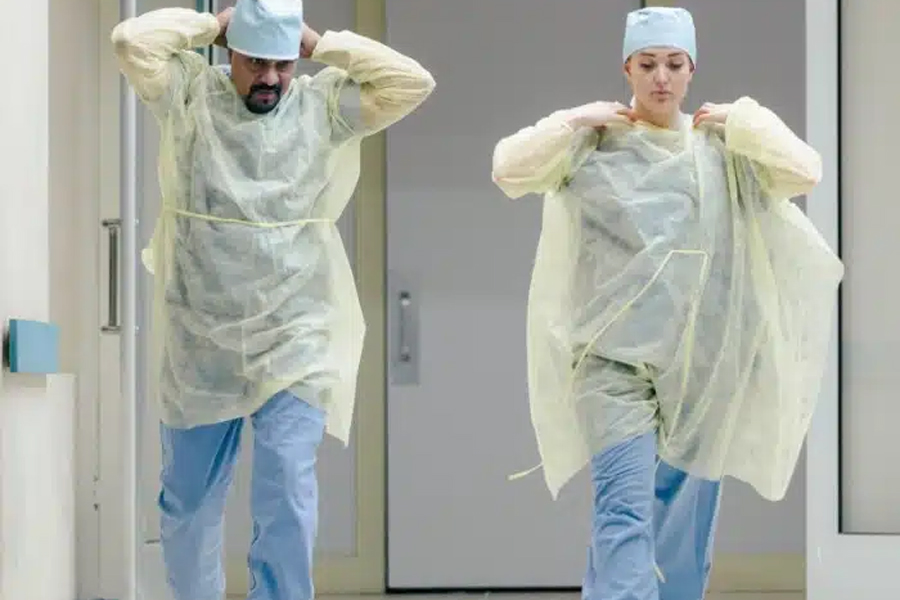
Where Are Disposable Isolation Gowns Commonly Used?
Disposable isolation gowns can support PPE programs across healthcare environments, laboratories, clinics, industrial operations, beauty agencies, food service facilities, and other controlled work areas. Purchasing categories may include hospital isolation gowns, lab-use apparel, medical gowns, disposable medical gowns, and general disposable PPE.
The appropriate gown depends on the task. A pathology lab, patient-care area, manufacturing space, or food-handling environment may have different needs for protection against fluids, breathability, coverage, and change frequency.
Disposable vs. Reusable Isolation Gowns: What Is the Difference?
A disposable isolation gown is intended for single use and can eliminate laundering between uses. Reusable gowns are designed for repeated use after appropriate laundering and processing, often using woven polyester or polyester-blend fabrics. CDC notes that reusable gowns are commonly made from polyester or polyester-cotton materials.
Procurement teams should compare barrier performance, comfort, laundering capacity, waste handling, usage volume, lifecycle cost, and facility procedures before choosing disposable or reusable gowns.

Frequently Asked Questions for Disposable Isolation Gowns
What AAMI level isolation gown do I need?
Choose according to anticipated exposure and the task. Level 1 represents minimal barrier protection, Level 2 low, Level 3 moderate, and Level 4 the highest barrier level under applicable test requirements. Confirm verified data for any claimed AAMI level.
What is the difference between SMS and polypropylene gowns?
Polypropylene is a polymer commonly used in non-woven gown materials. SMS is a layered spunbond–meltblown–spunbond construction, often using polypropylene. Barrier performance depends on the complete material and gown construction, so compare verified specifications rather than assuming performance from the material name.
Are disposable isolation gowns available with elastic or knit cuffs?
Yes. Depending on product configuration, disposable gowns may use elastic cuffs, knit cuffs, or thumb-loop designs. The preferred option depends on fit, glove interface, comfort, workflow, and the protection requirements of the task.
Can disposable isolation gowns be ordered in bulk?
Bulk purchasing is common for healthcare facilities, laboratories, distributors, and other professional users. Request current packaging, quantity options, specifications, material choices, cuff and closure configurations, available sizes, and lead-time information before ordering.