Disposable Non Woven Bags for Retail, Grocery & Promotions
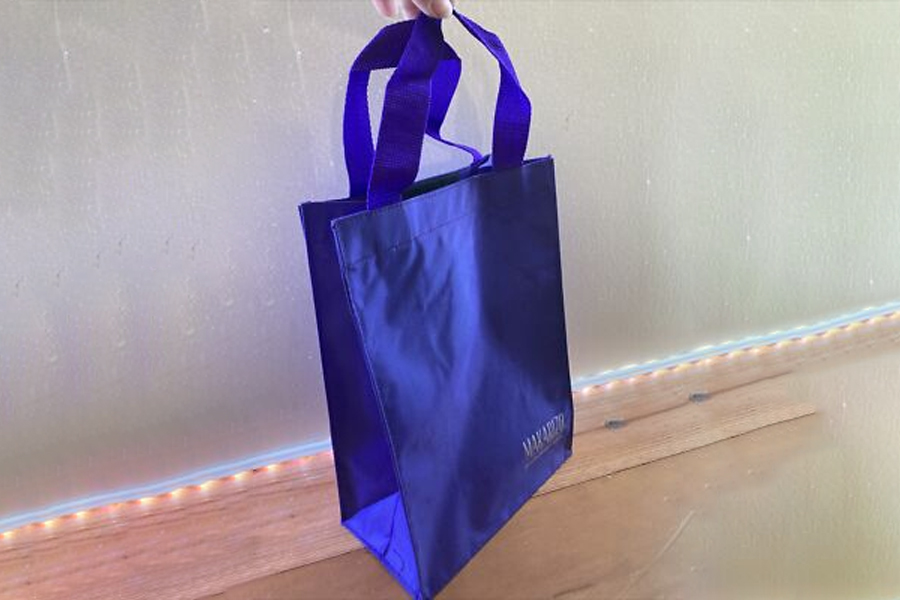
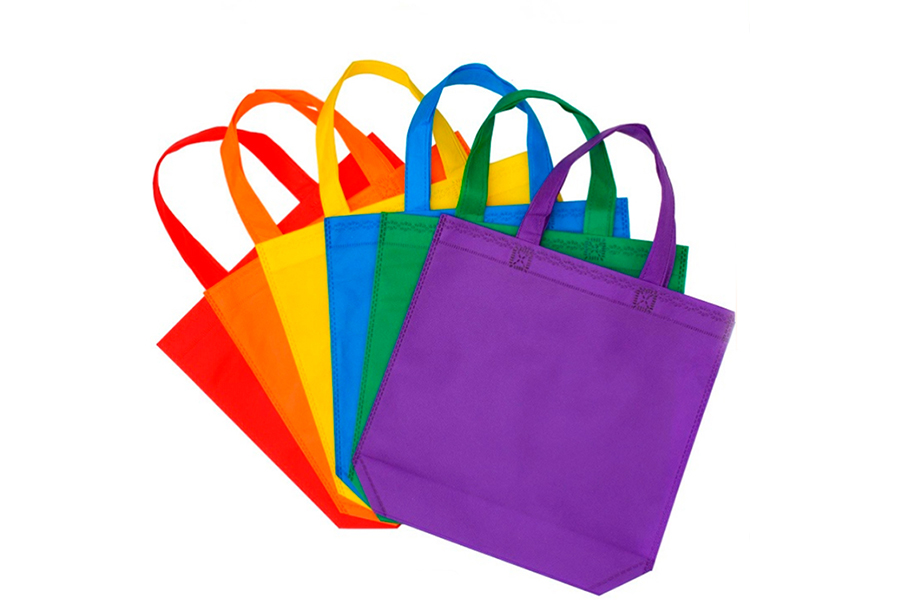
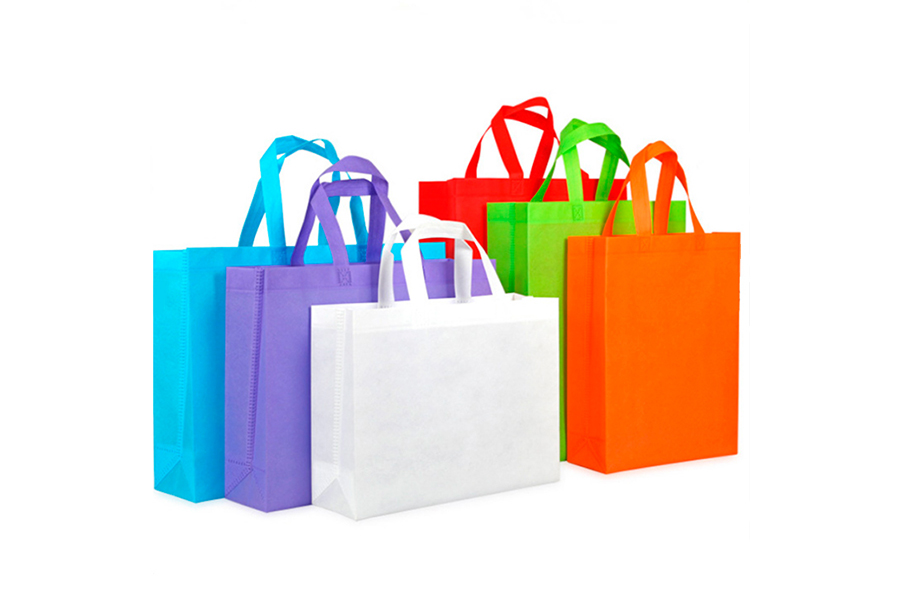
Disposable non-woven bags are single-use or limited-use bags made from non-woven fabric, commonly polypropylene (PP). Instead of weaving yarns together, manufacturers form fibers or filaments into a web and bond them mechanically, thermally, or chemically. Businesses use these lightweight bags for retail packaging, grocery items, takeaways, events, gifts, giveaways, and bags for promotions where practical handling, customization, and bulk purchasing matter.
What Are Disposable Non-Woven Bags and How Is Non-Woven Fabric Made?
A non-woven bag uses an engineered sheet of fibers that are bonded together rather than woven or knitted into traditional textile fabric. The resulting material can be converted into bags with different weights, shapes, handles, and finishes.
For many bag applications, the material is produced from polypropylene plastic fibers. In spunlaid production, filaments can be formed from molten polymer and arranged into a web before bonding gives the sheet structural integrity.
This construction makes non-woven material suitable for simple disposable packaging as well as stronger non-woven reusable designs, depending on the GSM, seams, handle construction, and intended load.
Where Are Non-Woven Tote Bags Commonly Used?
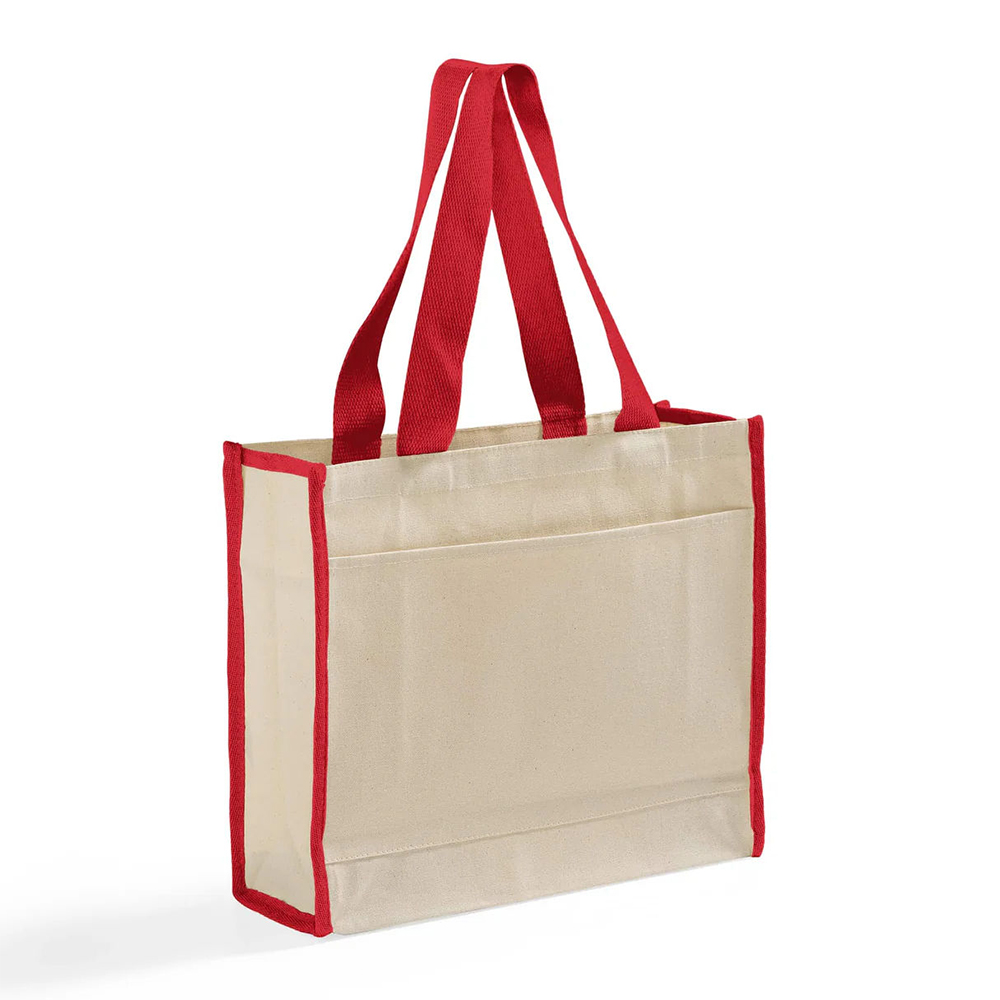
Non-woven tote bags are used wherever businesses need lightweight carrying bags that can also provide space for branding, product presentation, or event messaging.
Common applications include:
Retail and shopping bags for clothing, cosmetics, accessories, and general merchandise
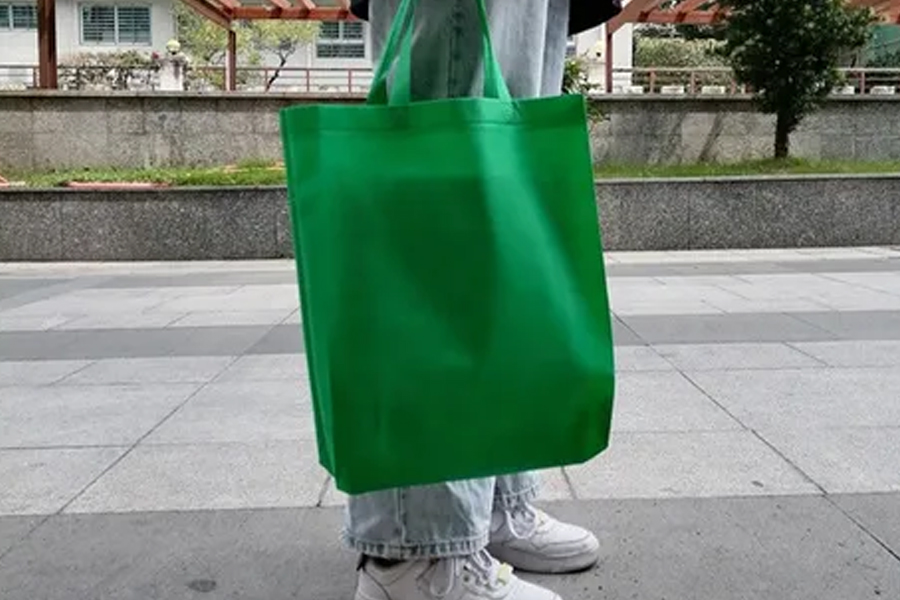
Non-woven grocery bags and grocery tote formats for food and household purchases
Takeaway packaging for suitable boxed or packaged items
Non-woven gift bags, gift tote designs, party gift bags, and party favors
Trade show, conference, giveaway, and promotional tote programs
Wedding party and event packaging
Selected medical-related applications where the bag specification is appropriate for the intended non-clinical or packaging use
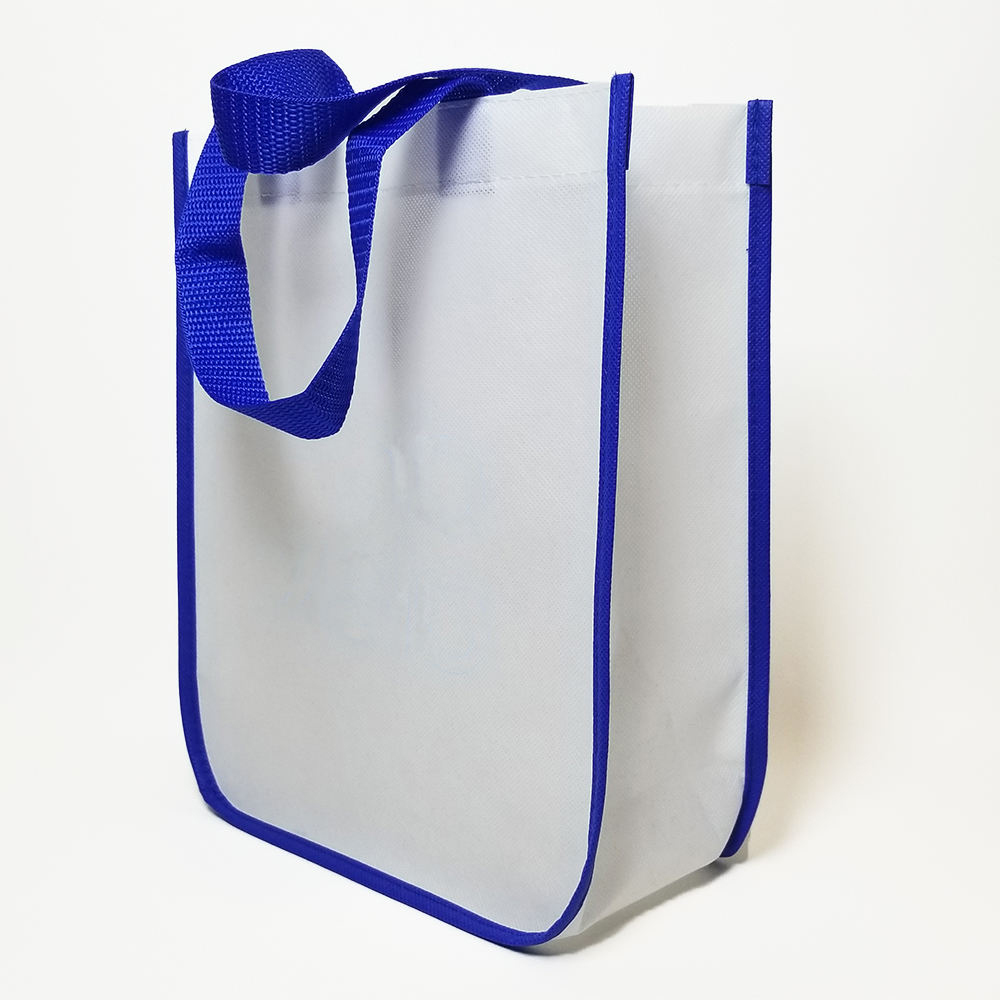
Large tote bags, medium size designs, jumbo formats, and compact shopper tote styles can all be specified around the product being carried.
Why Are Polypropylene Non-Woven Bags Used for Lightweight Packaging?
Polypropylene non-woven bags are commonly selected because PP can be converted into lightweight fabric that is practical for high-volume packaging and straightforward to cut, bond, print, and manufacture into different bag formats.
For buyers sourcing affordable non-woven bags, the material provides flexibility without requiring the heavier textile construction associated with many cotton or canvas products. Typical formats range from a simple non woven shopping bag to polypropylene tote bags for retail merchandise, events, and takeaway packaging.
The right specification depends on use. A bag intended for lightweight promotional literature may need a different construction from one designed to carry several grocery items.
How Do GSM, Size, Handles, Laminate, and Construction Affect Durability?
GSM describes fabric mass per unit area and is one useful specification when comparing non-woven materials. Higher GSM generally means more material per square meter, but durability also depends on the full bag construction.
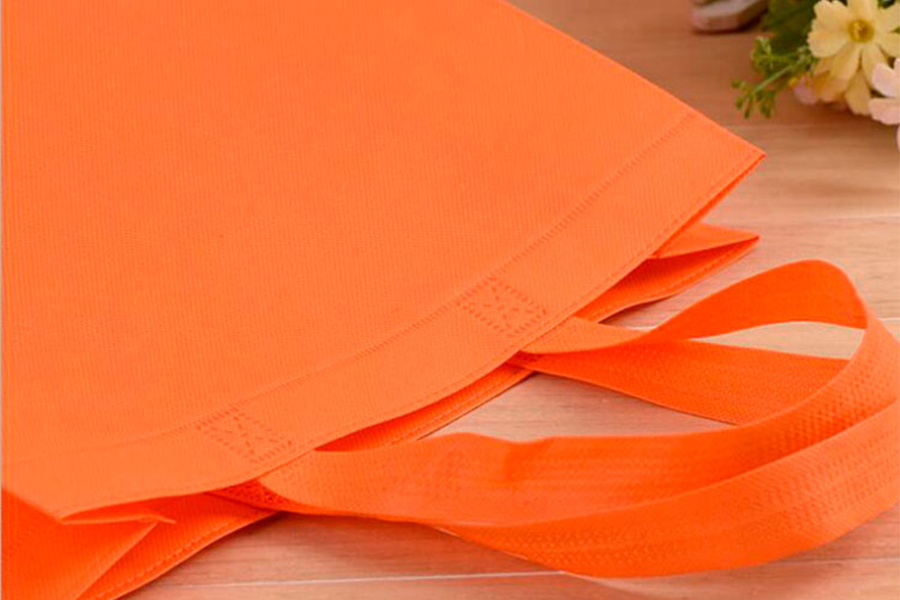
Buyers should review handle length and width, bottom or side gussets, seam or bonding method, and areas that reinforce handles or load-bearing points. Bag dimensions should suit the contents rather than simply choosing extra large dimensions by default.
A laminate can change the surface appearance and printing options, while zippered closures provide added containment for suitable applications. Always match construction to the expected contents, carrying conditions, and number of intended uses.
Can Non-Woven Bags Be Reused?
Yes, some non-woven bags can be reused, but reuse depends on fabric weight, construction, condition, load, and how the bag was originally designed. A product sold as disposable should not automatically be treated as a long-life reusable bag.
Reusable bags usually need suitable handles, seams, and fabric strength for repeated carrying. Some PP bags may be easy to clean at the surface, but care requirements depend on printing and construction.
For eco-conscious positioning, describe the product accurately. Encouraging appropriate reuse may reduce demand for additional bags in some situations, but claims about a positive impact on the environment should be supported by evidence rather than assumed.
What Should Buyers Consider When Ordering Tote Bags in Bulk?
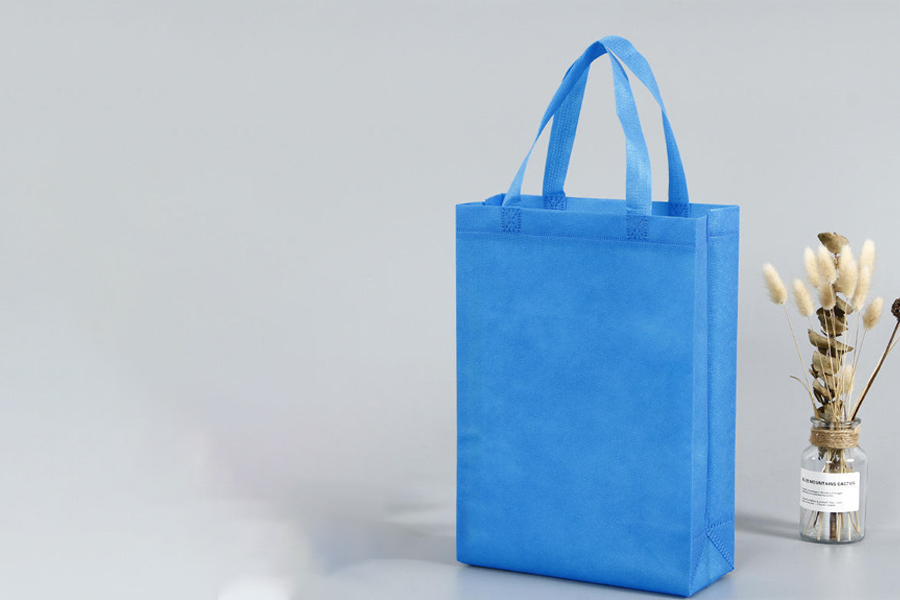
Before purchasing tote bags in bulk, define the actual application first. This helps suppliers recommend a suitable material and construction instead of quoting a generic bag.
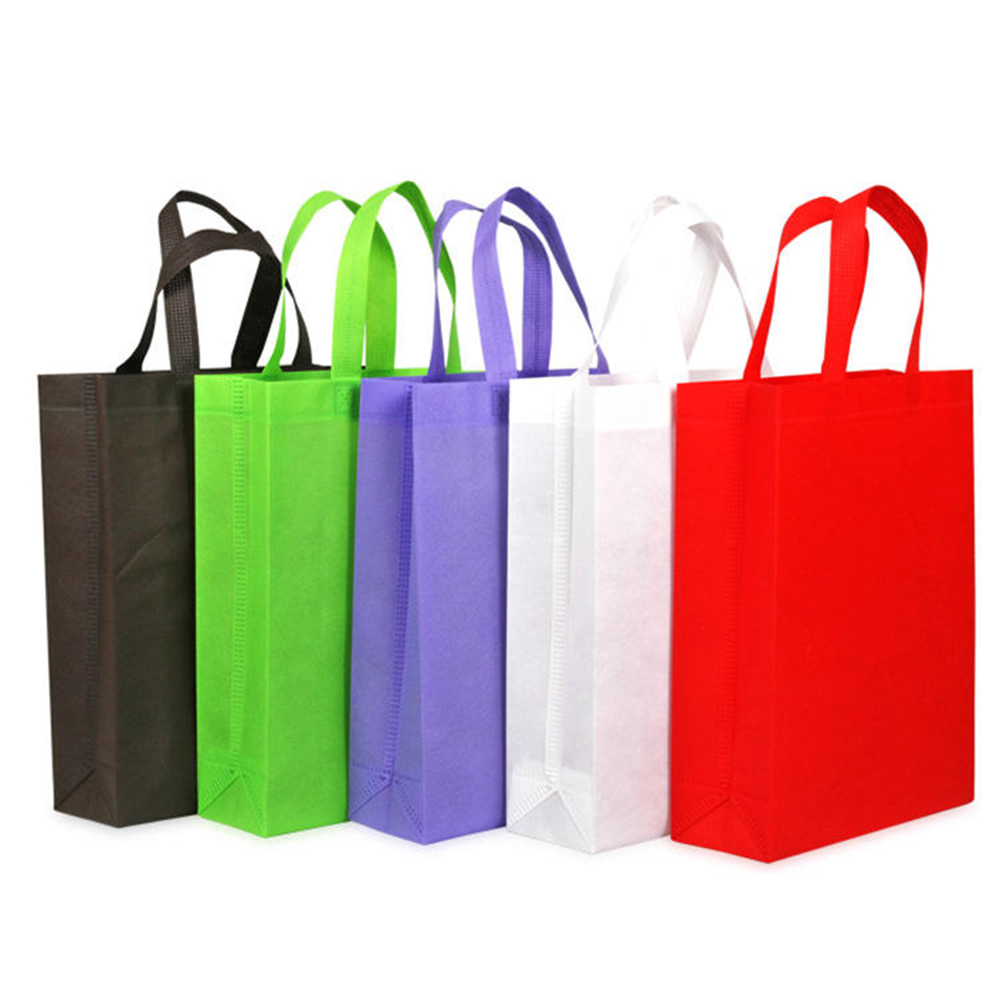
Confirm the required dimensions, GSM, quantity, handle style, gussets, printing, colors, laminate or closure options, and whether the bags are intended for disposable, promotional, or reusable use. Wholesalers and distributors should also clarify packaging requirements, while retailers and promotional-product buyers may need several artwork or size variations.
How Can You Customize Non-Woven Bags with Printing and Logo Imprint?
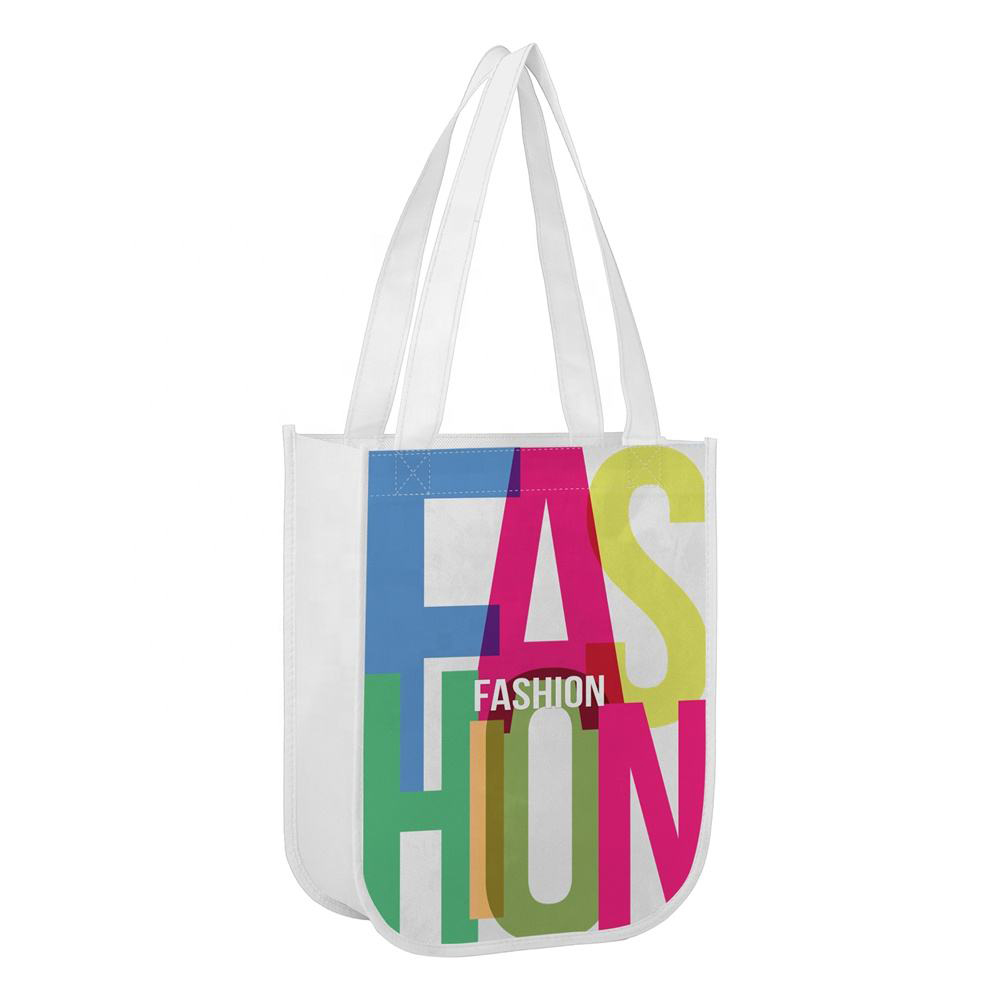
Custom non-woven bags can be personalized through bag color, size, handle style, artwork, logo imprint, print placement, and selected finishing options.
Custom printed bags are commonly ordered for retail campaigns, exhibitions, corporate events, product launches, and promotional non-woven bags. A printed non-woven tote can turn ordinary packaging into visible brand communication after the customer receives it.
For personalized non-woven bags, provide clear artwork files and confirm print colors, printable area, bag dimensions, fabric specification, and quantity before production. Buyers planning bulk reusable bags or custom shopping bags should also consider whether the artwork must remain consistent across several sizes.
Non-Woven Bags vs. Plastic, Woven, Cotton, and Canvas Bags
Non-woven bags provide a different balance of weight, construction, cost, appearance, and reuse potential than plastic bags, woven polypropylene bags, cotton, or canvas.
Thin conventional plastic bags are often chosen for simple short-term carrying. Woven bags generally use interlaced material and are suited to different strength requirements. Cotton and canvas offer a textile feel and may suit longer-term reuse, but they are typically a different product category and construction.
Non-woven PP can be an alternative to cotton and canvas when a buyer wants lightweight branded packaging. Environmental performance, however, depends on material use, actual reuse, disposal systems, manufacturing, and local recycling infrastructure. It should not automatically be described as eco-friendly simply because it is non-woven.