
Disposable Chemo Gowns for Hazardous Drug Handling
Disposable chemo gowns are personal protective equipment used to help reduce occupational exposure when healthcare professionals handle chemotherapy and other hazardous drugs. Buyers should evaluate drug-permeation evidence, barrier material, seam and closure design, sleeves and cuffs, body coverage, sizing, comfort, and manufacturer documentation before selecting a gown for a specific task.
What Is a Disposable Chemotherapy Gown?
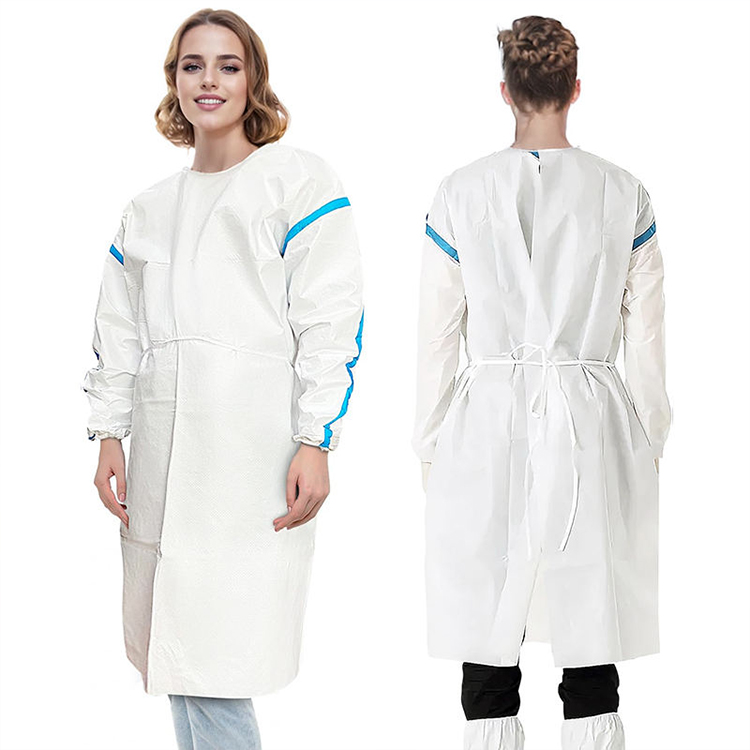
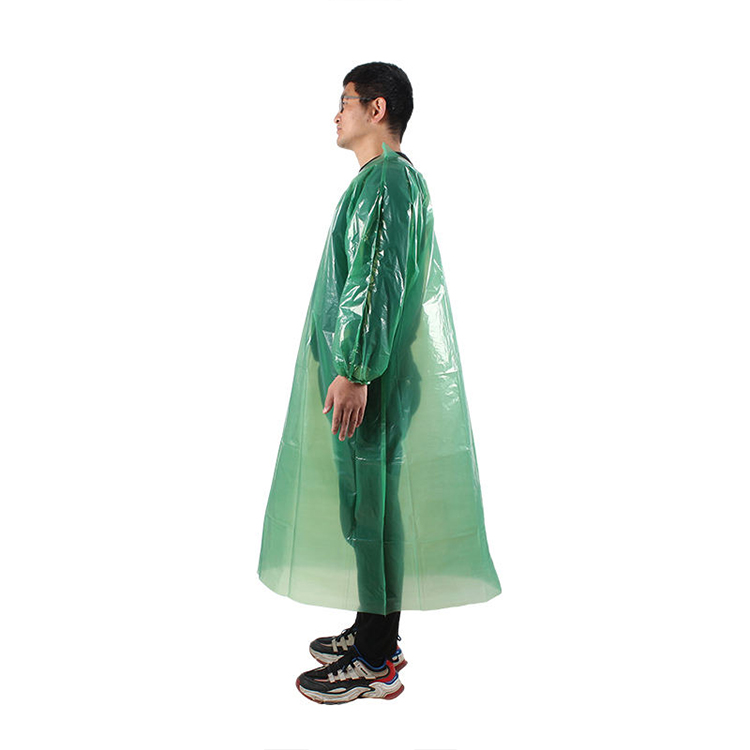
A disposable chemotherapy gown is protective apparel intended for hazardous drug handling, including work where splashes or direct contact with liquid chemotherapy drugs may occur. Unlike a general-purpose gown or many isolation gowns, selection should consider evidence that the material and seams resist hazardous-drug permeation, not only routine liquid-barrier performance. ASTM F3267-22 specifically establishes requirements for protective clothing used against liquid chemotherapy and other liquid hazardous drugs.




Why Are Chemo Gowns Used When Handling Hazardous Drugs?
Chemo gowns help place a protective barrier between the wearer and hazardous drug contamination during preparation, compounding, administration, cleanup, and related handling. Healthcare workers may be exposed during drug preparation, administration, or contact with contaminated materials; NIOSH advises reducing exposure because antineoplastic drugs can cause serious health effects, including reproductive effects and cancer.
PPE is one layer of protection. Engineering controls, work practices, training, and facility procedures remain essential, and no gown should be described as eliminating all occupational exposure.
What Features Should a Chemotherapy Gown Have?
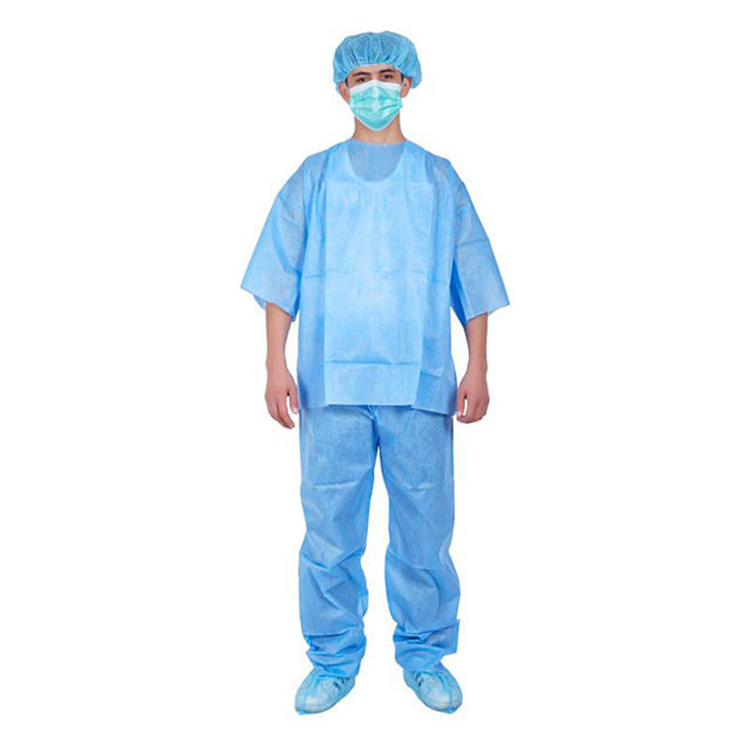
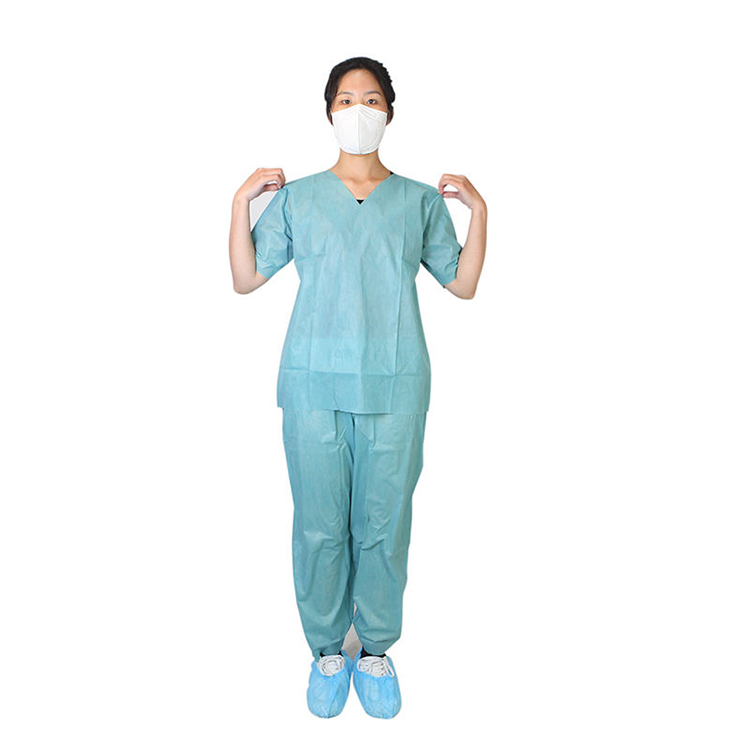
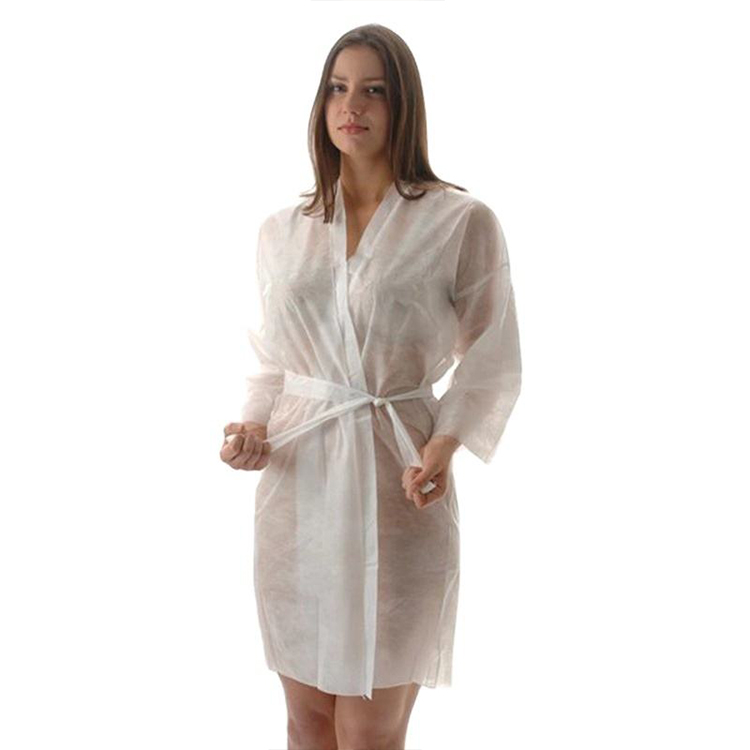
Buyer specifications commonly focus on a protected front, long sleeves with knit cuffs or elastic cuffs, and a closure that supports a secure fit. Neck ties, waist ties, low-linting construction, seam placement, and full-back coverage may also matter depending on the task. OSHA guidance describes hazardous-drug gowns with long sleeves, tight-fitting cuffs, and construction that avoids seams or closures that could permit drug passage.
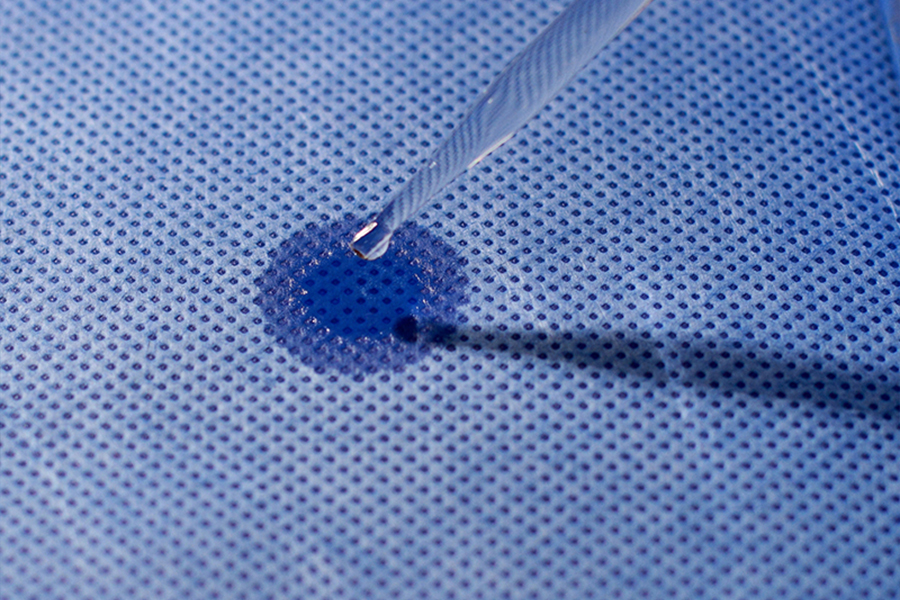
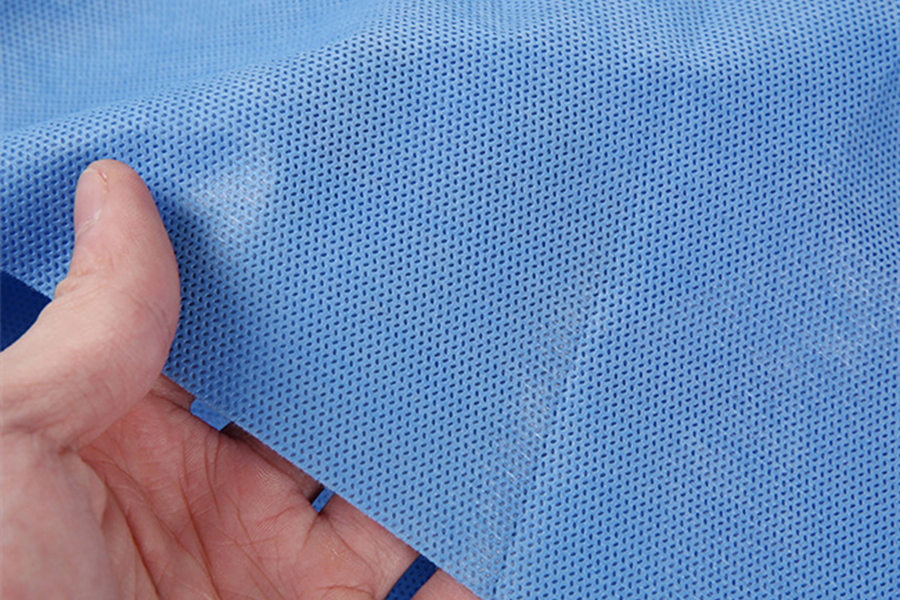
Barrier performance depends on the complete construction, not a fabric name alone. Polycoated material or laminate constructions may be used, while SMS or spunbond polypropylene should not be assumed to provide protection against hazardous drugs without relevant test data. Confirm whether a sterile or non-sterile gown is required, and verify latex-free claims when latex avoidance is part of the specification.
Do not assume a universal number of hours of continuous use; current USP guidance states that disposable hazardous-drug PPE must not be re-used.
What Standards Should Buyers Review for Chemo Gowns?
USP <800> establishes standards for handling hazardous drugs in healthcare settings; it is not a product certification, and USP states that it does not certify or validate PPE for compliance. USP’s January 2026 FAQ says gowns used for hazardous-drug handling must be shown to resist permeability by hazardous drugs and that manufacturers should provide permeability data.
ASTM F3267-22 is a specification for protective clothing used against liquid chemotherapy and other liquid hazardous drugs. It addresses design, performance, documentation, labeling, barrier-material testing, and seam permeation. ASTM F739 is a test method for chemical permeation through protective clothing materials under continuous contact. ASTM D6978 primarily addresses medical gloves, so it should not be presented as the principal chemotherapy gown test.
What Do AAMI Level 2 and AAMI Level 3 Mean for Medical Gowns?
Levels 2 and 3 under ANSI/AAMI PB70 are liquid-barrier classifications for protective apparel and drapes used in healthcare facilities. They help buyers compare liquid-barrier performance, but an AAMI level is not the same as chemotherapy-drug permeation resistance. ASTM F3267-22 separately addresses permeation resistance for clothing intended against liquid chemotherapy and other liquid hazardous drugs.
A gown carrying one of these barrier classifications should therefore be reviewed separately for hazardous-drug permeability evidence. A Level 3 claim alone does not demonstrate suitability for every antineoplastic drug.

Disposable Chemo Gowns vs. Isolation Gowns, Reusable Gowns, and Other PPE
Disposable chemo gowns, disposable isolation gowns, reusable gowns, coveralls, laboratory coats, shoe covers, and gloves serve different protective functions and should not be treated as interchangeable. OSHA notes that absorbent cloth laboratory coats and similar materials can permit hazardous drugs to penetrate and hold contamination against the skin.
If a shortlist includes a McKesson chemotherapy procedure gown or another branded option, compare the manufacturer’s current intended use, coverage, cuff and seam design, and test documentation rather than relying on the product name alone.
Who Uses Disposable Chemo Gowns and Where?
Healthcare workers who may need hazardous-drug PPE include pharmacists, pharmacy technicians, nurses, physicians, environmental services staff, and other personnel whose tasks create potential contact with hazardous drugs. Typical settings include hospital pharmacy compounding areas, oncology units, infusion areas, cancer treatment centers, clinics, and other healthcare facilities.
For sterile compounding or cleanroom workflows, gown selection must also fit facility garbing requirements. The correct PPE combination depends on the task and local SOPs; USP likewise directs facilities to determine appropriate PPE according to the hazardous-drug activity and assessment of risk.
Add Your Heading Text Here
What are disposable chemo gowns used for?
Disposable chemo gowns are PPE designed to help reduce occupational exposure when healthcare workers handle chemotherapy and other hazardous drugs.
What features should a chemotherapy gown have?
chemotherapy gown should provide appropriate barrier coverage and typically features a solid front, long sleeves, and tight-fitting knit or elastic cuffs. Buyers should also review material and seam permeation data.
Is a chemo gown “USP certified”?
No. USP does not certify or validate PPE for compliance with USP <800>. Manufacturers should provide supporting permeability data for gowns intended for hazardous-drug handling.
Does AAMI Level 2 or Level 3 prove chemotherapy drug resistance?
No. ANSI/AAMI PB70 levels classify liquid-barrier performance; they should not be treated as proof of chemotherapy-drug permeation resistance. ASTM F3267-22 specifically addresses protective clothing for liquid chemotherapy and other liquid hazardous drugs.
Can disposable chemo gowns be reused?
Disposable hazardous-drug PPE should not be reused. USP guidance advises treating PPE worn during hazardous-drug handling as potentially contaminated and disposing of it according to applicable procedures.