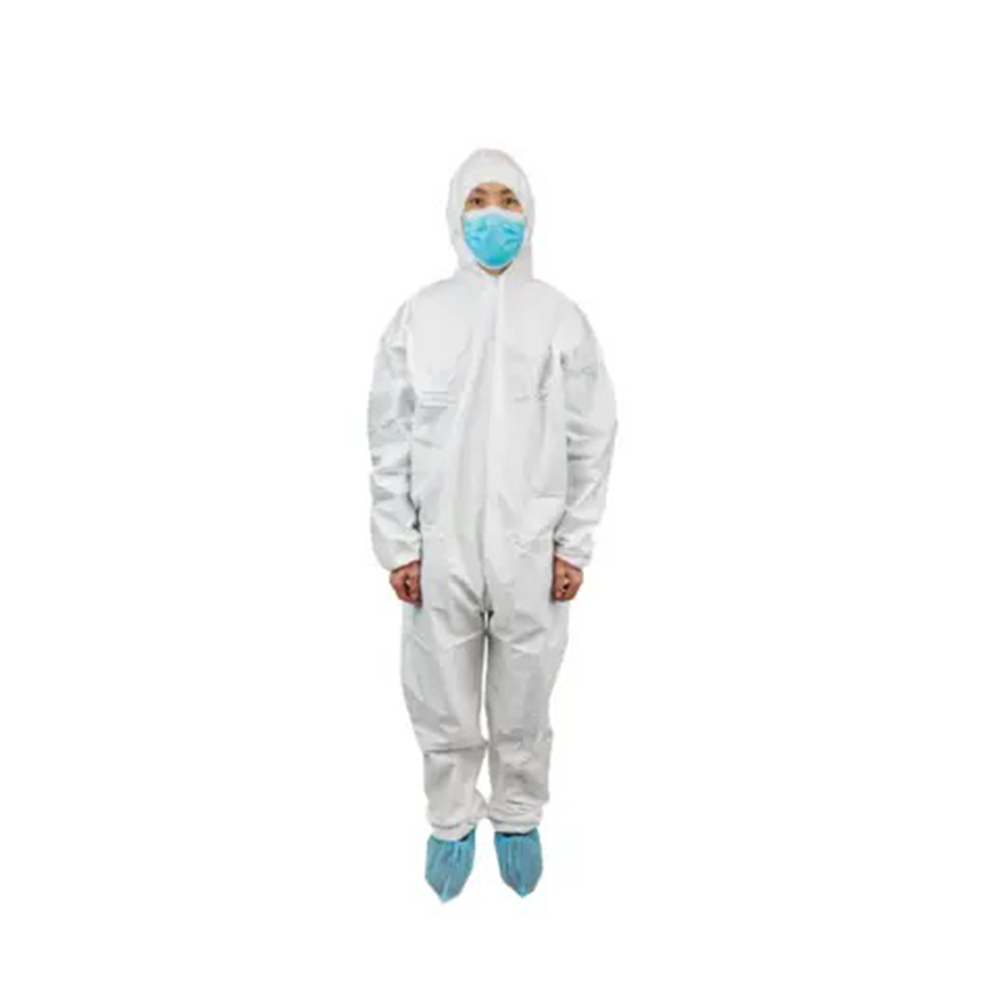
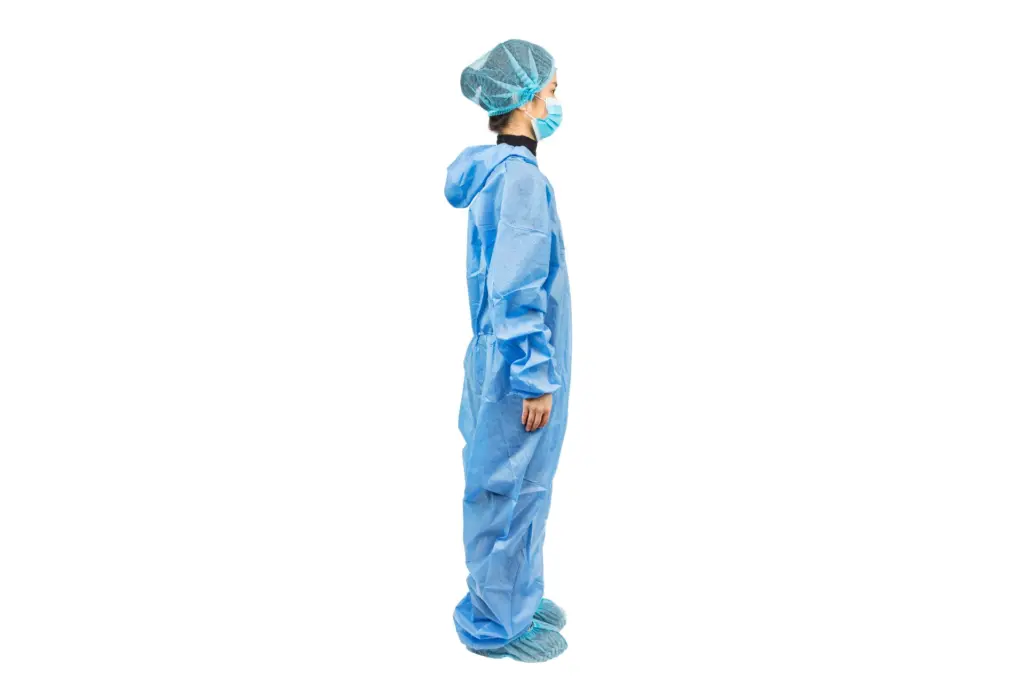
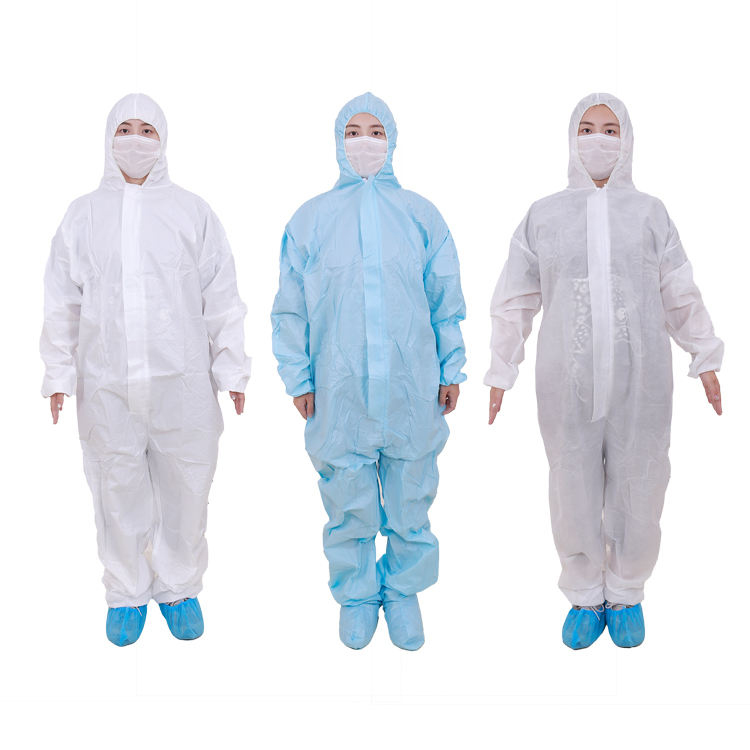
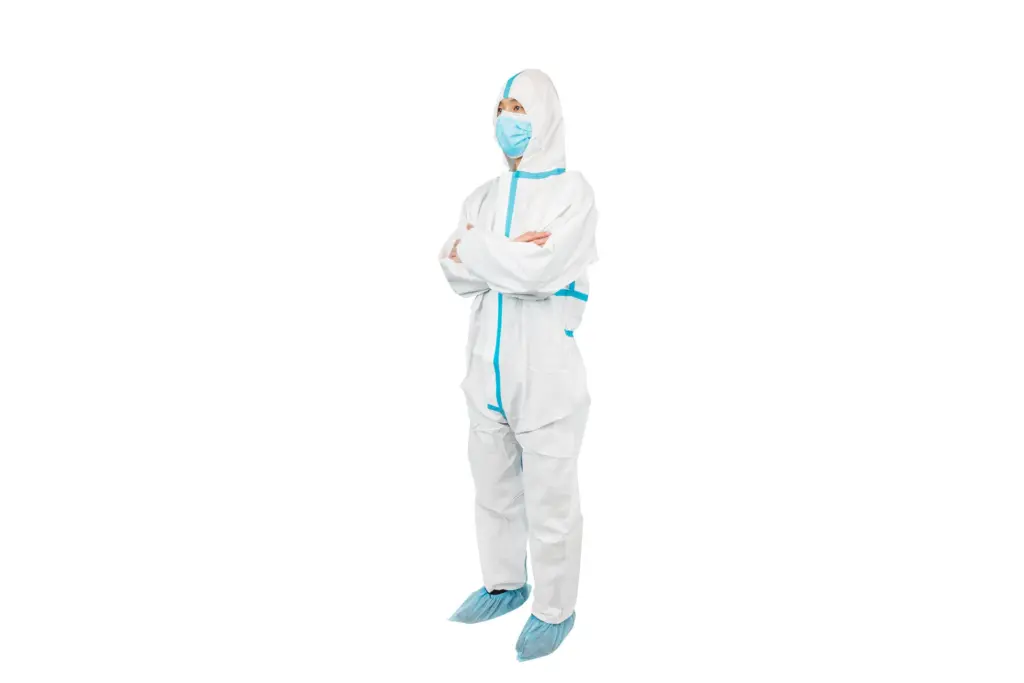
Disposable Coveralls for Industrial Safety and Bulk Supply
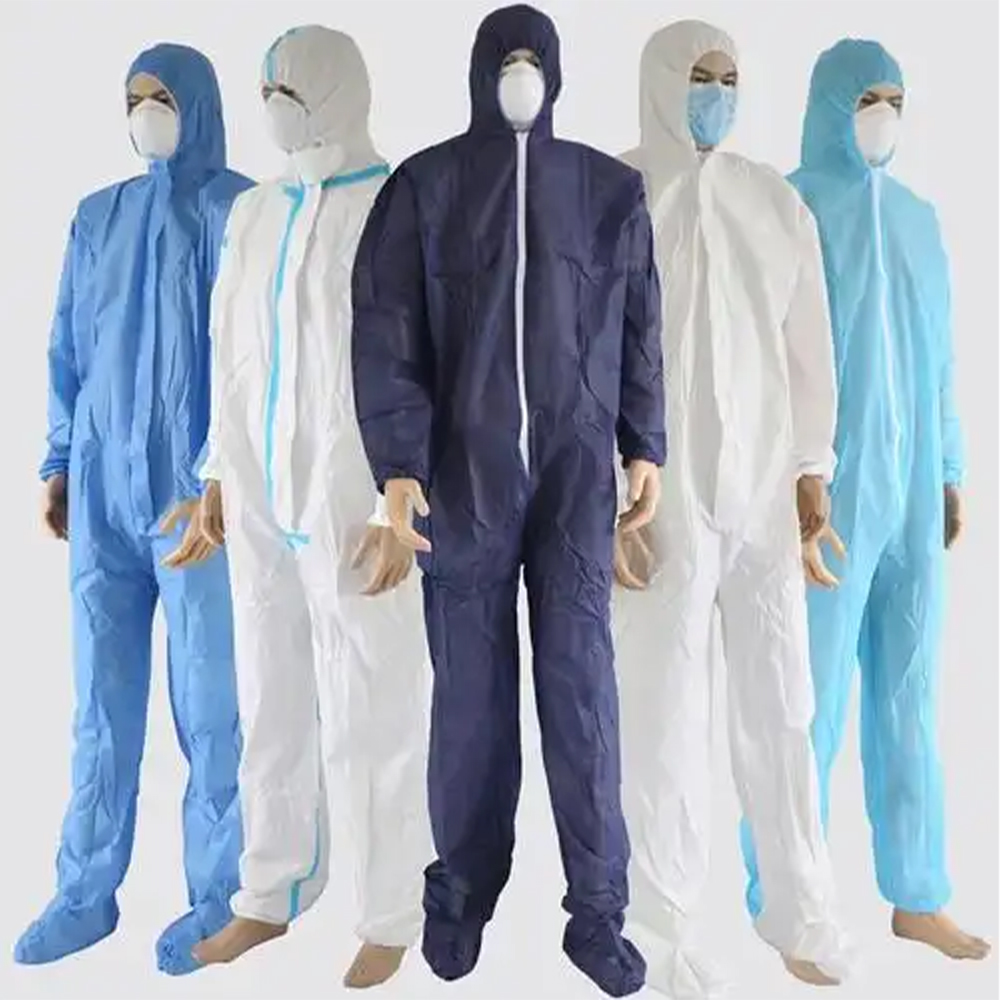
Disposable coveralls are single-use protective clothing designed to help shield the wearer’s skin and everyday clothing from dirt, dust, particles, hazardous materials, and certain liquid splashes when the selected product specification is suitable for the exposure. Buyers can compare SMS, microporous, PE-coated, polypropylene disposable, and Tyvek options, along with hood, zipper, cuff, waist, and ankle configurations. For industrial purchasing, the right selection balances barrier needs, coverage, breathability, comfort, and the requirements of the actual job.
What Are Disposable Coveralls Designed to Protect Against?
A disposable coverall provides temporary full-body coverage for work where contamination, particle exposure, dirt, or limited splash is a concern. The actual protection depends on the fabric, seams, closure design, and tested garment specification.
Do not assume every suit protects against every chemical, biological, or hazardous exposure. OSHA states that PPE must be selected for the specific hazards workers are likely to encounter. A safety program should therefore match the garment to the task rather than relying on a generic description.
Which Coverall Material Is Right: SMS, Microporous, Polypropylene, or Tyvek?
Material choice determines the balance between comfort and barrier performance. SMS uses layered spunbond and meltblown construction to combine strength, breathability, and light liquid resistance. Microporous film is intended to block fine particles and certain fluid splashes while retaining some breathability, while PE-coated material can offer a stronger liquid or chemical barrier when the product is specified for that use.
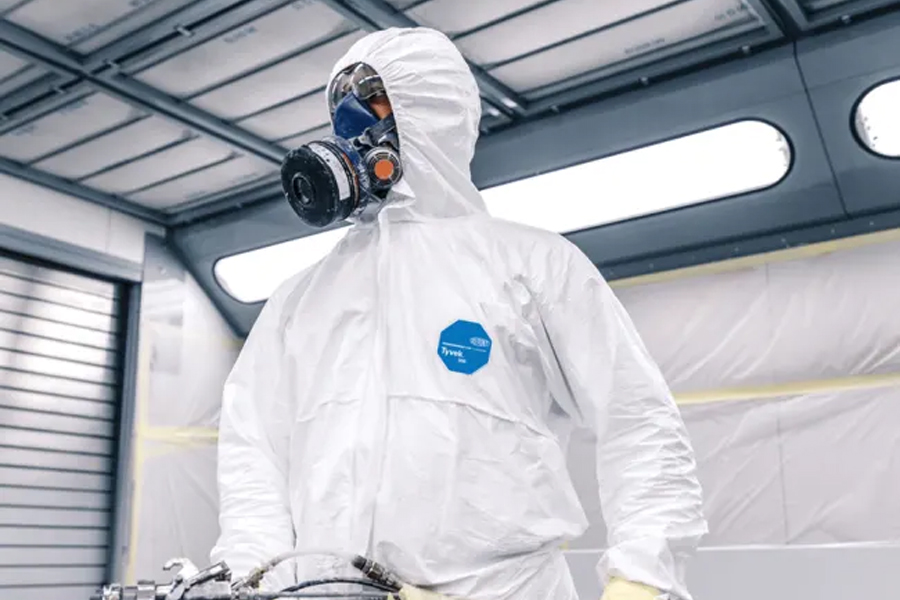
Polypropylene is commonly considered for lightweight, general-purpose jobs. A DuPont Tyvek product can provide particle and light-liquid performance in a breathable, lightweight garment, but buyers should verify the exact model rather than treating “Tyvek suit” as one universal performance level.
Protective Coverall Features That Affect Coverage
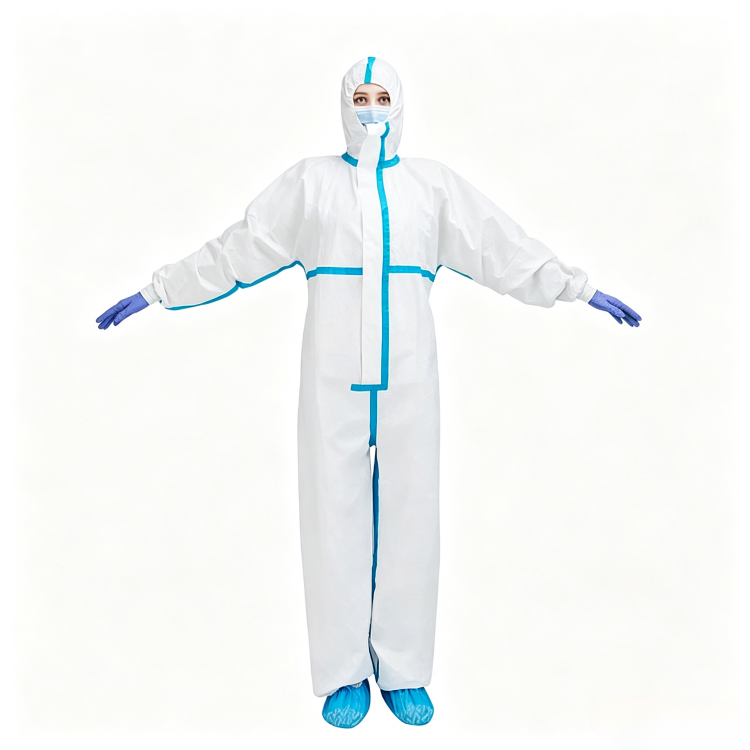
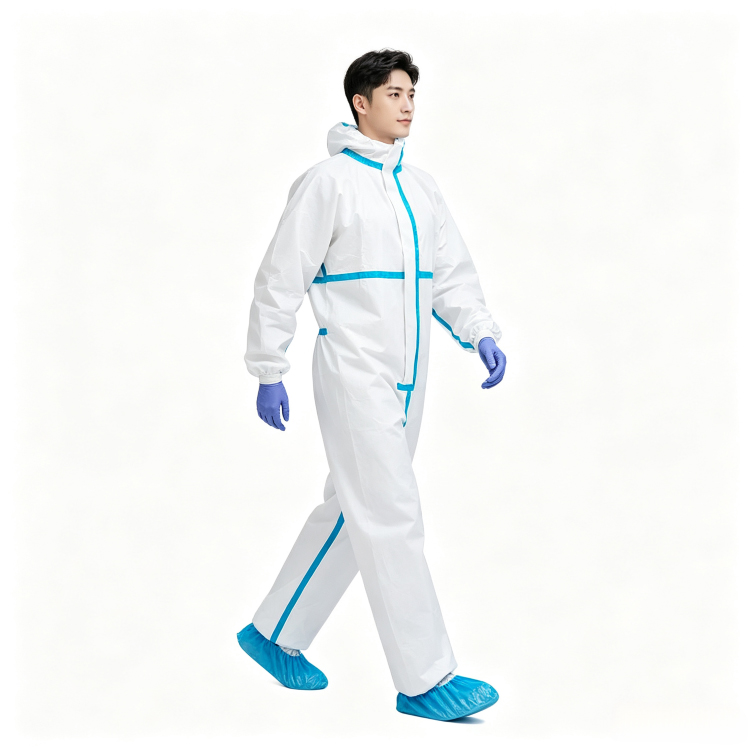
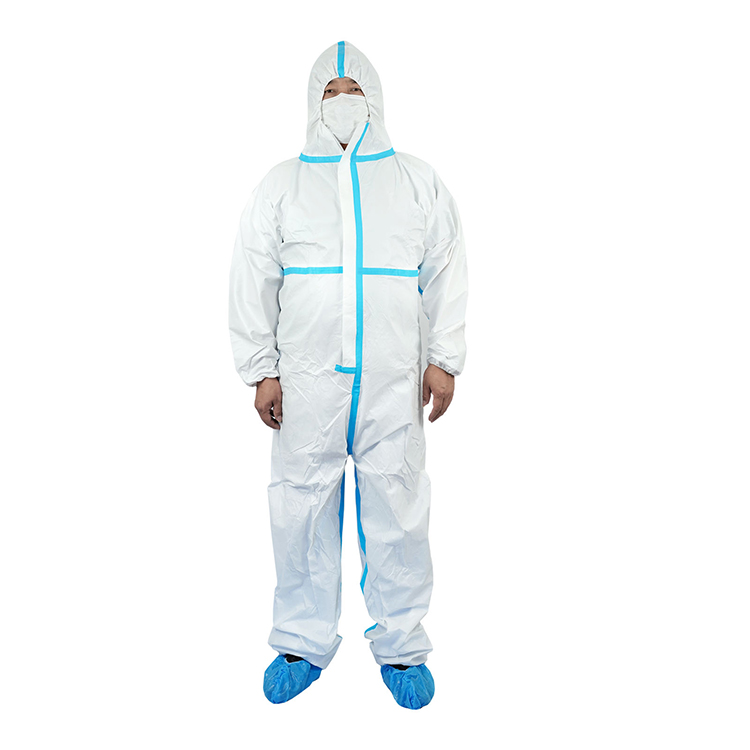
Small design details can make a major difference in coverage and usability. Depending on the style, an offer may include:
- Attached hood or non-hooded collar
- Front zipper with storm flap
- Elasticated cuff or elastic wrist design
- Elastic waist plus elastic wrists and ankles
- Attached boot option or separate shoe covers
- Seams and closure details intended to improve the seal around openings
Check how the sleeve works with the required glove and how the ankle fits over or inside footwear. A hooded style can extend head and neck coverage, while open-collar designs may be more comfortable where that extra coverage is unnecessary.
Industrial Applications for Disposable Overalls
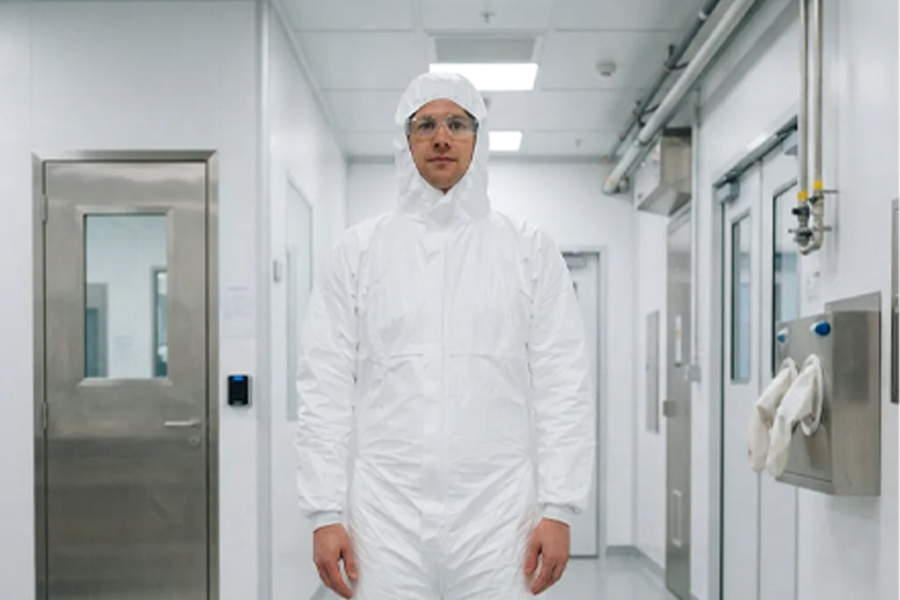
Disposable overalls are used across painting, manufacturing, construction, automotive work, cleaning, lab operations, contamination-control areas, and selected medical or industrial environments where disposable PPE is appropriate.
For a busy shop, lightweight garments may suit dust and dirt control, while jobs involving wet processes or spray exposure may require a more resistant barrier. Heavy-duty tasks can also increase the need to consider strength and tear resistance. The application, not just the industry label, should drive the choice.
How Do You Choose a Coverall for the Task and Hazard?
Start with the hazard assessment: identify the substance or contaminant, expected exposure route, duration, worker movement, and required barrier level. Then compare those needs with the manufacturer’s specification. OSHA guidance emphasizes hazard assessment and appropriate PPE selection criteria.
Do not describe a garment as chemical-resistant unless its documentation supports the intended chemical and exposure conditions. The same caution applies to biological hazards and hazardous materials. Where a higher-risk exposure exists, confirm compatibility, seams, closures, and other required equipment before purchase.
Frequently Asked Questions
What are disposable coveralls used for?
Disposable coveralls help protect workers and their clothing from workplace hazards such as dirt, dust, particles, and certain liquid splashes, depending on the garment specification.
Are disposable coveralls waterproof?
Not all disposable coveralls are waterproof. Protection against liquids depends on the material and product design. For example, some microporous PE laminate coveralls are designed for limited liquid splash protection.
What is a Tyvek coverall?
A Tyvek coverall is protective clothing made from DuPont Tyvek material. Certain Tyvek 400 garments are designed to provide protection against fine particles and light liquid splash while remaining lightweight and breathable.
Do disposable coveralls come with a hood?
Yes. Disposable coveralls are available in hooded and non-hooded designs. Some styles also include elastic wrists, ankles, waist, storm flaps, or attached boots.
How do I choose the right disposable coverall?
Choose a coverall according to the specific hazards and working conditions of the job. The material, coverage, barrier level, fit, and other PPE requirements should match the expected exposure.