Disposable Balaclava Caps for Hygienic Head and Beard Coverage
Disposable Balaclava Caps are single-use head coverings designed to help contain hair and beard growth while covering the head, neck and parts of the face. Commonly used in food processing, medical, laboratory, pharmaceutical and industrial environments, these lightweight hoods provide broader coverage than a basic hair net where hygiene and contamination control require more complete headwear. Request a Quote for your bulk requirements.
What Are Disposable Balaclava Caps?
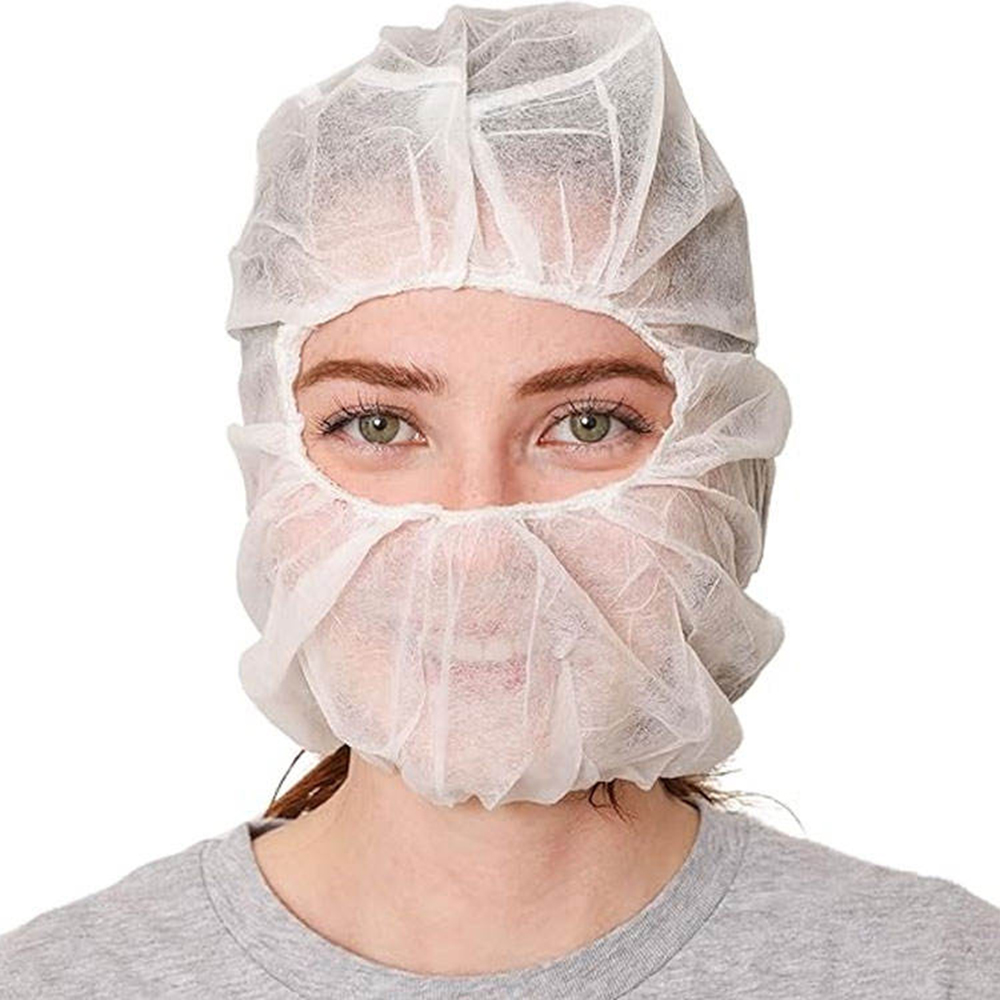
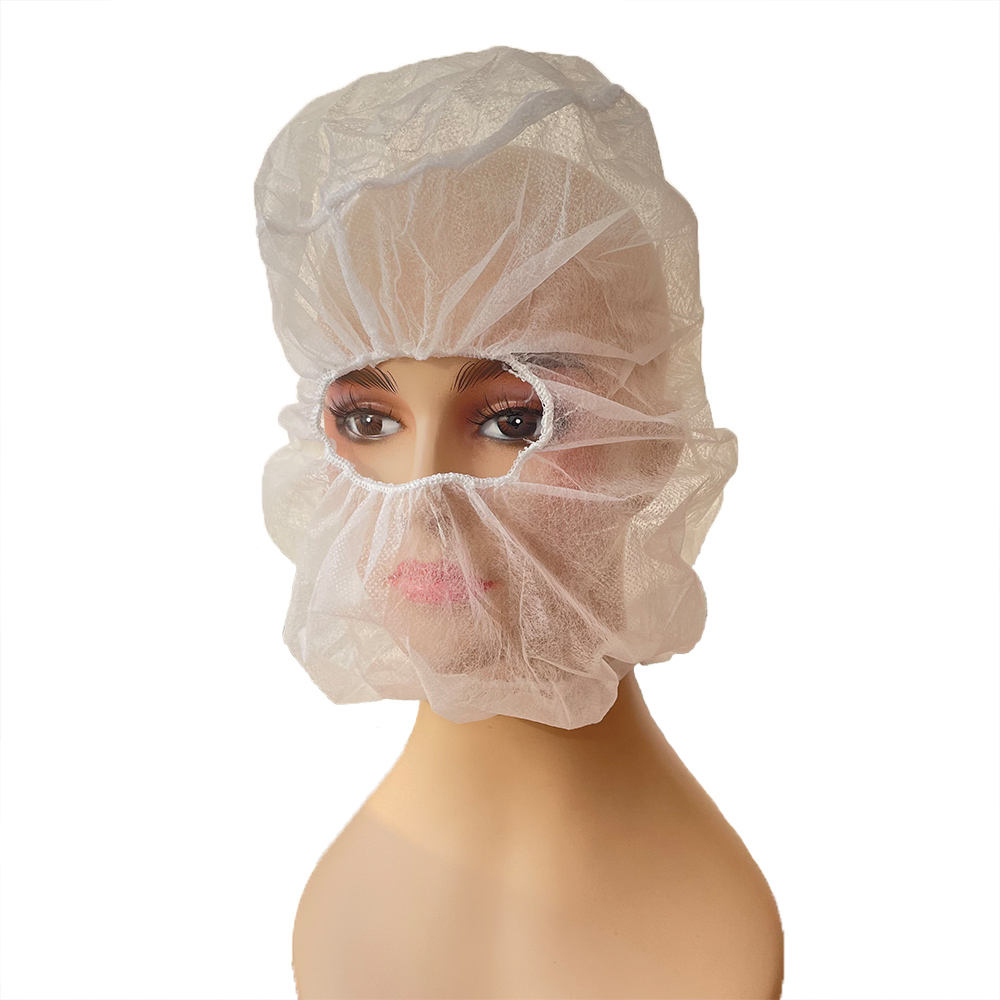
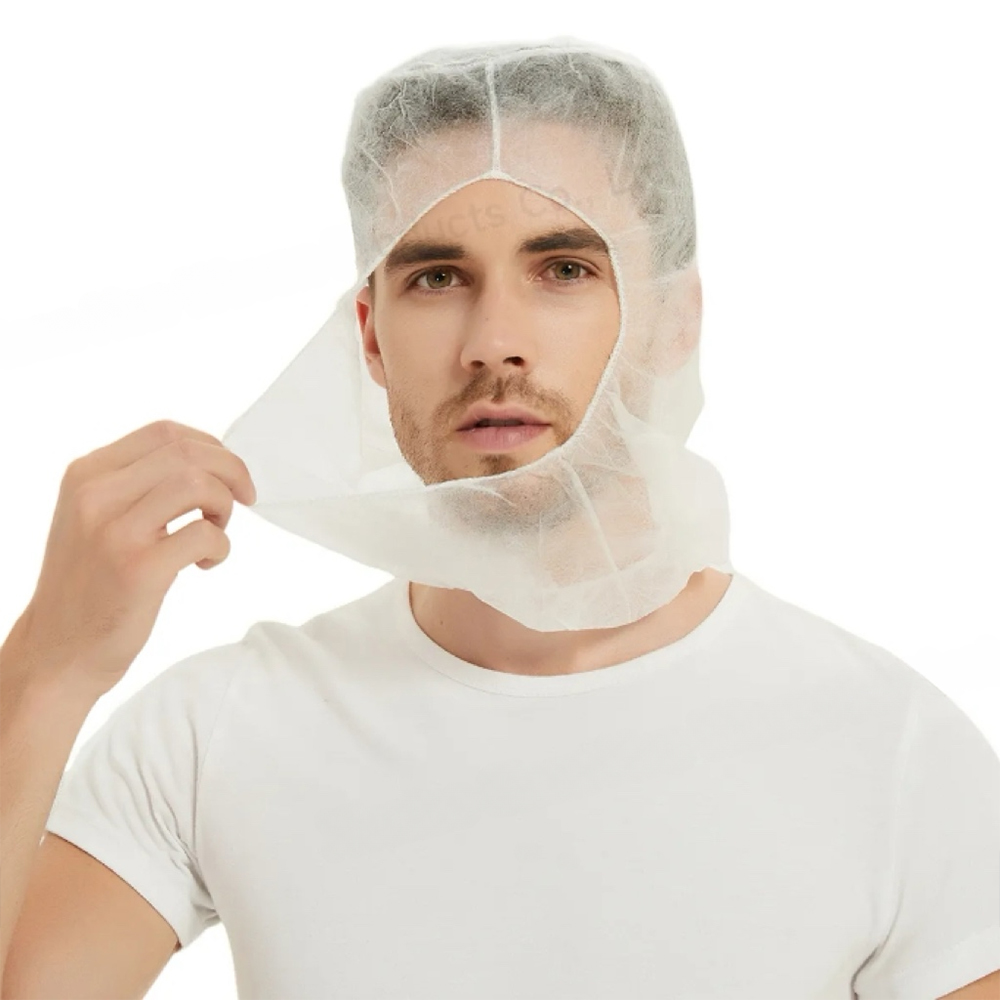
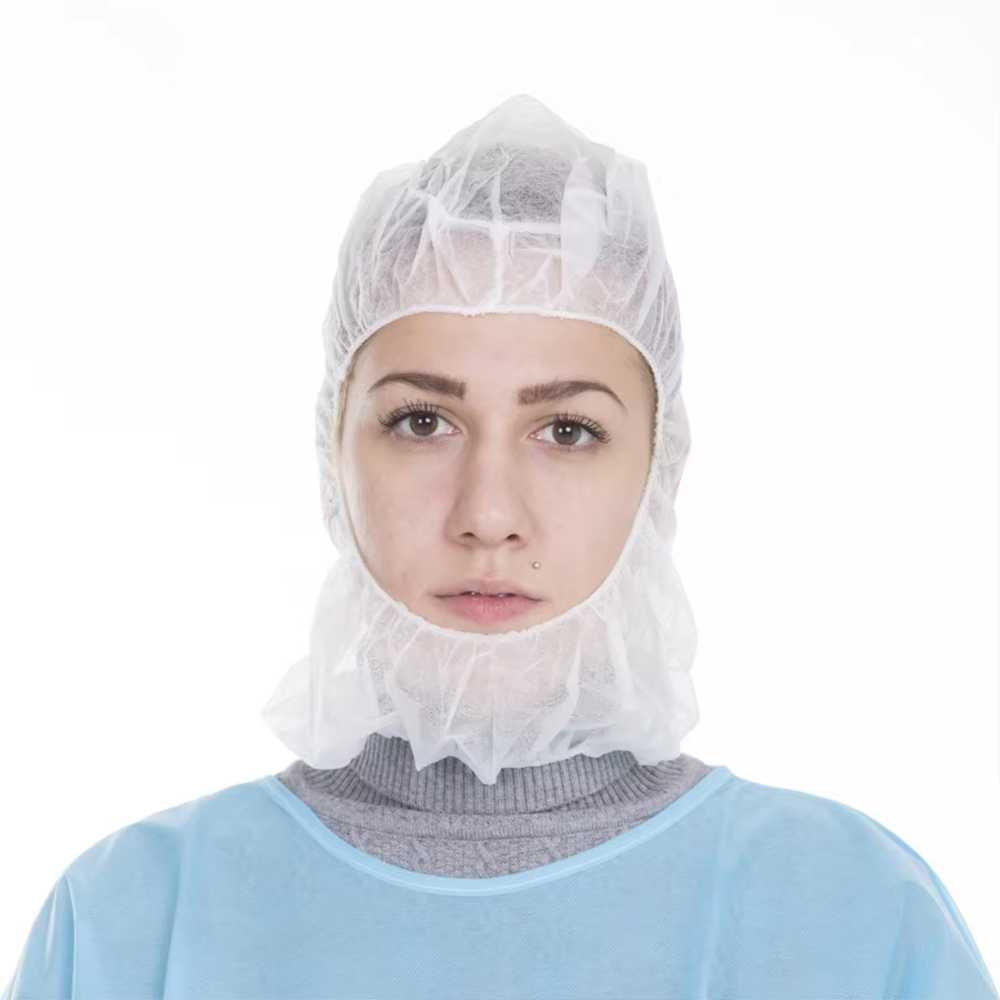
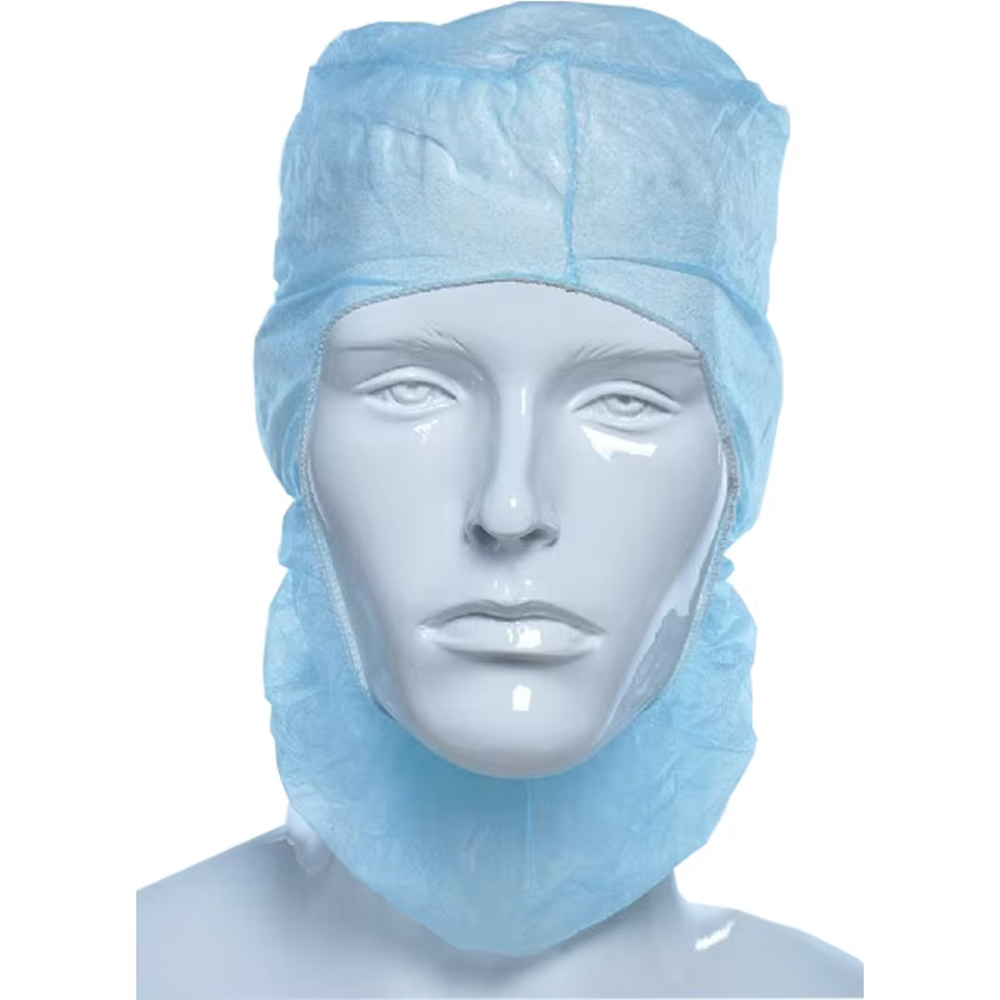
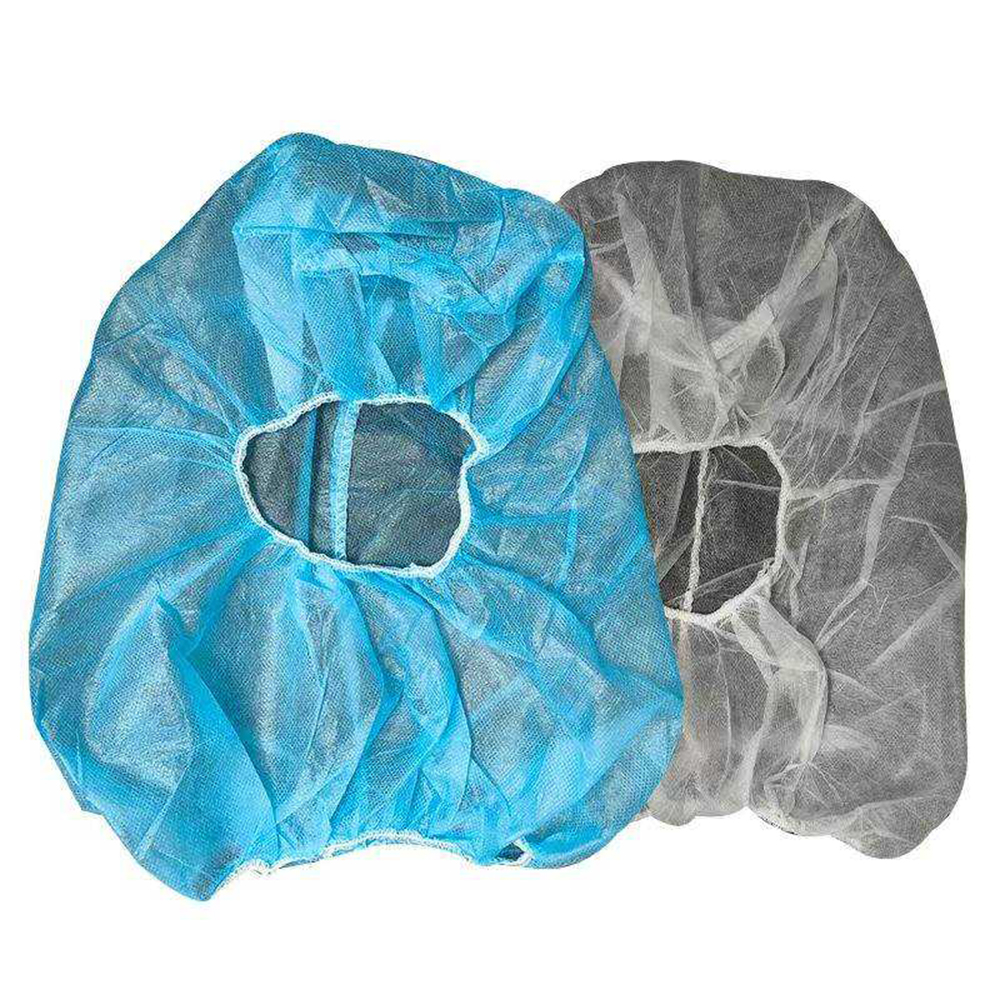
A disposable balaclava cap is a single-use hood that covers the head and typically extends around the hair, beard and neck, with a facial opening for visibility and breathing. It is hygienic headwear for facilities that need more coverage than standard hairnets or mob caps.
Depending on the design, one hood can provide hair and beard containment around the sides and back of the head, chin and neck. A balaclava face cover of this type is not automatically a respiratory mask; protection claims depend on the exact product specification.
Full Head, Hair, Beard, Face and Neck Coverage
Coverage varies by design, so match the hood shape to your facility’s hygiene procedure. A full head cover may extend below the hairline and around the neck while leaving the eyes, nose and mouth area open. Some styles provide more extensive beard cover and neck cover than separate hairnets. For workers with facial hair, a combined head and beard cover can simplify garment selection. Confirm the actual pattern, opening, elastic placement and coverage area before ordering for a controlled environment.
Lightweight Non-Woven Materials for Breathable Comfort
Polypropylene is a common material for disposable balaclava hoods, including commercial spunbond polypropylene designs described as lightweight and breathable. Other products may use polyester or different non-woven fabrics depending on the intended application. Material choice affects comfort, fabric feel, breathability and suitability for the work environment. Ask for the actual material specification rather than assuming every polypropylene balaclava has the same construction. If fabric weight, sterility, barrier performance or compliance status matters, verify it for the exact item.

Key Features and Hygiene Benefits
For hygiene managers, the main benefit is containment. A properly selected balaclava hood can reduce exposed loose hair around the head, sideburns, chin and beard area. Commercial designs commonly combine lightweight disposable construction with elastic closures and extended hair coverage.
Disposable balaclavas are designed for practical single-use hygiene. Buyers commonly evaluate:
Lightweight non-woven construction.
Elasticized edges that help the hood stay in position.
Broader hair and beard coverage than a simple hair net.
An open-face design for visibility and breathing.
Disposable handling without laundering or redistribution.
Fit, Elastic Construction and Bulk Purchasing
Fit influences comfort and containment. Elastic may be placed around the facial opening, chin, neck or other edges to create a snug fit. Some commercial hoods use universal sizing, but sizing and construction vary, so procurement teams should confirm the actual product specification.
For bulk disposable balaclava caps, compare material, coverage, size, color, elastic construction, fabric weight where specified, packing quantity and case configuration. Ask about current bulk pricing, samples, lead time and documentation rather than relying on generic catalog assumptions.
Ask About Bulk Pricing and request the current specification for the cap you are evaluating.
Choosing a Reliable Balaclava Caps Manufacturer or Supplier
A reliable manufacturer or supplier should provide clear information on material, size, color, packing, intended use and available technical documentation. If certifications, sterility, food-contact status or specific standards are required, verify that they apply to the exact disposable cap rather than to the company or another product.
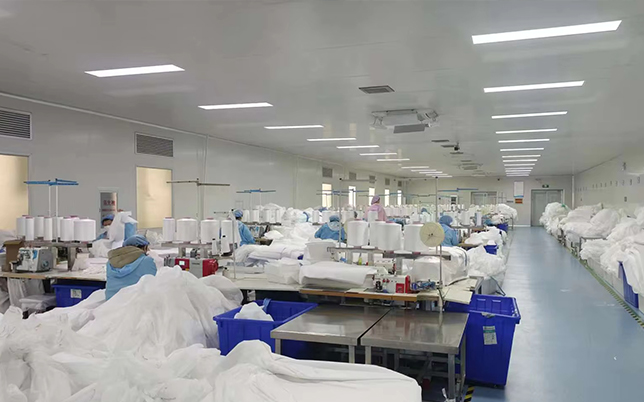
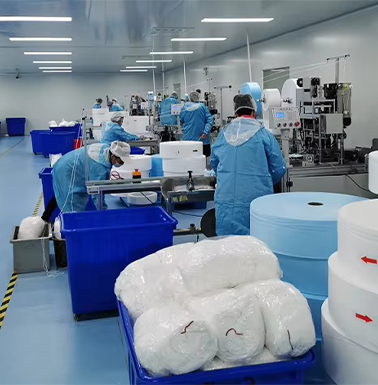
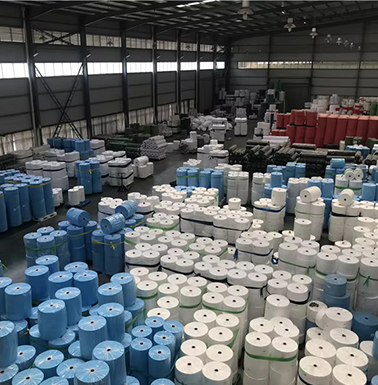
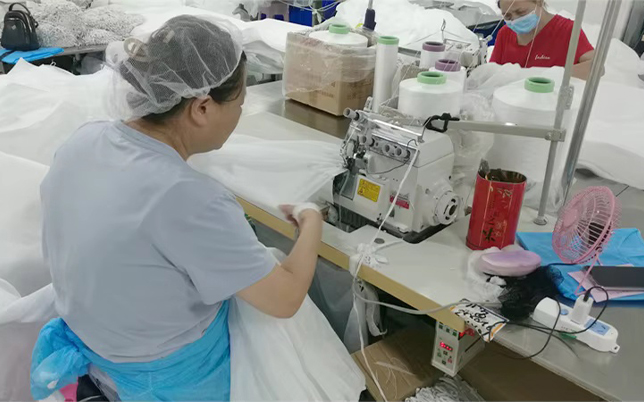
Distributors, wholesalers and importers should also discuss packaging format, order quantity, batch consistency and logistics. If you need OEM, private labeling, custom packing or samples, ask whether those options are available instead of assuming they are included.
Contact Us for Samples or Bulk Requirements to discuss the specification your facility or market needs.