Disposable Dental Bibs with Absorbent, Waterproof Protection

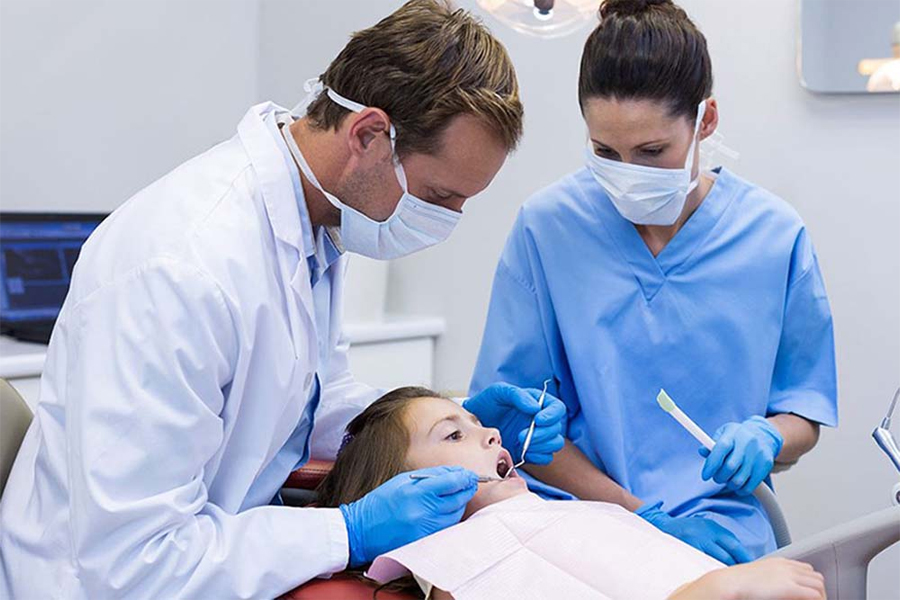
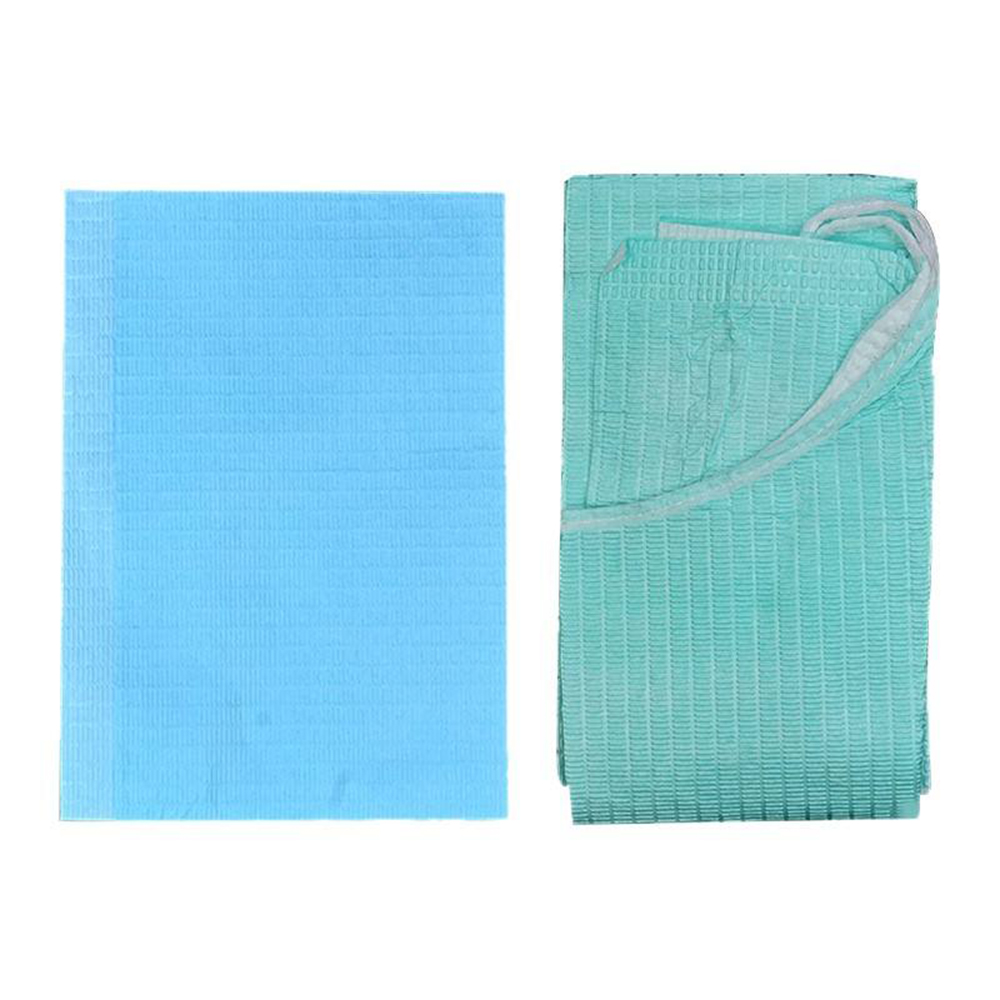
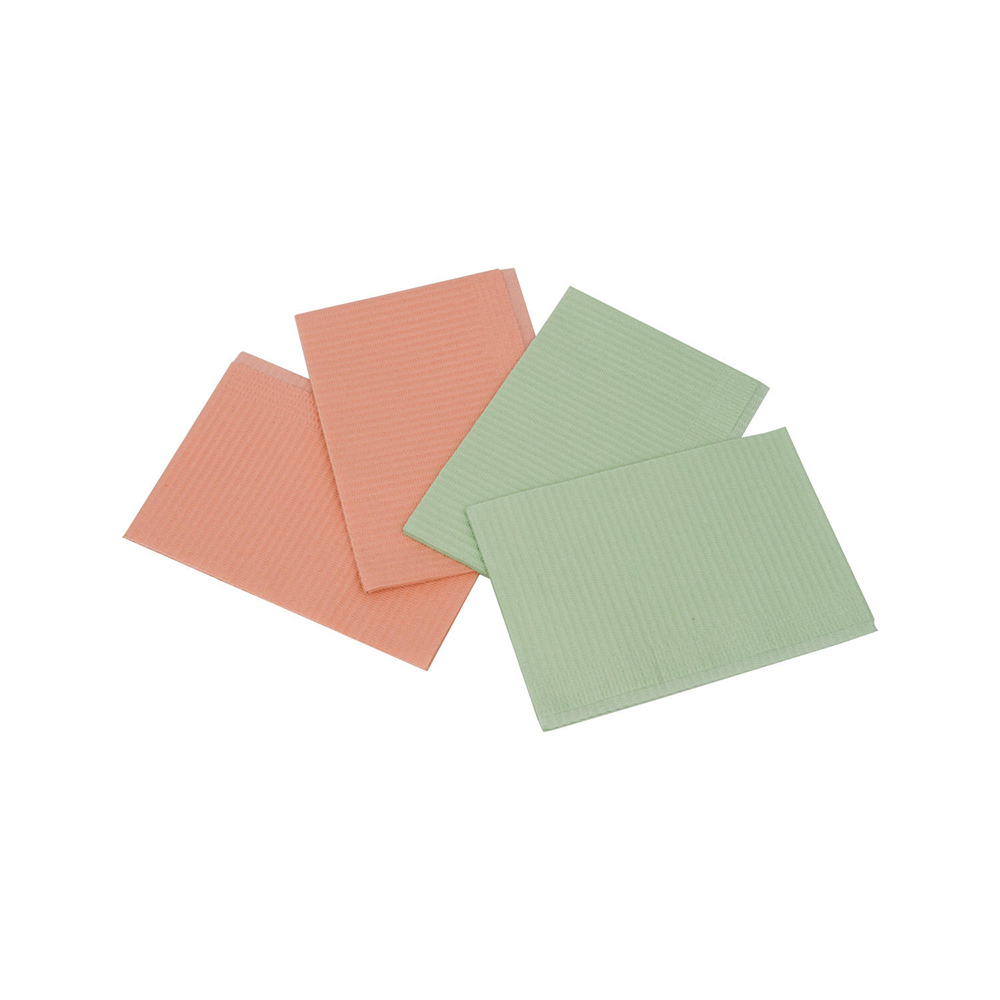
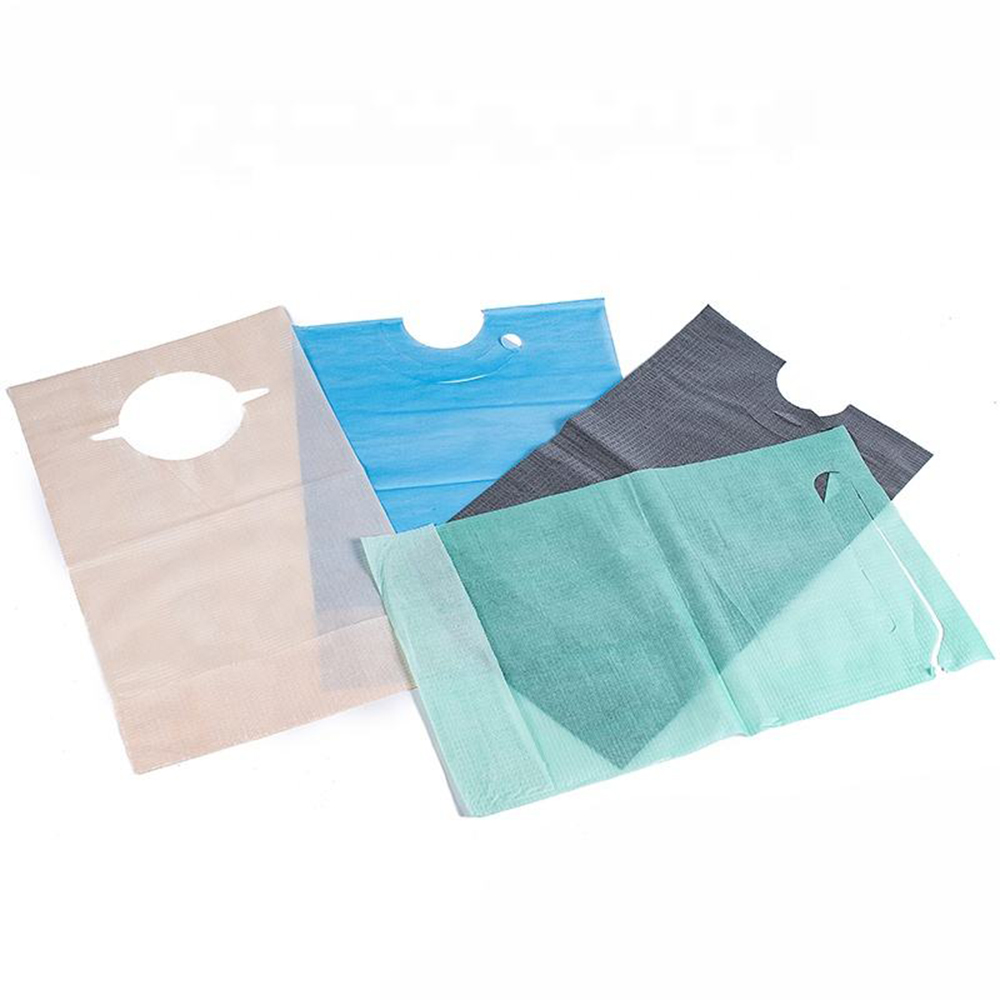
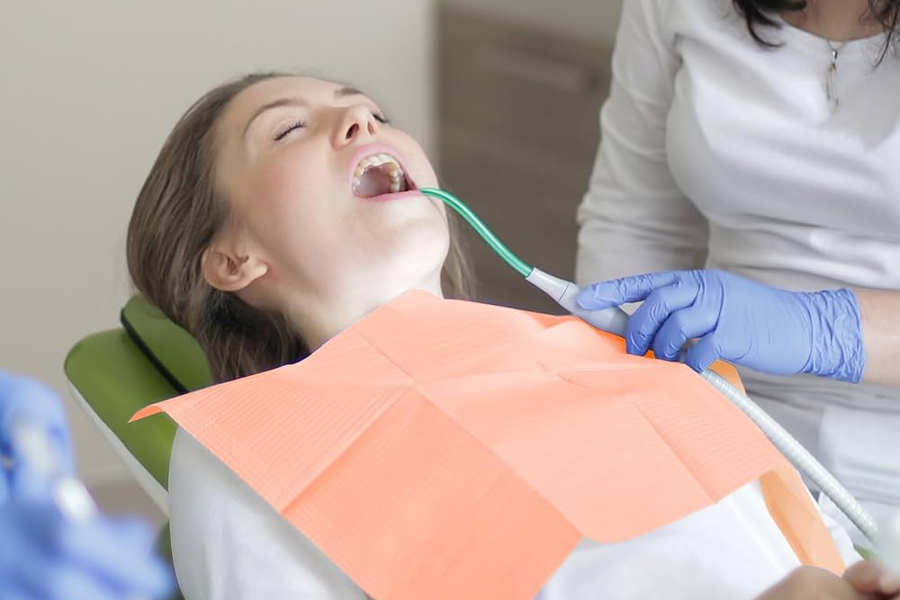
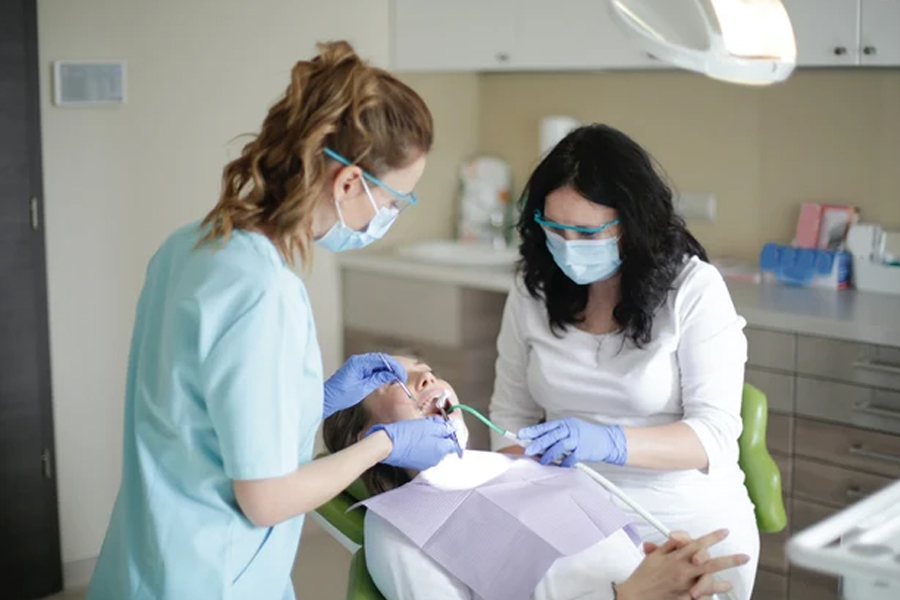
What are disposable dental bibs? Disposable dental bibs are single-use protective sheets placed over a patient’s chest during treatment. An absorbent paper face catches saliva, water, and small debris, while a water-resistant or waterproof plastic backing helps shield clothing. The sheet is secured with a clip, chain, or adhesive tab, then discarded after the appointment.

What Key Features Matter in a Dental Bib?

A suitable bib combines fluid management, coverage, secure placement, and easy chairside handling. Compare these key features against the procedures and patients your team serves:

  • An absorbent face to catch saliva, rinse water, light splatter, and small debris
  • A waterproof backing that acts as a protective layer and helps limit moisture transfer to clothing and skin
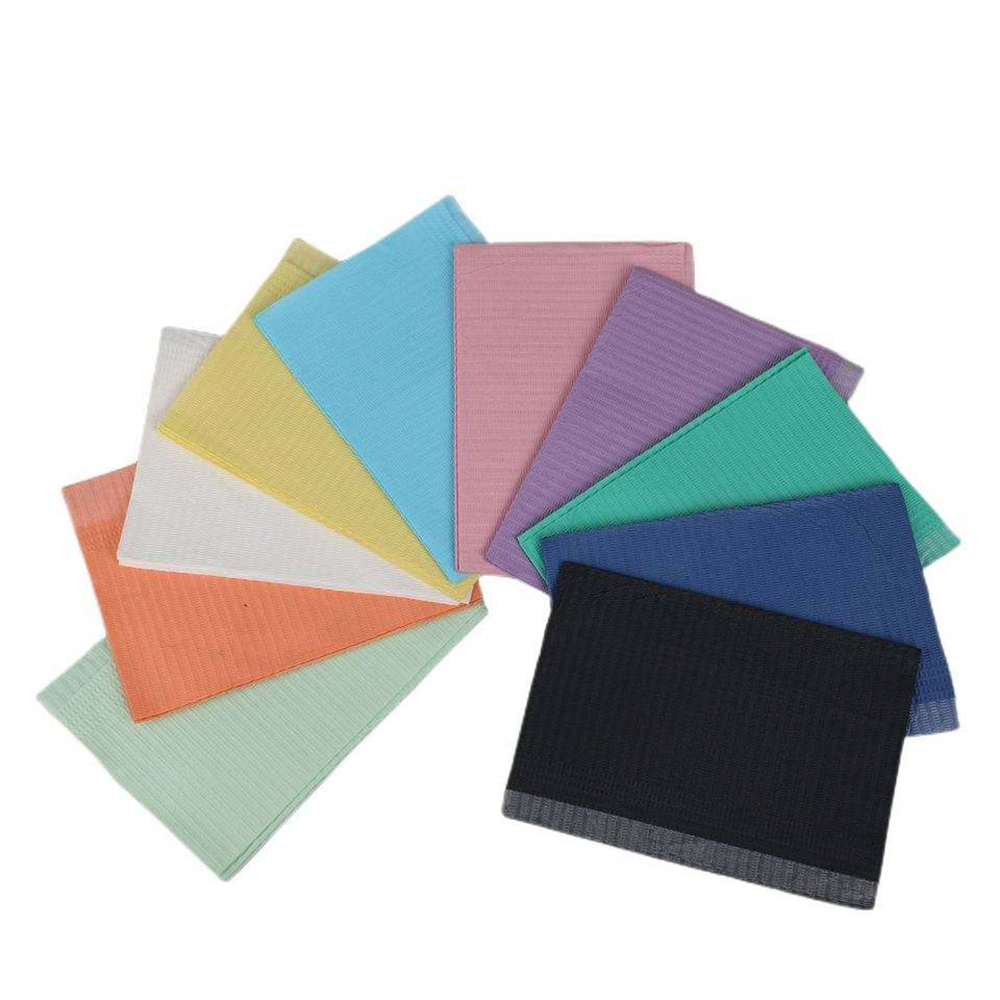
  • An embossed surface that may help distribute moisture and support absorption
  • Compatibility with bib clips, chains, or adhesive tabs
  • A soft-facing option that may support patient comfort
  • An easy to use, single-appointment format that avoids handling cloth bibs

These benefits support protection and comfort, but performance depends on verified construction and correct placement.

Disposable Dental Bibs

How Do Absorbent Paper Bibs and Waterproof Backing Work?

The paper surface collects light fluids and debris; the plastic barrier helps keep absorbed moisture from passing through. Common dental paper construction pairs tissue and poly, but the exact material and ply vary by product.

“Poly” describes a plastic barrier and may refer to polyethylene; confirm the manufacturer’s specification rather than assuming. Before publishing or ordering, verify [INSERT VERIFIED MATERIAL], [INSERT VERIFIED PLY], and [INSERT VERIFIED CERTIFICATION]. Do not describe paper bibs as highly absorbent, 2-ply, 3 ply, or waterproof dentist bibs without supporting product data.

Where Are Disposable Patient Bibs Used?

They are primarily used in a dental practice or clinic during examinations, cleanings, restorative care, and other procedures involving light fluid or debris. Similar formats may be selected as tattoo bibs or used in salons, medical clinics, and other healthcare settings when their size, construction, and intended use are suitable.

A patient bib is a garment-covering aid, not a sterile drape or a replacement for required personal protective equipment, surface barriers, or clinical protocols.

Which Size and Packaging Options Fit Your Clinic?

Choose coverage and pack configuration around patient fit, storage space, operatory turnover, and purchasing volume.

For high-volume purchasing, compare units per inner pack, packs per case, total units, case dimensions, and reorder cadence. Never convert labels such as “pack of 125,” “50 pack,” “500 count,” or “case of 500” into a product claim until the SKU data is verified.

How Do You Choose the Right Dentist Bibs?

Start with the procedure, expected moisture, required coverage, and attachment method. Then compare each supplier listing on the same verified criteria:

  1. Construction: paper weight, poly barrier, embossing, and confirmed ply
  2. Coverage: width, length, shape, and placement on the patient
  3. Attachment: compatibility with your existing holders or adhesive format
  4. Supply: pack quantity, case quantity, storage needs, and unit cost
  5. Documentation: intended use, manufacturer instructions, and applicable certification

Do not assume a product is biodegradable, eco-friendly, reusable, or suited to a specific procedure. Use claims such as biodegradable options only when supplier evidence supports them.

Disposable Dental Bibs

How Should Disposable Dental Bibs Support Hygiene and Disposal?

Use each single-use sheet for one patient during one procedure, then discard it appropriately. This hygienic workflow reduces reuse and reprocessing, but a bib alone does not prevent infection, eliminate contamination, or guarantee patient safety.

Follow the manufacturer’s instructions, facility policy, and federal, state, and local waste rules. CDC guidance says most single-use items in dental settings may enter regular trash, while items saturated with blood or saliva may require regulated-medical-waste handling.

Handle and discard the used sheet in the designated receptacle, then complete hand hygiene when required by facility protocol.