

Lab Coats : Science, Clinical & Research
A lab coat is an outer garment worn over clothing in laboratory, clinical, and research settings. This page helps you compare options by protection, comfort, fabric, care, and workplace appearance so you can choose for the work you actually do. Explore reusable, disposable, women’s, and specialty options for science and other workplace needs, then Shop Lab Coats with your organization’s requirements in mind.
What Is a Lab Coat Used For?
A lab coat provides a removable barrier between work activities and personal clothing, but it is not universal PPE. Depending on material and construction, it can help reduce contact with certain splashes, spills, contamination, dirt, or contaminated surfaces. OSHA says protective clothing should be matched to the hazard, and Stanford notes that laboratory coats can reduce some dermal exposure from chemical or biological splashes.
For a scientist or technician, the coat is one part of a broader safety system. A white coat may also support a recognizable workplace appearance. Gloves, safety eyewear, ventilation, safe procedures, and other controls may still be required.


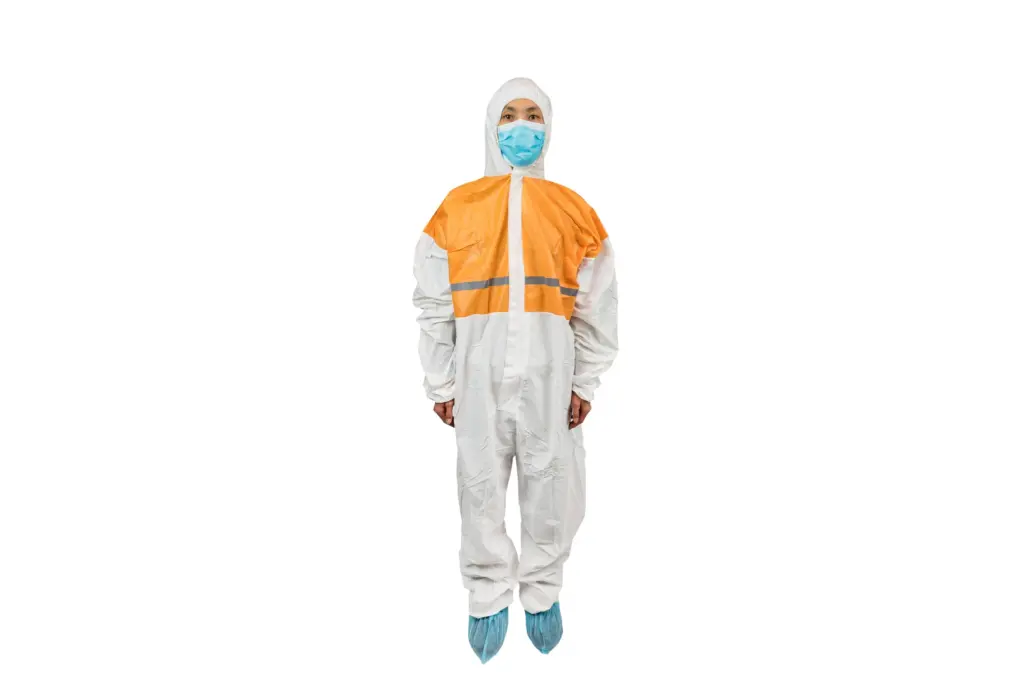
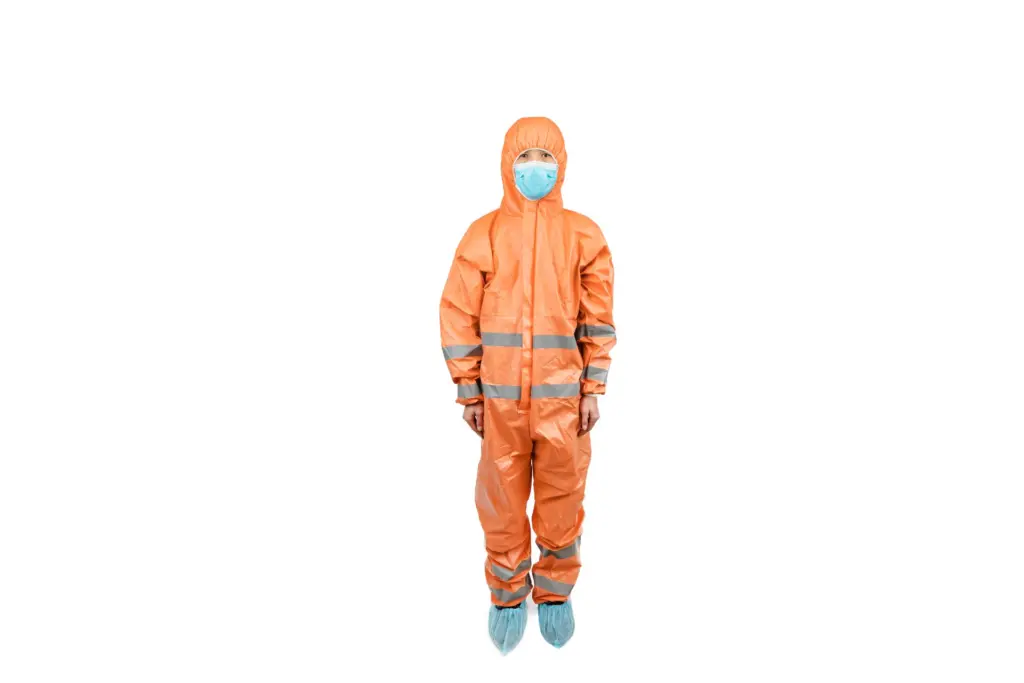
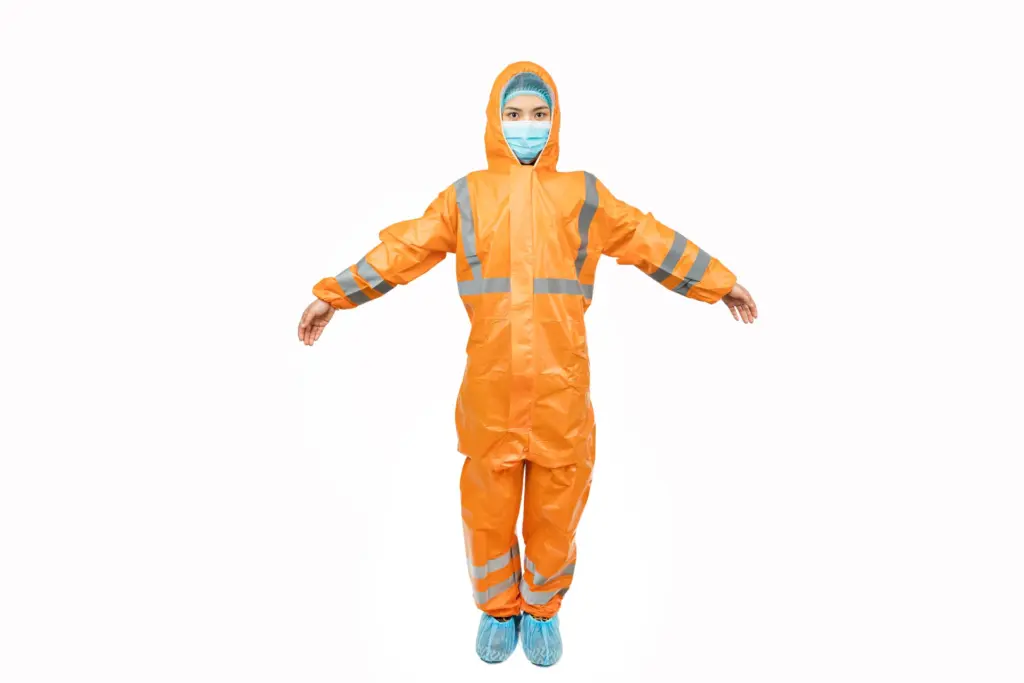
How Does a Chemistry Coat Differ From a Medical Lab Coat?
For chemical laboratory work, garment selection centers on chemical, thermal, contamination, and task-specific hazards. A professional medical jacket for a doctor or other patient-facing role may emphasize mobility, easy care, pocket access, and a polished uniform appearance.
A white lab coat worn with scrub clothing may prioritize mobility and clean styling. Those features do not automatically make it suitable for chemical hazards. Healthcare professionals should follow workplace PPE rules, while laboratory users should follow the hazard assessment and garment requirements for the procedure.
How Should Hazards and Wearability Shape Your Choice?
Start with the hazard assessment, then judge how the garment feels during real work. A comfortable coat can support consistent wear while still meeting workplace requirements.
Consider chemical or biological exposure, heat, splash potential, breathability, sleeve coverage, closure security, and laundering. A breathable, soft material can matter during long shifts, but required performance comes first. OSHA also says PPE should sit comfortably enough to encourage proper use.
For routine workwear, consider resistance to repeated washing, expected service life, and whether a facility requires employer-managed laundering.
Which Reusable, Disposable, and Specialty Lab Coats Suit Different Jobs?
Reusable and single-use coats solve different hygiene and wear needs. A cotton lab option or durable blend can suit repeated use when the workplace permits laundering; a disposable coat can suit designated single-use or contamination-control workflows.
- Reusable: repeated wear and machine washable materials when permitted.
- Disposable: practical for defined single-use situations.
- Specialty: a flame-resistant lab coat may be appropriate or required where significant flame or flash-fire hazards exist.
Ordinary 100% cotton is not automatically an FR garment. Cotton generally does not melt like many synthetics, but the required garment should be chosen for the actual hazard.

How Should Hazards and Wearability Shape Your Choice?
Start with the hazard assessment, then judge how the garment feels during real work. A comfortable coat can support consistent wear while still meeting workplace requirements.
Consider chemical or biological exposure, heat, splash potential, breathability, sleeve coverage, closure security, and laundering. A breathable, soft material can matter during long shifts, but required performance comes first. OSHA also says PPE should sit comfortably enough to encourage proper use.
For routine workwear, consider resistance to repeated washing, expected service life, and whether a facility requires employer-managed laundering.
What Should a Woman Look for in a Well-Cut Lab Coat?
Women’s lab coats can provide workplace coverage without unnecessary volume or restricted movement. A modern fit may add shaping through the waist, while a slim fit should still allow easy shoulder and arm movement.
A tailored women’s design may use an expertly tailored silhouette, classic lines, a back belt, side vent, or subtle seam detail. A tailor-inspired cut can add style without sacrificing movement. Check the size chart rather than assuming fashion sizing will translate directly. For a stylish result, focus on clean proportions and practical mobility. Explore Women’s Styles to compare length and cut.
Which Features Improve Day-to-Day Functionality?
Useful details should support the task. A snap-front closure can be quick to open; buttons offer a traditional alternative. Cuffs may help control sleeves in certain environments, and reinforced construction can support repeated wear.
Look for a functional layout that keeps tools accessible without excessive volume. Side vents can improve mobility, and carefully placed stretch panels can make reaching easier. A notch-lapel treatment can create a familiar silhouette, but closure type and coverage should still suit the working environment.


Frequently Asked Questions
What is a lab coat used for?
A lab coat helps protect clothing and skin from certain splashes, spills, and contaminated surfaces in laboratory environments.
Are all lab coats the same?
No. Lab coats vary in material, design, fit, and protection, so the right option depends on the workplace and potential hazards.
How should a lab coat fit?
A lab coat should fit comfortably and allow normal movement while providing appropriate coverage for the work being performed.
Do I need a flame-resistant lab coat?
A flame-resistant lab coat may be needed when working with significant flammability hazards, such as certain flammable liquids or pyrophoric materials.
How do I choose the right lab coat?
Consider your work environment, potential hazards, material, fit, comfort, and your laboratory or workplace PPE requirements.