Disposable Beard Covers & Breathable Beard Nets

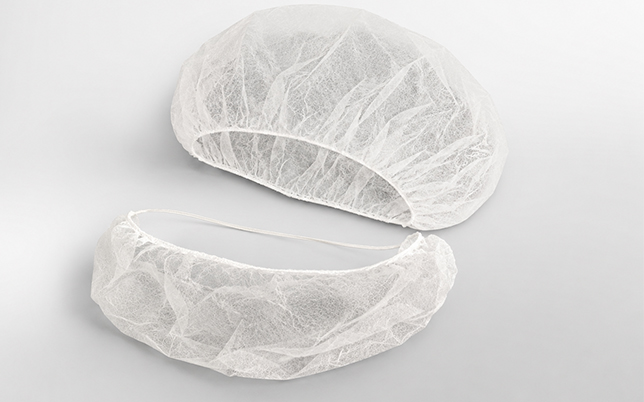
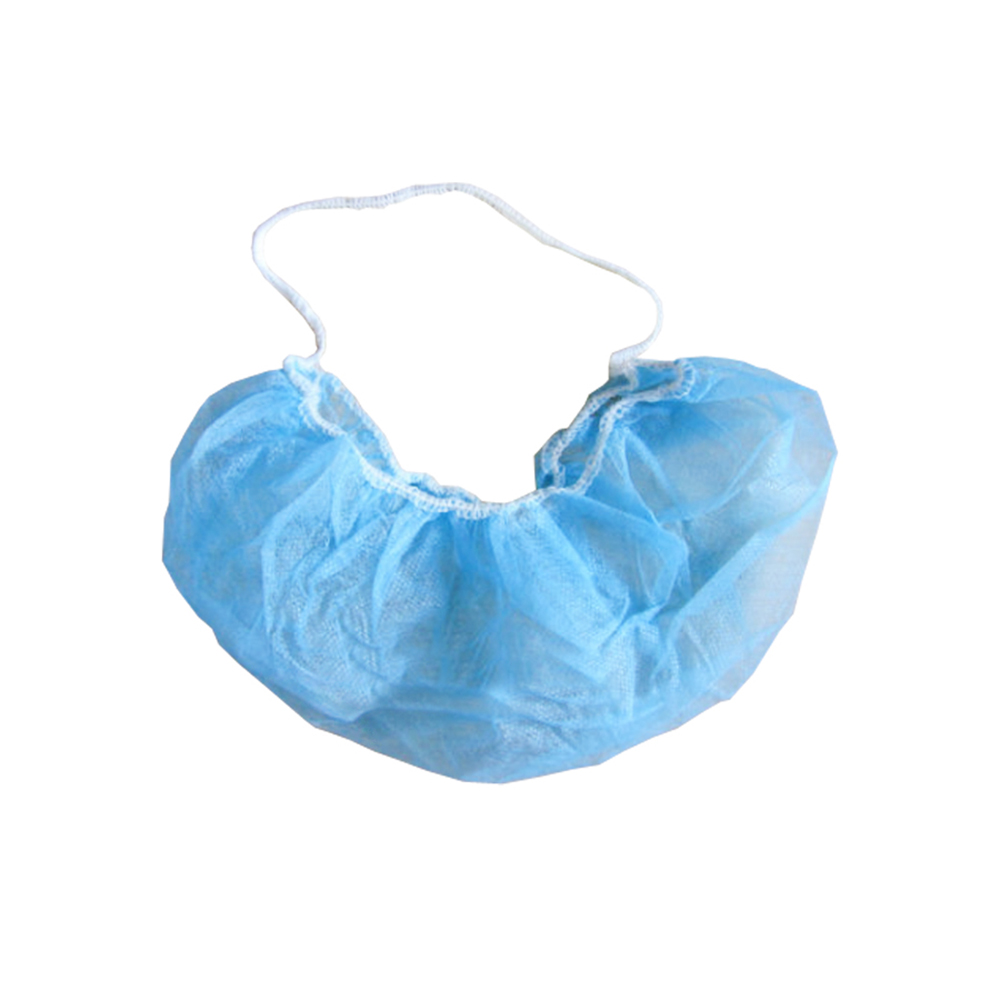
Disposable beard covers are lightweight, single-use sanitary coverings designed to contain facial hair in hygiene-sensitive and controlled work areas. Low-bulk construction, simple retention and easy single-use handling can make them practical for daily wear in food processing, commercial kitchens, pharmaceutical production, labs, cleanrooms, healthcare and industrial settings. Compare material, sizing and packaging options to select the right item for your facility.

What Is a Disposable Beard Cover?

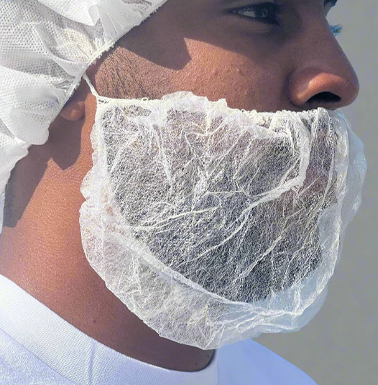
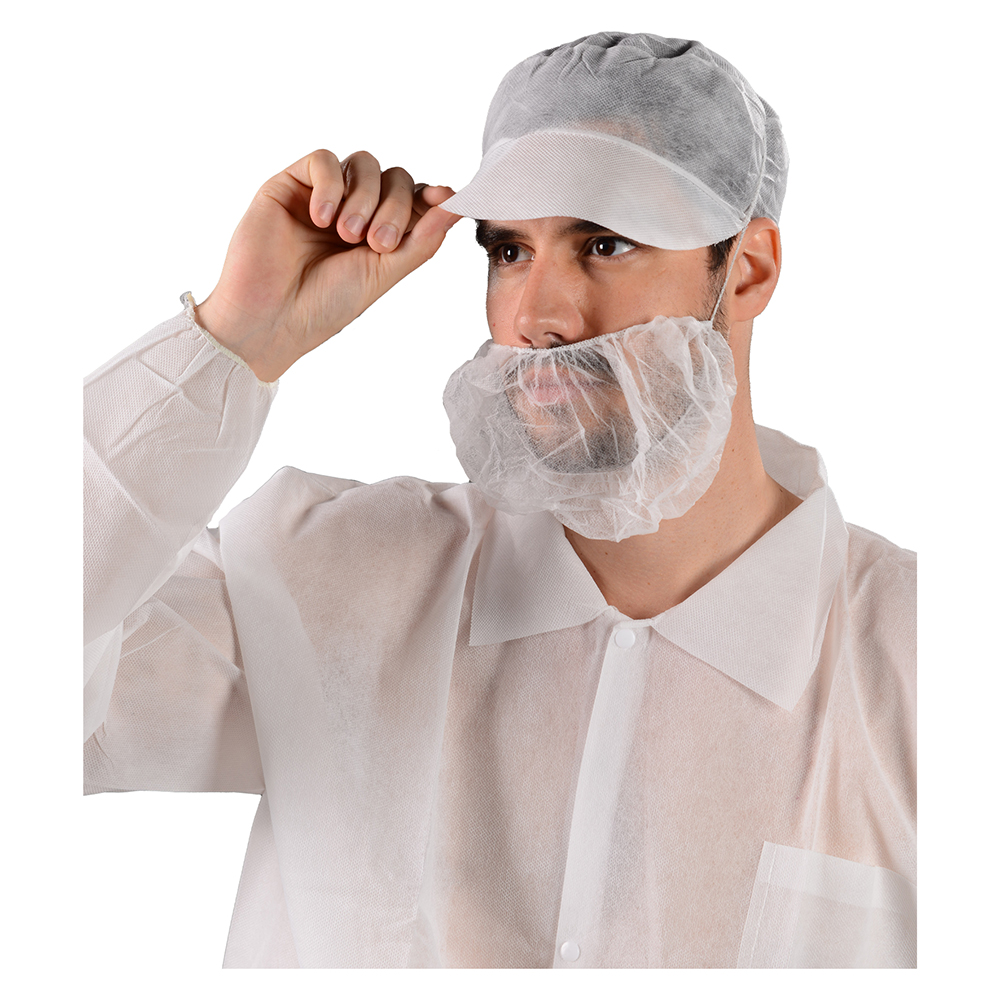
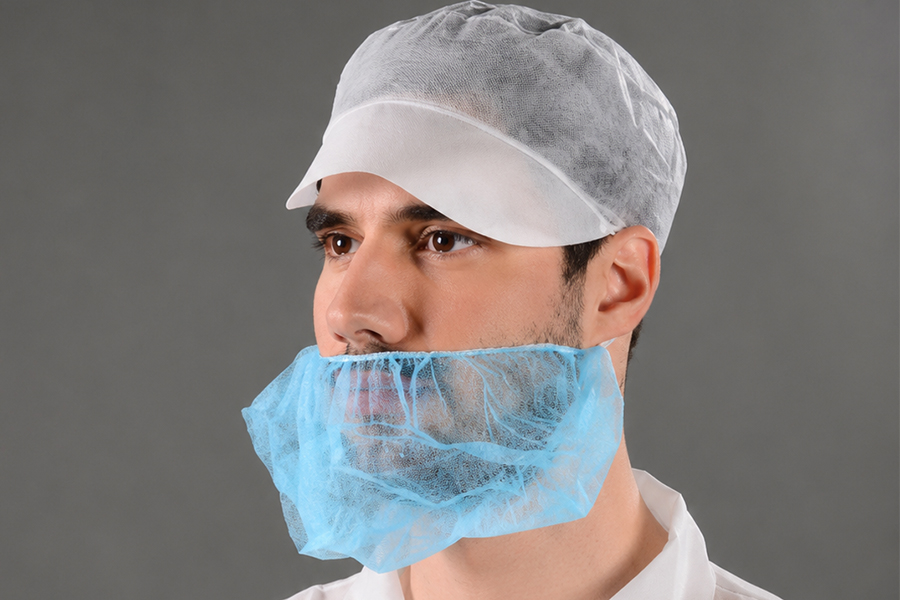
A beard cover is a facial hair restraint that helps contain moustaches, whiskers and other loose growth around the lower face. Its purpose is to reduce the chance of stray strands entering exposed products or controlled work areas.

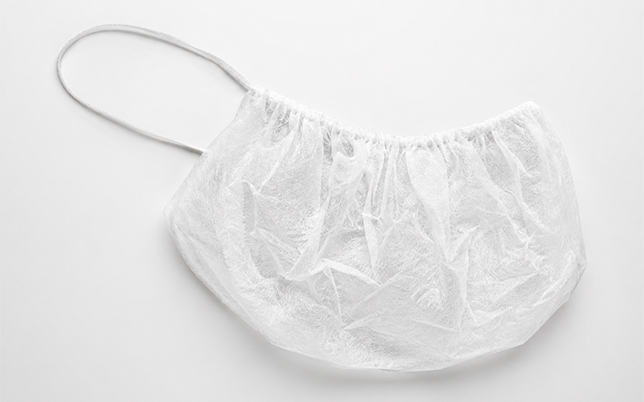
Most styles are intended for single use and stay in place with an elastic band, ear loops or another retaining design. Selection should reflect growth length, required containment and your workplace procedures.

Disposable Beard Covers

Which Materials and Features Should Buyers Compare?

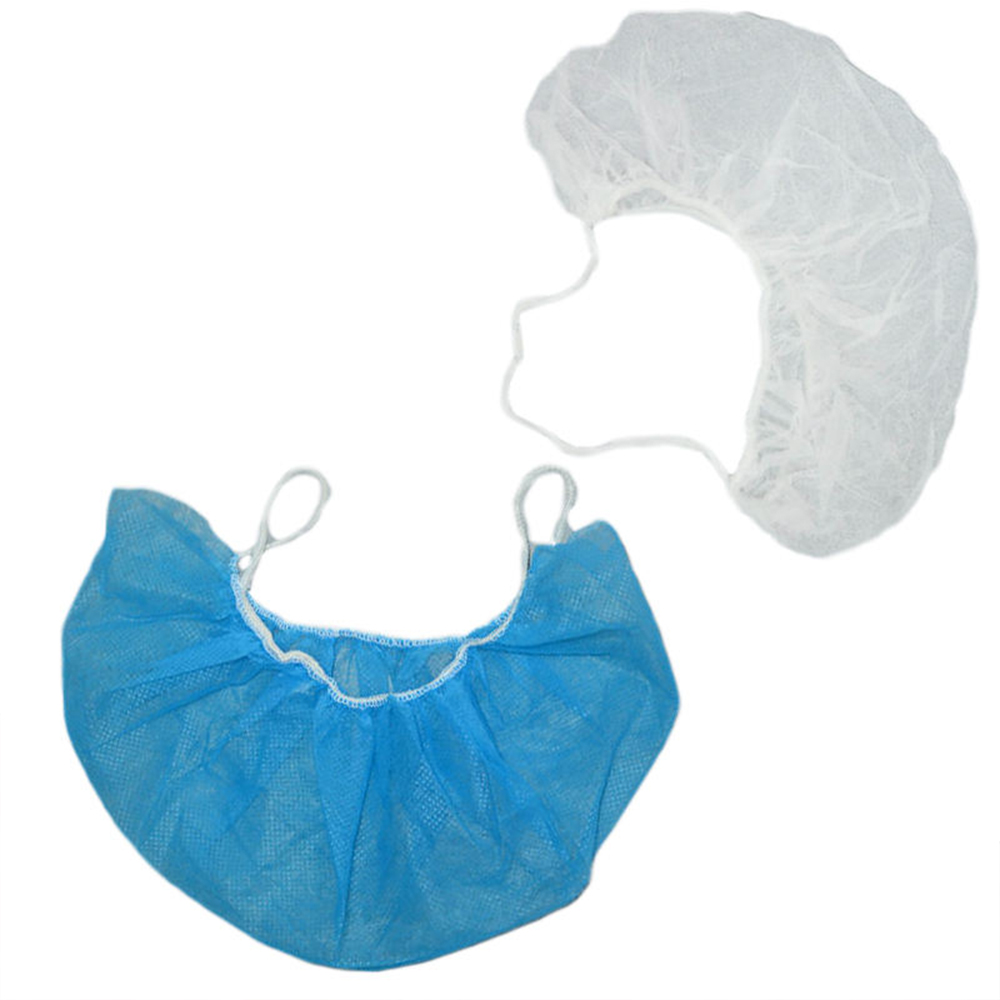
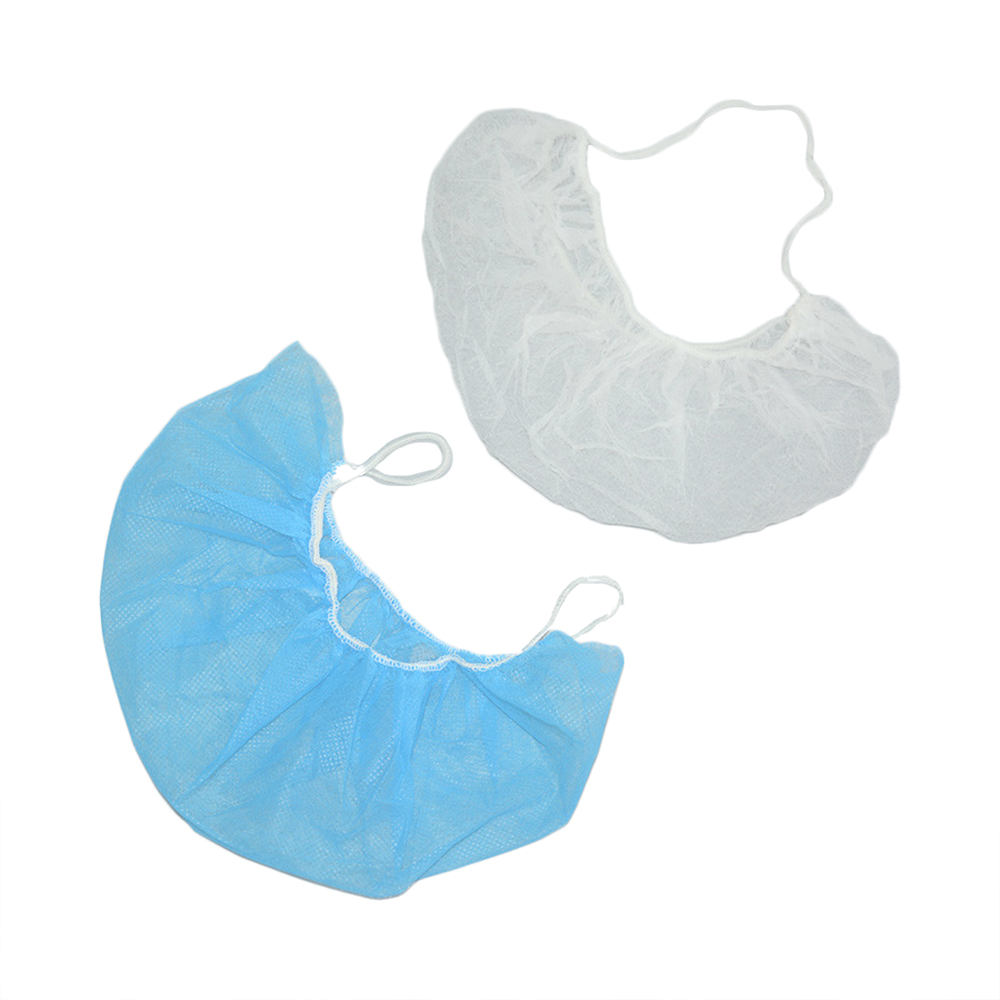
Common choices may include a breathable polypropylene beard cover made from non-woven fabric, or nylon mesh and honeycomb constructions. The non-woven style can suit high-volume applications where economical disposal is preferred, while an open mesh construction may feel airier during extended wear. Available options may include latex-free securing components, white or brown colors and different loop styles. Confirm any latex-free claim, color, size and material with the supplier because specifications vary by product.

How Do Hair Restraints Support Food Safety and Hygiene?

These restraints help keep loose strands contained so they are less likely to contact exposed ingredients, finished products, equipment or clean work areas. They typically form one part of a broader hygiene program that can also include handwashing, clean garments, gloves, caps and facility sanitation procedures. For U.S. food manufacturing, 21 CFR 117.10 lists beard covers among hair restraints used where appropriate in an effective manner. The FDA Food Code is a model for retail and food service regulation rather than a universal rule, so buyers should confirm the requirements that apply to their location and operation.

Where Are Facial Hair Covers Commonly Used?

Food processing plants may use them around exposed ingredients, production lines and packaging areas. Commercial kitchen and restaurant teams may use them where site policy or applicable rules call for lower-face restraint.

Pharmaceutical production areas, cleanrooms, laboratories, medical and healthcare environments may specify beard protection as part of contamination-control procedures. Industrial workplaces can also use a net in controlled production, inspection or assembly zones.

For fuller hygiene programs, lower-face protection may be paired with a bouffant cap or other head covering.

Disposable Beard Covers

Polypropylene vs. Nylon Honeycomb Nets: Which Fits Your Application?

The nonwoven option is widely used in disposable designs and can suit routine single-use programs. Buyers should compare fabric feel, airflow and retention rather than assuming every style performs the same.

Honeycomb nets use an open mesh structure that can provide a flexible, airy feel. Suitability for a full shift depends on the actual design, retaining band and wearer needs. Review supplier specifications or samples before standardizing either material across your team.

How Should Facial Hair Nets Provide Coverage and Comfort?

A net should contain the growth your facility intends to restrain without riding up, leaving obvious gaps or feeling excessively tight. Users with longer or fuller beards may need greater depth than users with short growth.

Check the securing style as carefully as the fabric. Ear loops are common, but alternative designs may be available. For long shifts, prioritize airflow, secure retention and comfort. The selected cover should also work with other required PPE; separate fit requirements apply to equipment such as a tight-fitting respirator.