Shoe Covers for Indoor and Outdoor Protection

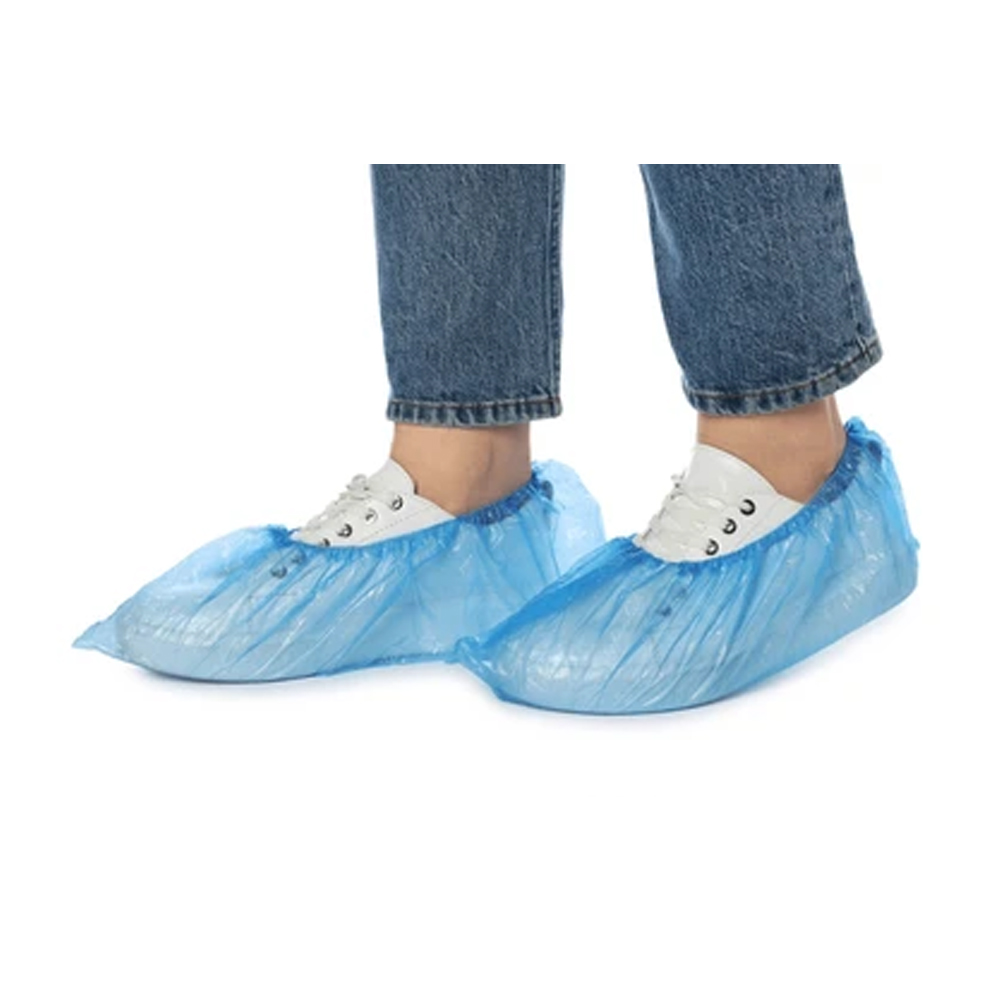
Shoe covers fit over regular footwear to protect it from rain and mud or help keep indoor surfaces cleaner. Repeat-use styles suit wet conditions, while single-use options help reduce dirt, dust, debris, and moisture tracked indoors. The choice depends on setting, fit, material, and required protection.

What Is a Shoe Cover Used For?

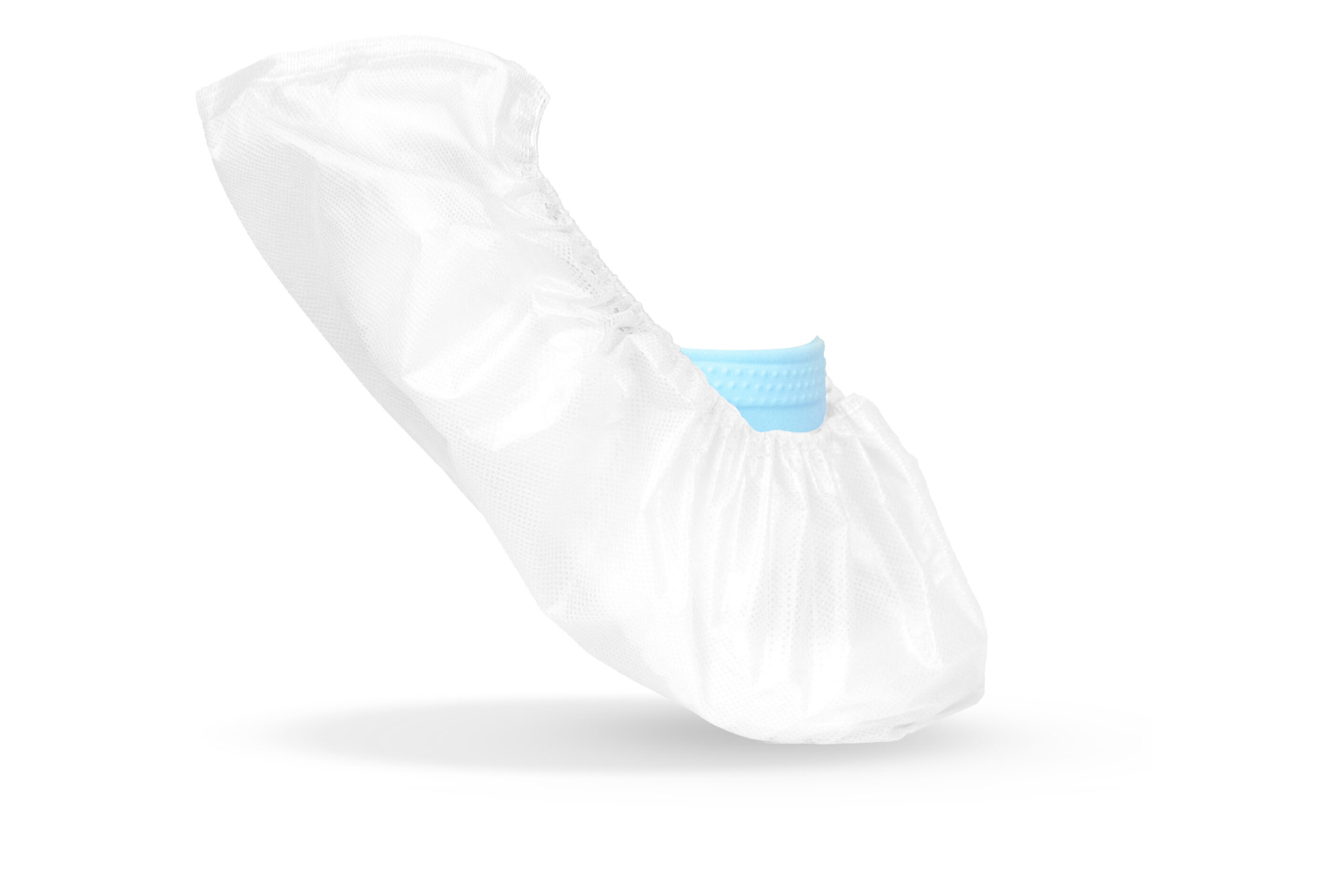
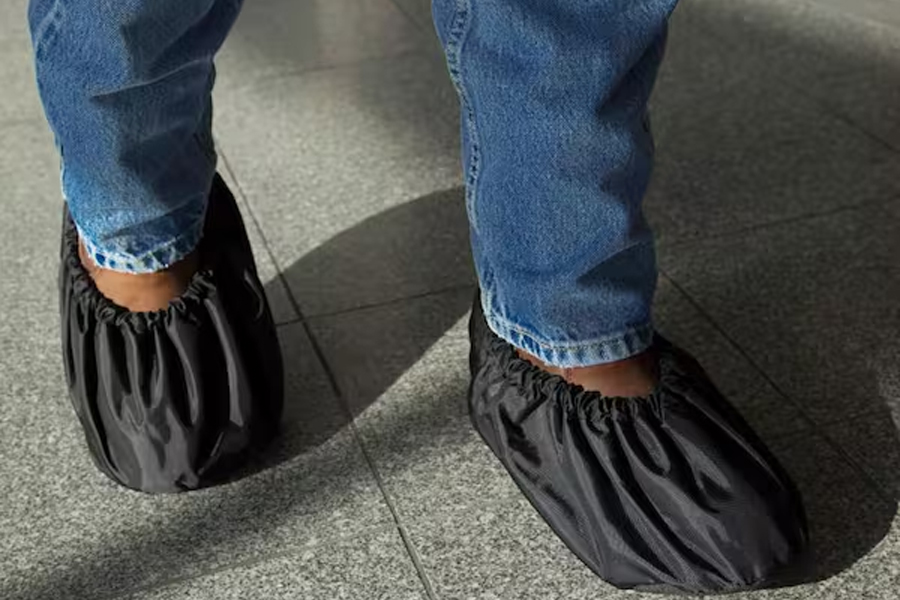
A shoe cover creates a protective barrier over footwear. Outdoor versions help shield footwear from puddles, wet ground, and mess. Indoor versions help keep a floor clean by limiting what visitors or workers track onto carpet, hardwood, or tile.

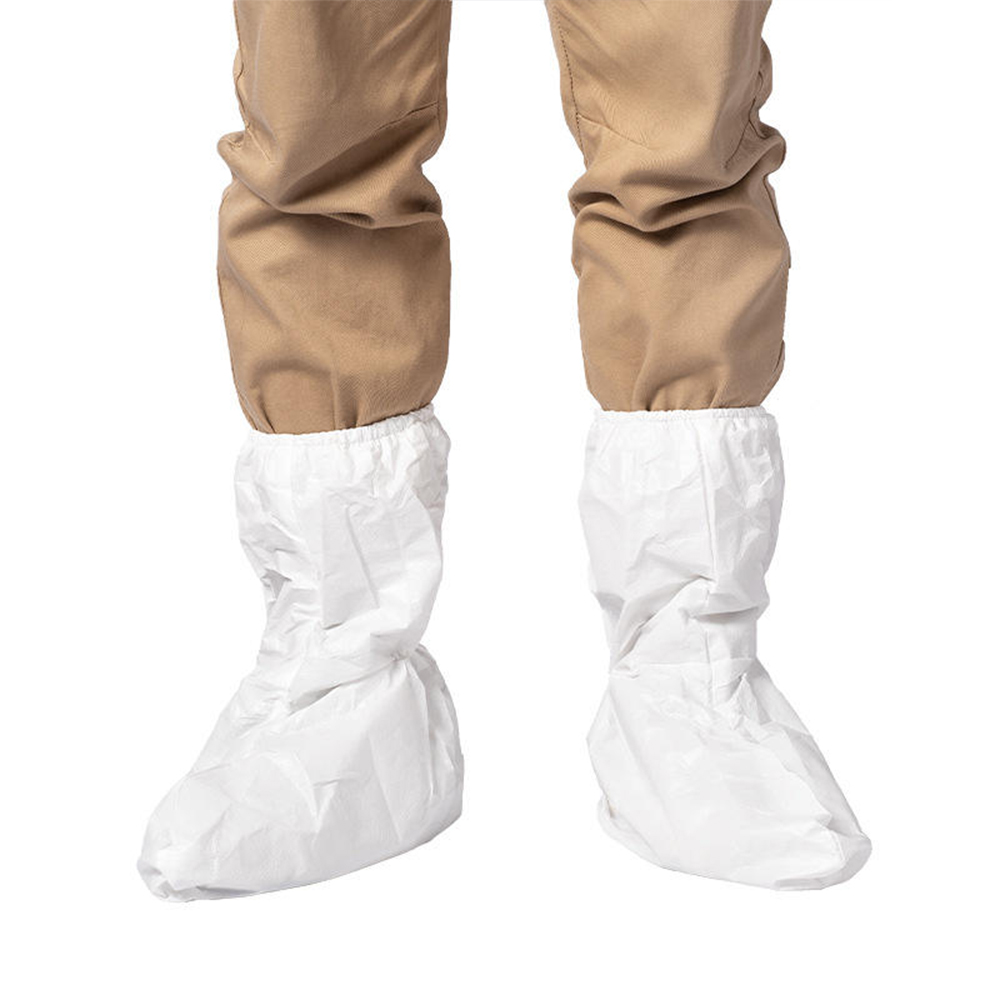
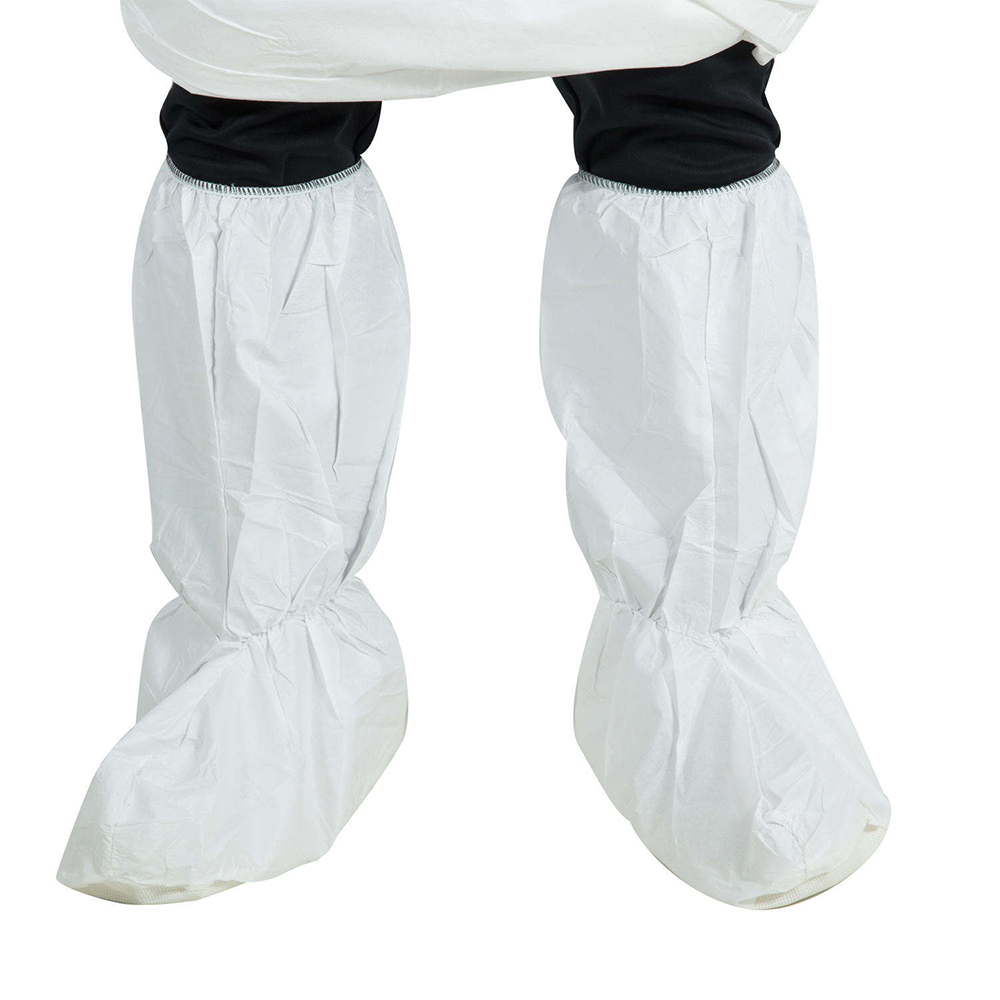
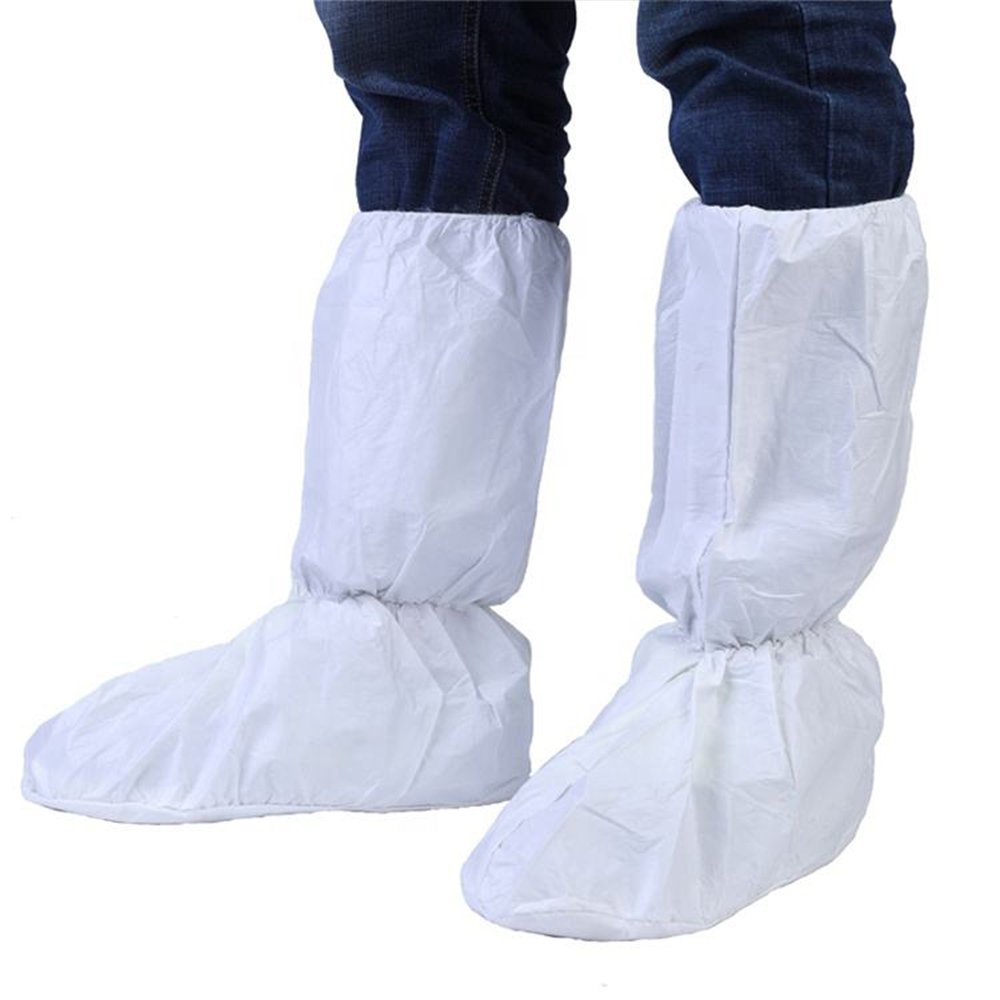
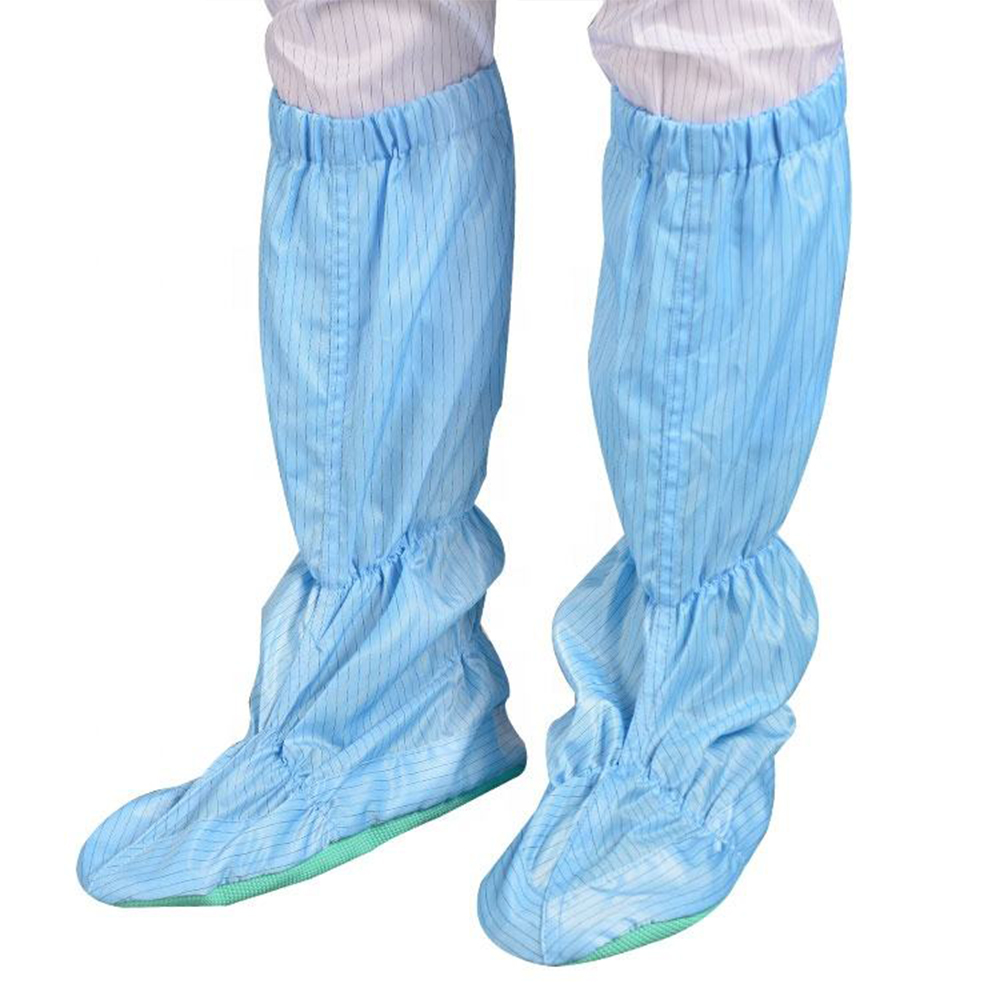
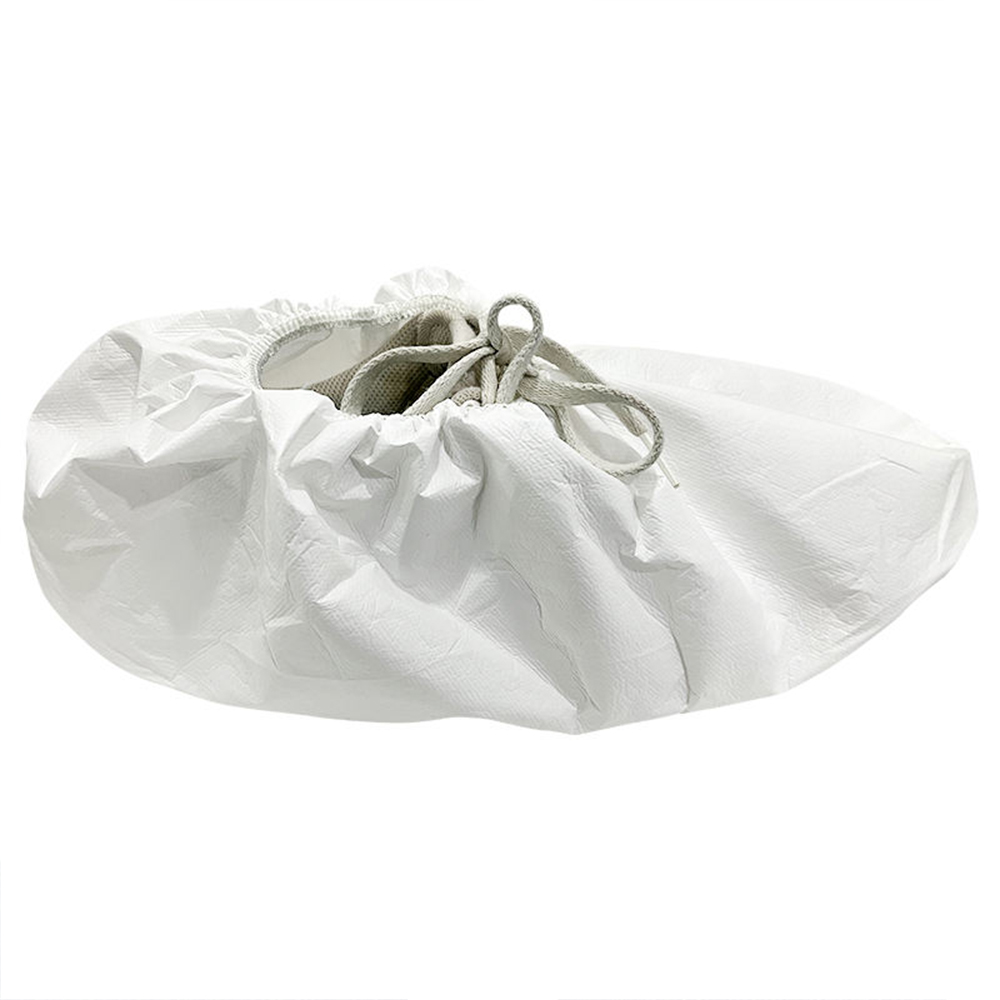
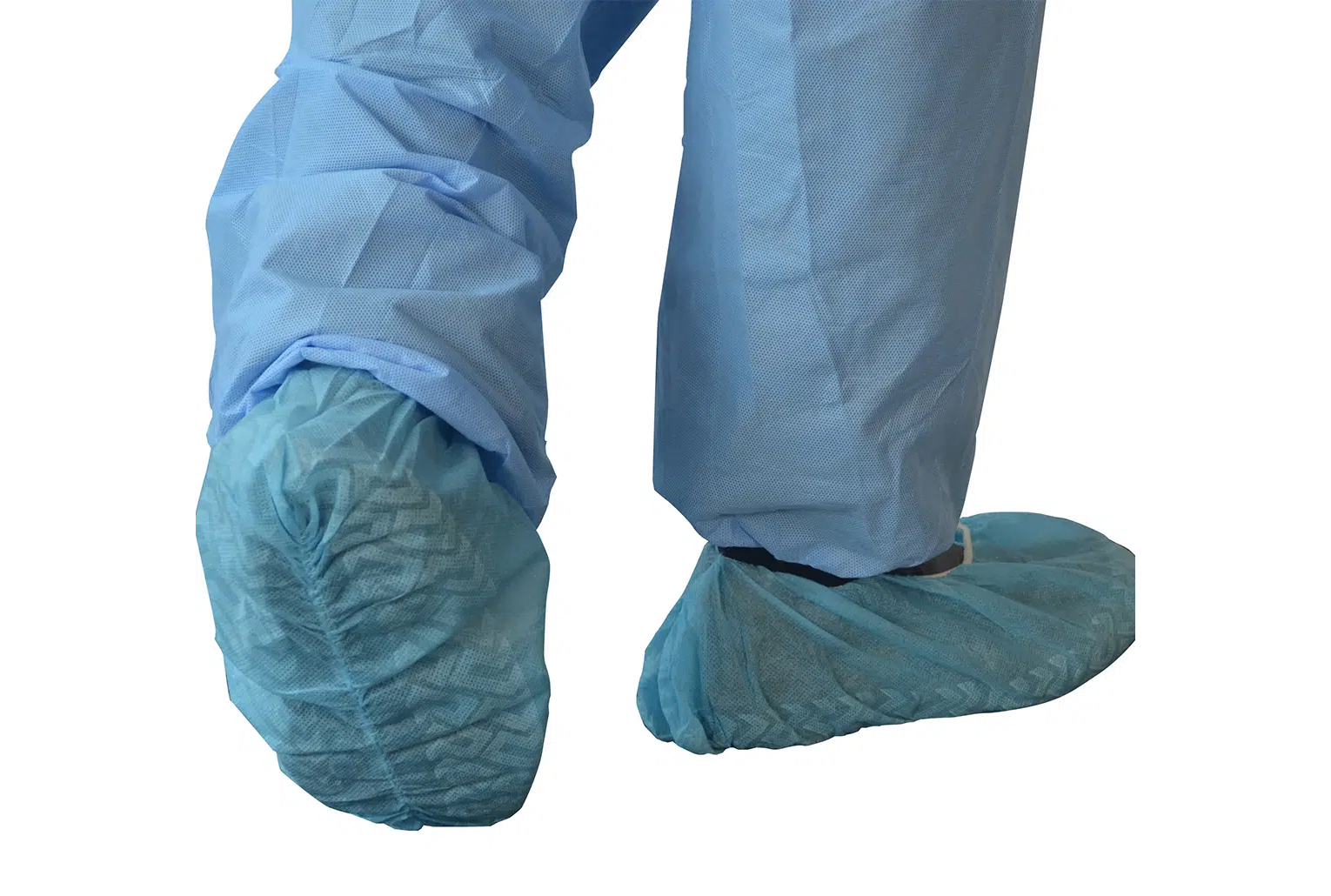
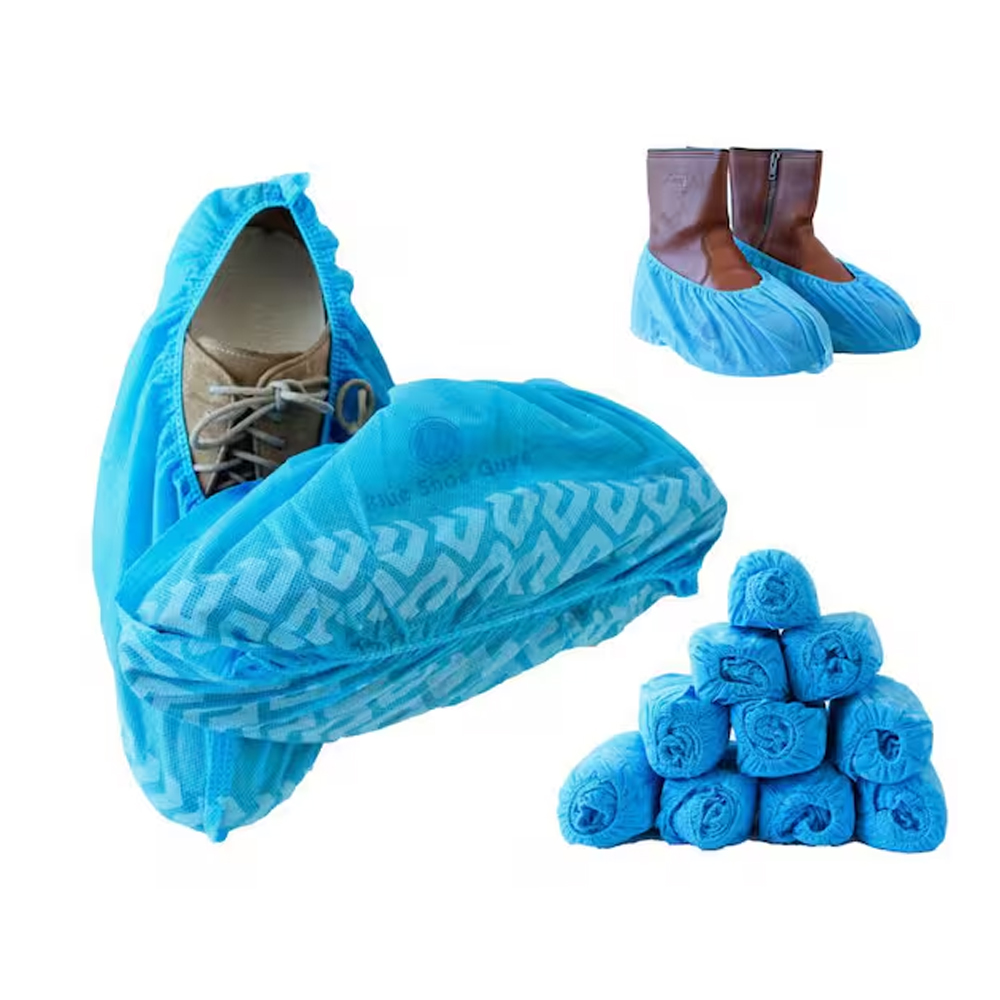
Designs range from an elastic bootie to higher boot covers with a zipper, drawstring, or textured sole. Automatic dispensers can help where many guests need quick coverage.

Shoe Covers
Disposable or Reusable

Disposable or Reusable: Which Option Fits the Job?

Choose single-use products for short-term indoor use and repeat-use products for repeated wear or weather exposure.

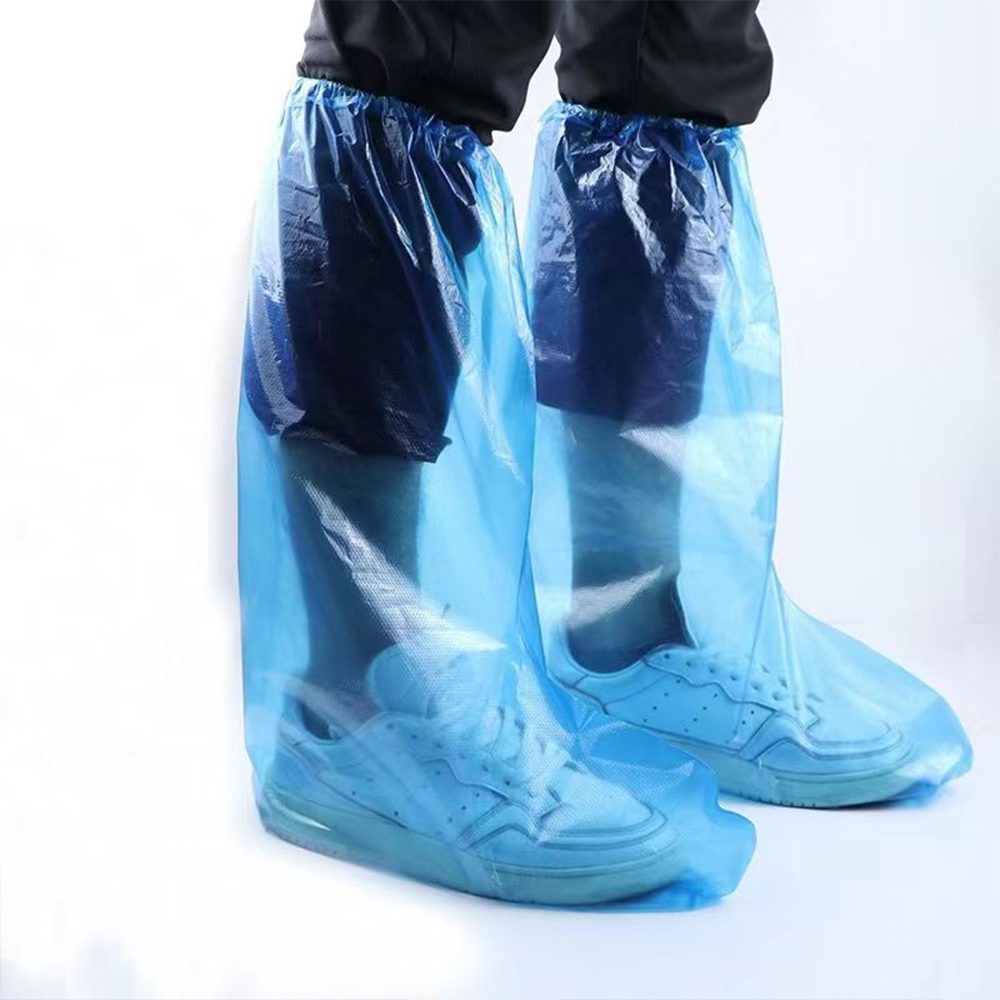
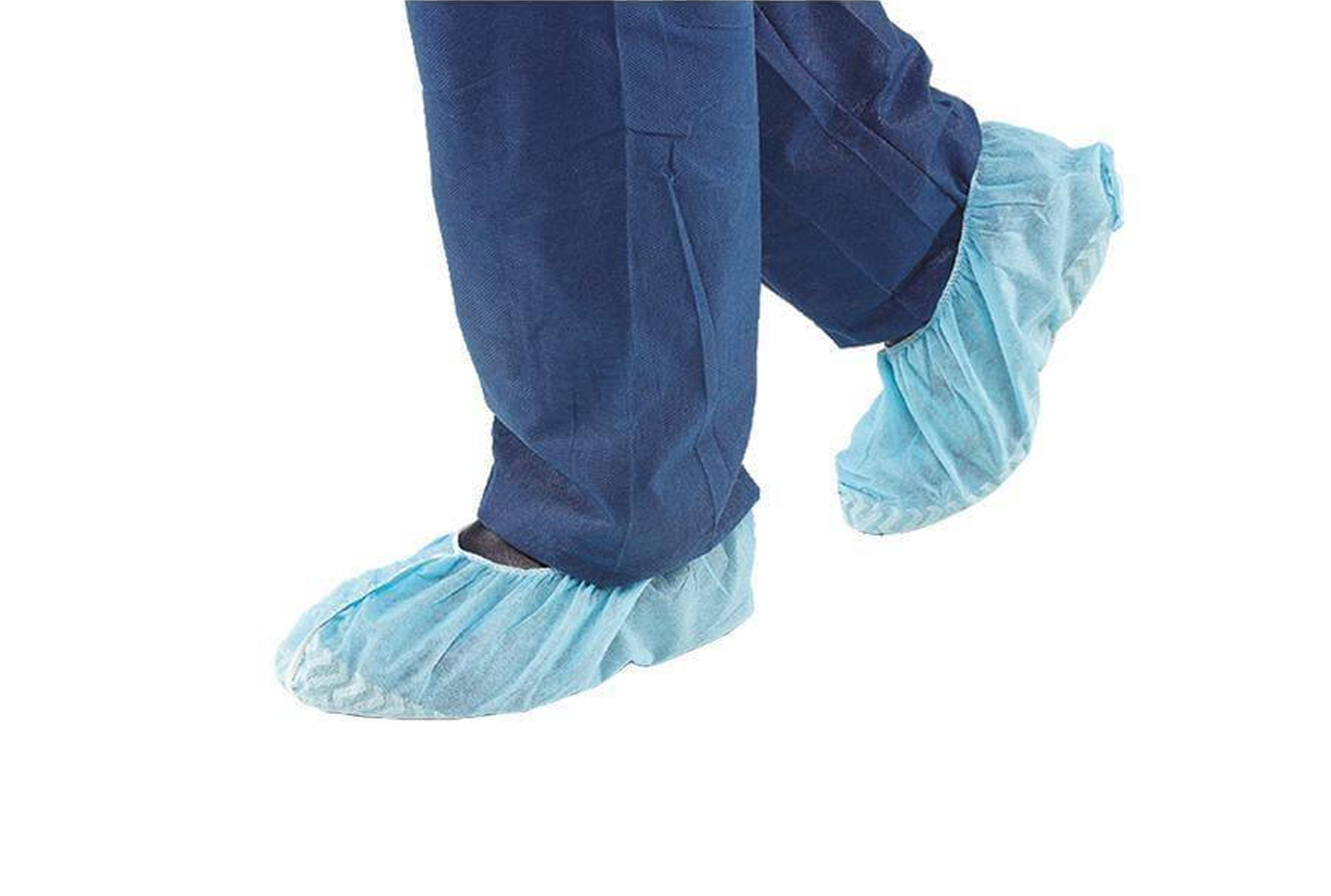
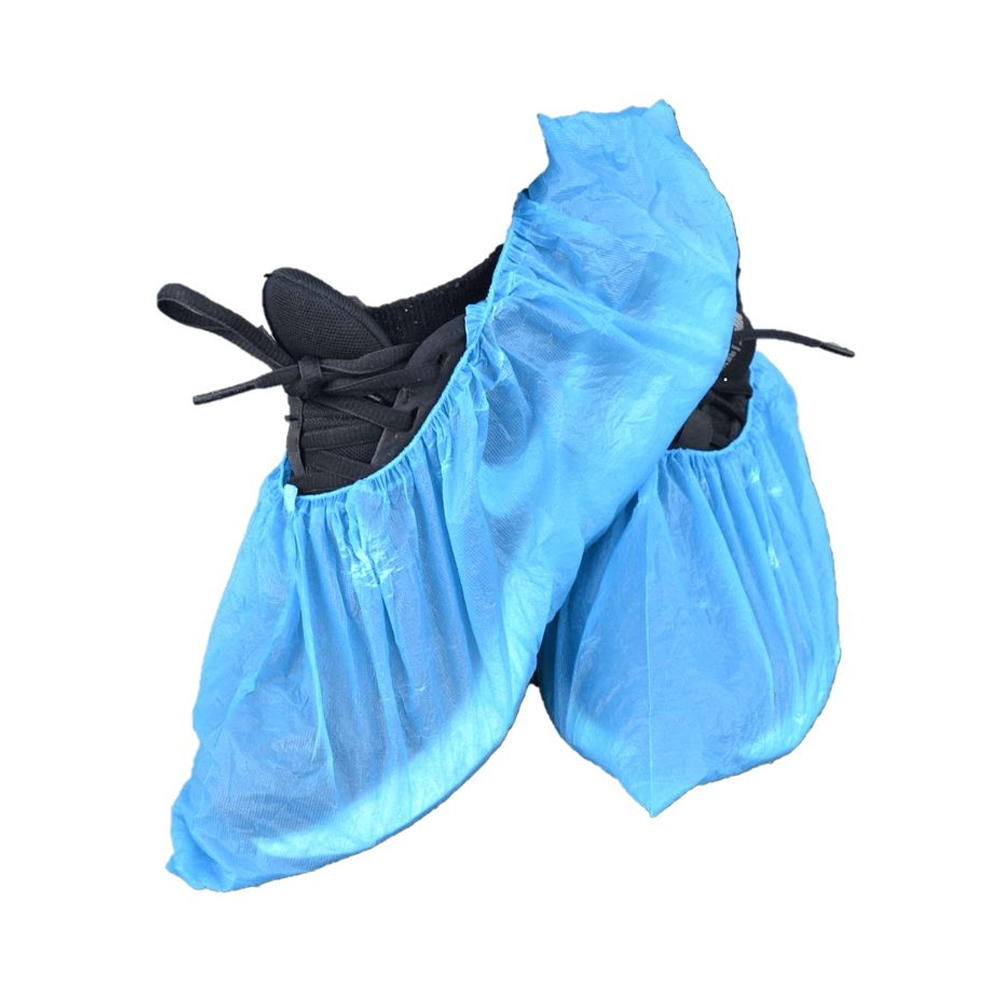
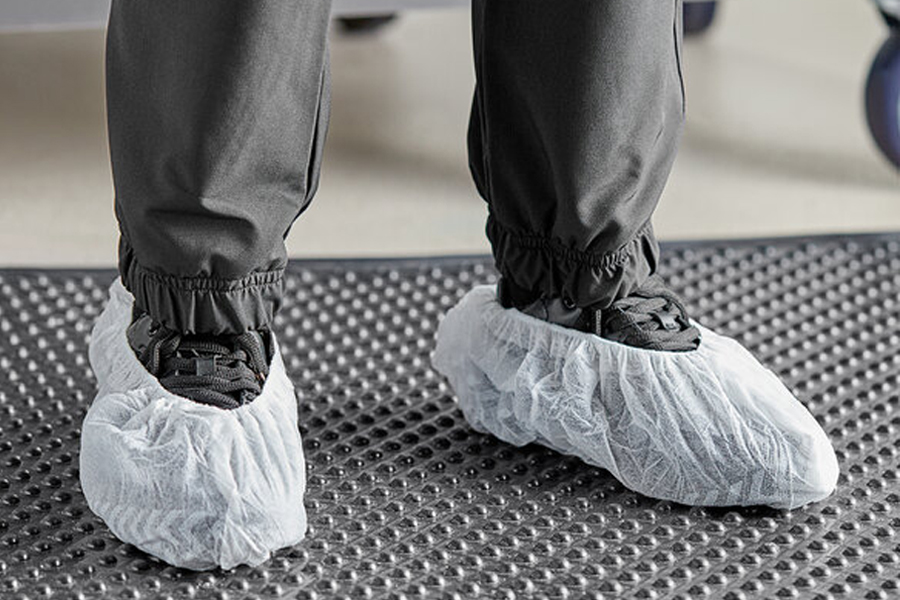
A single-use plastic or non-woven cover can suit a guest visit, real estate showing, cleaning job, workplace entrance, or contractor in a finished interior. Multipacks may be listed as a 100 pack or 100 count.

Rubber rain protection, taller covers, and cycling overshoes are common repeat-use examples. Do not assume every such item is machine washable; check the brand’s care instructions before purchase.

Rain Shoe Covers for Wet Conditions

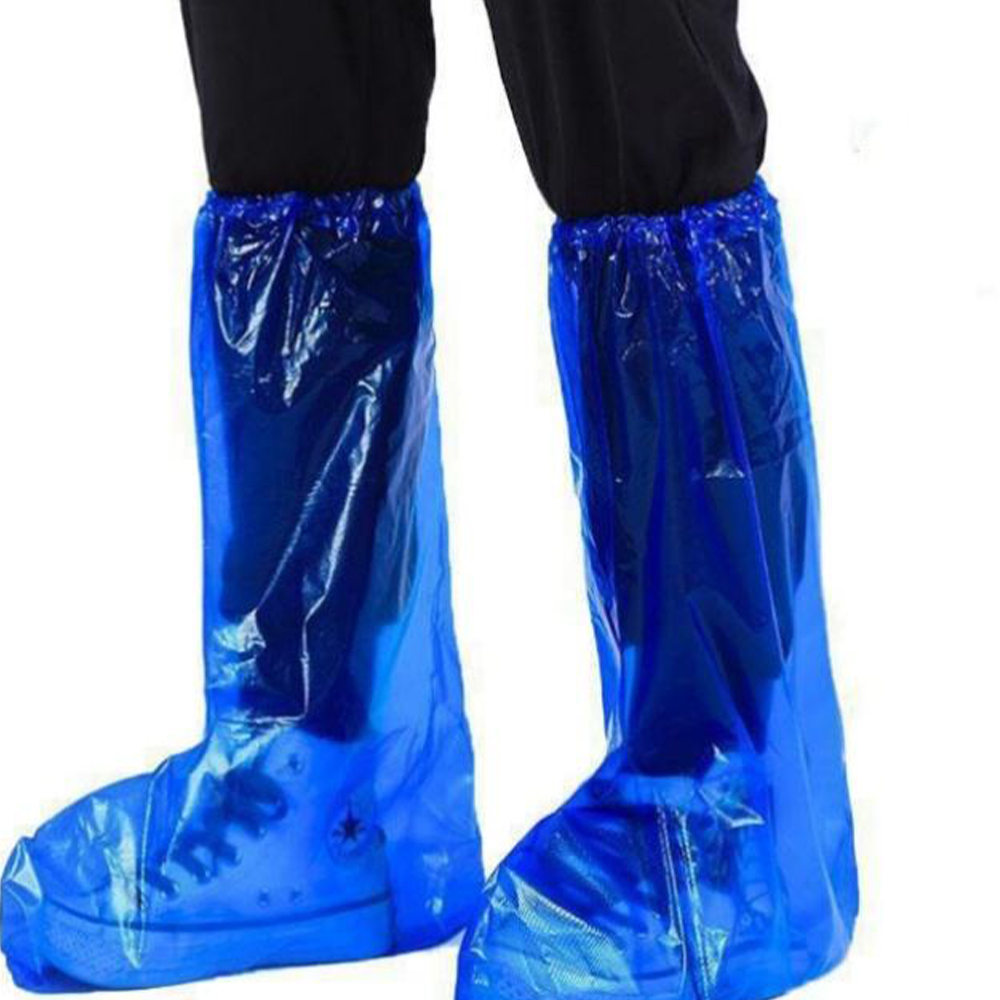
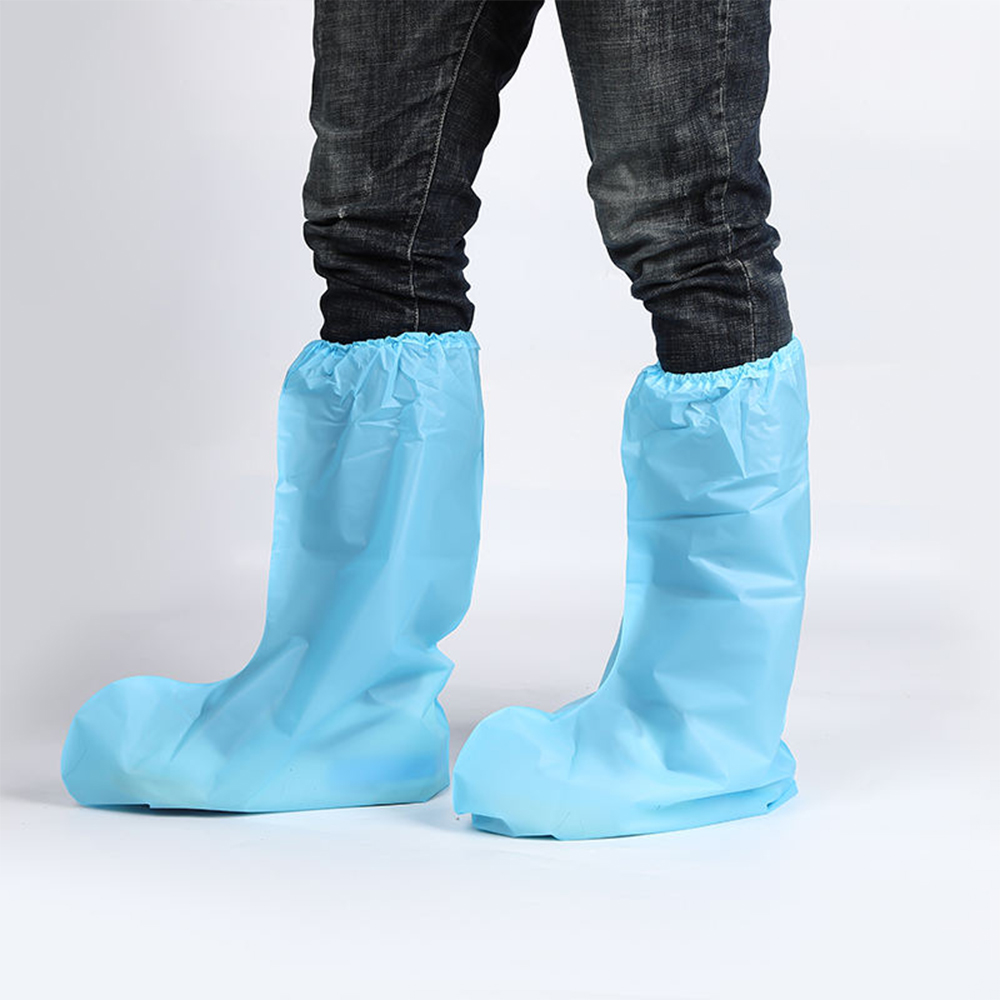
Waterproof shoe covers help keep regular footwear away from rain, puddles, and muddy surfaces. Flexible silicone or rubber can stretch over a sneaker, while higher versions may use PVC or water-resistant fabric with a zipper or drawstring.

Look for a snug fit and useful traction on slippery surfaces. A foldable design is easier to store for commuting or travel. Cycling overshoes fit closely over cycling footwear to help keep shoes dry.

Rain Shoe Covers for Wet Conditions

Non-Slip Indoor Protection for Hardwood, Tile, and Carpet

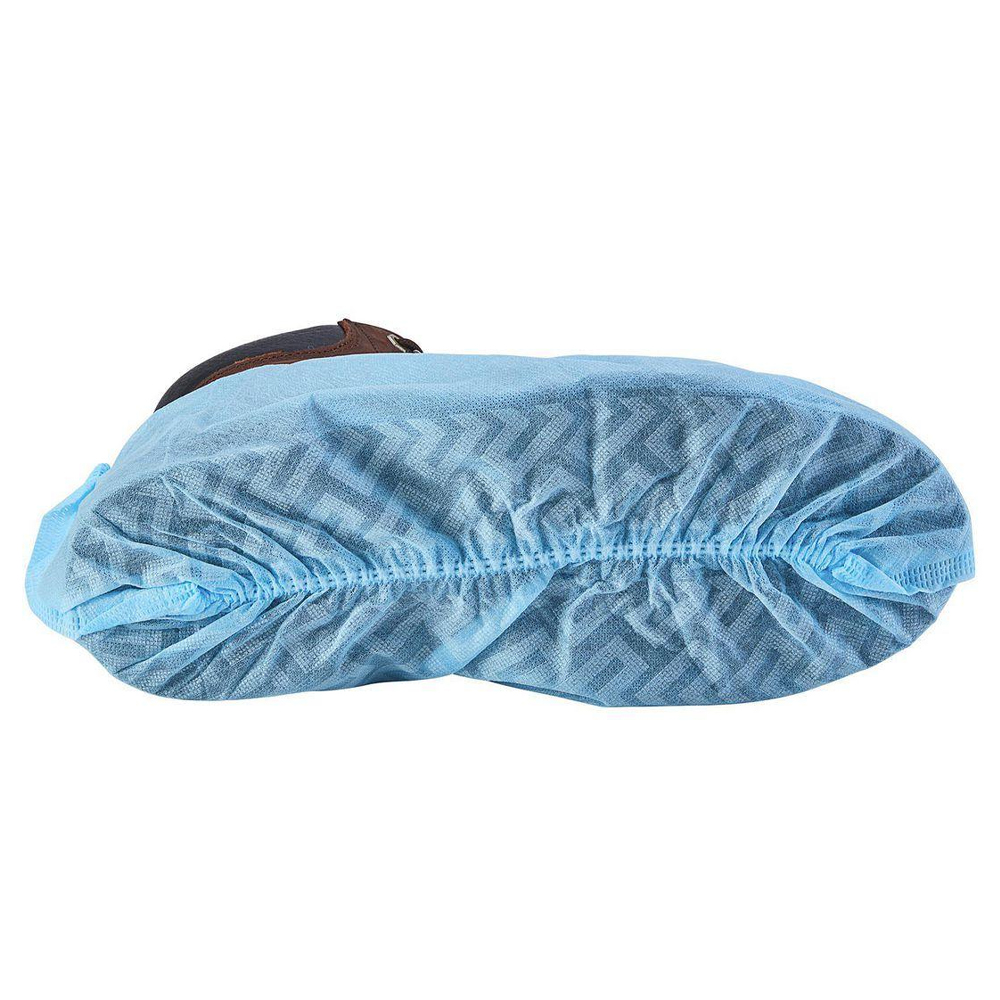
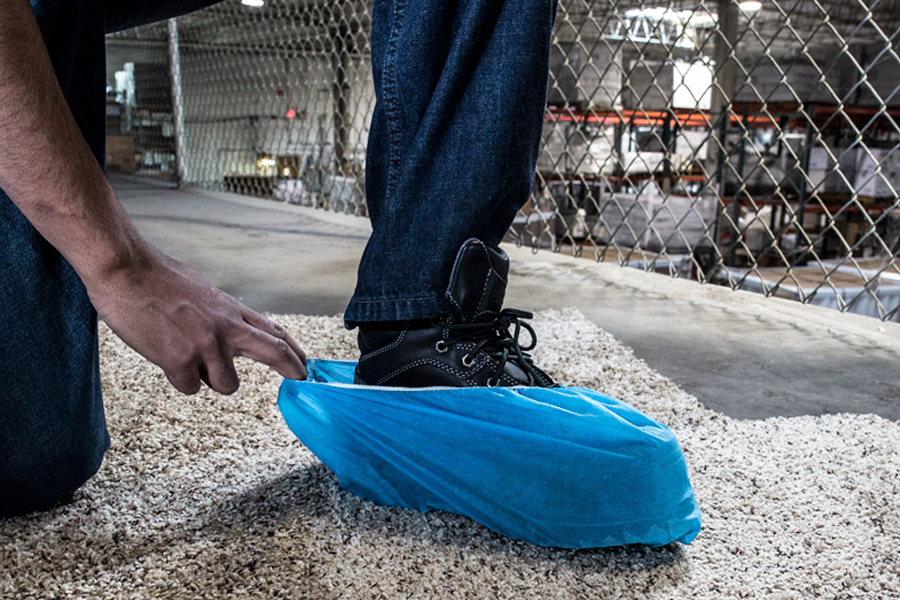
Non-slip disposable shoe covers are useful when indoor cleanliness and footing both matter. PE/CPE plastic offers water resistance, while polypropylene is a breathable non-woven option. An anti-slip or slip-resistant sole can be useful on smooth surfaces. For contractors, cleaners, laboratories, and home visitors, single-use boot covers can help limit dirt carried indoors. Elastic openings make them quick to put on and remove.
How to Choose the Right Fit and Protection

Match the size and construction to the footwear underneath. A cover that is too small may be hard to put on; one that is too loose may shift. Check whether the product comes in various sizes or uses a “one size fits” approach. Outdoors, prioritize coverage and secure closure. Indoors, decide whether basic protection, moisture resistance, or a textured bottom matters most. For heavy-duty shoe use, evaluate construction rather than “premium” or “high-quality” wording.

Where Protective Covers Make Sense

Homes may keep pack disposable options near an entryway for a service worker. Contractors and real estate professionals may use them to reduce grime on finished floors. Workplaces, laboratories, healthcare-related environments, and cleaning situations may use single-use products to reduce transferred dirt.

Repeat-use rain protection suits commuting, gardening, cycling, and other wet-weather activities. For a hike, confirm that the protector fits the footwear and terrain; a basic rain cover is not a substitute for purpose-built outdoor footwear.

When comparing products on Amazon or another marketplace, verify material, fit range, sole design, count, and intended environment. Do not treat a cover as personal protective equipment against a germ or other hazard unless that specific product is designed and documented for that purpose.

Shoe Covers
Shoe Covers

Materials for Protective Boot Covers

Material affects water resistance, breathability, flexibility, durability, and fit.

  • PE/CPE suits light-duty indoor coverage where moisture resistance matters.
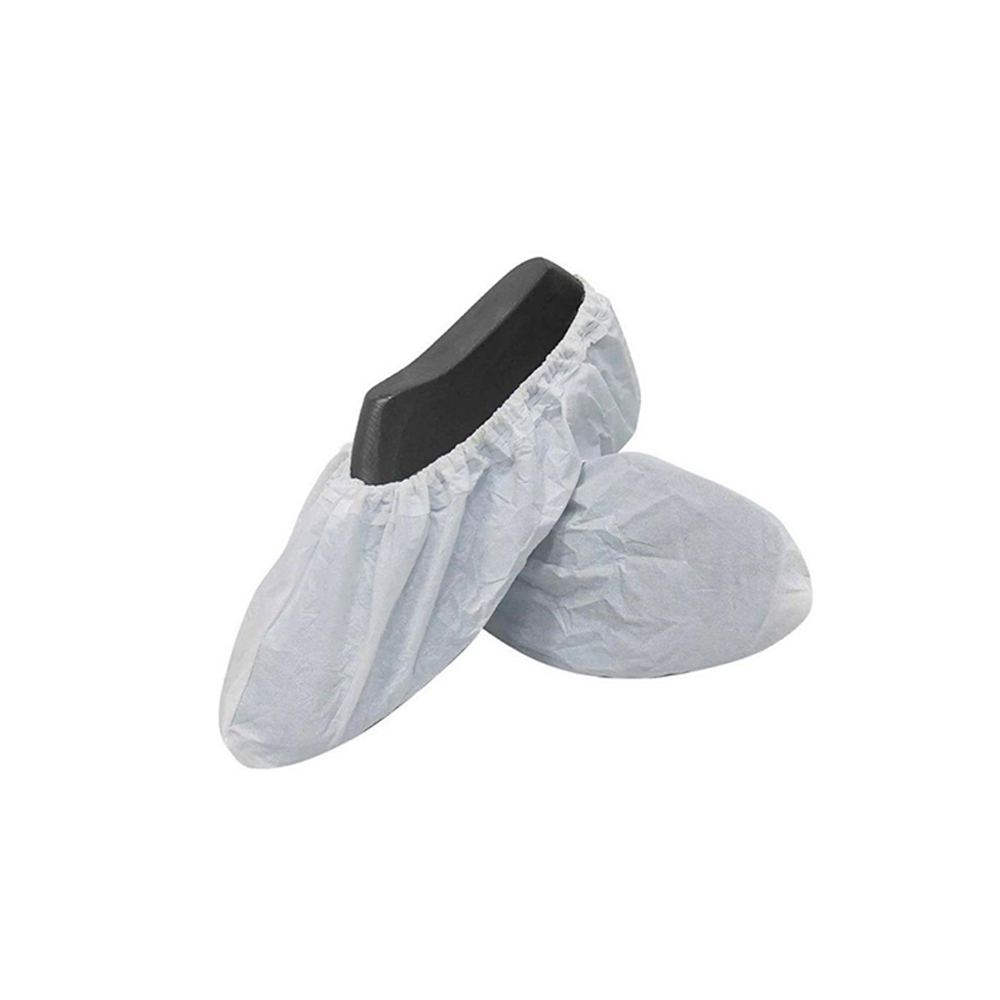
  • Polypropylene is useful when breathability matters.
  • Silicone and rubber support flexible rain protection.
  • PVC and water-resistant fabric can provide higher boot-style coverage.
  • Elastic, zipper, or drawstring closures help secure the cover.
  • A textured sole may add traction.

Listings sometimes use phrases such as “premium waterproof,” “waterproof and recyclable shoe booties,” or “shoe covers non slip.” Read the construction details instead of relying on labels alone.

Frequently Asked Questions

Lorem ipsum dolor sit amet consectetur. Vitae consectetur pulvinar malesuada elit tellus facilisi suspendisse. Elit tortor ut tristique purus venenatis id amet.

Some are. Waterproof covers are intended for rain or wet conditions, while many indoor single-use products are water-resistant rather than made for prolonged outdoor exposure. Check the material, height, and closure before choosing one.

Single-use covers suit convenient short-term indoor use; repeat-use covers suit repeated wear or weather protection. Choose according to the environment, expected use, cleaning needs, and whether protecting floors or footwear is the main goal.

Match the listed size to the footwear worn underneath. Allow enough room for the shoe or boot without leaving the cover excessively loose, and follow the manufacturer’s fit guidance when available.

A textured, slip-resistant base can provide better traction than a smooth bottom, but performance varies by product and surface conditions. Choose a design intended for smooth flooring and walk carefully.

Use them when you want a convenient barrier between outdoor footwear and indoor floors for visitors, contractors, cleaning, real estate showings, or workplace tasks. Replace them when dirty, damaged, or no longer appropriate for the setting.

Choose the option that matches the intended environment, fit, material, water protection needs, and preference for single or repeated use. Compare the construction and contact surface, then choose the level of protection that fits the job.