
Because Pictures Speak Lauder Than Words
Lorem ipsum dolor amet, consectetur adipiscing elit, sed do eiusmod tempor incididunt labore dolore.
Disposable CPE Isolation Gowns with Thumb Loop Protection
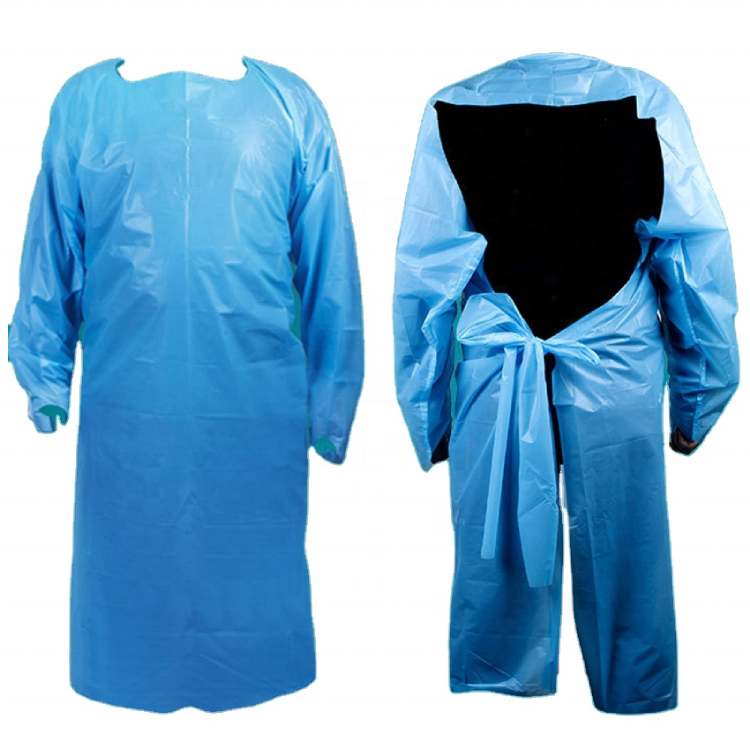
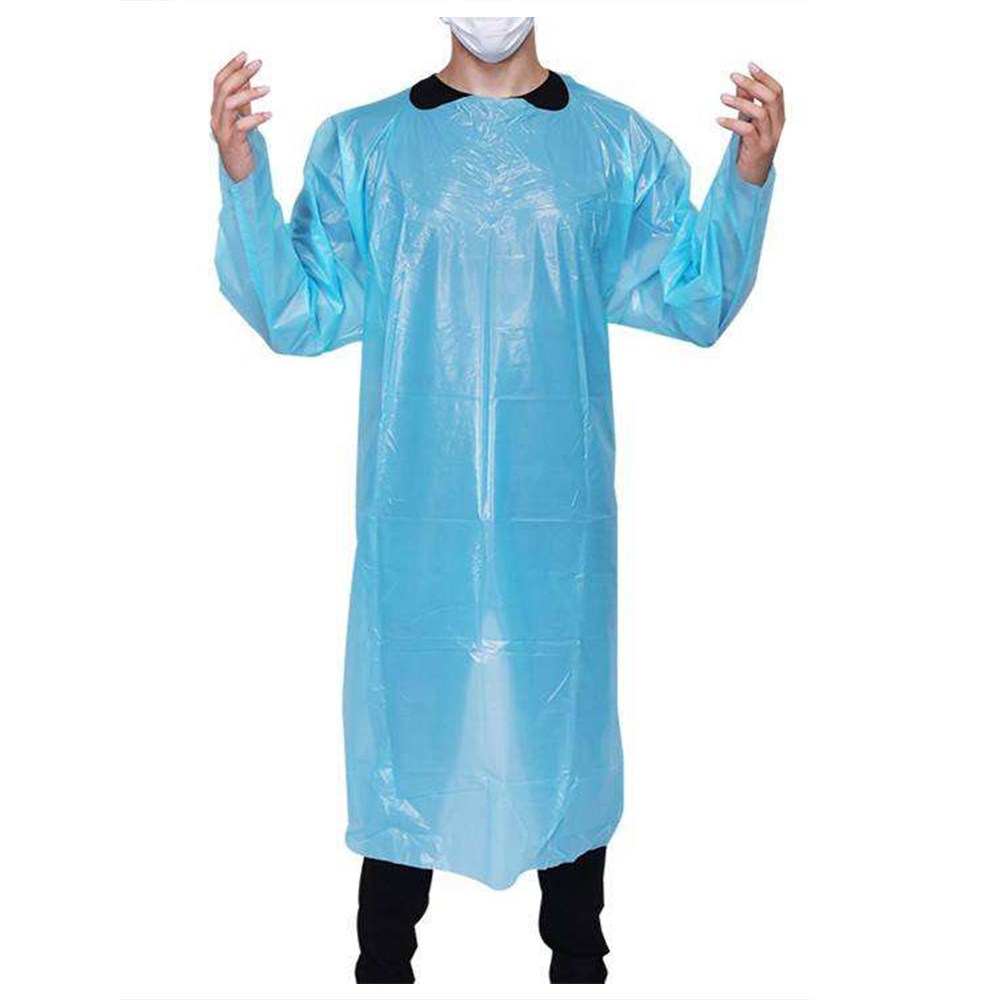
Disposable CPE gowns are single-use protective garments made from chlorinated polyethylene (CPE) material. Common designs combine long sleeves, thumb loops or cuff options, waist ties and broad body coverage to help reduce contact with light splashes, liquids, dust and contaminants. They are used across healthcare, dental, laboratory, cleanroom, pharmaceutical, sanitation, food-processing and other controlled environments, depending on the model specification.
What Is a Disposable CPE Isolation Gown?
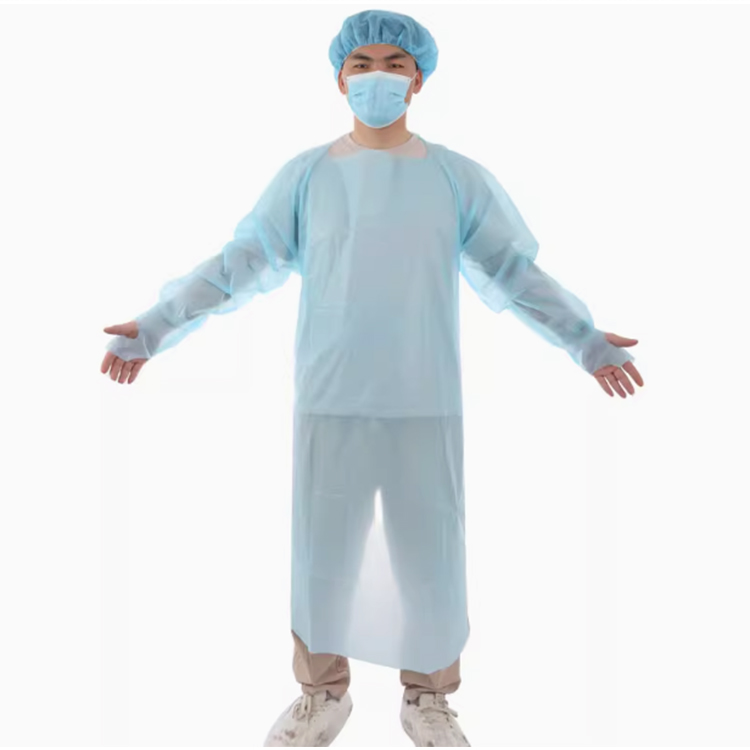
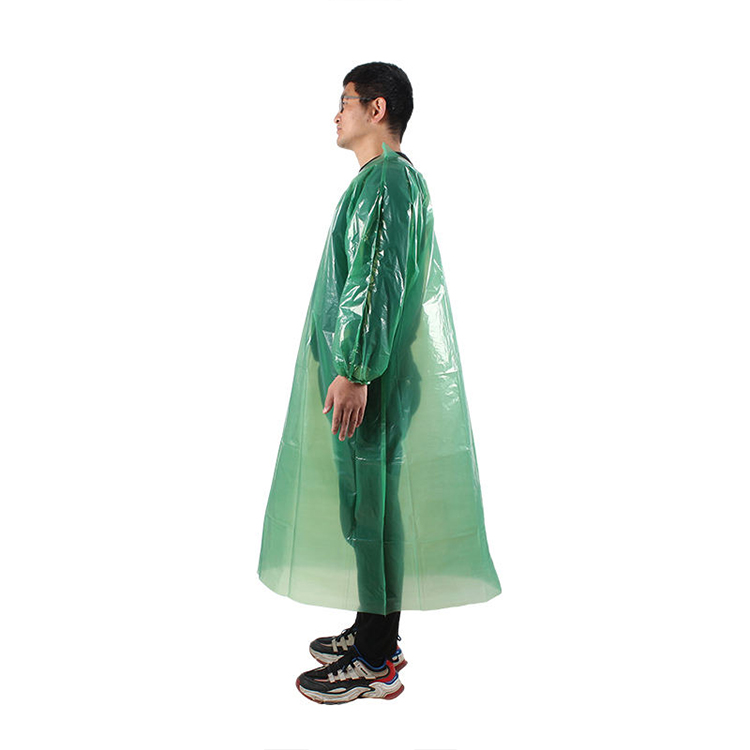
A disposable CPE isolation gown is protective apparel manufactured from chlorinated polyethylene, a polyethylene-derived polymer. In disposable personal protective equipment (PPE) applications, CPE is used in gown constructions that can provide a practical fluid barrier while remaining suitable for single-use wear. Product designs vary, so buyers should confirm intended use, material construction, coverage, cuff style, closure method and documented barrier performance for the exact gown being considered.
Key Features of Disposable Protective CPE Gowns
CPE gowns are commonly selected where users need disposable protective apparel that is easy to don, provides front and sleeve coverage, and can be discarded after use. Available configurations may include an over-the-head or apron-style neckline, long sleeves, thumb loop cuffs, elastic cuffs and waist ties.
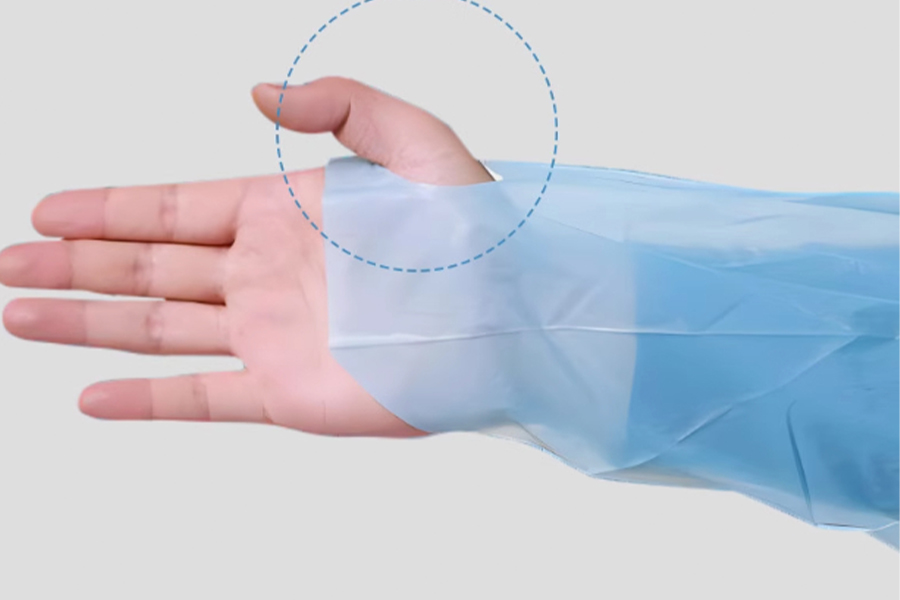
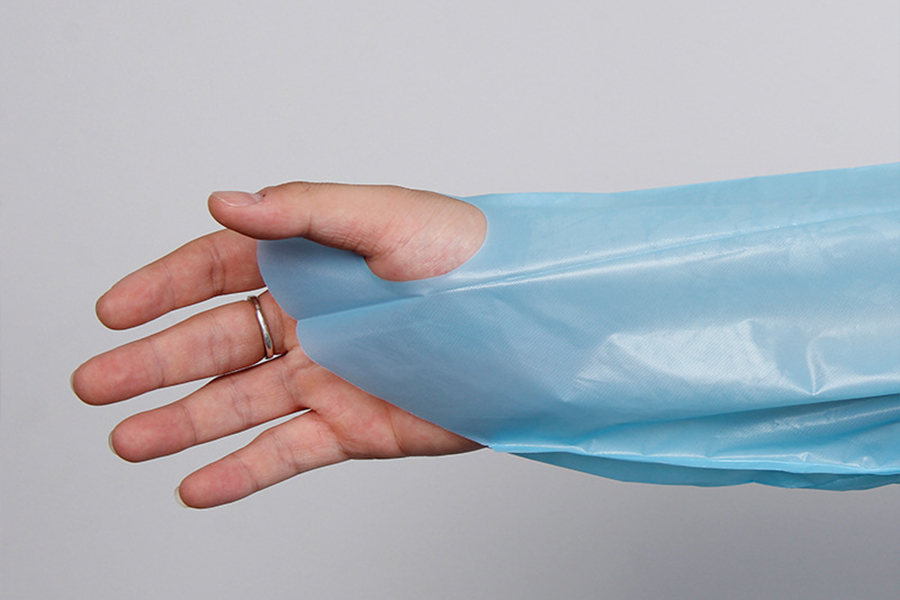
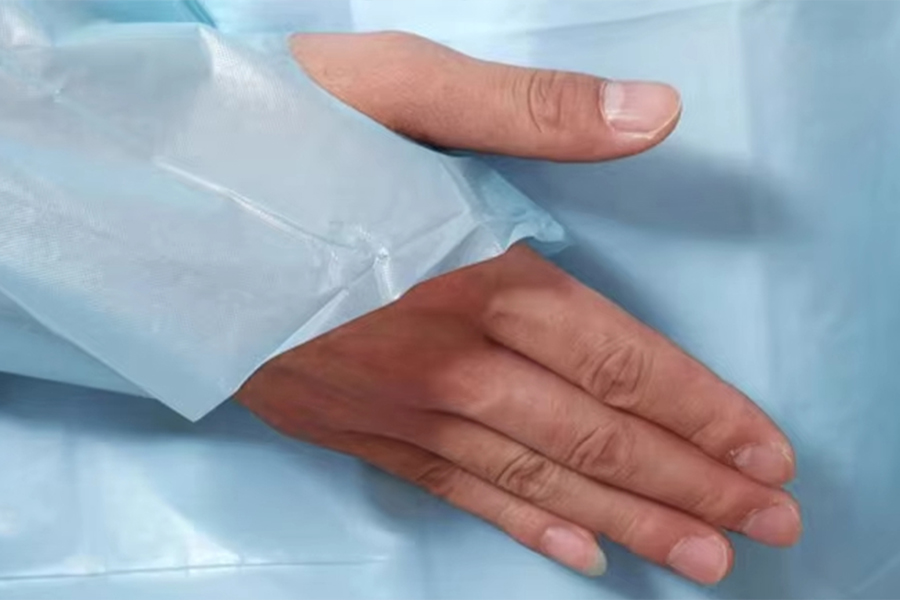
A CPE thumb loop isolation gown can help keep sleeves positioned toward the wrist during routine movement. Some models are fluid-resistant or waterproof, but those properties should be confirmed in the supplier’s product specification rather than assumed for every CPE isolation gown.
How Do Thumb Loops, Long Sleeves and Waist Ties Improve Coverage?
Thumb loops help limit sleeve ride-up by anchoring the sleeve around the hand, while long sleeves extend coverage along the arms. Waist ties help secure the gown around the body and improve fit during work. Other disposable isolation gowns may use elastic wrists, knit cuff designs, neck ties or wrap-around closures.
For healthcare PPE, gown coverage should match the task. CDC donning guidance describes covering the torso from neck to knees, covering the arms to the wrists, and fastening a gown at the neck and waist, although actual disposable gown designs can differ.
What Barrier Protection Can CPE Gowns Provide?
CPE material may provide a physical barrier against light splashes, liquid contact, particulate matter and other contaminants when the specific gown is designed and documented for those conditions. Barrier protection is not identical across all isolation gown products because resistance varies with material, impermeability, construction and wear.
Protection also depends on seams, coverage area and tested performance. FDA guidance distinguishes gown categories and barrier expectations according to intended use, including requirements that differ between surgical and non-surgical isolation gowns. Buyers should therefore verify any claimed fluid-resistance level, AAMI rating, sterility status, pathogen protection or certification against the exact product documentation before ordering.
Where Are CPE Isolation Gowns Commonly Used?
Disposable CPE gowns may be used in healthcare settings, dental clinics, laboratories, cleanrooms, pharmaceutical research or manufacturing, sanitation operations, food processing and other controlled environments where disposable body coverage and contamination control are required.
They can suit routine tasks involving splash or soil exposure, cleaning activities and processes where a disposable outer garment supports hygiene procedures. Suitability for bloodborne pathogen exposure, hazardous chemicals, sterile areas or higher-risk medical procedures must be established from the product’s documented performance and facility requirements.
CPE vs. Polyethylene, Polypropylene and SMS Gowns
CPE is chlorinated polyethylene, so it is related to polyethylene but should not be treated as identical to every standard polyethylene gown. Disposable isolation gowns are also manufactured from synthetic materials such as polypropylene, polyethylene and multilayer nonwoven constructions such as SMS.
There is no single gown material that is ideal for every application. Procurement teams should compare intended use, liquid exposure, body coverage, comfort needs, disposal practices and verified performance data because isolation-gown resistance can vary substantially by material and construction. For a cleanroom gown or specialized PPE gown, confirm whether the facility requires specific material, particle-control or compliance characteristics.

Disposable CPE Gowns: 5 Frequently Asked Questions
What is a disposable CPE gown?
A disposable CPE gown is a single-use protective garment made from chlorinated polyethylene (CPE). It is designed to provide a physical barrier between the wearer and potential contaminants.
What are CPE gowns used for?
CPE gowns are commonly used as protective apparel in healthcare and other environments where protection from liquids, body fluids, or contamination may be needed. The appropriate gown should be selected according to the task and exposure risk.
What is the purpose of thumb loops on a CPE gown?
Thumb loops help keep the gown sleeves and cuffs in position during use, reducing sleeve movement around the wrists.
Are all CPE isolation gowns waterproof?
Not necessarily. Barrier and fluid resistance can vary by gown material, construction, and product specification, so buyers should check the performance data for the specific gown model.
What should buyers check before ordering CPE gowns?
Buyers should review the gown’s intended use, material, coverage, size, cuff and closure design, barrier performance, and applicable test or product documentation before placing an order.