
Disposable Surgical Gowns — Standard or Reinforced
A disposable surgical gown is protective apparel worn by healthcare personnel during surgical procedures to help reduce transfer involving microorganisms, body fluids, and particulate matter. Standard gowns use a generally uniform construction, while reinforced options add barrier material in selected high-exposure areas. Selecting the appropriate barrier performance is part of infection-control planning for the procedure and anticipated fluid exposure.
What Are Disposable Non Woven Boot Covers?
They are temporary covers worn over footwear to support cleaner entry into homes, offices and controlled work areas. Shoe covers are made from different materials; this fabric is breathable and lighter in feel than typical polyethylene alternatives.
The fabric should not automatically be called waterproof. For moisture exposure, ask about a water resistant option or compare with cpe and other barriers. The bootie format is easy to put on and easy to use for short tasks without changing footwear.

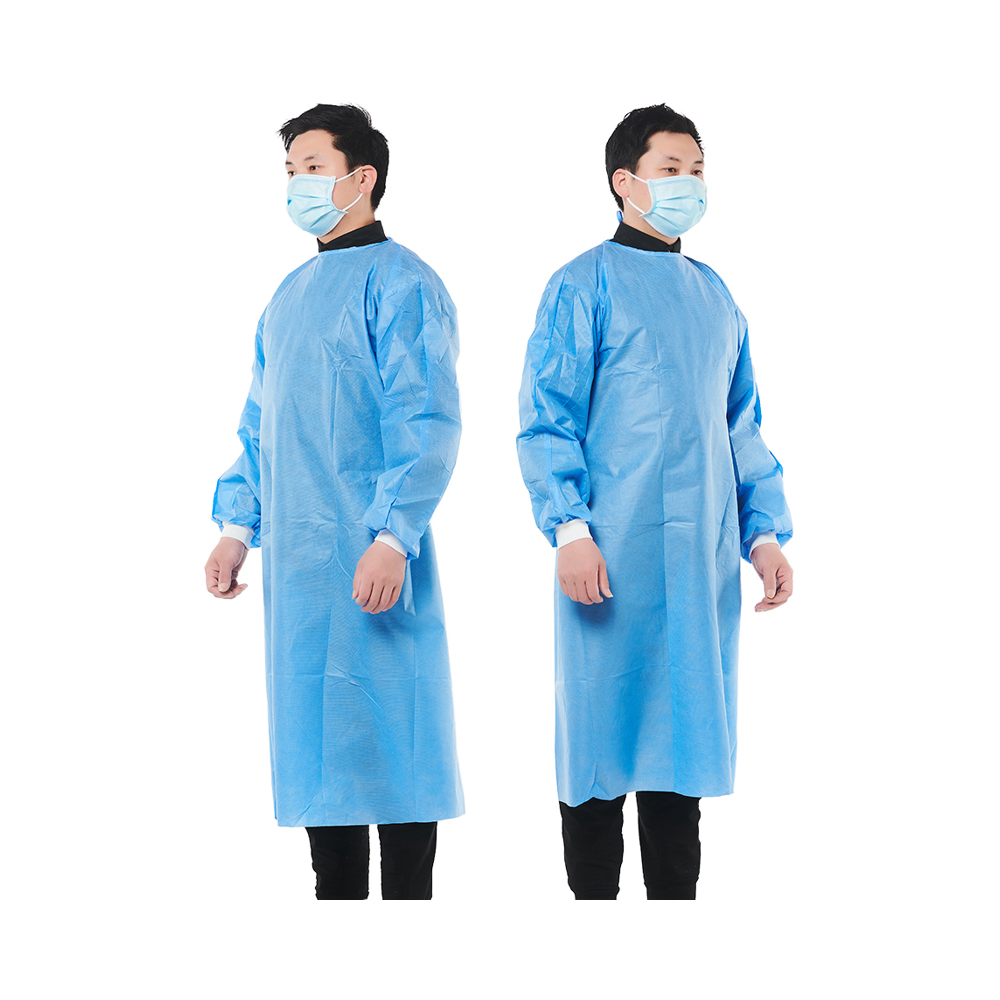

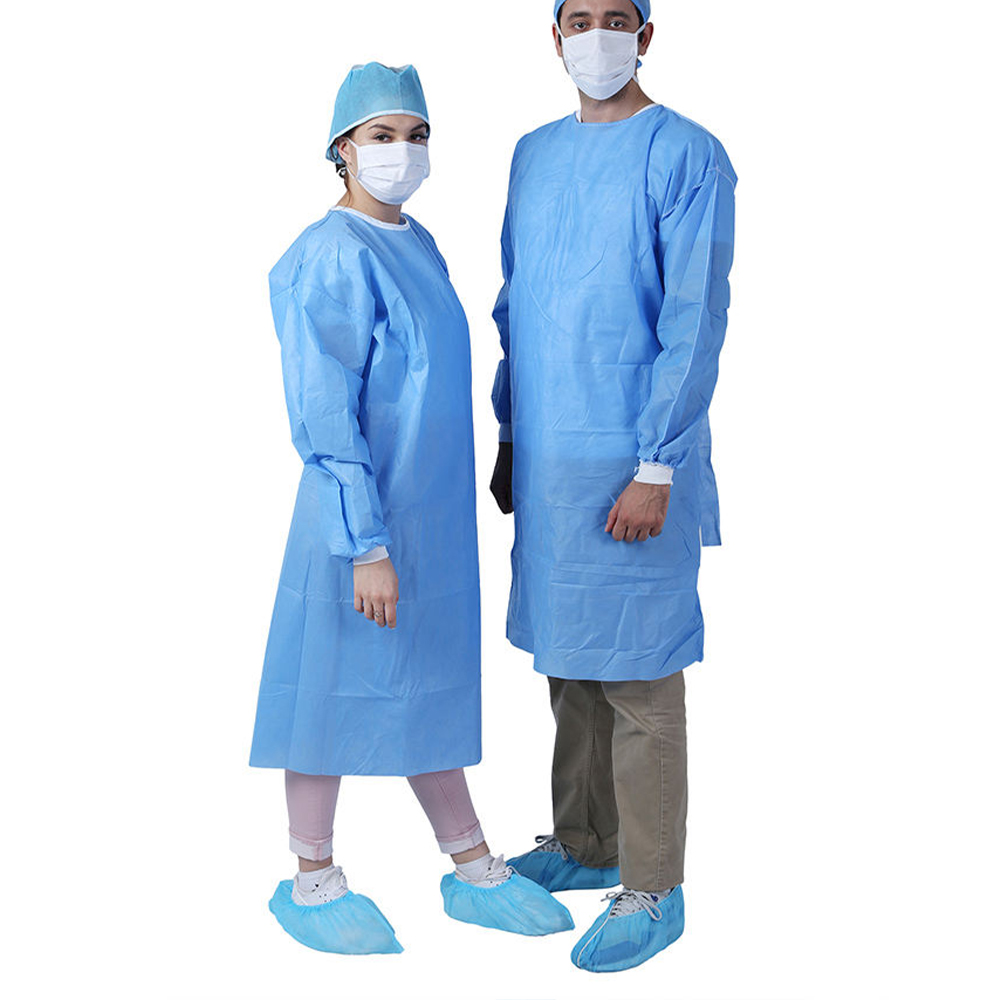
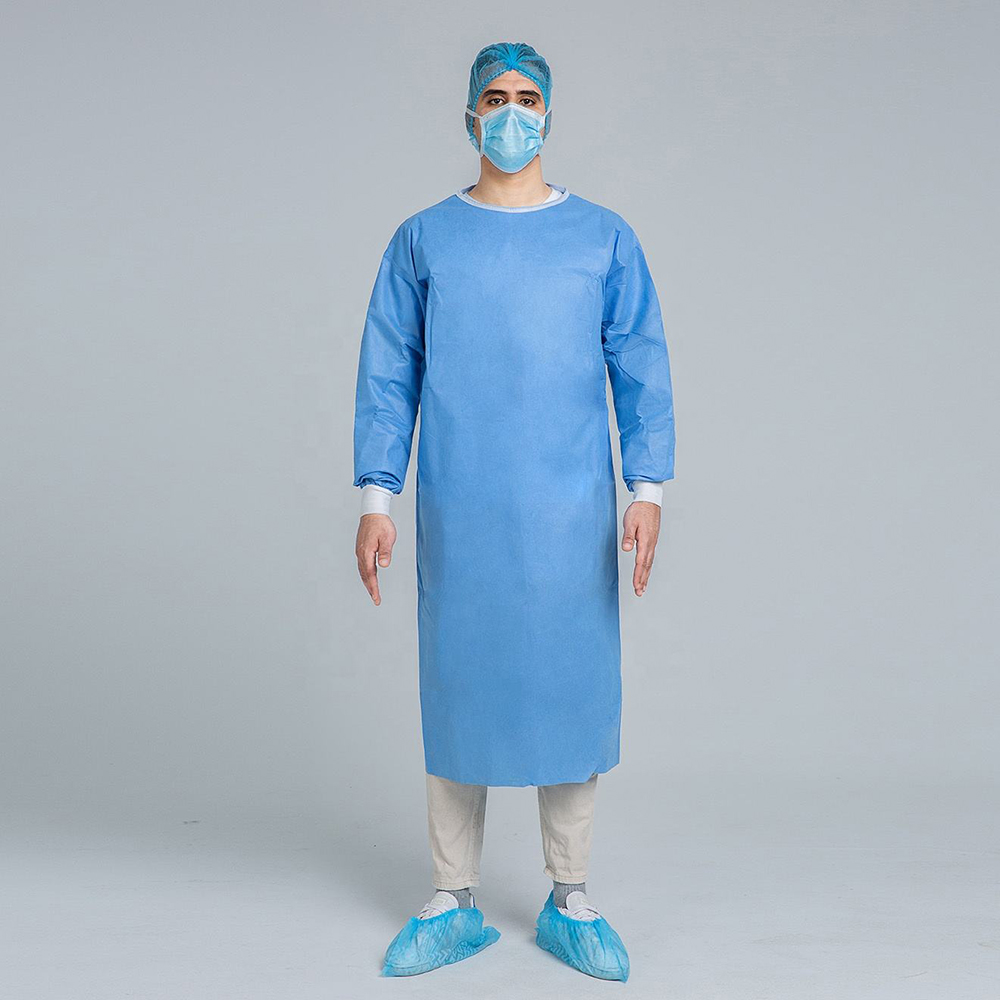
What Is a Disposable Surgical Gown?
A surgical gown is a medical gown designed for use in surgical environments as part of personal protective equipment. In the United States, the Food and Drug Administration (FDA) classifies surgical gowns as Class II medical devices intended to protect patients and healthcare personnel from transfer involving microorganisms, body fluids, and particulate matter during surgery.
For U.S.-market products labeled as surgical gowns, the FDA states that the gowns must be provided sterile. Buyers should still confirm intended use, packaging, sterilization details, protection level, and applicable regulatory status from the manufacturer’s current product documentation.
How Does AAMI Barrier Protection Apply to Surgical Gowns?
ANSI/AAMI PB70:2022 establishes liquid barrier performance classifications for protective apparel used in health care facilities. The FDA recognizes this standard, and the system uses four levels, from Level 1 through Level 4. Buyers should match the verified level of protection to the intended procedure and exposure risk.
CDC/NIOSH describes Levels 1–3 as using water-resistance tests, including impact penetration and, for applicable levels, hydrostatic pressure testing; Level 4 uses ASTM F1671 viral penetration testing for gowns. A construction label such as “standard” or “reinforced” must never replace the manufacturer’s tested and labeled AAMI protection level.
What Are the Critical Zones of a Surgical Gown?
Critical zones are areas where direct contact with blood, body fluid, or other potentially infectious material is most likely. FDA and CDC/NIOSH guidance identify the front panel and lower sleeves as key critical areas, and barrier classification depends on performance in the required zones.
The entire front must meet at least the minimum barrier requirement described for surgical gowns, while the back may have different requirements. Buyers should review fabric and seam performance for the actual gown design rather than treating every area as equivalent.
Where Are Surgical Gowns Used, and How Do They Differ From Isolation Gowns?
Surgical gowns are intended for surgical procedures, while isolation gowns address different contamination and exposure patterns. FDA guidance distinguishes them from non-surgical isolation gowns, which are intended for low or minimal-risk patient isolation situations and are not for surgical or invasive procedures.
Reusable surgical gowns may also be used in healthcare settings when designed and processed for repeated use, but they involve laundering, inspection, and reprocessing considerations that do not apply to disposable products. Buyers should therefore compare intended use, barrier performance, workflow, and lifecycle requirements—not just gown shape.
What Materials Are Used in Disposable Surgical Gowns?
Disposable gown constructions may include nonwoven SMS or SMMS materials, according to product specification. These multilayer structures can be selected to balance liquid barrier protection, strength, softness, breathability, and practical wear characteristics.
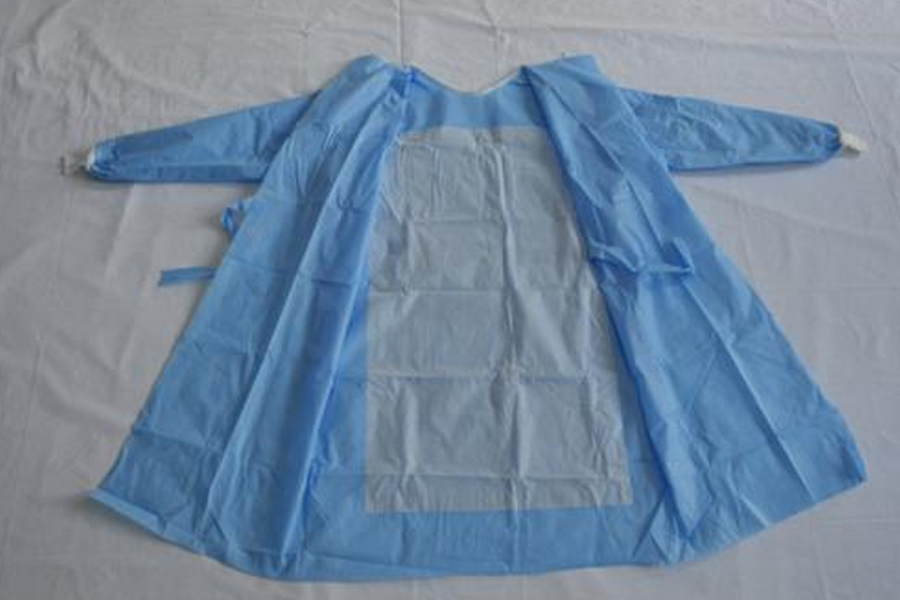
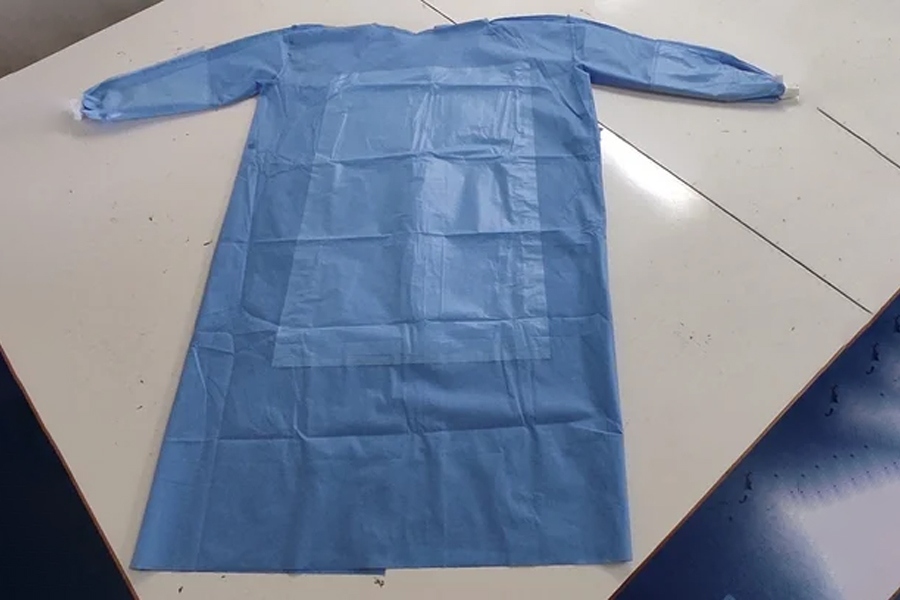
A reinforced surgical gown may include an added layer or laminate in the chest, sleeves, or other defined zones. Material name alone does not establish protection against fluid penetration, bloodborne pathogens, or infectious agents; verified test data and the labeled classification are what matter.
Which Design Features Matter for Fit and Use?
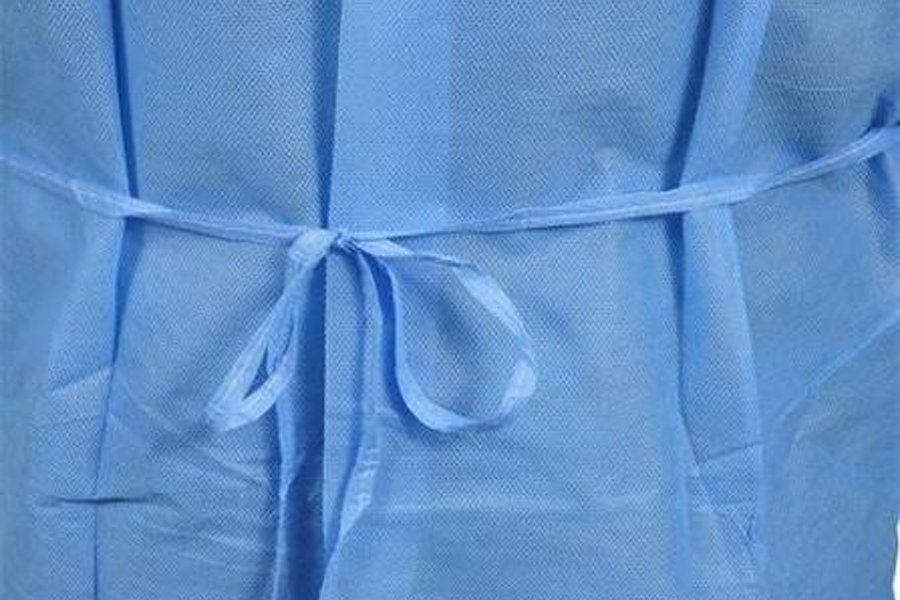
Useful design details include knit cuffs, secure waist and neck ties, adequate coverage, and sizing that supports movement without excessive loose material. Packaging and folding can also affect gowning efficiency in sterile workflows, so professional buyers may want to review pack configuration and opening sequence.
Seam construction can influence barrier performance. CDC/NIOSH recommends asking manufacturers about seam barrier test results where relevant, not only fabric results. Specific seam type, sterilization method, dimensions, and packaging format should be confirmed from the technical data sheet.
Frequently Asked Questions
What is a disposable surgical gown?
A disposable surgical gown is protective apparel worn by healthcare personnel during surgical procedures to help protect patients and staff from the transfer of microorganisms, body fluids, and particulate matter.
What is the difference between standard and reinforced surgical gowns?
Standard gowns generally use a uniform construction, while reinforced surgical gowns add barrier material in selected high-exposure areas such as the chest or sleeves. The construction type itself does not determine the AAMI level.
What AAMI level should I choose for a surgical gown?
Choose according to the procedure and anticipated exposure risk. ANSI/AAMI PB70 defines four liquid-barrier performance levels, from Level 1 to Level 4, so buyers should confirm the gown’s tested and labeled protection level.
What are the critical zones of a surgical gown?
For surgical gowns, critical zones include at least the front panel and lower sleeves, where contact with blood, body fluids, or other potentially infectious materials is more likely.
Are surgical gowns the same as isolation gowns?
No. Surgical gowns are intended for surgical procedures, while non-surgical isolation gowns are intended for low- or minimal-risk patient isolation situations and are not used for surgical procedures.