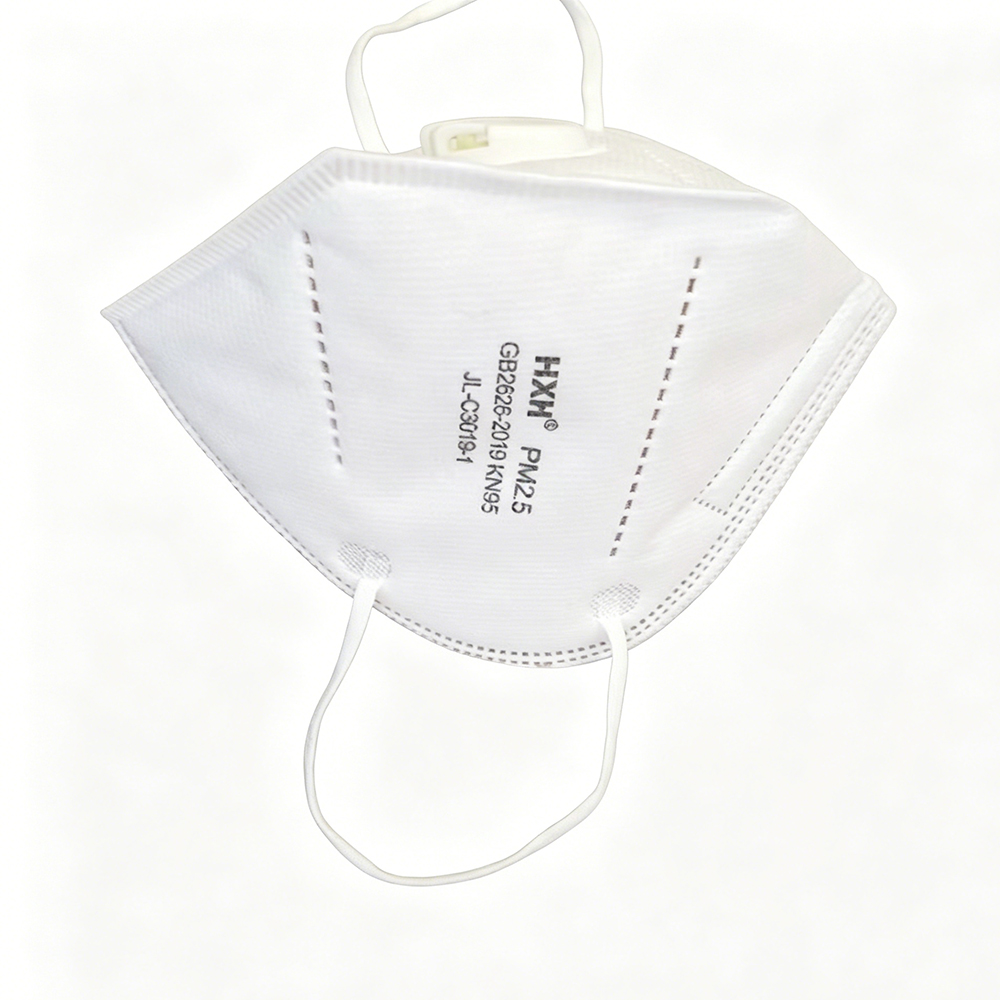
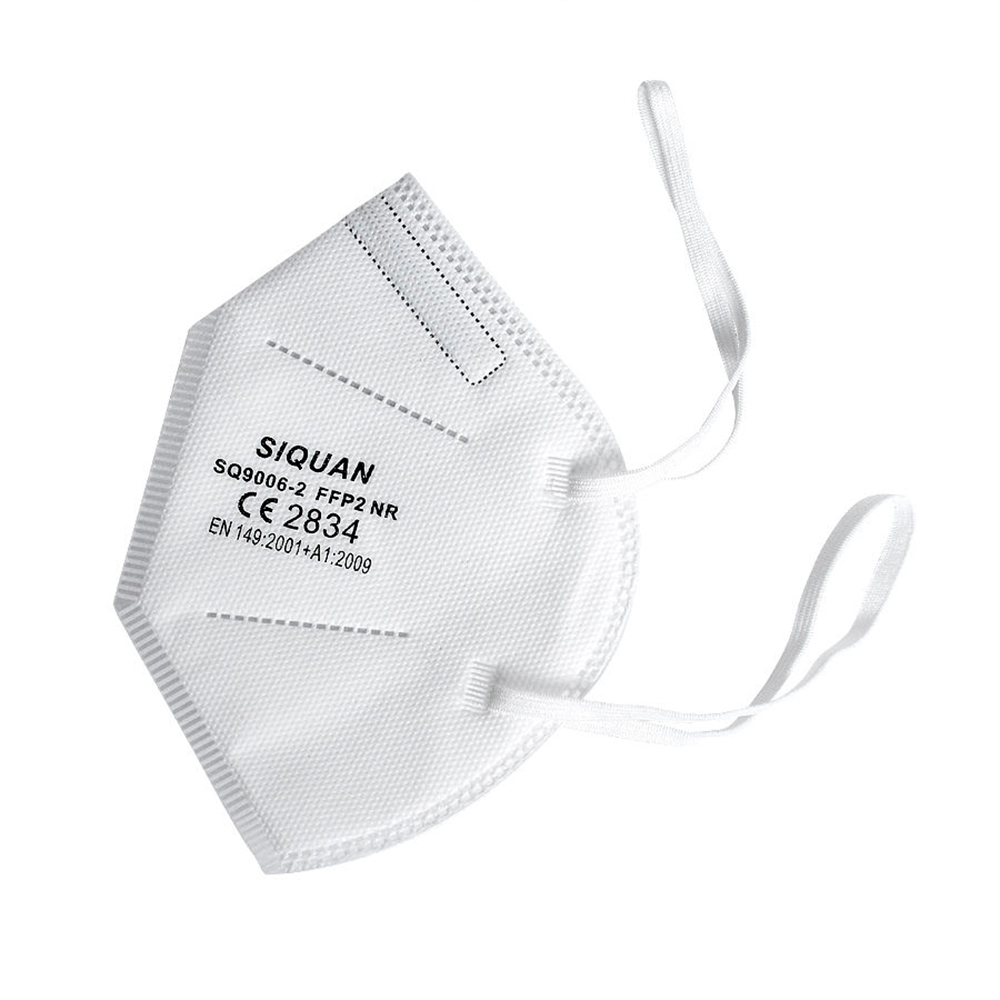
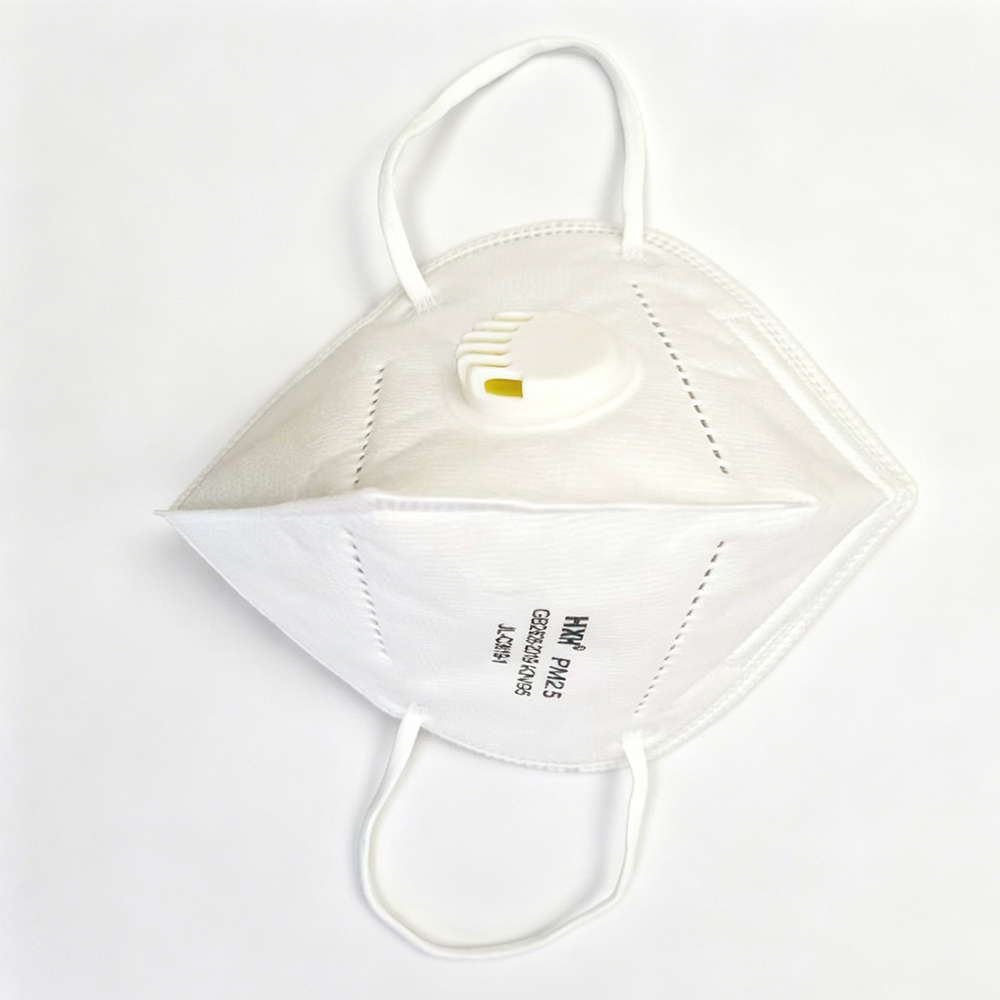
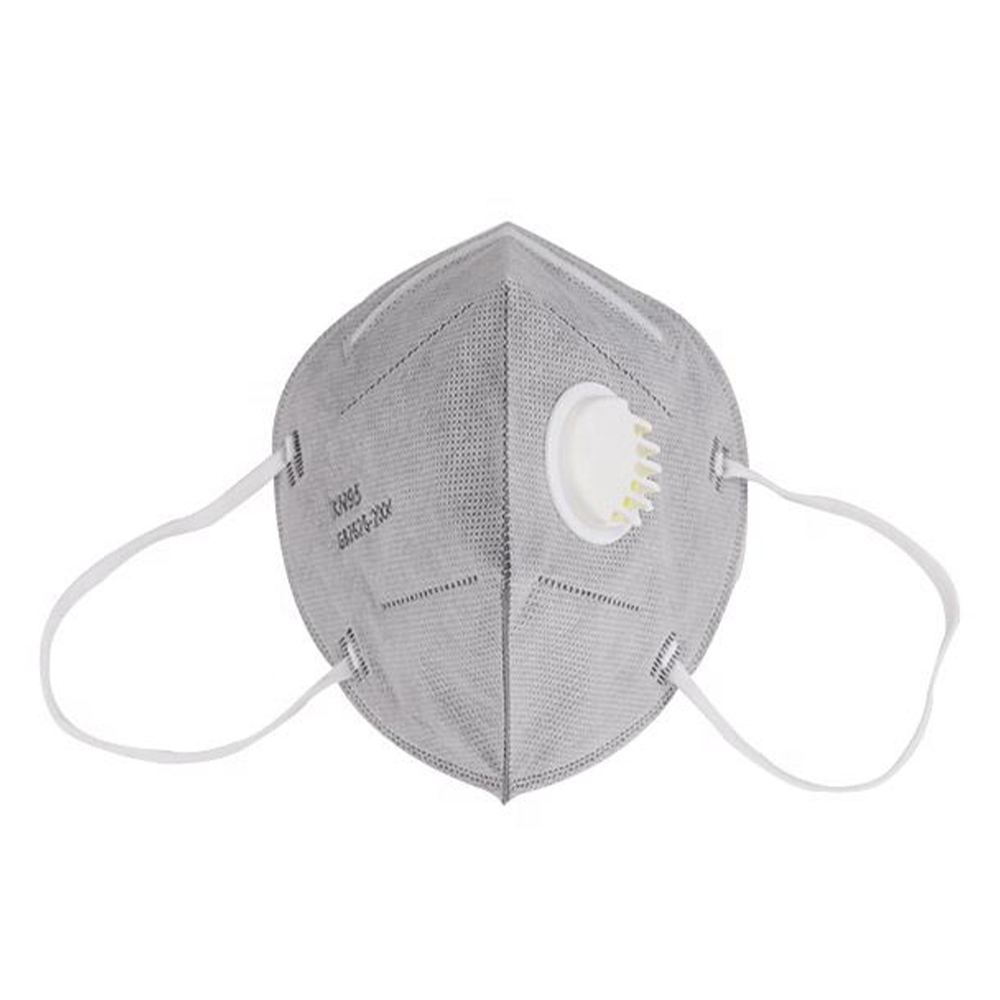
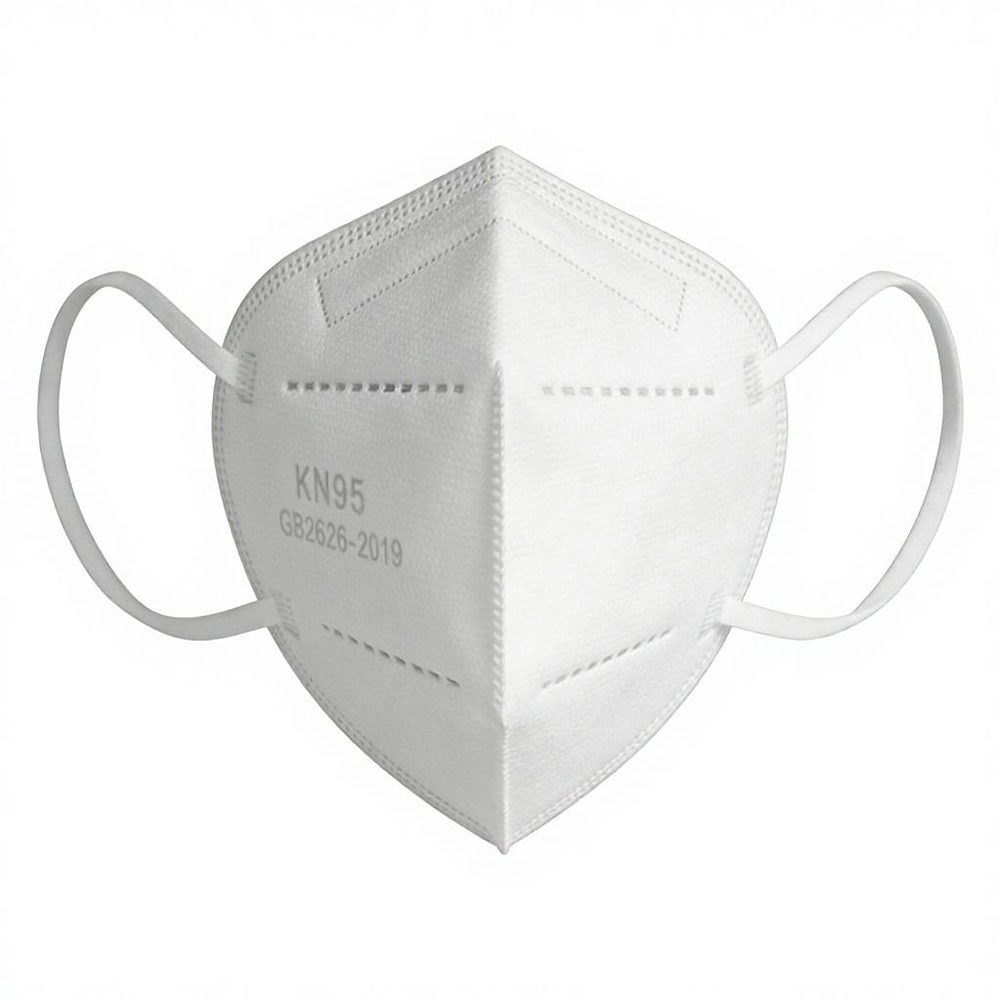
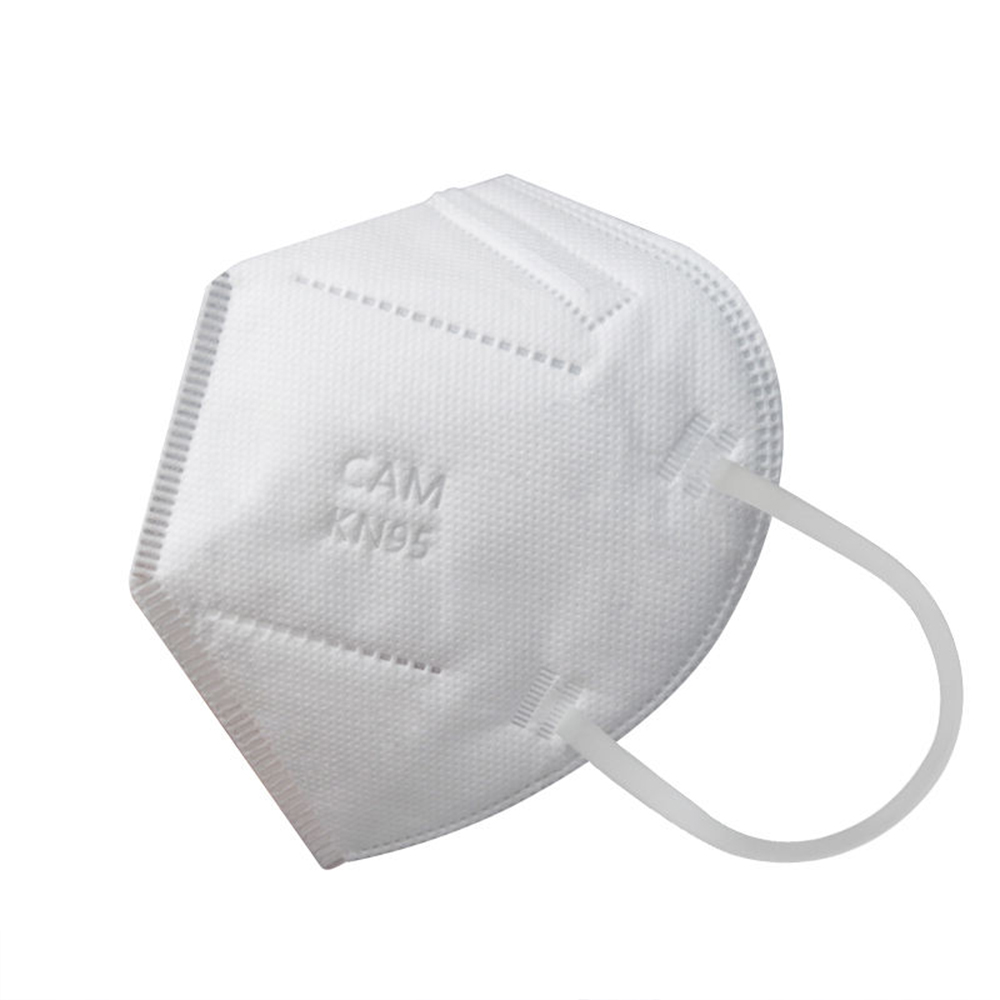
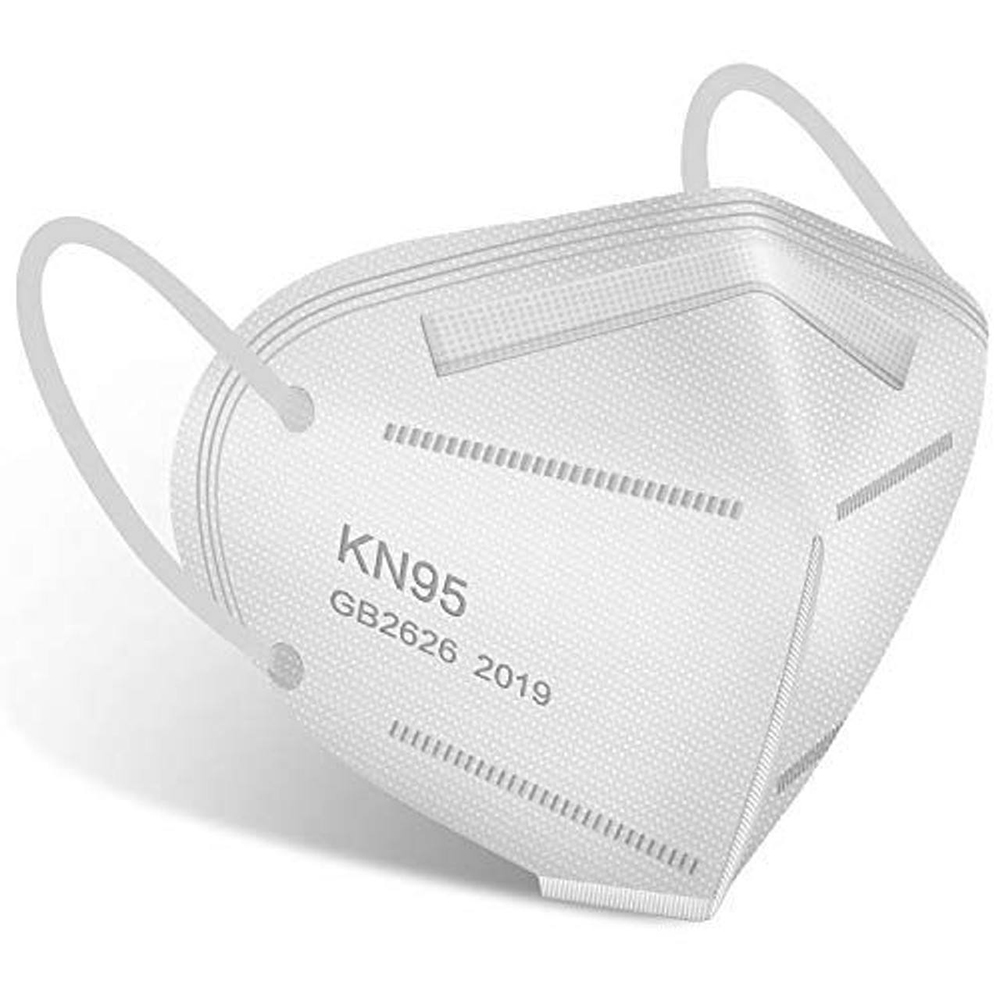
5-Ply KN95 Face Mask for Breathable Everyday Wear
A 5-Ply KN95 Face Mask is a respirator-style face covering designed to fit closely over the nose and mouth while helping filter airborne particles. Its five-layer filtration construction typically combines non-woven material with inner media such as melt-blown fabric, supporting particle capture, shape, skin comfort, and everyday wearability. An adjustable nose clip and elastic ear loops can help create a secure fit, while a lightweight profile makes this type of mask practical for commuting, travel, work, errands, and daily use.
What Is a Five-Layer KN95 Face Mask?
This product is a close-fitting face covering built with five material layers and intended for particulate filtering. The “five-ply” description tells you how many material layers are used; it does not by itself certify compliance or prove a specific filtering result.
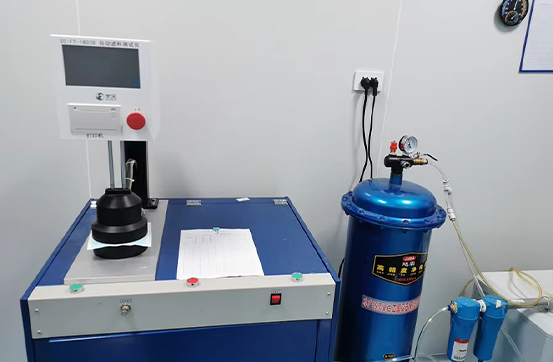
A legitimate respirator should be manufactured and tested to the applicable performance standard. Buyers should check the stated standard, manufacturer information, labeling, test documentation, authenticity, and fit rather than relying on layer count or phrases such as “5 layer protection.”
How Does the 5-Layer Filter Design Work?
A 5-layer design typically assigns different jobs to different materials. Outer non-woven layers can protect internal filter media and add structure, while a filtration layer may use melt-blown fabric to capture particles. A softer inner layer can improve comfort against the skin.
The exact construction varies by manufacturer. More layers do not automatically mean better performance; material quality, airflow resistance, assembly, and standards compliance also matter.
What Does 95% Particle Filtering Mean for a KN95 Mask?
When properly manufactured and tested to the applicable standard, this class of respirator is designed to achieve at least 95% filtering efficiency under specified test conditions. The “95” figure is a laboratory performance criterion, not a guarantee of 95% protection in every real-world situation.
Filter performance and facial seal are separate factors. High-performing media cannot work as intended when substantial air leaks around the edges, which is why fit remains important for respirator performance.
Why Do Fit, Nose Clip Design, and Ear Loops Matter?
Fit matters because a close-fitting respirator works best when more inhaled air passes through the filtering material instead of gaps around the face. A moldable nose bridge helps the mask conform around the nose, while ear-loop bands or another strap system help hold it in position.
Face shape, facial hair, movement, and earloop tension can affect the seal. A face mask for adults should therefore be assessed for coverage and fit, not just dimensions on the package.
Is This Breathable and Comfortable Enough for Everyday Wear?
A well-designed face mask can be breathable and comfortable while still using multiple filtering and support layers. Comfort depends on material softness, airflow resistance, shape, ear-loop tension, and how well the nose area conforms to the wearer.
For routine wear, lightweight construction can reduce bulk. Claims such as “anti-fog” or “comfortable elastic ear loop” should still be evaluated against product-specific design and documentation rather than assumed from marketing language.
Where Can Disposable Face Masks of This Type Be Used?
This respirator-style design may be useful in everyday settings where users want closer-fitting particle filtering, including commuting, airports, public transportation, crowded indoor spaces, and some dusty environments. CDC describes KN95s as international filtering facepiece respirators intended to protect against particles.
Follow the manufacturer’s instructions for wear, storage, and replacement. Do not assume a product is sterile, suitable for healthcare professionals, or designed to sterilize and reuse unless its documentation specifically supports those uses.

KN95 vs. N95 vs. 3-Ply Masks: What Is the Difference?
KN95 and N95 are respirator classifications tied to comparable high particle-filtering targets under their respective test standards, but they are not identical standards. KN95 is associated with China’s GB 2626 standard, while N95 is a U.S. filter classification administered by the National Institute for Occupational Safety and Health. U.S. N95 filters must capture at least 95% of airborne particles under the applicable test.
A basic 3-ply face mask is generally looser fitting and may provide varying particle filtering rather than meeting a respirator standard. Fit, standard, intended use, and verified specifications matter more than simply comparing the number “95” or the number of layers.