

Disposable Plastic Lab Coats for Laboratory and Controlled Work Areas
Disposable plastic lab coats are lightweight, single-use garments worn over clothing to help reduce contamination from dirt, dust, particulate matter, biological material, and minor liquid splash. They are commonly used in laboratory, medical, cleanroom, pharmaceutical, food processing, and manufacturing settings where convenient garment changes matter. Compared with reusable apparel, disposable coats can be discarded after use instead of being sent for laundering.
What protection does a disposable lab coat provide?
A disposable lab coat provides a basic clothing barrier for routine contamination-control tasks, but protection depends on the garment material, construction, coverage, fit, and hazard. Long sleeves and a secure front closure can help keep personal clothing cleaner during lab work. OSHA likewise emphasizes matching protective equipment to the hazards identified in the workplace and considering proper fit.
Disposable coats should not be assumed to protect the wearer from hazardous chemical spills, flame, extreme heat, asbestos, or other serious hazards. For those risks, select PPE specifically tested, rated, or certified for the identified exposure and follow applicable workplace procedures.
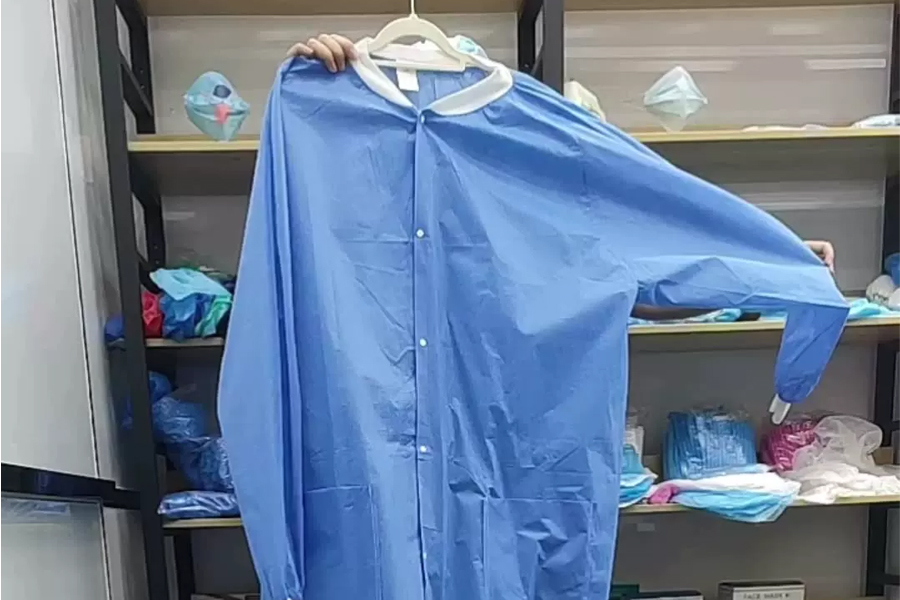


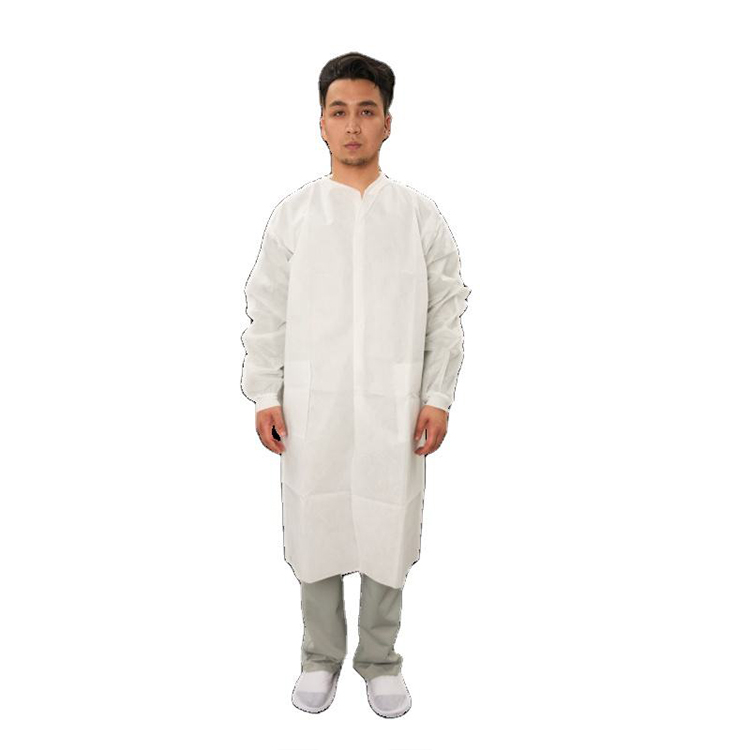

Which materials are used for disposable lab coats?
Common materials include polypropylene, SMS, polyethylene, nonwoven fabric, and microporous material. Each option offers a different balance of comfort, breathability, and barrier performance.
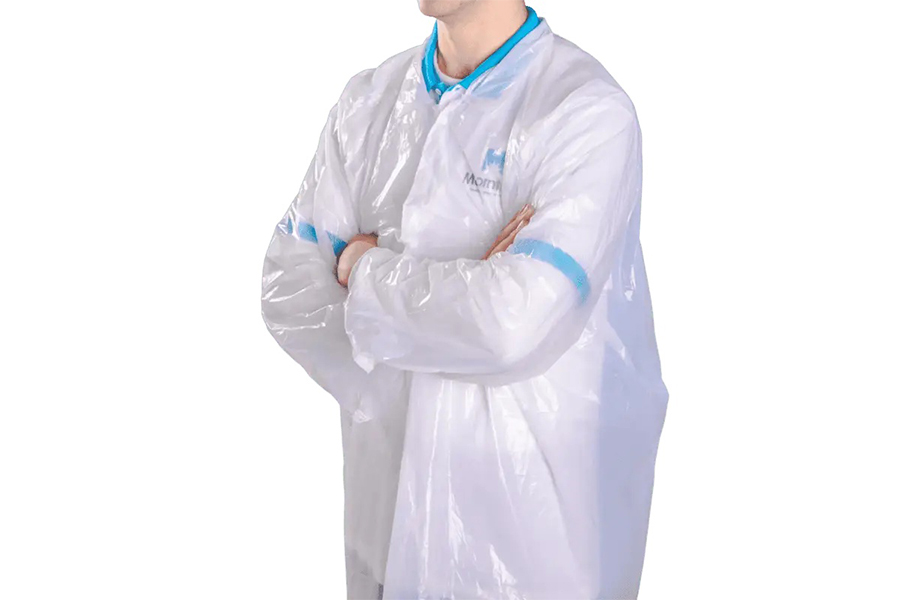
Polypropylene fabric is widely used for lightweight disposable polypropylene lab coats. SMS material, often described as 3-layer SMS or SMS fabric, combines spunbond and meltblown polypropylene layers. Polyethylene provides a plastic surface suited to applications where more liquid resistance may be useful, while microporous lab coats use a film-based structure intended to combine barrier performance with some breathability.
Material name alone does not define suitability; review the specific garment data for the intended task. Protective-clothing performance depends on material characteristics and the anticipated exposure.
Where are single-use lab coats commonly used?
Single-use lab coats are used across a variety of environments where cleanliness, garment changes, and contamination control matter. Applications include laboratories, hospitals and medical lab areas, cleanroom operations, pharmaceutical production, food processing, food service, manufacturing, and institutional facilities.
Disposable lab jackets, a nonwoven smock, or a PPE gown may appear in similar workflows, but these garment types are not automatically interchangeable. Coverage, closure, material, and intended use should match the task. CDC guidance similarly bases protective-clothing selection on the anticipated exposure and activity.
Color can also support site organization. A white lab coat is common, while blue SMS lab coats or teal garments may be chosen when those options fit facility practices.
Which features matter when choosing a disposable lab coat?
The most useful features are those that improve coverage, fit, workflow, and comfort. Common configurations include:
- Elastic wrists, elastic cuff designs, or soft knit cuffs
- Knit collar and cuffs or other cuffs and collar combinations
- Snap front, front snap, zipper, or another secure front closure
- 2 pockets or 3 pockets
- Knee-length coverage
- Collared or collarless designs
- Latex-free options where required
- Breathable nonwoven construction
A unisex lab coat may simplify purchasing across mixed teams, while lab coats with elastic wrists can help keep sleeves positioned during routine work. Confirm sizing and product specifications before ordering; fit and comfort are important PPE-selection considerations.
Where are single-use lab coats commonly used?
Single-use lab coats are used across a variety of environments where cleanliness, garment changes, and contamination control matter. Applications include laboratories, hospitals and medical lab areas, cleanroom operations, pharmaceutical production, food processing, food service, manufacturing, and institutional facilities.
Disposable lab jackets, a nonwoven smock, or a PPE gown may appear in similar workflows, but these garment types are not automatically interchangeable. Coverage, closure, material, and intended use should match the task. CDC guidance similarly bases protective-clothing selection on the anticipated exposure and activity.
Color can also support site organization. A white lab coat is common, while blue SMS lab coats or teal garments may be chosen when those options fit facility practices.
Disposable or reusable lab coat: which should you choose?
Choose disposable apparel when single-use convenience, quick changeover, or reduced laundering is a priority; choose a reusable lab coat when repeated wear and a managed laundry process better suit the operation.
Disposable coats can be removed and discarded after use, reducing laundering requirements and helping limit cross-contamination between controlled areas when proper removal and disposal procedures are followed. Reusable lab coats require collection, laundering, inspection, and redistribution. CDC guidance distinguishes single-use protective clothing from reusable garments that are sent for institutional laundering.
The better choice depends on contamination risk, workflow, garment performance, cost per use, and waste-management requirements.
What are the limitations of disposable PPE?
Disposable PPE is not a universal substitute for specialized protective clothing. A standard disposable lab coat should not be treated as a chemical suit, flame-resistant garment, asbestos protective system, or waterproof lab coat unless the specific product has documented performance for that hazard. No single protective ensemble provides protection against every workplace hazard.
Terms such as Tyvek, microporous, SMS lab, or disposable SMS lab describe materials or product categories, not guaranteed protection levels. Regulatory compliance depends on the workplace, task, hazard, and applicable requirements. Selection should be based on a hazard assessment, manufacturer information, proper fit, and established safety procedures.


Frequently Asked Questions
What are disposable plastic lab coats?
Disposable plastic lab coats are single-use protective garments worn over clothing to help reduce contact with dirt, dust, particulate matter, and minor contamination during routine work.
What materials are disposable lab coats made from?
Common materials include polypropylene, SMS polypropylene, polyethylene, nonwoven fabric, and microporous materials. The appropriate material depends on the required barrier performance, comfort, and work environment.
Where are disposable lab coats commonly used?
They are commonly used in laboratories, healthcare facilities, cleanrooms, pharmaceutical operations, food processing areas, and other controlled work environments.
Are disposable lab coats better than reusable lab coats?
Disposable lab coats can be convenient when frequent garment changes or reduced laundering are important, while reusable lab coats may be more suitable for workplaces with established laundering programs.
Do disposable lab coats protect against hazardous chemicals?
Not automatically. Protective clothing should be selected according to the specific workplace hazard, material performance, garment design, and manufacturer information. Standard disposable lab coats should not be assumed to provide chemical, flame, or other specialized hazard protection.