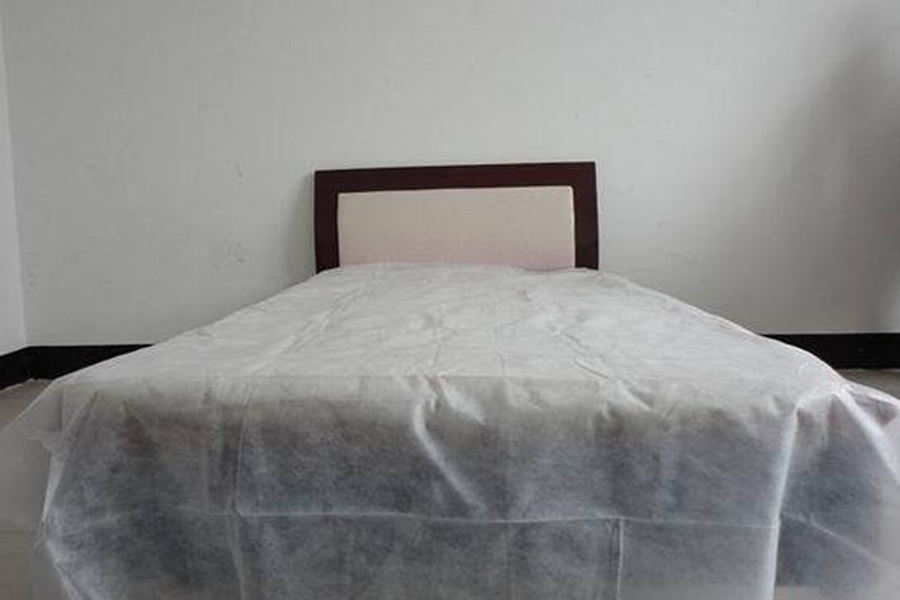
Disposable Bedding: Mattress Covers for Waterproof, Breathable Protection

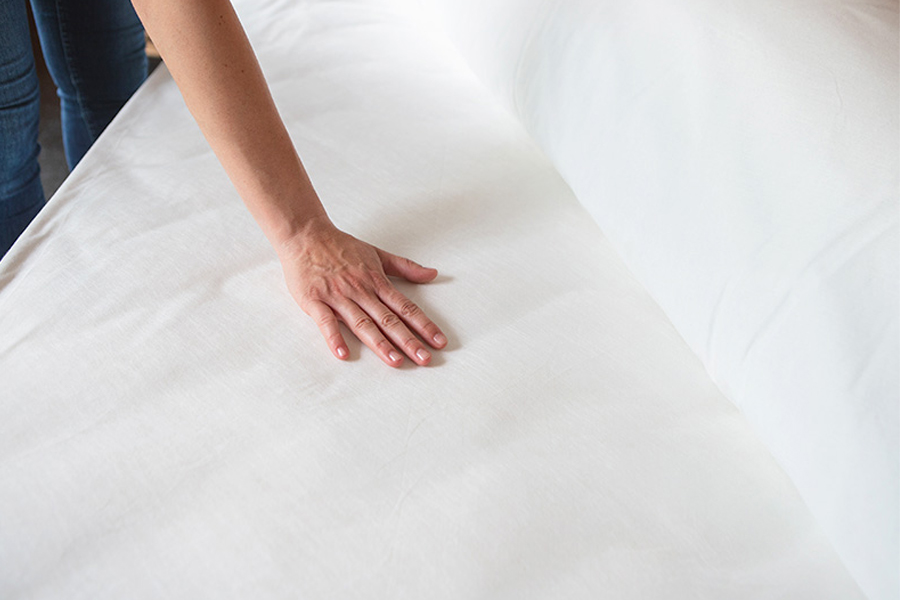
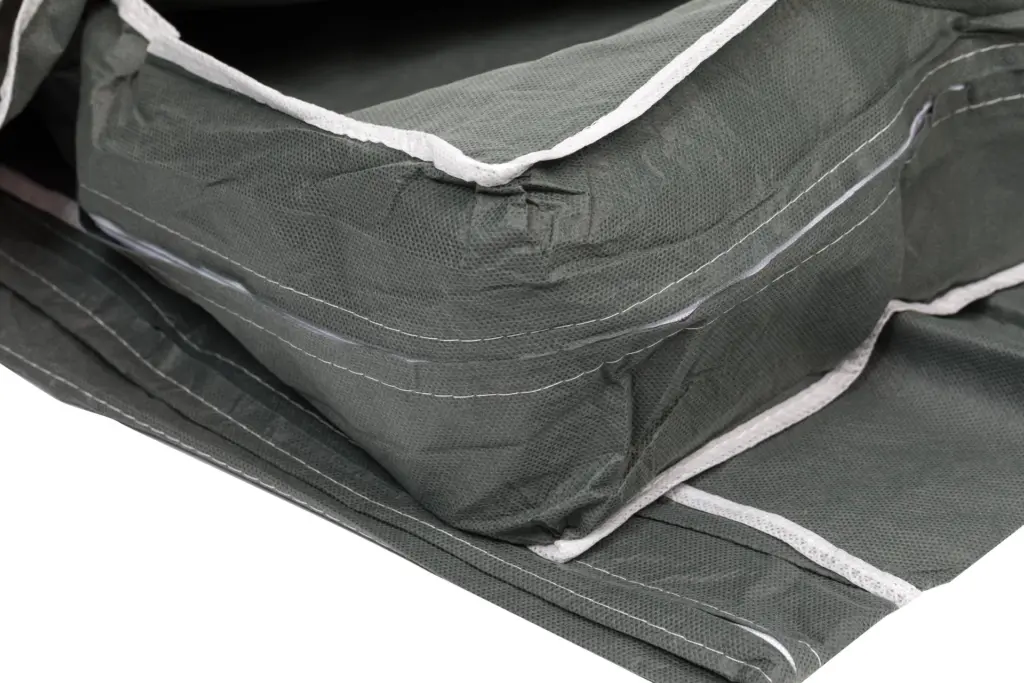
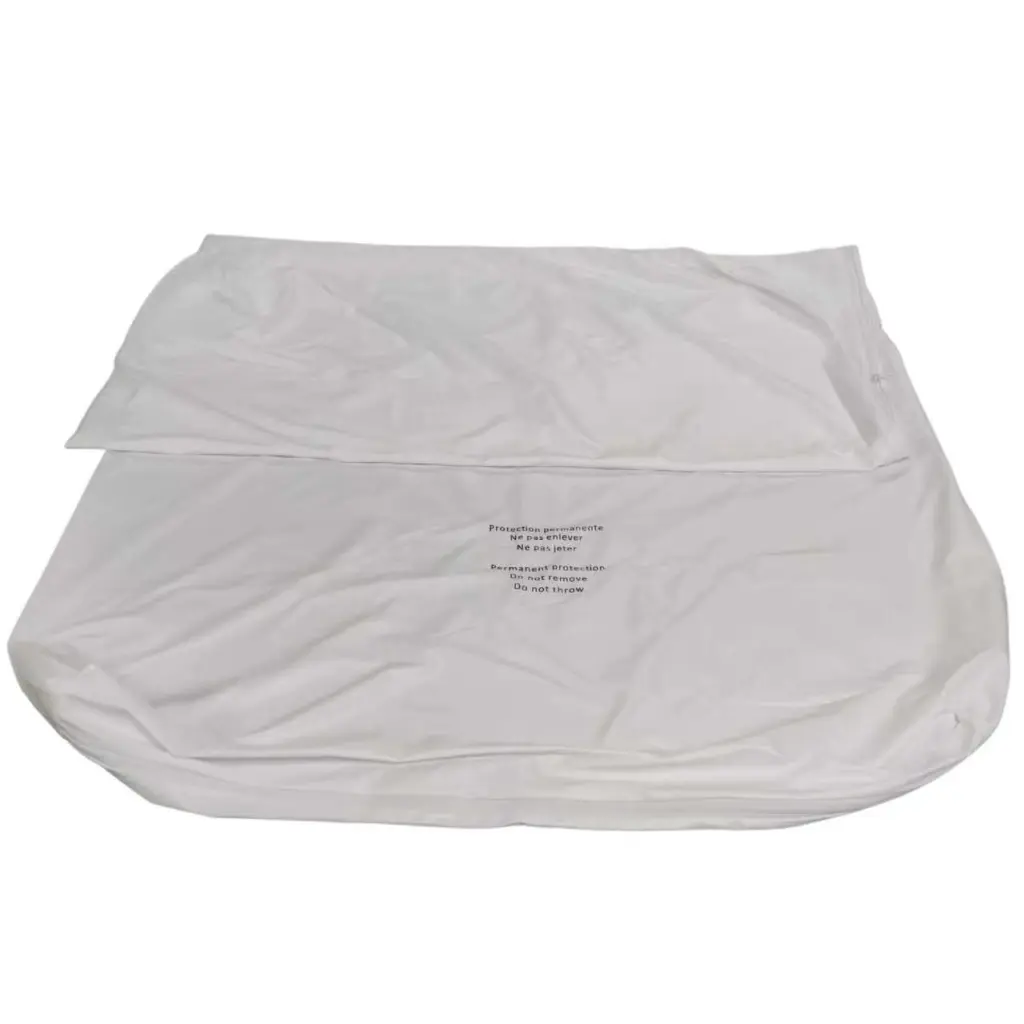
These single-use covers create a sanitary barrier between the user and mattress, helping protect against liquid, dirt, soil, spills, and contamination. They suit hotels, healthcare facilities, care homes, guest rooms, home care, travel, and temporary accommodation. The main advantage is simpler turnover: protection can be replaced instead of handled like regular washable bedding.

What Is a Protective Cover for a Mattress and Bedding?

A cover is protective bedding placed over or around the sleep surface before a bed sheet or regular sheets. Unlike bed linens used mainly for comfort, it separates the mattress from temporary-use hygiene concerns and simplifies cleanup.

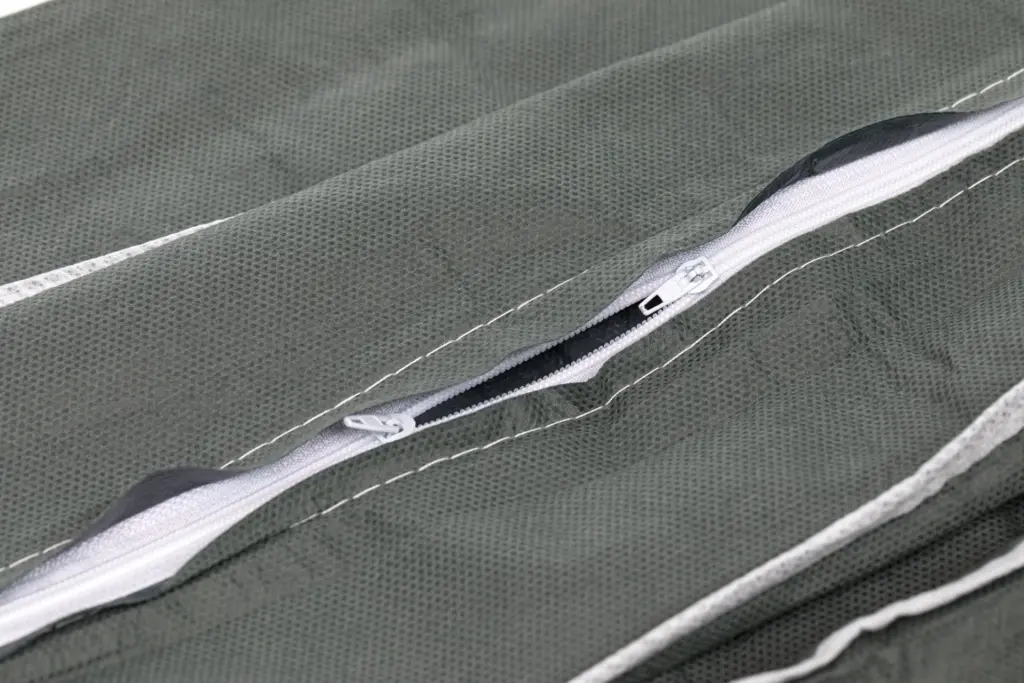
A disposable fitted cover can fit closely, while a flat style is quick to position. Choose based on the bed, expected use, and moisture risk.

Disposable Mattress Covers

Where Is Protective Bedding Commonly Used?

Protective bedding is practical where beds change users often: hospitals, clinics, examination rooms, nursing homes, elderly care, hotels, rentals, guest rooms, camps, travel accommodation, home care, moving, and storage.

For a caregiver supporting someone with mobility issues, dementia, bedwetting, or bowel issues, simpler changing sheets can make cleanup more manageable. A fresh sheet can then be placed over clean protection.

Fitted Sheet, Bed Pad, Underpad, or Mattress Protection?

These products solve different needs. A fitted sheet covers the sleep surface; a waterproof mattress protector provides broader coverage; an absorbent pad manages wetness in a smaller target area.

For incontinence care, disposable bed pads for adults, incontinence pads, chucks pads, pee pads, bed mats, or disposable underpads may be paired with a cover when absorbency is needed. Labels such as highly absorbent, super absorbent core, stay dry, or odor control describe product-specific pad features; confirm the specification.

Which Sheet Material Fits Your Protection Needs?

Material choice is a trade-off between moisture resistance, comfort, airflow, and noise.

  • CPE/PE plastic: strong moisture protection for higher exposure risk.
  • Spunbond non-woven: lightweight and softer for general comfort or short-duration use.
  • Laminated hybrid: combines a fabric-like surface with moisture-resistant backing to balance comfort, protection, and lower rustling.

If a listing mentions polyester, PVC, adhesive, fiber, or a super-soft top layer, confirm the actual construction instead of assuming those features.

Disposable Mattress Covers

Fitted Sheet, Bed Pad, Underpad, or Mattress Protection?

These products solve different needs. A fitted sheet covers the sleep surface; a waterproof mattress protector provides broader coverage; an absorbent pad manages wetness in a smaller target area.

For incontinence care, disposable bed pads for adults, incontinence pads, chucks pads, pee pads, bed mats, or disposable underpads may be paired with a cover when absorbency is needed. Labels such as highly absorbent, super absorbent core, stay dry, or odor control describe product-specific pad features; confirm the specification.

Puppy pads and a diaper product are not automatically equivalent to bedding designed for people.

How Do You Choose Sheet Size, Fit, and Protection Level?

Confirm bed dimensions and mattress depth first. Check length, width, thickness, fitted versus flat construction, and whether elastic edges should hold the cover securely.

Size labels can be ambiguous. Twin XL, extra large, oversized, “36 inches,” or “30 x 36” may describe different dimensions, so verify measurements rather than assuming fit. Don’t size underpads by mattress labels; check their actual length and width.

Then consider waterproof performance, noise, anticipated duration, ease of removal, and whether the setup will include disposable mattress pads or absorbent pads. Avoid a bulky combination that makes changing harder.


How Can Incontinence Bedding Support Easier Bed Changes?

Incontinence bedding can separate broad sleep-surface protection from targeted moisture control. A cover protects the larger surface, while an incontinence bed pad can sit where a leak is most likely.

For heavier moisture, choose a pad with suitable capacity. Products vary in construction, so confirm intended use and dimensions. The goal is practical support for an incontinent person, not a medical treatment claim.

If FSA or HSA purchasing matters, verify eligibility with your individual plan or provider; no eligibility is assumed here.

Disposable Mattress Covers