Disposable Plastic Sleeve Covers for Arm and Clothing Protection
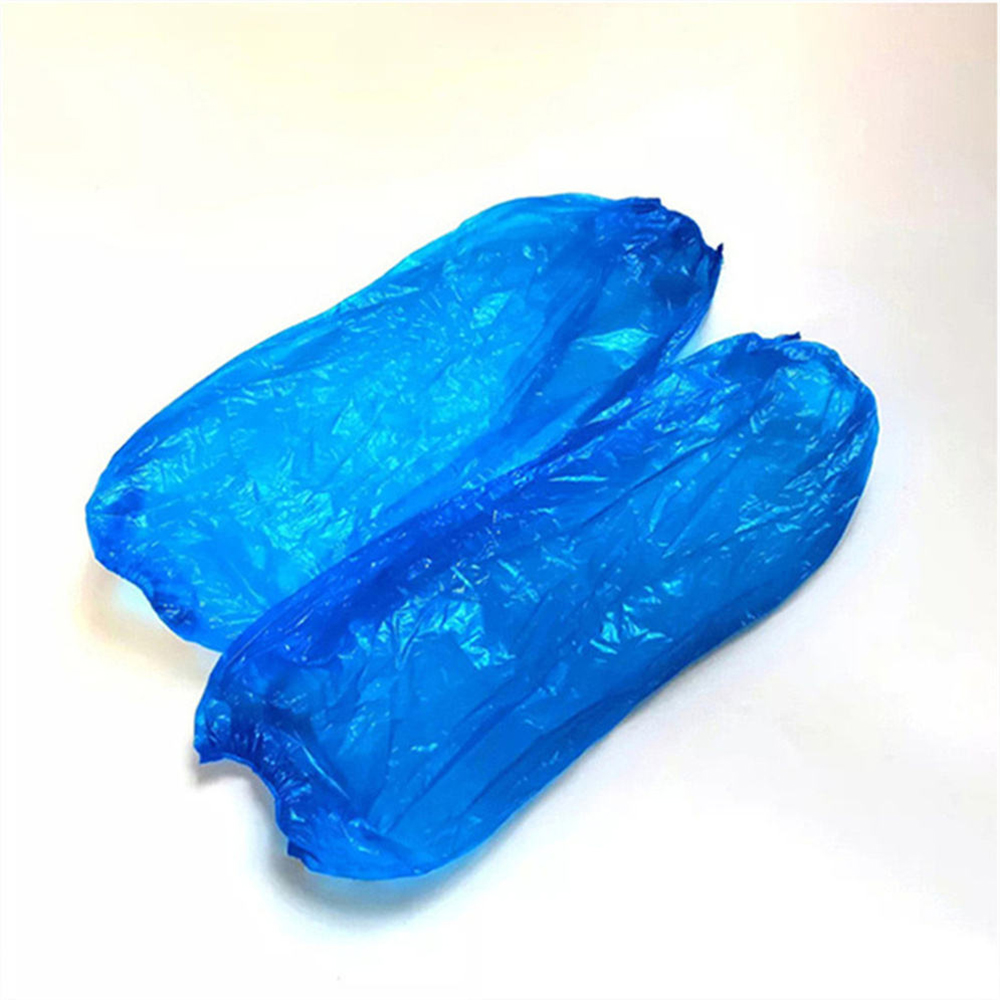
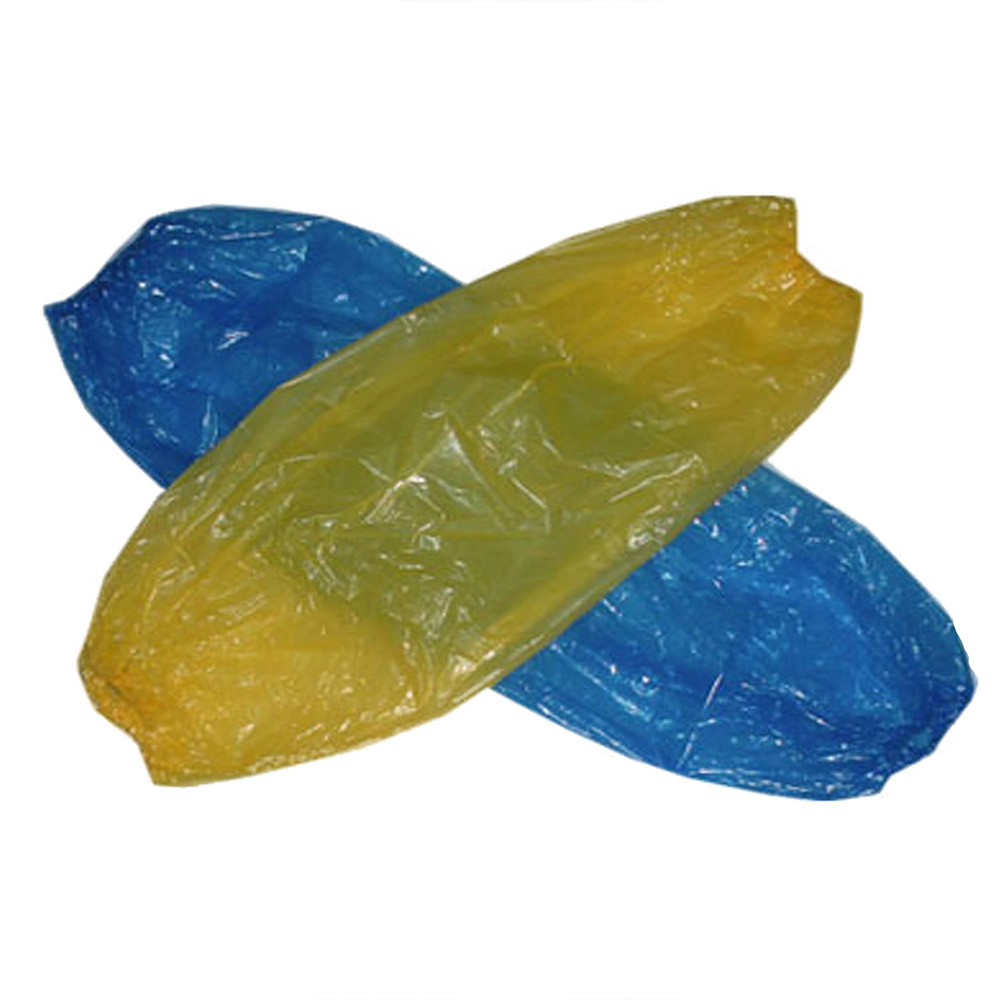
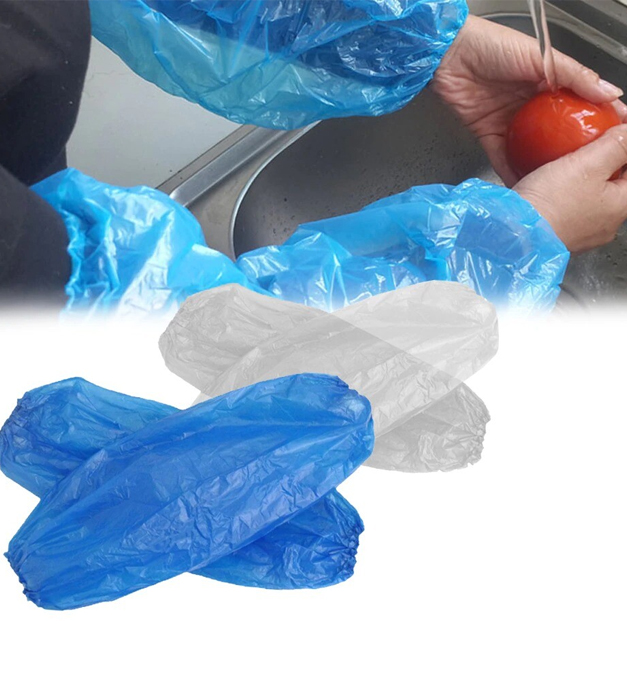
These protective sleeves are single-use covers worn over the arms and clothing to create an additional barrier between workwear and dirt, grease, routine splashes, liquids, and potential contamination. Commonly made from polyethylene, each cover typically uses elastic openings to help it stay in position. They are practical for food operations, laboratories, production sites, cleaning work, and other hygiene-sensitive workplaces where clothing needs an extra layer during a task.
What Is a Sleeve Protector and How Does It Work?
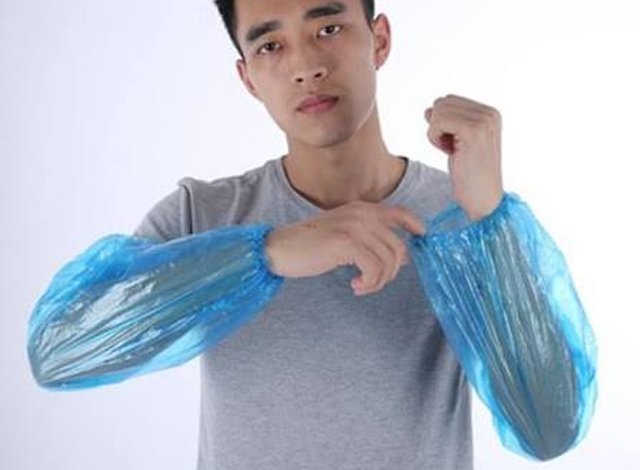
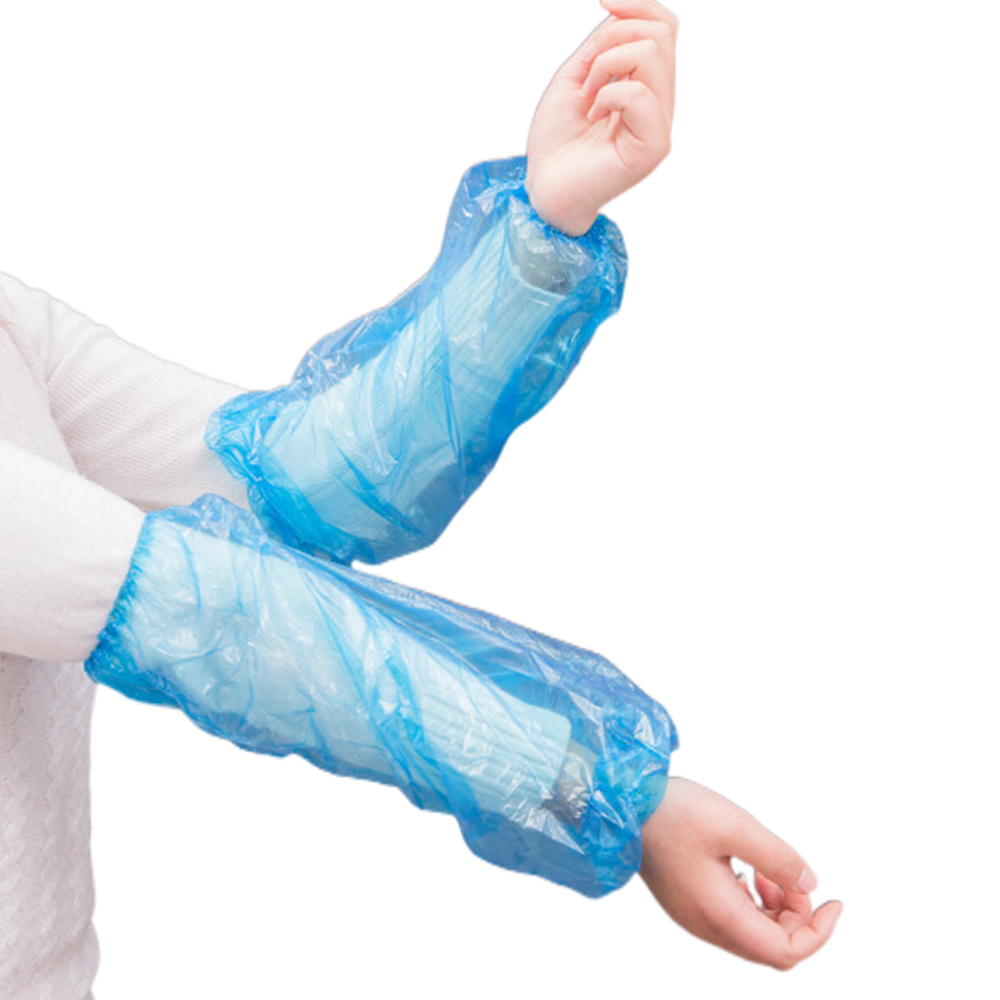
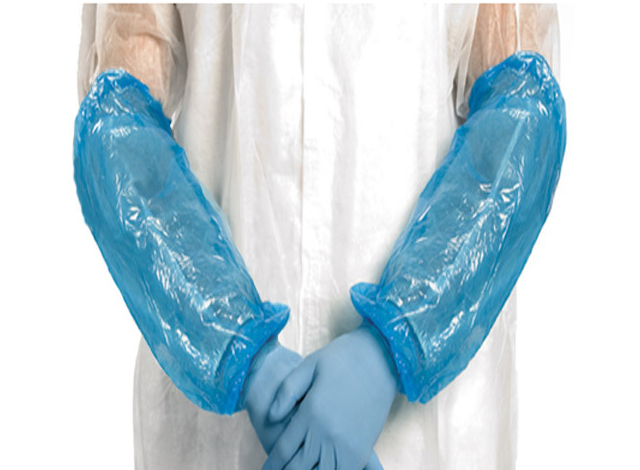
This cover is pulled over a garment sleeve and forearm before work begins. Disposable sleeve covers help separate clothing from messy work areas while adding an extra layer alongside any other PPE required by the task.
Because they are intended for one-time use, these covers can be changed between jobs or work areas according to workplace procedures, including as part of disposable protective clothing programs. Their role is straightforward: cover exposed clothing on the forearm without adding an unsupported claim about sterility, certification, or specialized safety performance.
How Do Plastic Arm Sleeves Fit at the Wrist and Cuff?
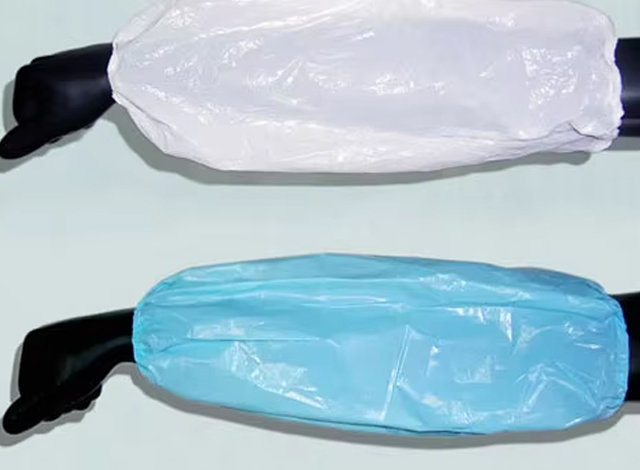
Typical PE styles use elastic ends at the lower and upper openings. Elastic cuffs help hold the material in place, while overall length determines how much coverage extends toward the elbow. A suitable size should allow normal movement and a secure fit over work clothing. Before ordering an arm cover, confirm overall dimensions, opening size, material thickness if stated, and how the product will sit in the intended environment.
Disposable Arm Sleeves: What Protection?
These covers add a protective layer between clothing and dirt, grease, oil, and a limited liquid splash. They may help shield workwear during routine splashes, but actual performance depends on the material, construction, and conditions of use. Do not assume complete waterproof performance or broad chemical resistance. For tasks involving greater liquid contact, compare the supplier’s stated performance information with your workplace requirements before selecting a product.

How Do Plastic Oversleeves Compare with Reusable and Alternative Materials?
PE-based options are one category among several. The plastic is commonly polyethylene, while alternative products may use vinyl, microporous films, Tyvek, or non-woven material; these terms should not be assumed to describe the featured PE product.
That alternative may be cleaned and worn again according to its care instructions, unlike a disposable product intended for one-time use. Compare durability, abrasion performance, liquid resistance, and chemical suitability using the supplier’s stated specifications rather than assuming different materials perform the same way.
How Should Buyers Choose Sleeve Length, Fit, and Material?
Start with the area that needs covering, then confirm dimensions, opening size, material, and expected contact conditions. An 18-inch disposable option may suit some users, while extra long versions may be considered when more upper-arm reach is required; always check measured dimensions rather than relying on a size name.
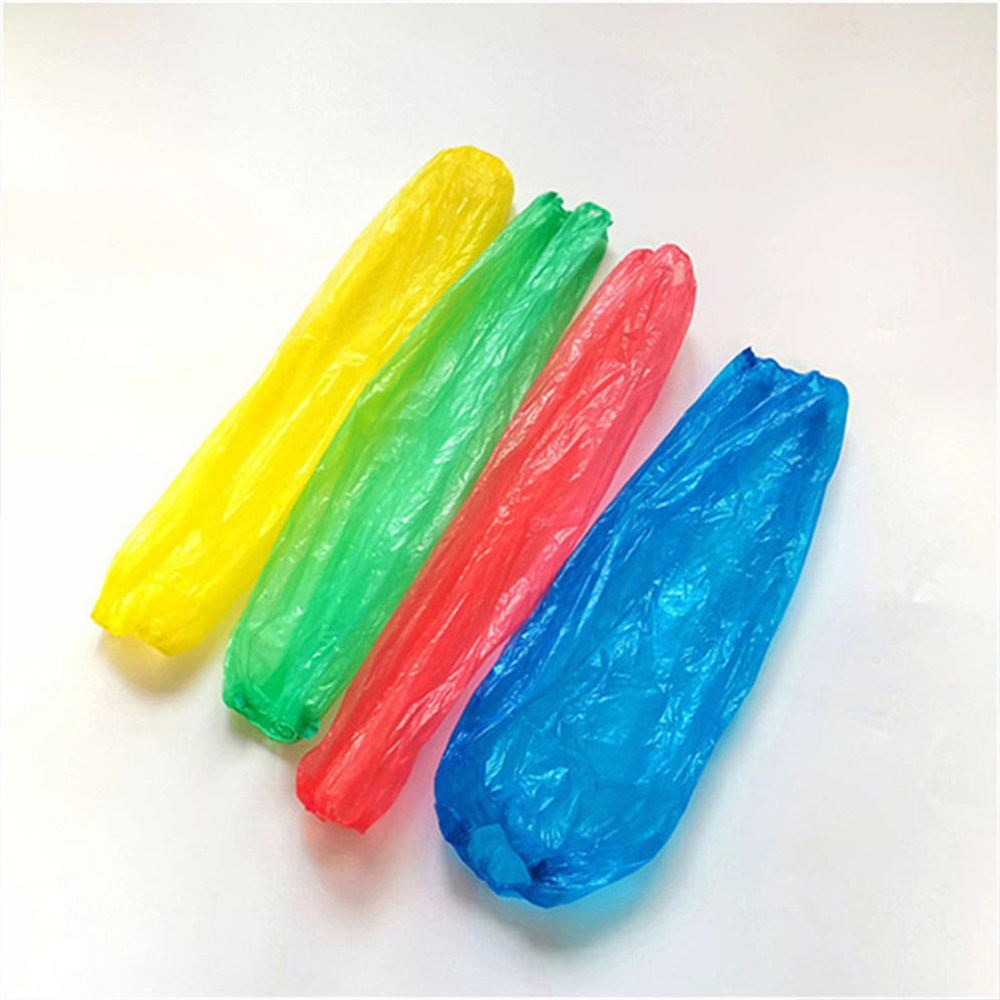
Marketplace listings sometimes use phrases such as disposable waterproof arm, waterproof plastic, blue plastic, or 100pcs waterproof, while 1000 may refer to a case quantity. The wording plastic disposable may also appear inconsistently. Verify color, pack count, liquid performance, and whether a thumb feature is actually supplied instead of treating search wording as a specification.
Comfort and task length also matter. If a listing says breathable or durable, ask what material and construction support that description, and confirm the opening remains secure during normal movement.
Where Are Oversleeves Used in Food Processing?
These facilities may use these covers to reduce contact between clothing and ingredients, moisture, grease, or work surfaces. They are also relevant to food handling and food service operations, especially in controlled processing environments where site hygiene procedures call for additional clothing barriers.
During ingredient handling, a sleeve may be worn with a glove, apron, hair covering, or other required workwear. Buyers should verify facility-specific requirements rather than assuming a product is food-certified because of its intended application.
Where Else Are Disposable Oversleeves Used?
These covers are used in laboratory work, healthcare facilities, pharmaceutical operations, manufacturing, cleaning services, home cleaning, and salon settings. Some purchasers also encounter outdoor or shower applications, but suitability depends on the specific job.
For contamination-sensitive work or wet tasks, review the actual material and performance information first. A product intended for light routine splashes may not be appropriate for more demanding exposure.