Disposable Doctor Cap with Ties for Adjustable, Secure Fit
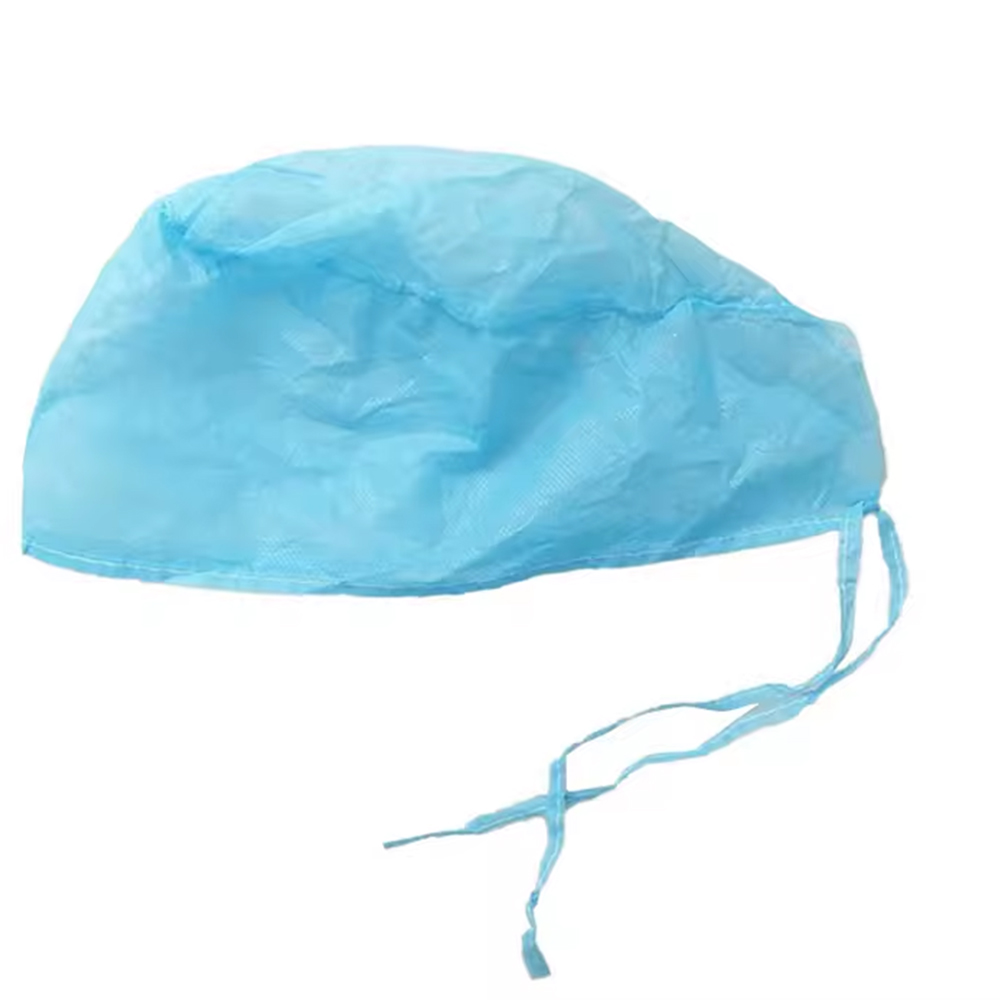
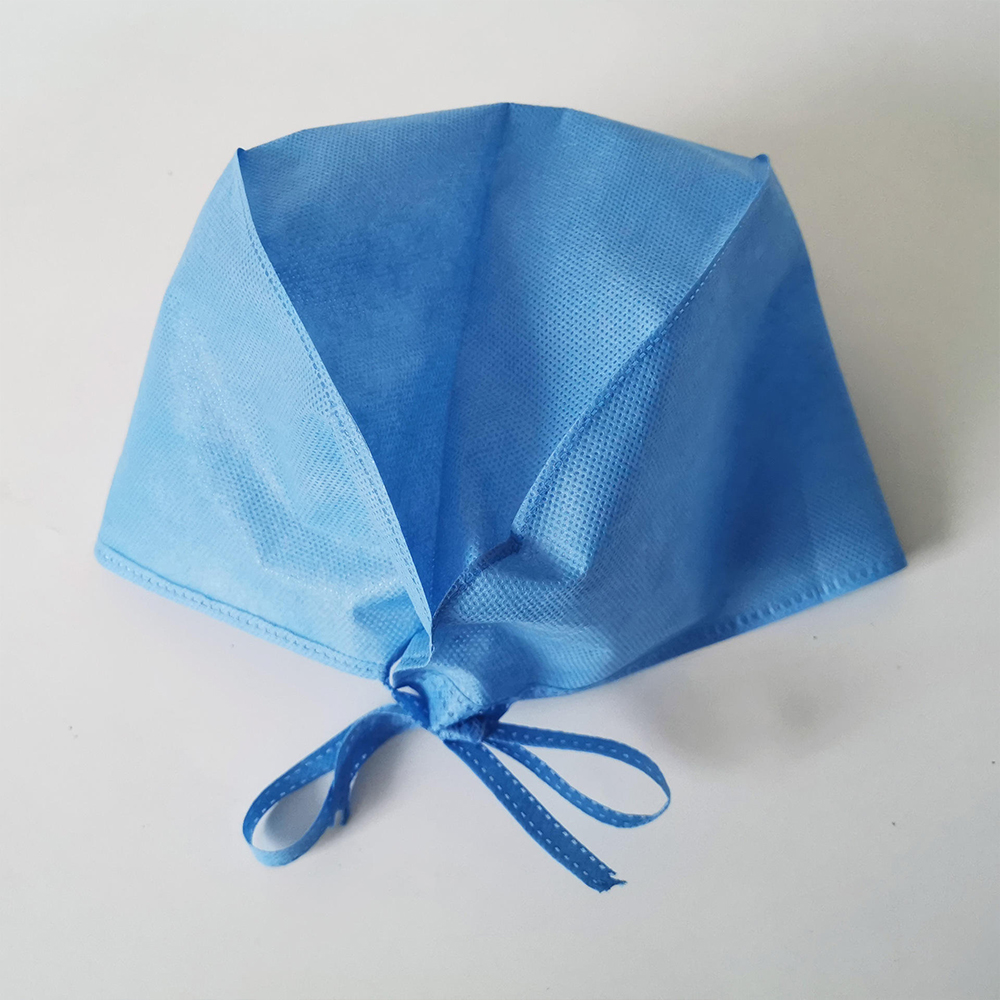
Disposable Doctor Caps with Ties are single-use surgical headwear designed to help contain hair in medical, laboratory, pharmaceutical, food-processing, and other hygiene-sensitive environments. Commonly made from lightweight, breathable non-woven polypropylene such as SBPP, or from SMS fabric, this cap uses rear ties instead of a fixed elastic opening. The tie-back design lets wearers adjust the fit for different head sizes, hairstyles, and hair volumes. Contact us to request a quote, sample, or current product specification.
What Is a Disposable Doctor Cap with Ties?
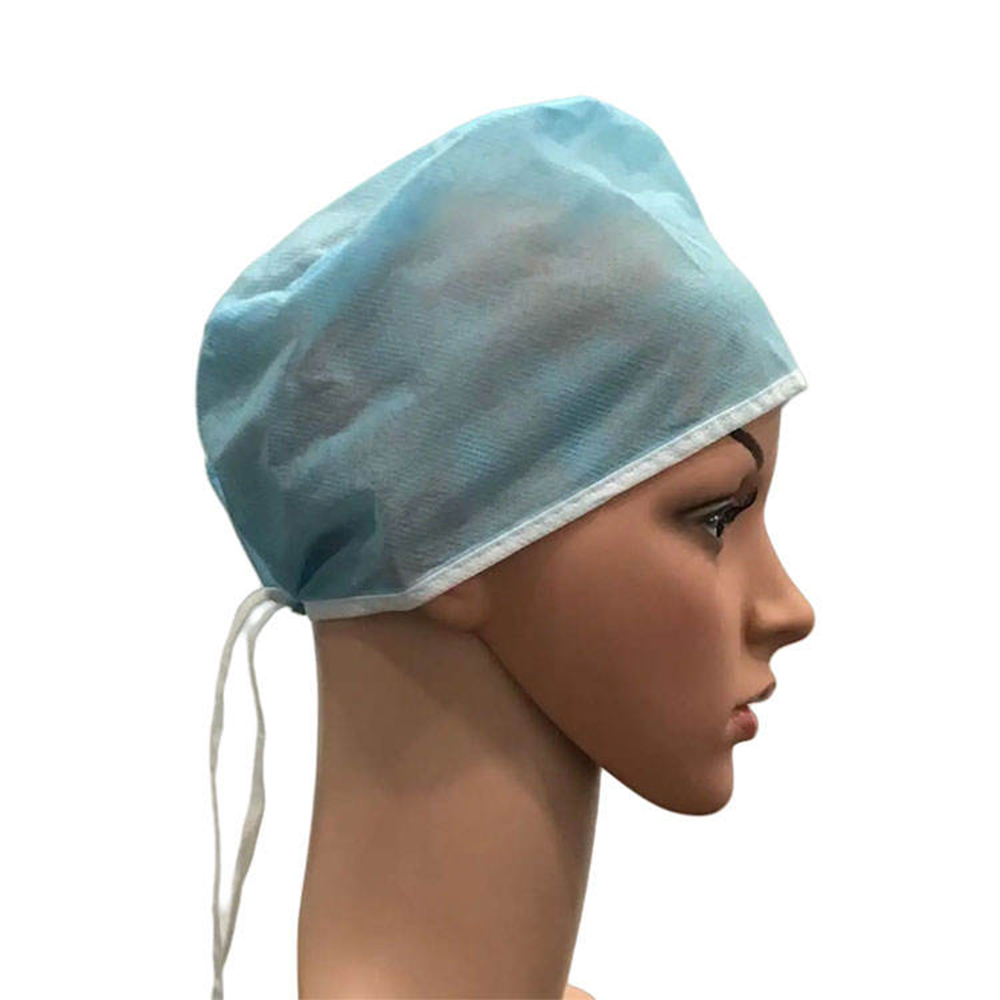
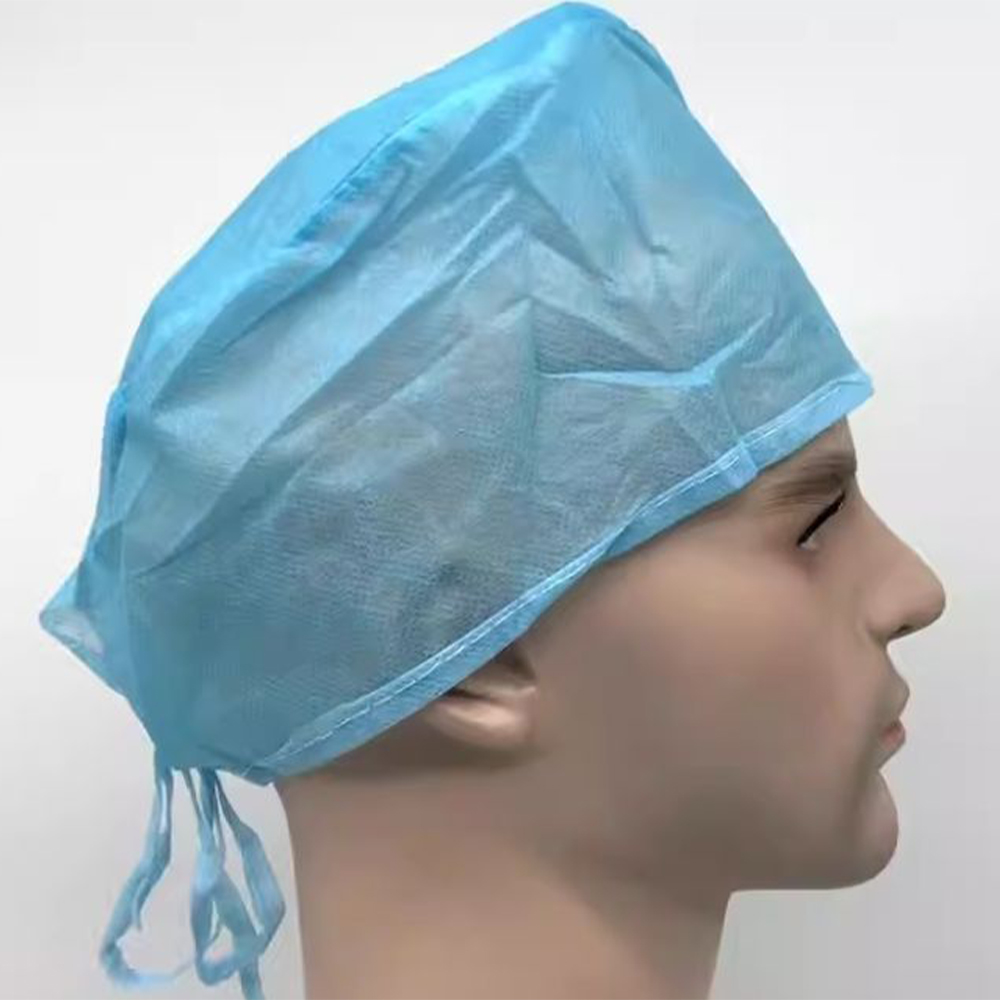
A disposable doctor cap with ties is a single-use hair cover worn to support hygiene practices by helping contain loose hair. It is a practical form of surgical cap and scrub headwear for facilities that need simple, lightweight coverage.
Unlike a fixed elastic cap, the rear tie closure can be tightened or loosened by the wearer. This makes the disposable tie-back format useful for a surgeon, nurse, laboratory worker, food-processing employee, or other staff member whose workplace requires controlled hair coverage.
What Material Is This Surgical Cap Made From?
Disposable surgical caps of this type are commonly produced from spunbond polypropylene, often described as SBPP, or from SMS non-woven fabric. FDA device listings include products described as disposable non-woven caps, disposable SMS caps, and surgical caps, while commercial head-cover listings also show polypropylene and SMS constructions. The exact fabric, basis weight, softness, breathability, and lint characteristics depend on the selected specification. Buyers should confirm the material rather than assume every scrub cap has the same construction or performance.

How Does the Tie Closure Improve Cap Fit?
The tie closure gives the wearer direct control over how closely the cap sits around the head. Rear ties can accommodate different hairstyles and hair volumes more flexibly than a fixed opening, without implying that one closure style is medically superior. This adjustable design is also used in commercially available surgeon caps; current product listings describe tie-back or tie-on styling for achieving a comfortable fit. For teams evaluating fit, consider the cap shape, depth, tie length, fabric feel, and intended coverage before approving a bulk order.
Key Product Features of a Disposable Tie-Back Cap
For purchasing teams, the main benefit is adjustability without relying on a fixed elastic back. The cap can be tied to suit the wearer while remaining straightforward to put on, remove, and dispose of after use.
Typical product characteristics can include:
Soft, lightweight construction for routine wear
Breathable nonwoven fabric
Polypropylene or SMS material options
Adjustable rear ties for a secure fit
Blue, green, white, or other colors when available
Different sizes, fabric weights, pack quantities, and packaging configurations
Latex-free or low-lint construction only when confirmed by the applicable specification
How Does the Tie Closure Improve Cap Fit?
The tie closure gives the wearer direct control over how closely the cap sits around the head. Rear ties can accommodate different hairstyles and hair volumes more flexibly than a fixed opening, without implying that one closure style is medically superior.
This adjustable design is also used in commercially available surgeon caps; current product listings describe tie-back or tie-on styling for achieving a comfortable fit.
For teams evaluating fit, consider the cap shape, depth, tie length, fabric feel, and intended coverage before approving a bulk order.
Where Are Disposable Surgical Caps Commonly Used?
Disposable surgical caps are commonly considered for hospitals, clinics, operating areas, laboratories, pharmaceutical manufacturing, food processing, beauty facilities, clean working areas, and other hygiene-sensitive workplaces. The FDA’s current device database also uses “cap, surgical” as a listed device category.
The correct cap should match the environment, facility procedures, and applicable safety or hygiene requirements. A hair cover is only one part of workplace attire and should not be treated as a substitute for other required protective clothing or controls.