
Disposable Flat Bed Sheets for Medical, Spa and Treatment Use
Disposable flat bed sheets are single-use rectangular coverings designed for beds, stretchers, exam tables, and treatment surfaces without elasticized corners. They offer a practical way to support hygiene procedures, protect surfaces, and speed up changeovers in medical, health, spa, massage, salon, and tattoo settings. Choose the right material, size, and weight for your application before ordering.
What Is a Disposable Flat Sheet?
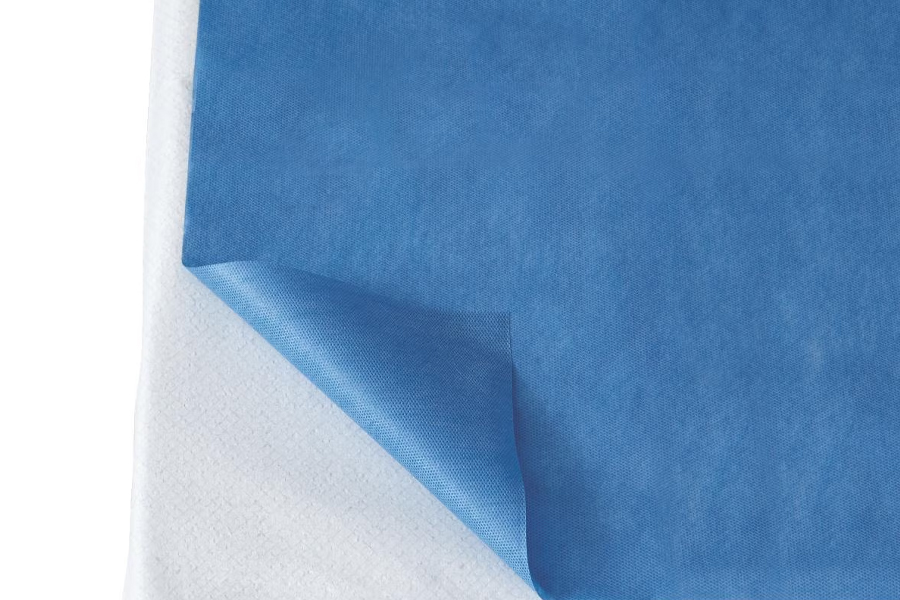
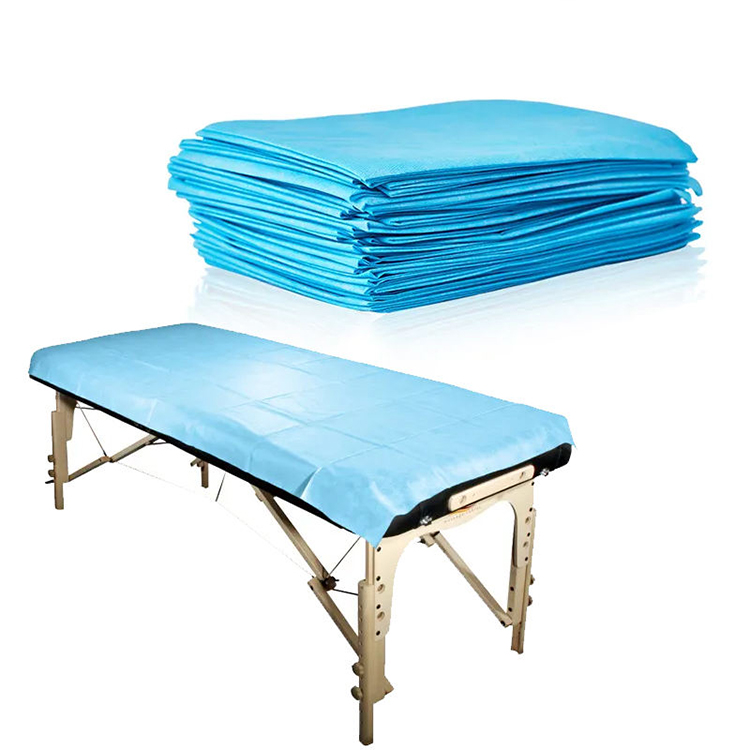
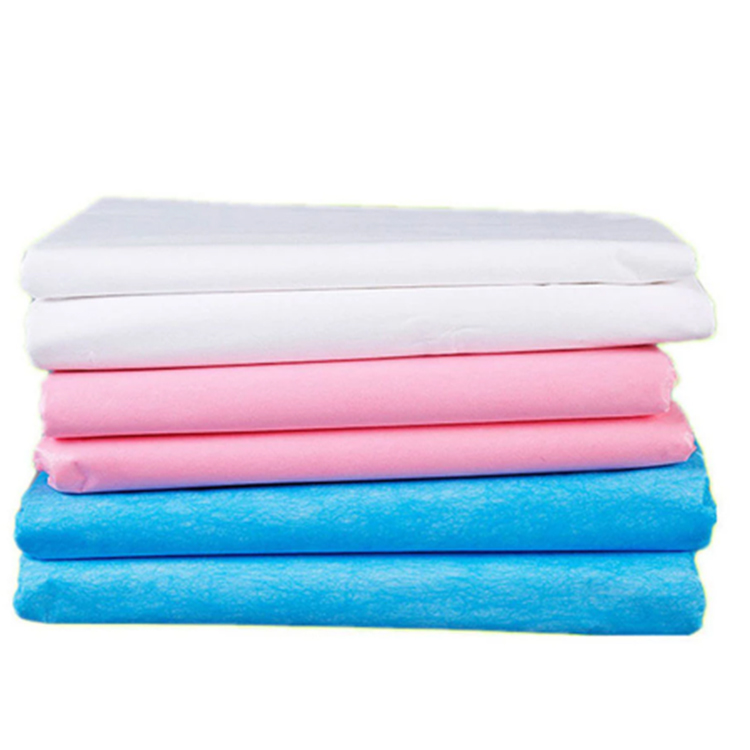
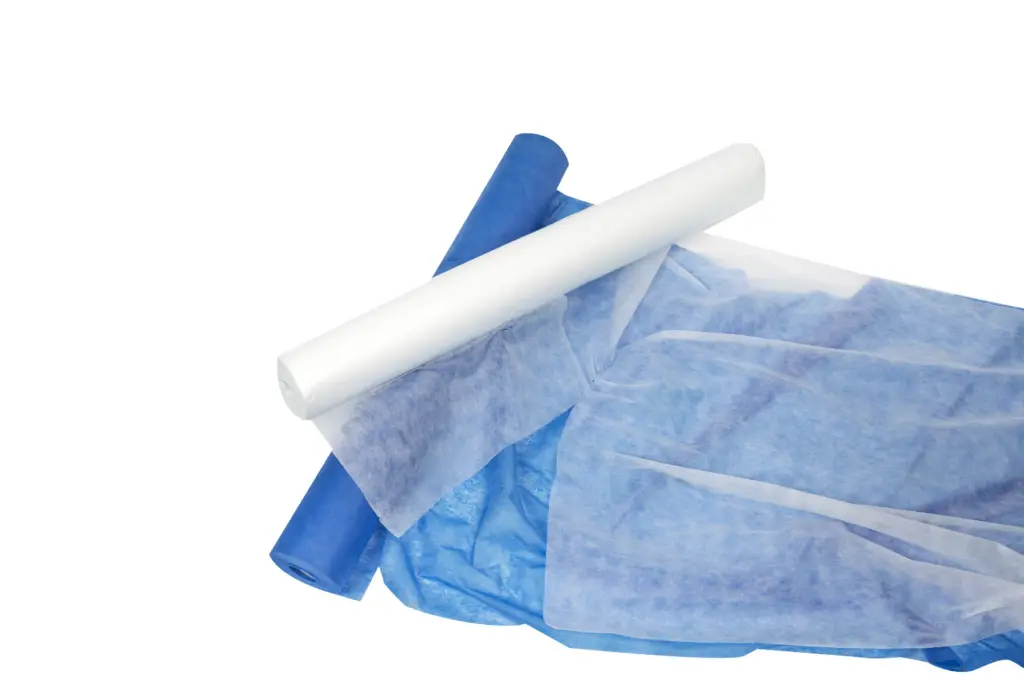
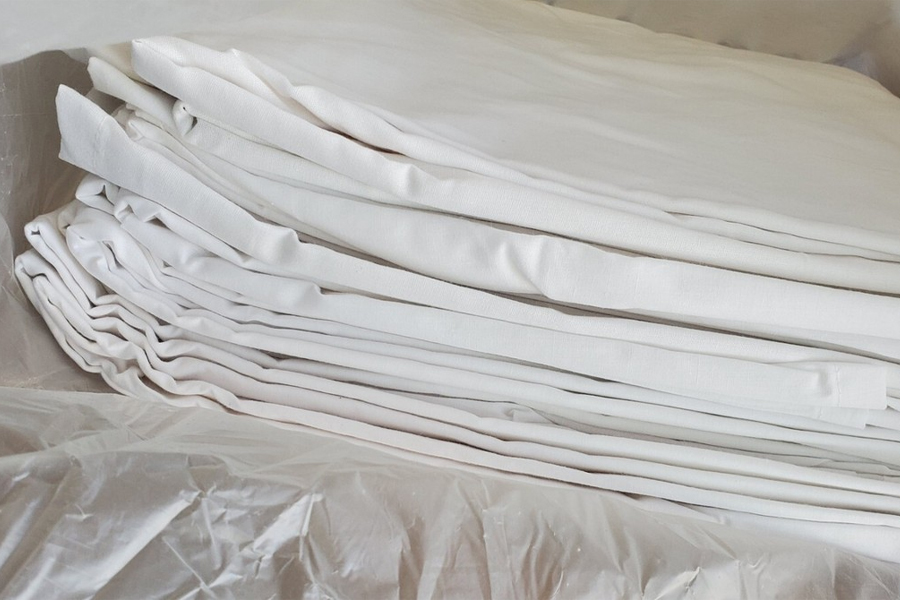
A disposable flat sheet is a single-use rectangular sheet that lies over a bed or treatment surface rather than stretching around it. Unlike fitted sheets, disposable flat sheets have no elasticized edges or corners, so staff can position, fold, tuck, or remove them quickly.
This simple design suits buyers who need flexible coverage for different tables, stretchers, or beds and want an item that can be changed between uses according to workplace procedures.
What Sizes and GSM Are Available?
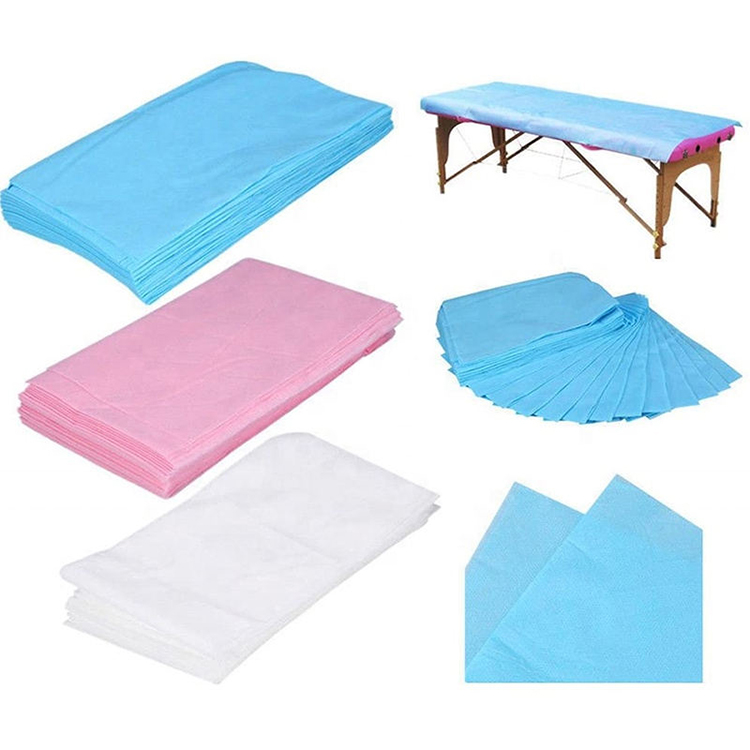
Disposable bed sheets are sold in different dimensions and material weights, so the correct fit depends on the surface being covered. GSM means grams per square meter and indicates material weight; a higher GSM generally means more material per unit area, although construction also affects performance.
Common market examples include 40 × 78 inch non-woven sheets, 40 × 60 inch or 40 × 96 inch tissue/poly sheets, 140 × 229 cm polypropylene sheets, and approximately 20–50 GSM non-woven options. These are market examples, not guaranteed specifications.
Measure the bed, stretcher, or table and allow enough excess for positioning or tucking.
Where Are Disposable Flat Bed Sheets Used?
Disposable flat bed sheets are commonly used where frequent surface changeovers are important. Typical applications include hospital and clinic beds, examination rooms, disposable stretcher coverage, spa tables, massage tables, salon treatment beds, tattoo stations, and similar care environments.
They may also be relevant for selected hotel, temporary-care, or mobile-service situations where single-use bedding is required. Depending on the setup, buyers may source related products such as a pillowcase, protective pad, or other disposable medical equipment covering.
How to Compare Disposable Bed Sheets Before Buying
Compare the specification, not just the price per pack. Important purchasing points include:
- material and construction;
- sheet size and usable coverage;
- GSM or material weight;
- tear resistance and strength;
- absorbency and fluid protection;
- pack quantity and packaging format;
- price per sheet, not only case price;
- intended application and required changeover routine.
For wholesale sourcing, request a data sheet or sample when available. If you shop online or compare a third-party brand such as Medline, use the listed specification only as a reference point and confirm that the product you order matches your actual requirements.
Flat Sheets vs. Fitted Sheets: Which Design Should You Choose?
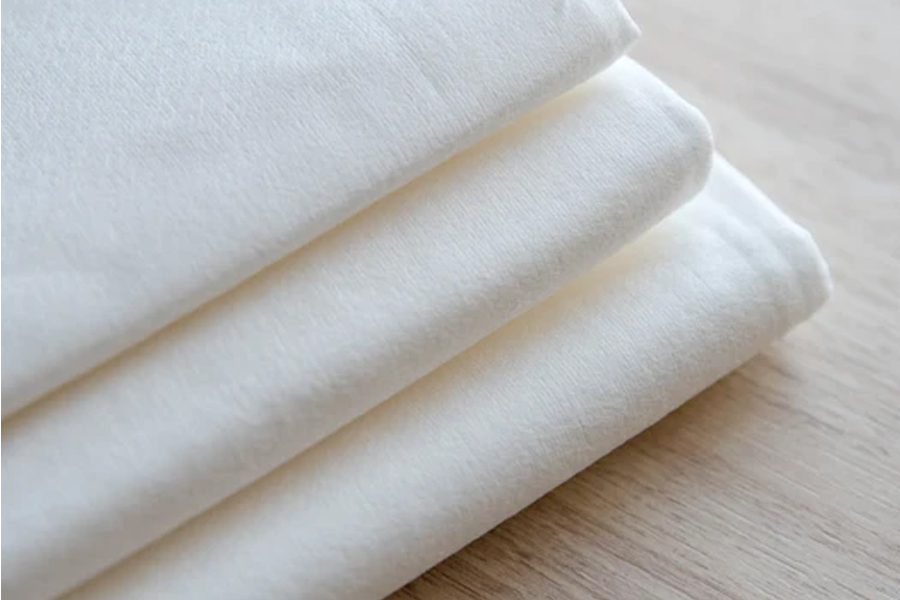
Flat sheets offer positioning flexibility because they do not depend on elastic corners or a precise mattress profile. A flat design may be useful when one size needs to cover several treatment surfaces or when fast removal is important.
Fitted sheets can provide a more secure hold around compatible mattresses or tables. If your priority is convenience across varying equipment sizes, a disposable flat option may be easier to standardize. If secure edge retention matters more, compare fitted designs before buying.
How Do Single-Use Sheets Support Hygiene and Surface Protection?
Single-use sheets can support hygiene workflows by providing a fresh covering for each scheduled changeover and by helping protect underlying surfaces from contact, stains, or spills. They do not replace cleaning, disinfection, or established infection control procedures.
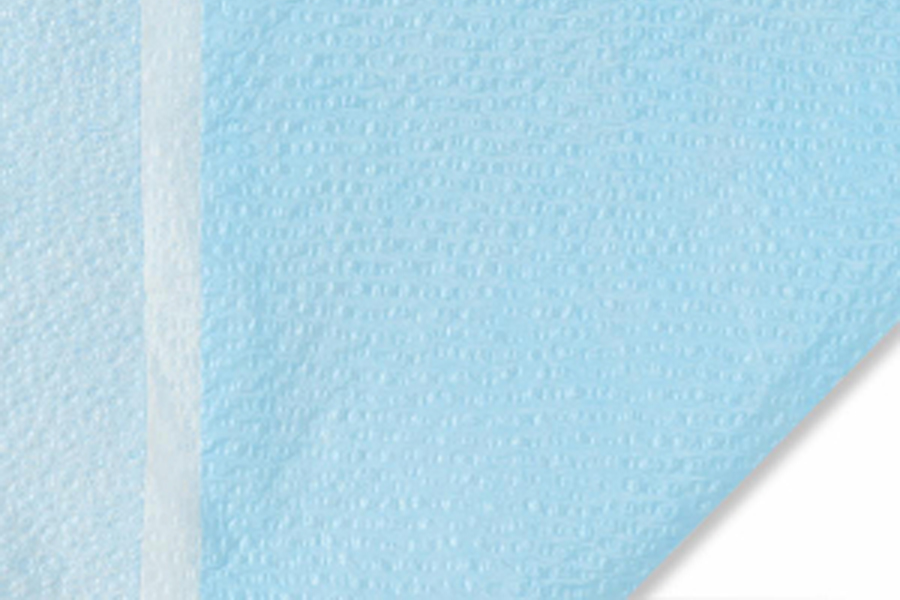
For environments where fluid exposure is a concern, compare water-repellent or waterproof constructions, absorbent layers, and poly-backed options. The correct choice should match the intended task rather than relying on broad claims such as “medical quality.”
Common Applications
Disposable reflective coveralls can be considered for tasks where both disposable clothing and improved low-light visibility are useful, including construction sites, road or utility maintenance, warehouses, logistics operations, industrial maintenance, waste handling, environmental cleanup, emergency work, railway projects, and infrastructure jobs.
Suitability depends on the hazard. A garment intended for dust, dirt, or limited splash exposure should not be assumed suitable for chemicals, flame, heat, biological hazards, or other higher-risk conditions unless the required protection is specifically tested and certified.
Frequently Asked Questions
What is the difference between a disposable flat sheet and a fitted sheet?
A disposable flat sheet is a rectangular single-use covering without elasticized corners. Unlike fitted sheets, it can be placed directly over different beds, treatment tables, or other surfaces.
Are disposable flat sheets waterproof?
It depends on the material. Tissue/poly sheets use a tissue layer with a polyethylene layer for added fluid protection, while other disposable sheets may not be fully impervious. Medline, for example, lists tissue/poly flat sheets designed for fluid protection and also sells other flat sheets specifically described as not impervious.
Where can disposable flat sheets be used?
They are commonly used on medical beds, exam tables, treatment tables, stretchers, spa tables, and massage tables. Medline specifically lists exam tables, stretchers, and furniture among the applications for its disposable tissue/poly sheets.
What materials are available for disposable flat sheets?
Common options include non-woven polypropylene (PP), SMS, PP+PE, and tissue/poly. Buyers should compare the material according to the required weight, strength, absorbency, and fluid protection.
How do I choose the right disposable sheet size?
Measure the bed or treatment surface first, then compare the sheet dimensions and required coverage. Size, GSM, material, strength, pack quantity, and cost per sheet are useful specifications to check before ordering. Medline’s current product range also shows that flat-sheet dimensions can vary between products, including 40 × 72 inch and 40 × 90 inch options.