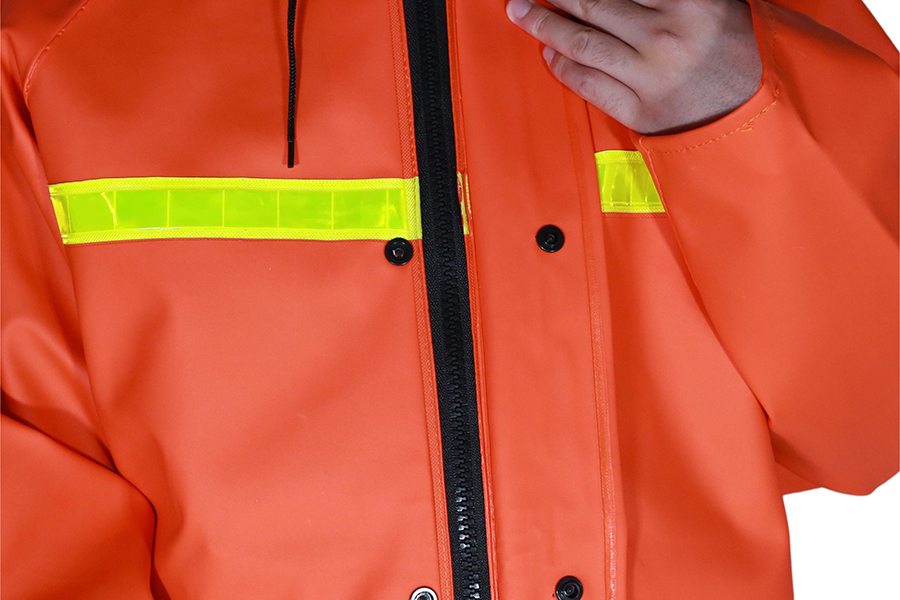
Rain Jackets and Raincoats: Waterproof Protection to Keep You Dry
A raincoat is a waterproof or water-resistant coat designed to help keep you dry in the rain. Rainwear may be made from nylon, polyester, PVC, or other waterproof fabrics, with useful details such as a hood, sealed seams, pockets, ventilation, and water-resistant or waterproof closures. Choose the right rain jacket for your weather, activity, and comfort needs, then explore styles built for everything from daily commutes to active adventures.
What Is a Rain Jacket and How Does It Keep You Dry?
A rain jacket creates a protective barrier between you and wet weather. Waterproof models are designed to block rain from reaching inner layers, while lighter water-resistant options are better suited to brief showers or everyday wear.
The right raincoat also helps manage exposure around openings and seams. A well-fitted hood, protected zipper, and seam-sealed construction can reduce the places where water finds a way in, helping you stay comfortable on rainy days.
What Makes a Rain Jacket Waterproof or Water-Resistant?
Waterproof and water-resistant are not the same. A waterproof jacket uses a membrane, coating, or other barrier designed to prevent rain from passing through, while water-resistant apparel offers more limited protection and is generally better for lighter precipitation. Many technical shells also use a durable water-repellent (DWR) finish on the outer fabric. DWR helps water bead and shed from the surface, while the underlying waterproof construction does the main work of blocking rain.
Which Raincoat Materials and Waterproof Construction Matter?
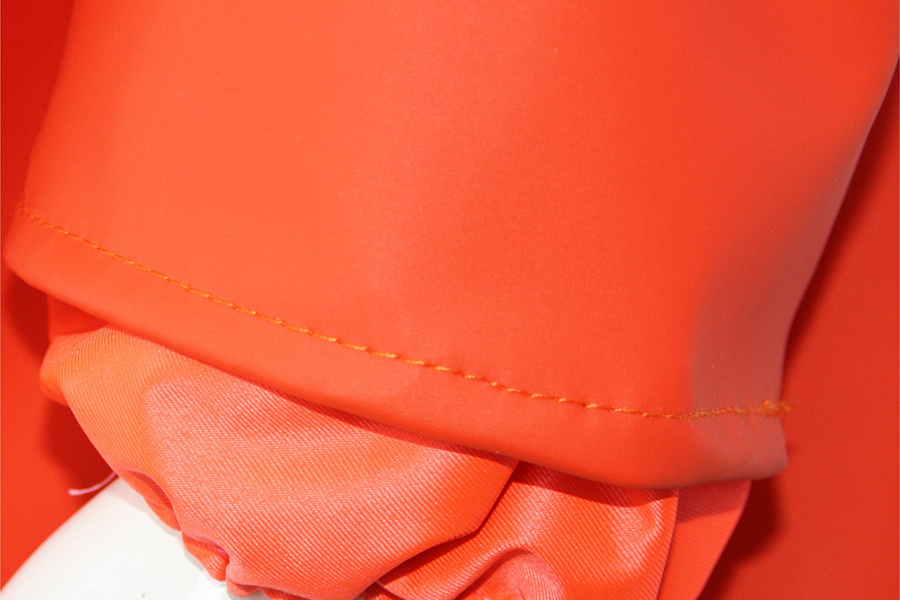
A rain coat can use nylon, polyester, PVC, polyurethane-based materials, or layered fabrics engineered for wet conditions. The best choice depends on how you plan to use the coat: simple coated fabrics can prioritize straightforward rain protection, while multi-layer rain shell construction can combine waterproofness with better breathability. Look beyond the face fabric. Taped seams, fully taped seams, coatings, membranes, and seam-sealed construction can all affect how a waterproof coat performs when rain lasts longer than a quick shower.
How Breathable Should a Rain Jacket Be?
Breathability matters most when you are moving, hiking, commuting quickly, or wearing a shell in mild weather. Waterproof/breathable rainwear is designed to block precipitation while allowing some moisture vapor from sweat to escape, helping reduce the clammy feeling that can build inside less breathable rain gear.
Mechanical ventilation can help too. Pit zips, back vents, mesh-lined areas, and adjustable openings can increase airflow when activity levels rise.
Which Hood, Zipper and Seam Features Are Worth Having?
Useful rain jacket features make protection easier to adjust around your body. An adjustable hood can improve coverage in wind, while a drawstring or other adjustment helps control fit around the face.
Also compare:
- taped or sealed seams at vulnerable stitch lines
- a protected or water-resistant zipper
- secure pockets positioned for your intended use
- adjustable cuffs and hem
- vents for added airflow
For heavy rain or a downpour, details that limit exposed openings can matter as much as the main waterproof fabric.
When Is a Lightweight or Packable Rain Shell Best?
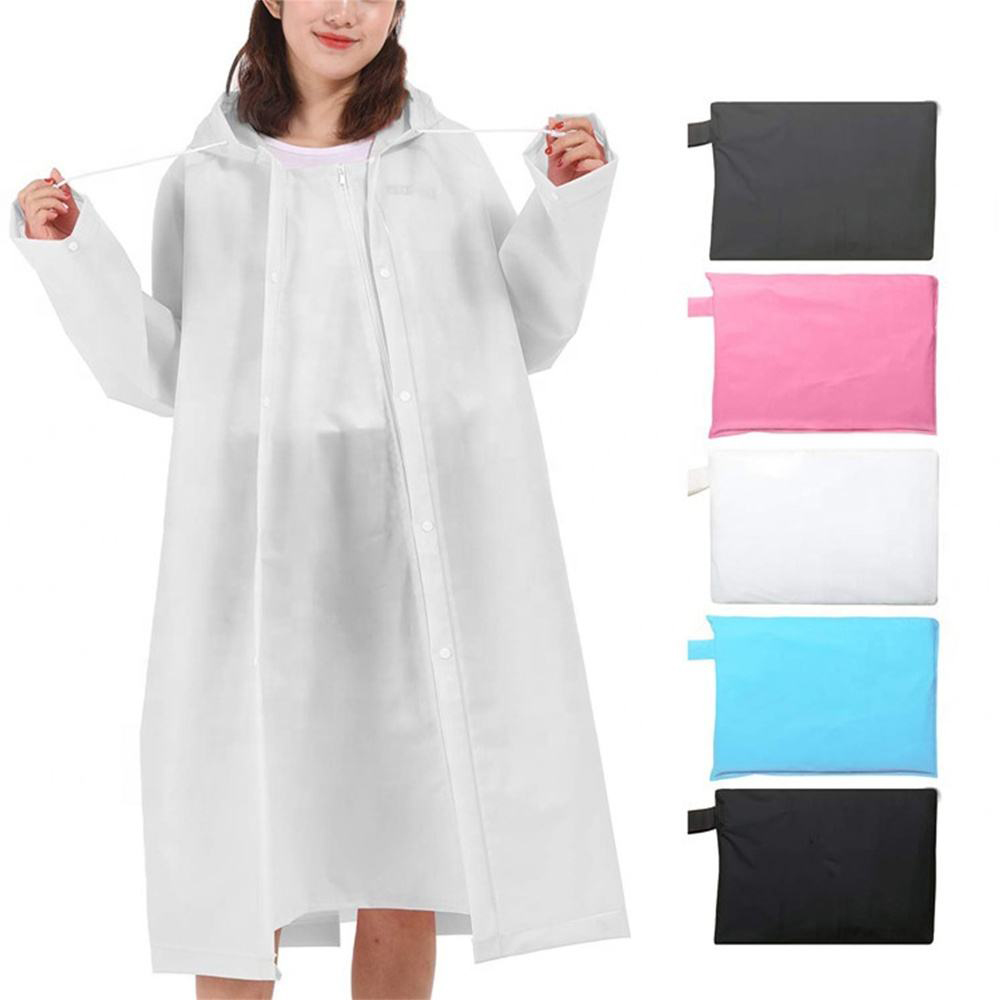
A lightweight rain jacket is ideal when you want weather protection without carrying a bulky coat. Packable designs work well for travel, day hikes, changing forecasts, and bags where space is limited; some shells can even stow into a pocket.
For colder conditions, remember that a rain shell is usually about weather protection rather than insulation. Choose room for warm layers underneath if you need to insulate, or consider a long jacket when you want more coverage for commuting and everyday wear.
What Types of Rain Gear and Raincoats Can You Compare?
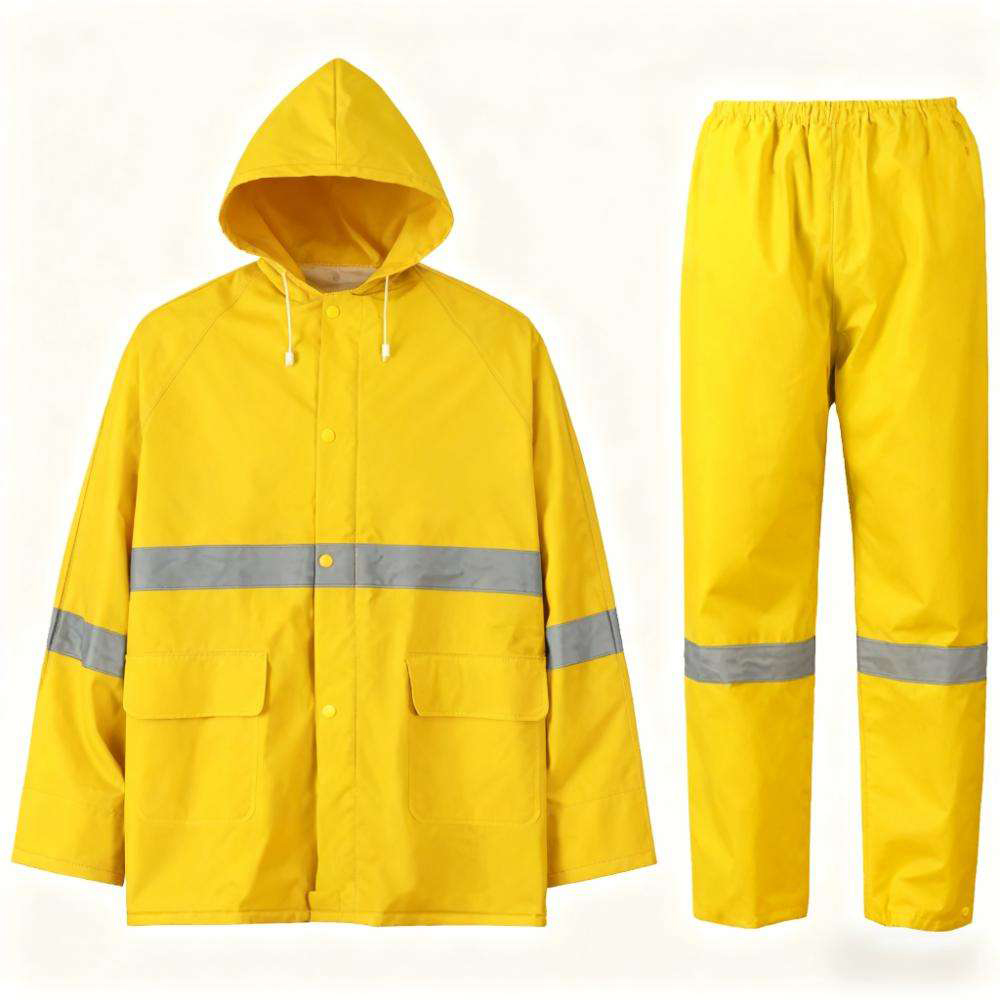
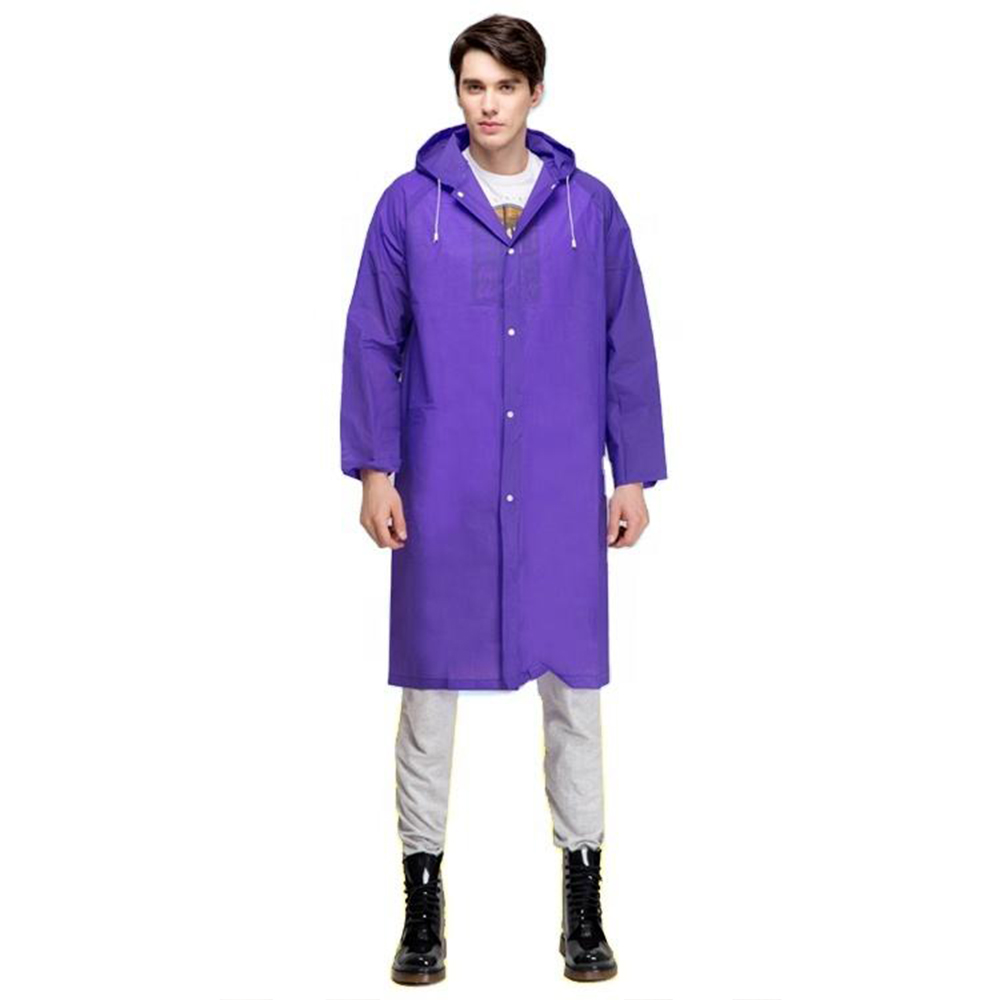
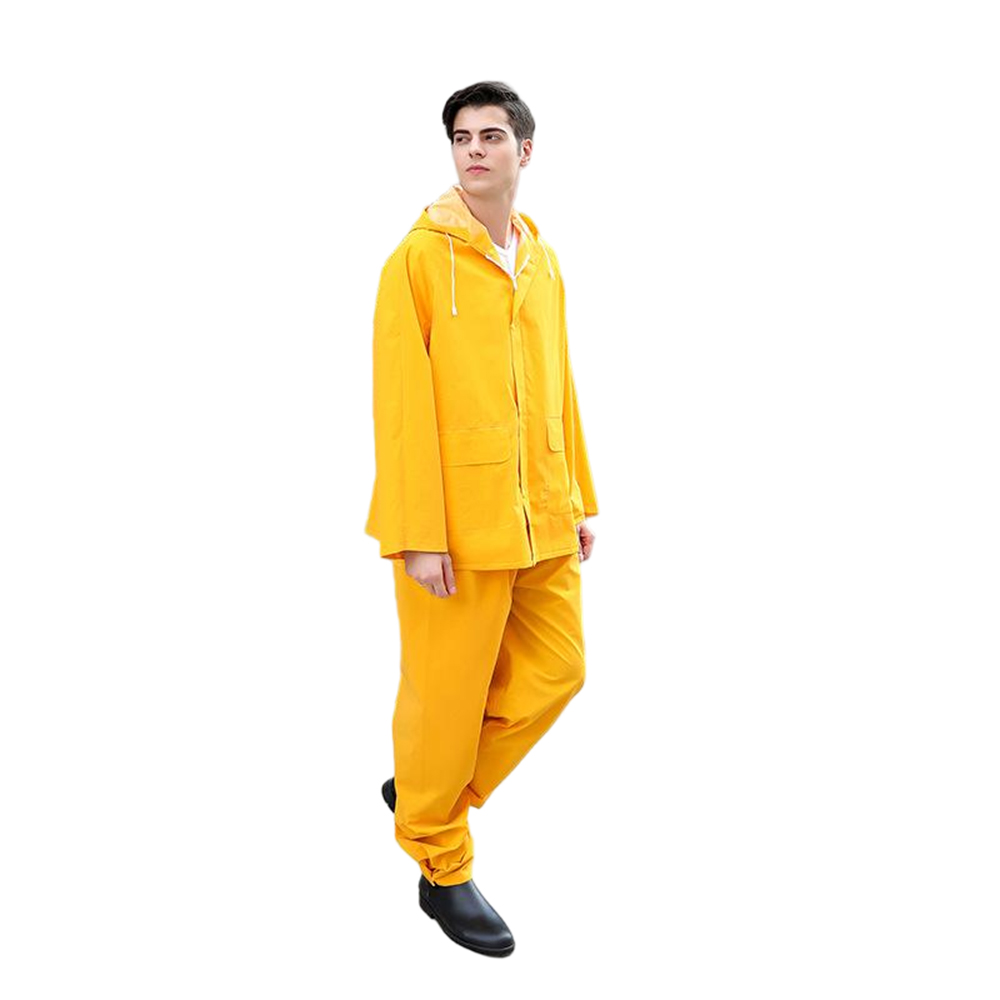
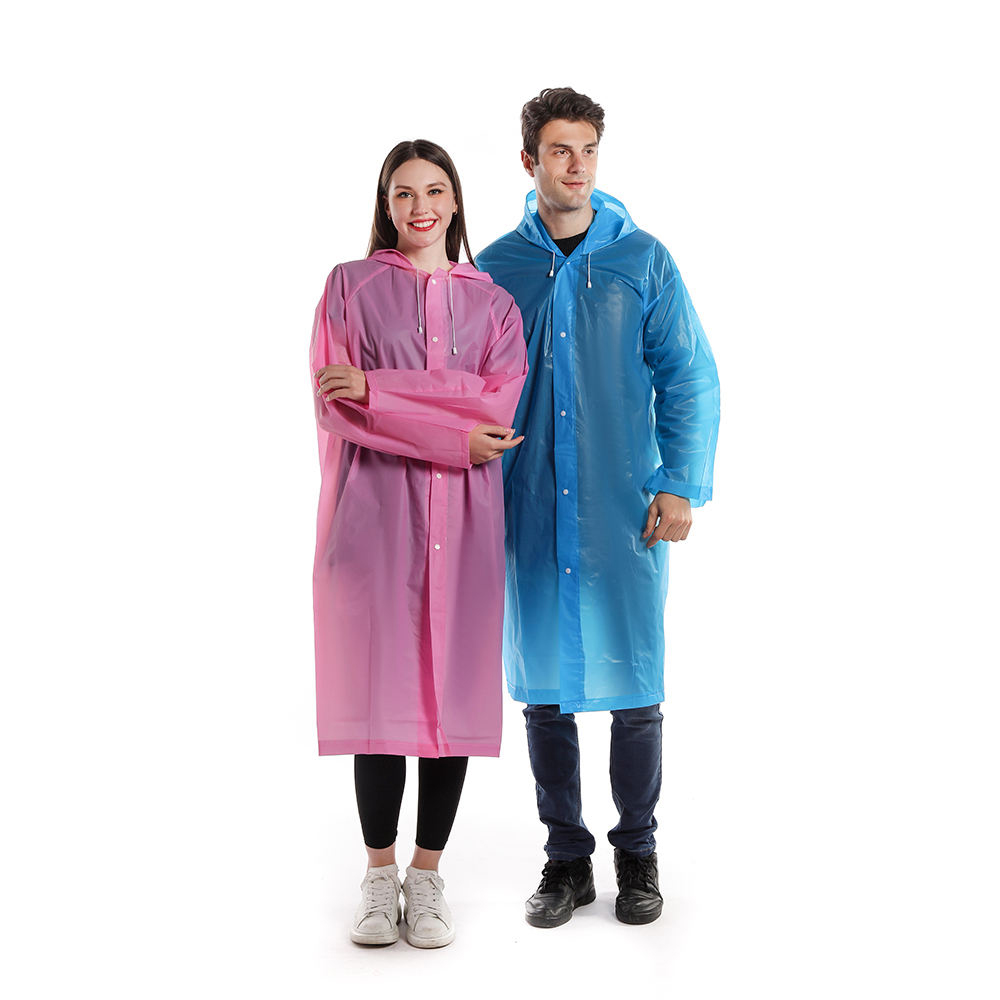
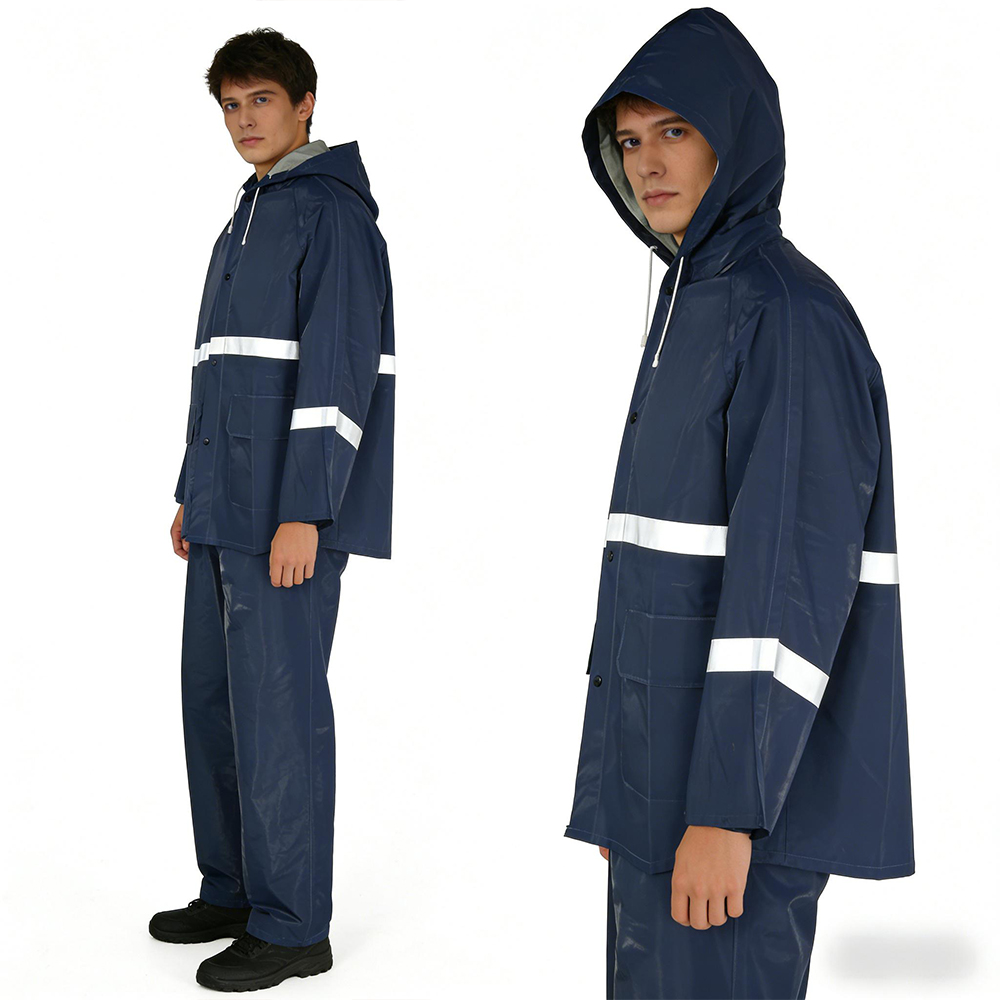
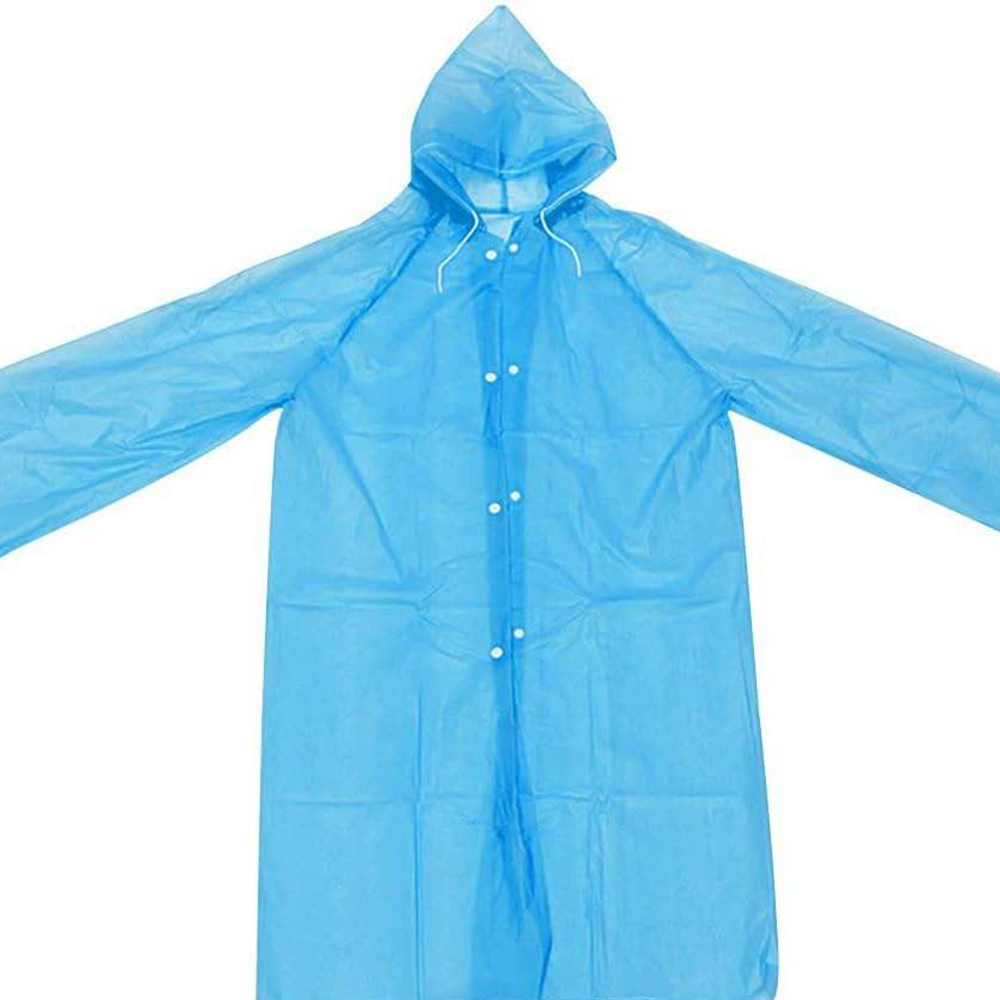
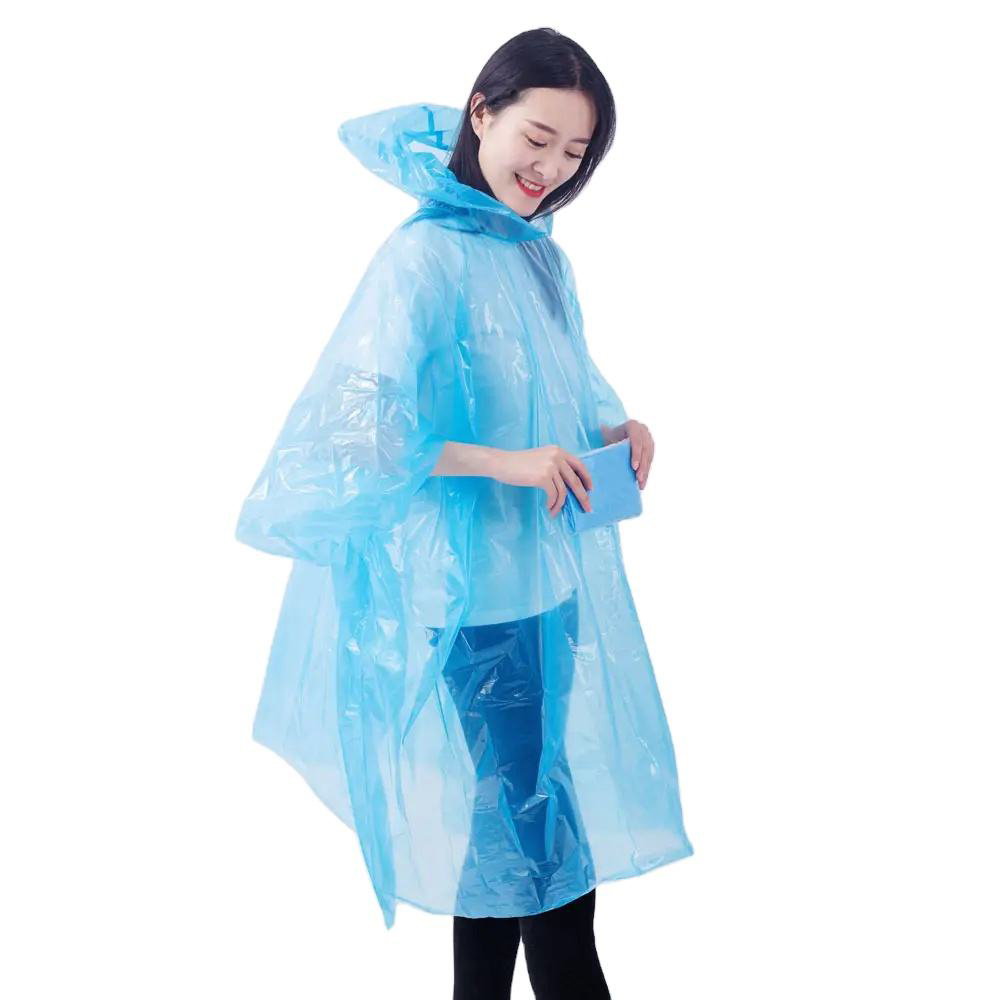
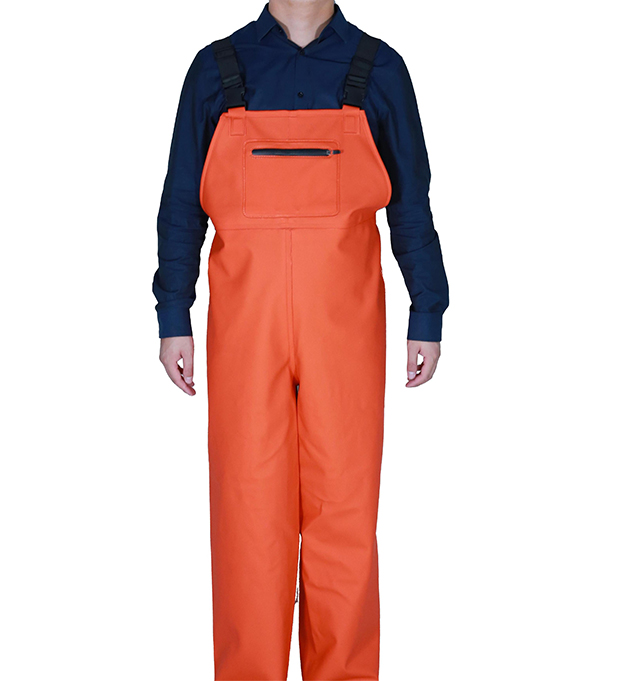
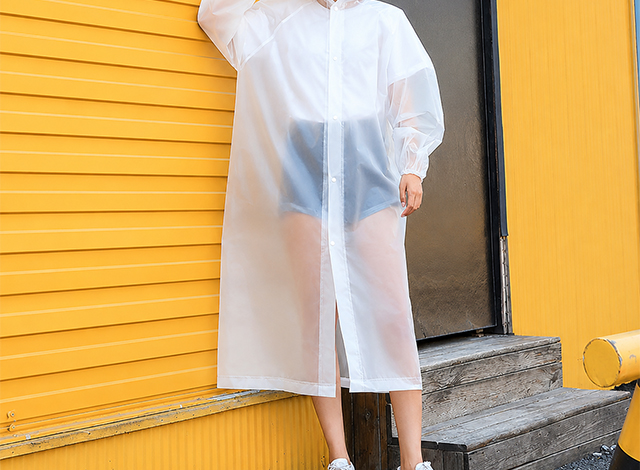
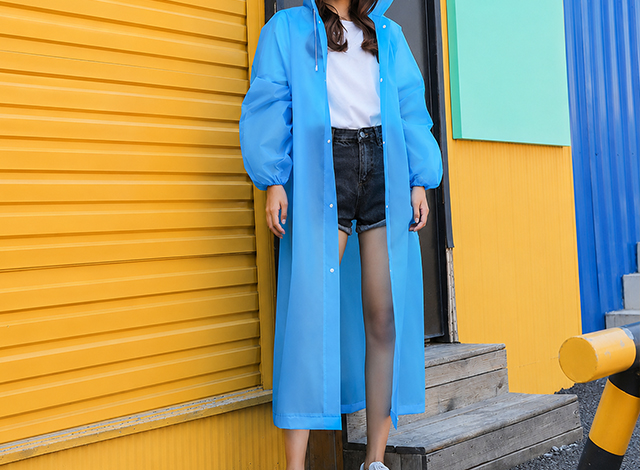
Rain gear ranges from a compact rain poncho to a hooded raincoat, waterproof jacket, long trench-style coat, rain shell, and matching rain pants. Some shoppers prioritize unisex simplicity or a lightweight raincoat, while others compare women’s rain jacket and men’s rain options for fit and cut.
Named styles you may encounter include the REI Co-op Rainier Rain Jacket, Patagonia Torrentshell 3L, Helly Hansen Moss rainwear, The North Face FUTURELIGHT shells, and Frogg Toggs rain suits. Compare construction, fit, ventilation, packability, and intended use rather than relying on the brand name alone.
Frequently Asked Questions
What is the difference between a raincoat and a rain jacket?
A raincoat and a rain jacket are both designed to protect you from wet weather, but rain jackets are often shorter and built for greater mobility, while raincoats may provide longer coverage. Either style can be waterproof or water-resistant, so check the construction and intended level of weather protection rather than relying on the product name alone.
What makes a rain jacket waterproof?
A waterproof rain jacket uses a membrane, coating, or similar barrier that prevents rain from passing through the fabric. Taped or sealed seams also help stop water from entering through stitching, while a DWR finish helps the outer fabric shed water and resist becoming saturated.
Are breathable rain jackets still waterproof?
Yes. Waterproof and breathable rain jackets are designed to block external rain while allowing some moisture vapor generated by your body to escape. This can improve comfort during hiking, commuting, travel, and other active use, especially when combined with ventilation features such as pit zips.
Is a lightweight, packable rain jacket good for heavy rain?
It can be, but lightweight does not automatically mean less waterproof. Some packable rain shells provide full waterproof protection, while others are intended mainly for lighter showers. For sustained or heavy rain, look for waterproof construction, sealed seams, good hood coverage, and appropriate ventilation rather than choosing by weight alone.
How do I choose the right raincoat or waterproof jacket?
Choose a raincoat based on the weather you expect, your activity level, fit, breathability, coverage, and how easily you need to carry it. A lightweight, packable rain jacket can suit travel and everyday use, while extended outdoor exposure may call for a more protective waterproof shell with a secure hood, sealed seams, and useful ventilation.