Tell us what products you need, your target market, estimated quantities, required specifications, packaging requirements, and any documentation your company requires.
Still Looking for a Reliable Disposable PPE Supplier?
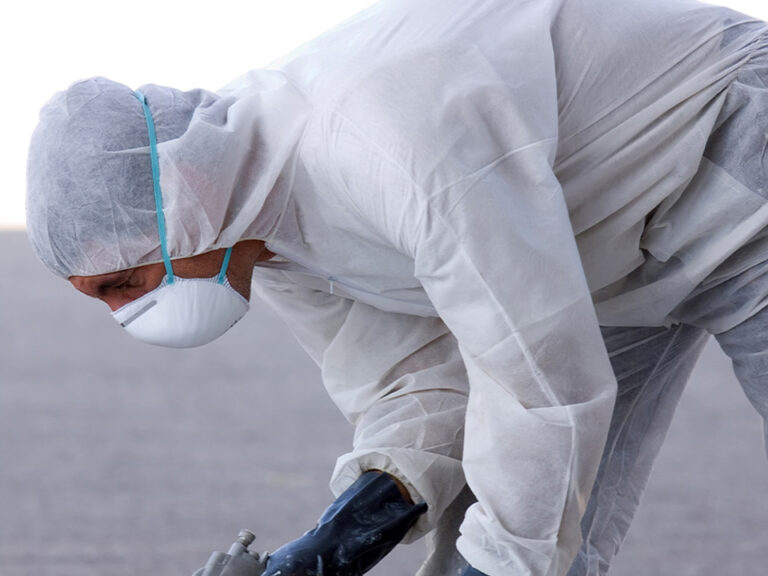
Tell us what disposable PPE you need, including specifications, quantity, target market, and OEM needs. We’ll review it and recommend suitable options.
Contact Our Team
Tell us what products you need, your target market, estimated quantities, required specifications, packaging requirements, and any documentation your company requires.
Have a PPE Product Requirement ? Talk to Our Specialists
Get practical guidance on disposable PPE specifications, materials, sizing, packaging, private labeling, documentation, and bulk production requirements.
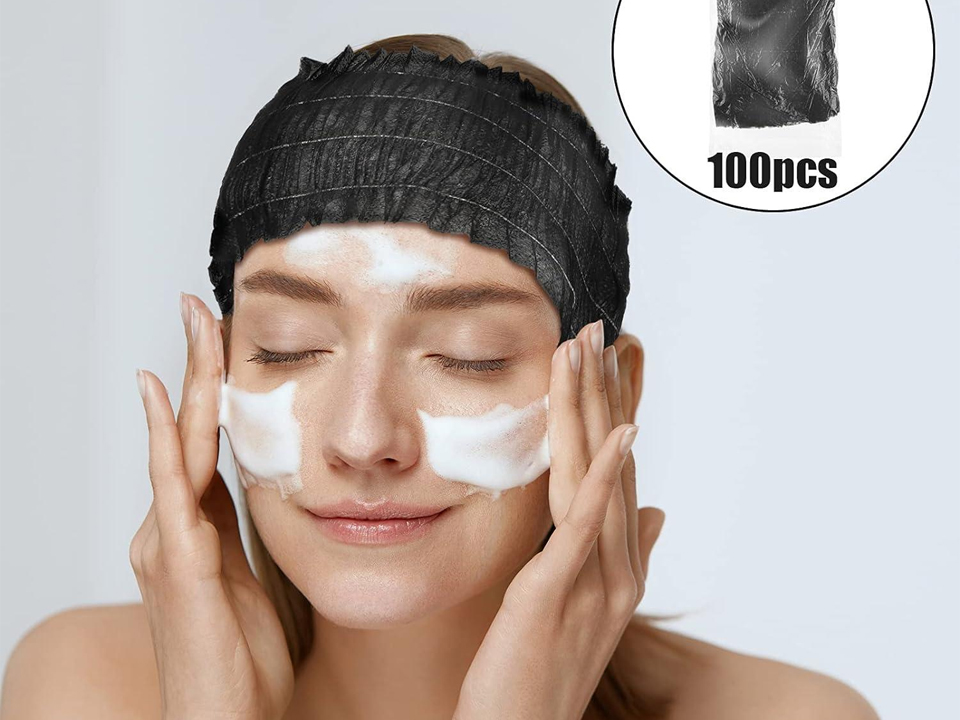
Facial treatments put a client’s hair, skincare products and the esthetician’s hands in close contact. A headband or cap keeps hair off the skin, stops cleanser, serum and mask from reaching the hair, and gives the client a visibly fresh item for every appointment. For spa operators, distributors and private-label buyers, the real question is rarely whether to use one. It is which format fits each treatment, which fabric and closure feel acceptable against the skin, and how to buy at volume without trading comfort for a lower unit price. This guide compares disposable headbands with bouffant, clip, doctor and balaclava-style caps, explains the specifications that change fit and cost, and lists what to prepare before you request a quotation.
Are Disposable Headbands or Caps Required for Spa Facials?
Requirements depend on the jurisdiction, so there is no single global rule. In the United States, esthetician rules are set by individual state boards. Texas Administrative Code §83.104 on esthetician health and safety lists hair caps and headbands among the items that must be replaced with clean items for each client. Oklahoma’s rule 175:10-7-12 on towels and linens takes a related approach: linens such as towels, sheets and robes cannot be reused unless laundered, and any item that cannot be properly cleaned and disinfected is treated as single use.
Neither rule says “use disposable.” Both say “clean for every client.” That leaves two compliant routes: launder reusable terry headbands between clients, or use single-use nonwoven items. Luminous Skin Lab’s esthetician supply guide makes the same practical point: reusable headbands are acceptable when the laundering protocol genuinely achieves sanitation, and disposables suit operations without a reliable laundry workflow. Disposables remove the need to validate and document laundering, which can simplify operations for multi-room spas and mobile services. Always check the current rule text for your own market, because the sources above cover only the states cited.
Headband or Cap: What Each Format Covers
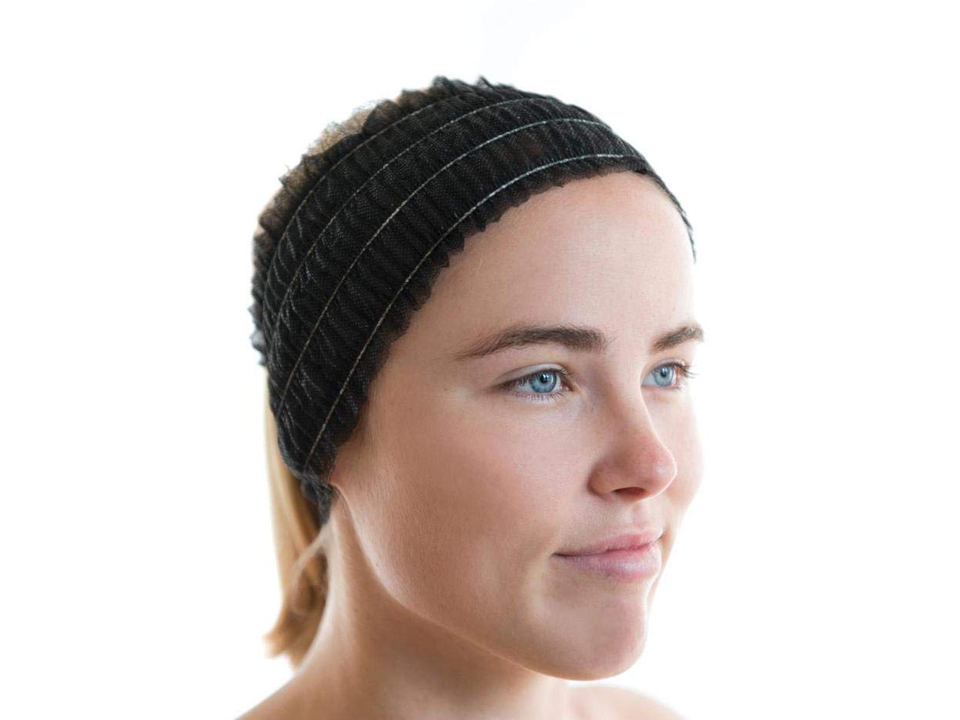
A headband controls the hairline. A cap controls all of the hair. That single difference should drive most format decisions.
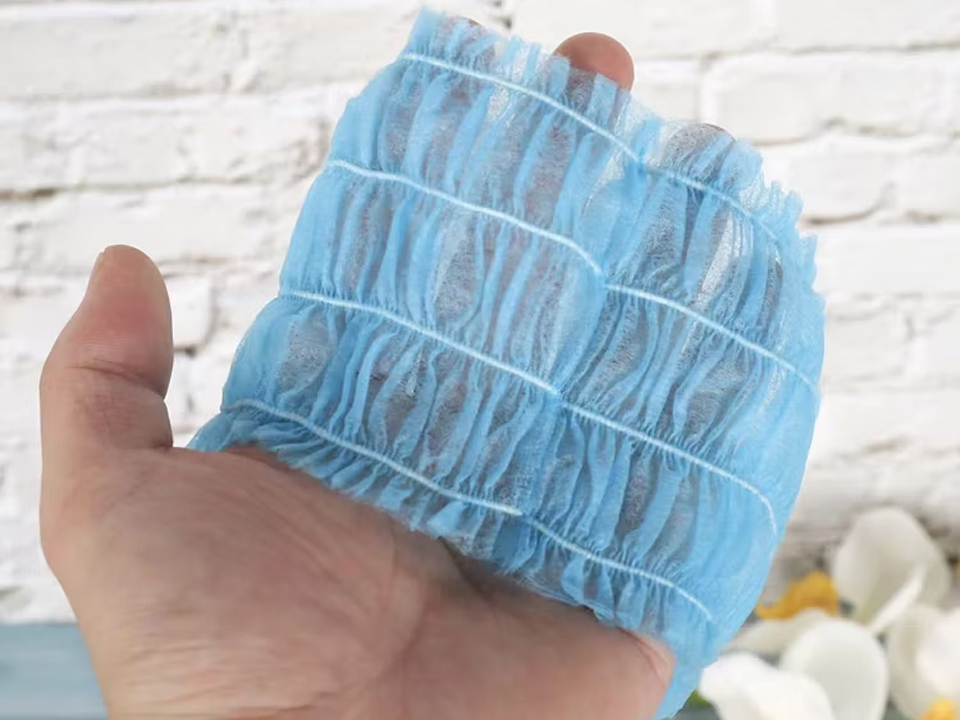
Disposable spa headbands are narrow stretch strips, usually nonwoven or cotton-based, often closed with hook-and-loop. As one reference point, a widely sold retail 48-count pack lists a 2.5-inch by 15-inch band that stretches to 30 inches. They suit standard facials, brow and lip work, and makeup application, where the goal is a clear forehead and hairline and the guest’s hair is otherwise tidy.
Bouffant caps gather the entire head of hair under an elasticated edge. Round PP nonwoven styles such as disposable bouffant caps in 10–35 gsm PP nonwoven are listed in 18-, 19-, 21- and 24-inch sizes with custom sizing. Buyers who need long, thick or braided hair fully contained, or who run steam, scalp-adjacent products or lying-back treatments, tend to prefer this format. A related option is elastic-edge bouffant hair caps for bulk procurement. Both bouffant listings share the same core specification, so compare sizes, colors and printing options rather than expecting two different constructions.
Clip caps are pleated, compressed caps that expand when worn. Pleated PP nonwoven clip caps are listed at 10–15 gsm with single or double elastic and are packed as flat strips, which saves storage space in small treatment rooms.
Doctor caps are long, rectangular caps that sit on the head like a scrub cap and secure at the back. They typically cover the hair from the front hairline to the nape. Two closures are available: elastic-back disposable doctor caps pull on without fastening, while PP nonwoven doctor caps with back ties let the wearer adjust the closure. Both are listed at 60 × 13 cm with PP or SMS options at 20–35 gsm. In practice these styles tend to be used as staff headwear more than as guest headwear. That is an inference, so confirm whether your use case is guest comfort, therapist hair control, or both.
Balaclava caps form a full-head hood with an open face and elastic neck. The full-head PP nonwoven balaclava cap is listed at 36 × 40 cm with 15–35 gsm options and covers the hair, sides of the head, chin and neck area. That neck and chin coverage can get in the way of neck and décolleté work, so it is generally a better match for hair-protection or body-treatment settings than for a standard facial. This is a judgement from the coverage geometry, not a supplier claim.
Format Comparison for Facial Treatments
Format
Hair coverage
Typical closure
Best suited to
Main watch-out
Disposable headband
Hairline only
Hook-and-loop or stretch
Standard facials, makeup, brows
Loose hair, long hair and steam can escape
Bouffant cap
Full head
Elastic edge
Long or thick hair, steam, wet or product-heavy services
Elastic tension at the forehead; size selection
Clip cap
Full head
Single or double elastic
High-volume rooms, compact storage
Light fabric can tear if over-stretched
Doctor cap
Full head to nape
Elastic back or back ties
Therapist headwear, longer treatments
Rustle and stiffness at higher gsm; fit on small heads
Balaclava cap
Head, sides, chin, neck
Elastic neck
Hair protection in body or hair-adjacent services
Covers the neck and chin area
Format descriptions come from product pages and general coverage geometry. Suitability notes are qualitative guidance, not tested performance claims.
Specifications That Change Fit and Guest Comfort
Fabric weight and construction
Fabric weight, measured in grams per square meter (gsm), affects opacity, drape, noise and cost. The supplier pages above list 10–15 gsm for the clip cap, 10–35 gsm for bouffant caps and 20–35 gsm for doctor caps. A lighter cap drapes softly and is quieter but can tear if it is pulled over voluminous hair. A heavier cap resists tearing and looks more substantial, but it can feel stiffer and rustle against the ear during a quiet treatment. The right point depends on the guest’s hair volume and how the cap is put on, so validate by sample rather than assuming.
PP nonwoven is typically a spunbond polypropylene sheet. SMS is a layered construction (spunbond, meltblown, spunbond) that is common in medical protective products. For facials, no barrier performance is normally required from a head covering, so SMS makes sense mainly if your brand or regional customers expect a medical-grade look. If you request SMS, ask for a written specification instead of assuming it will feel softer or perform better.
Closure and fit
Closure type decides how many sizes you must stock and how fast a therapist can fit it.
Elastic edge or back: quick to apply and consistent, but fixed in range. Verify elastic tension on a forehead, because an overly tight band can leave pressure marks on the skin just before a treatment.
Hook-and-loop: adjusts to any head size, which reduces SKU count. Test whether the hook side can catch fine hair or hair extensions.
Back ties: the most adjustable cap closure, but they require the client or therapist to tie them, which adds seconds per appointment and can create a knot under a headrest.
Skin contact, edges and odor
Everything that touches the forehead matters more on a facial than on a factory floor. Check the edge finish, any seams or stitch lines at the forehead, and the odor of a freshly opened bag. Retail claims such as “no smell or irritation” are marketing statements, not evidence. Ask the supplier about their own odor checks and whether a product-safety or skin-contact declaration is available for your market. Spas that perform peels or treat reactive skin should include those guests in the sample trial.
Packing format
Standard carton packing on the supplier pages above is 100 pieces per bag, with 1,000 or 2,000 pieces per carton depending on the style. Individual wrapping is a separate decision. A sealed sleeve protects each item in humid storage and signals “fresh” to the guest, but it adds packing cost and waste, and it is not hygienic once the item is handled with product on the therapist’s gloves. For many treatment rooms, a covered dispenser of bulk-packed items is a reasonable alternative. Individual wrapping earns its cost mainly for premium positioning, retail resale or humid climates.
Why the Cheapest or Heaviest Option Can Cost More
Two assumptions deserve scrutiny. The first is that the lowest unit price gives the lowest cost. A cap that tears on application, slips during a facial or irritates the forehead creates rework, wasted pieces and complaints that never appear on the purchase order. The second is that a heavier or SMS grade is automatically the better product. For a head covering that only has to hold hair and stay clean, extra gsm adds material cost and stiffness without a matching benefit. The defensible position is that the best specification is the lightest fabric that does not tear during realistic application, with a closure that fits your widest range of guests.
A simple illustration, not a real case: a spa running 30 facials a day uses 30 headbands or caps daily, roughly 900 a month. Even a small failure rate on a low-cost unit becomes visible at that volume, and any comfort issue is repeated across every guest. Total landed cost also includes freight, carton volume, storage space and the cost of replacing items that fail the guest experience.
How to Test Samples Before a Bulk Order
Request samples for each shortlisted spec and run the same checks on all of them:
Fit range: try them on staff with short, long, thick and braided hair, including a small head size.
Application stress: pull each cap on quickly with one hand, as a therapist would, and note any tearing or snapped elastic.
Treatment simulation: wear each sample through steam, a damp cloth and a product application to check slipping and shedding.
Skin contact: have a few staff wear them for the length of a standard facial, then check for pressure marks or itching.
Opening odor and cleanliness: open a bag and inspect for lint, odor and inconsistent seams.
Storage: compress a bag for several days and check whether the fabric recovers its shape.
Document each result against the specification so a later production lot can be compared with the approved sample.
What Should Buyers Specify Before Requesting a Quote?
A precise request lets a supplier quote accurately and prevents a substitution you did not intend. Prepare the following:
RFQ field
Why it matters
Format and coverage (headband, bouffant, clip, doctor or balaclava)
Determines the tooling, fabric usage and price basis
Material and gsm range
Sets drape, opacity, noise and unit cost
Size or dimensions, and how they are measured
Avoids mismatch; bouffant sizes are nominal and doctor caps are listed in centimeters
Closure type
Changes size range, application speed and skin contact
Color
Affects brand look and stock-keeping
Printing on inner bag or carton
Controls branding and may add setup requirements
Pieces per bag and per carton
Affects storage, freight cube and handling
Annual volume and order frequency
Frames MOQ, pricing tiers and production planning
Target market and any local rule or declaration requirements
MOQ, lead time, certifications and custom-printing minimums are not stated on the supplier pages inspected for this article. Ask for them in writing instead of assuming.
Frequently Asked Questions
Are disposable headbands better than reusable terry headbands for spas?
Neither is automatically better. Reusable terry headbands comply where laundering between clients is reliable and documented. Disposables remove that workflow and give each guest a fresh item, but they add recurring purchase cost and waste.
What is the difference between a bouffant cap and a facial headband?
A facial headband holds back the hairline only. A bouffant cap contains all of the hair under an elastic edge. Choose a headband for standard facials and a cap when hair is long or thick, or when steam or wet products are involved.
What fabric weight is suitable for disposable spa caps?
The supplier listings above range from 10–15 gsm for clip caps to 35 gsm for bouffant and doctor caps. Use the lightest weight that survives realistic application without tearing, and confirm by testing samples with different hair types.
Is SMS fabric necessary for spa head coverings?
Usually not. SMS is layered for barrier performance, which a facial headcover does not typically need. Choose it only if brand positioning or local expectations call for it, and request a written specification.
What information should I send for a bulk quotation?
Send format, material and gsm, size, closure, color, printing needs, bag and carton packing, annual volume, target market and sample requirements. Complete specifications reduce quotation errors and prevent unintended substitutions.
Do I need to check local regulations before buying?
Yes. Requirements vary by state and country. Texas and Oklahoma rules cited above address clean items and linens for each client, but other regions differ, so check your licensing board’s current text.
Should disposable spa headwear be individually wrapped?
Not necessarily. Individual wrapping protects items in humid storage and supports premium or retail presentation, but it adds cost and waste. A covered dispenser of bulk-packed pieces is often adequate for treatment rooms.