
Disposable Bouffant Caps for Hygienic Workplace Hair Coverage
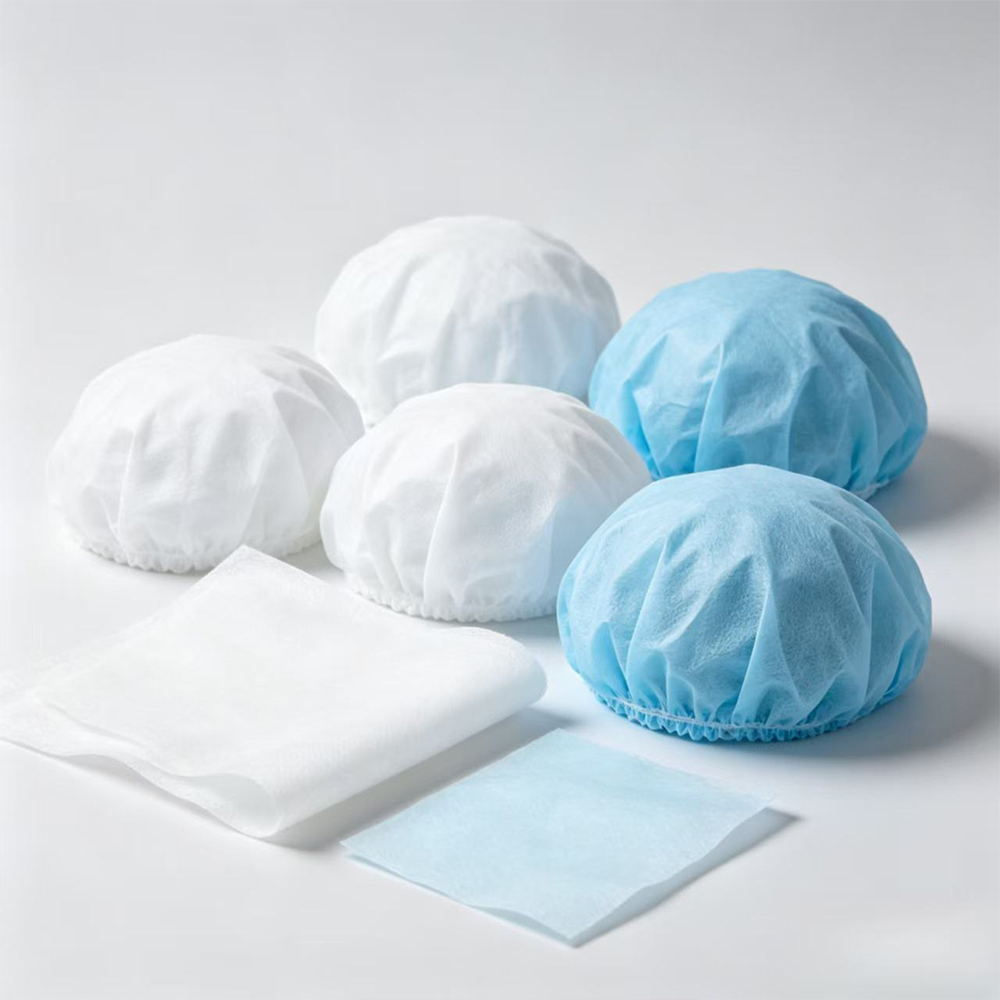
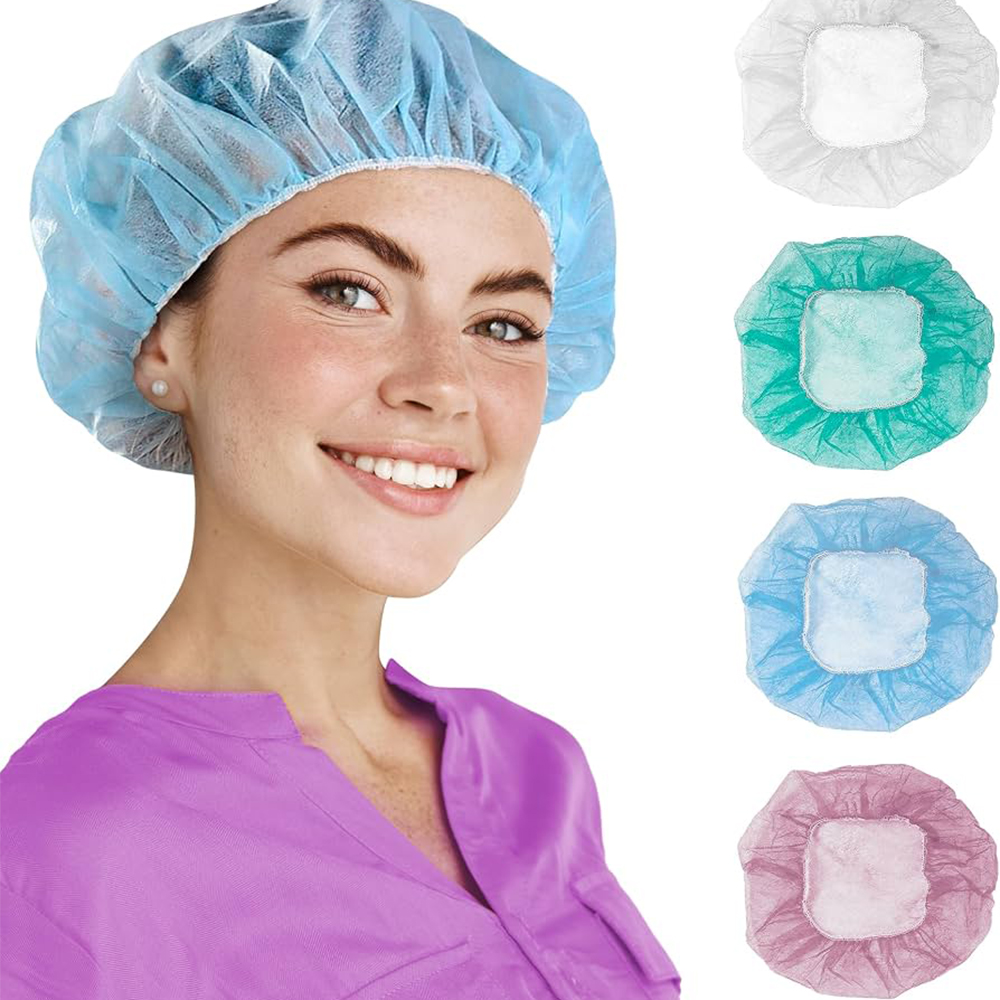
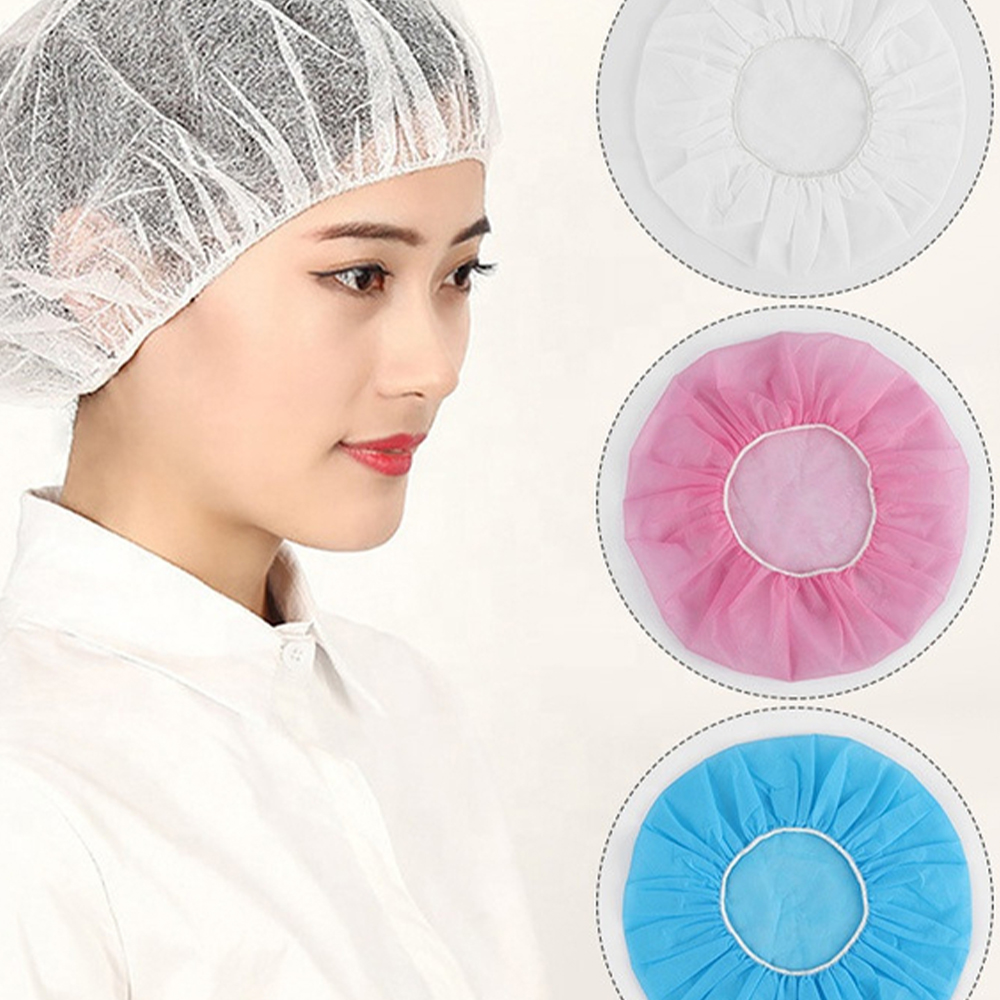
A disposable bouffant cap is a lightweight, single-use head cover designed to contain hair in hygienic or controlled work areas. Common versions use spunbond non-woven polypropylene with an elastic band around the opening. The loose, rounded shape provides room for different hairstyles and long hair in food service, healthcare, lab, cleanroom and manufacturing settings.
What Is a Disposable Bouffant Cap?
A bouffant cap is a roomy disposable hair cover that helps keep loose hair contained and away from products, equipment and work surfaces. Unlike a close-fitting hat, the expanded shape is designed to sit comfortably over the head while allowing fuller hair coverage.
The elastic edge helps the cap stay securely positioned during routine work. This makes bouffants a practical choice for workers and visitors who value single-use convenience and an easy to put on covering before entering a controlled work area. Medline likewise describes the style as loose, elasticized and roomy enough to accommodate longer hairstyles.


Why Is Polypropylene Common in This Head Cover?
Spunbond polypropylene is widely used because it can form a lightweight, breathable, nonwoven covering suitable for basic hair containment. Polypropylene bouffant caps use a non-woven bouffant construction that can be produced in different fabric weights, so buyers should compare the stated material and weight rather than assuming every product performs the same. If your specification calls for heavyweight material, a sturdy feel, or a particular barrier property, ask the manufacturer for documented details. Terms such as premium, waterproof or sterile should never be inferred from appearance or product category alone.
Comfort, Fit and Complete Hair Coverage
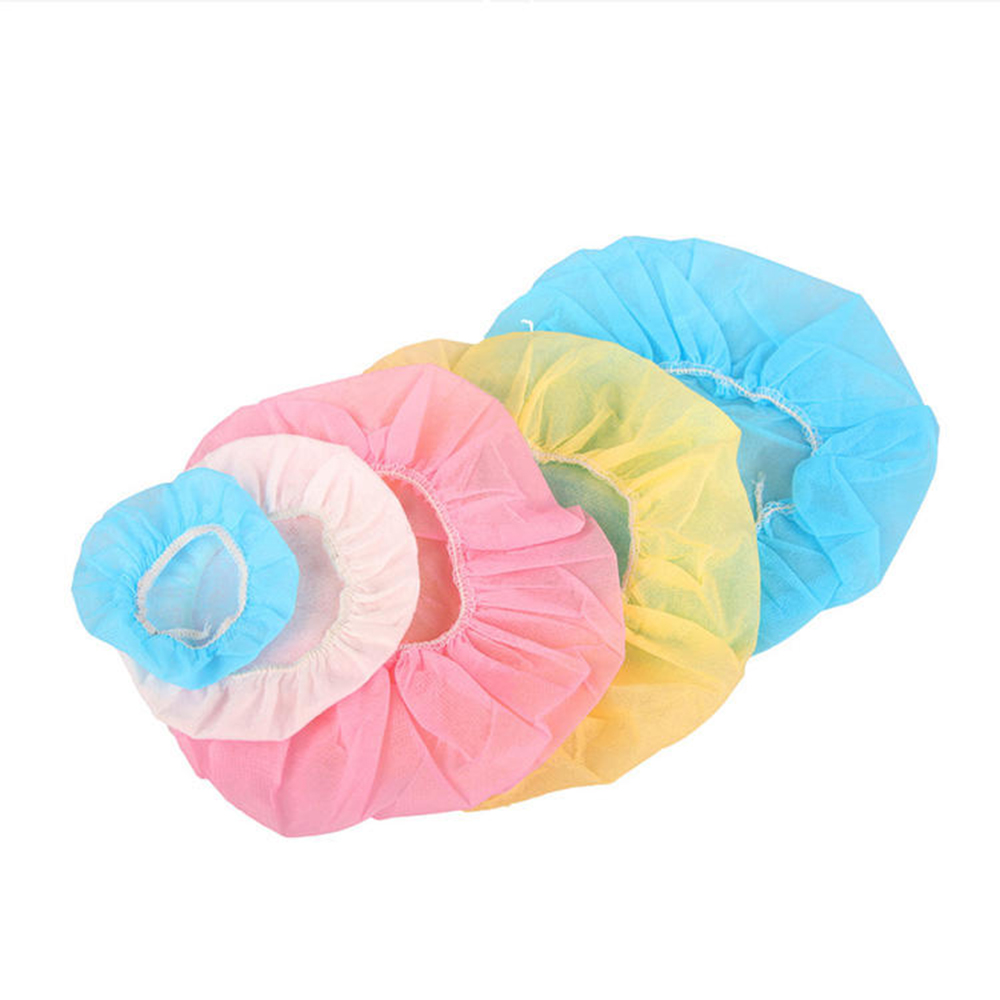
A well-selected cap should feel comfortable while combining room, user comfort and a secure band without unnecessary pressure. The bouffant profile is especially useful where workers need to tuck in long hair comfortably, while the elastic band helps maintain position. For complete hair coverage, choose the size according to head dimensions and hairstyle volume, not simply a “one size” assumption. A worker should also follow the facility’s gowning or hygiene procedure so the cap is worn correctly and safely for the intended environment.
Where Are These Caps Commonly Used?
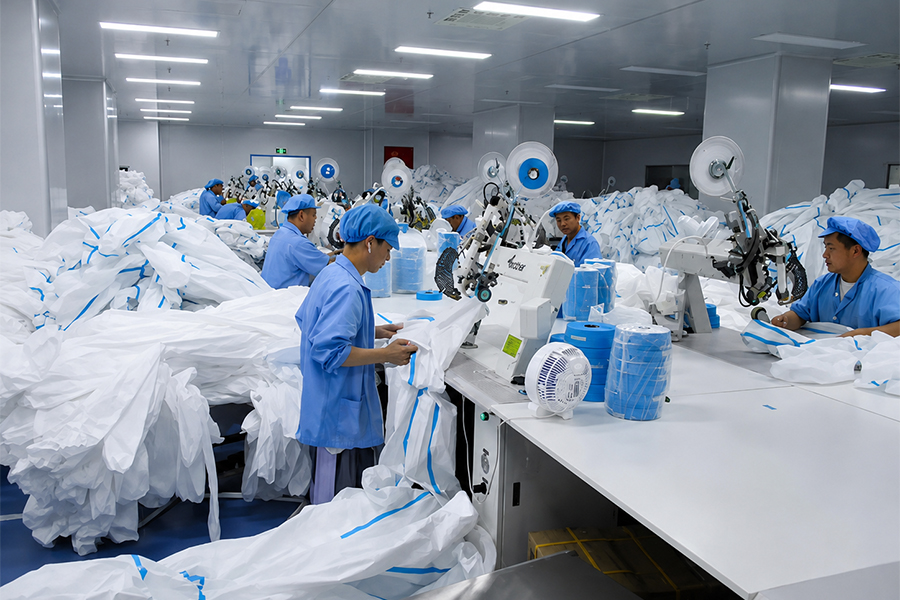
Single-use headwear is used across workplaces where loose strands can create hygiene or housekeeping concerns. Common applications include food processing and food service, hospital and other medical facilities, pharmacies, laboratories, electronics areas, cleanrooms, industrial production, general manufacturing, spa and salon operations.
FDA guidance for fresh-cut produce processing specifically mentions hairnets and beard covers among outer items used to help prevent hair from contaminating food during processing. Facilities that cook or bake food should still follow their own applicable hygiene rules and local requirements.
Bouffant Cap vs Surgical Cap, Scrub Caps and Hair Net
These products are not automatically interchangeable. The bouffant design is generally roomier, while a surgical cap or surgeon-style cap is often closer fitting; scrub caps can also use different designs, fabrics and intended-use requirements. Medline similarly distinguishes puffy bouffant designs from snugger surgical headwear.
A hair net is typically low-profile mesh, whereas a hair cap made from nonwoven fabric provides a different form of containment. Disposable hair coverings should be selected by facility policy and task requirements. Do not assume this head covering is suitable for surgery, patient care, a specified cleanroom class, dust protection or hazard-specific PPE unless the supporting specification says so.
How Should Buyers Choose Size, Material and Packaging?
Start with the actual use case, then compare fit, material, weight, edge construction and pack configuration. Ask for a specification sheet instead of relying on broad marketing labels.
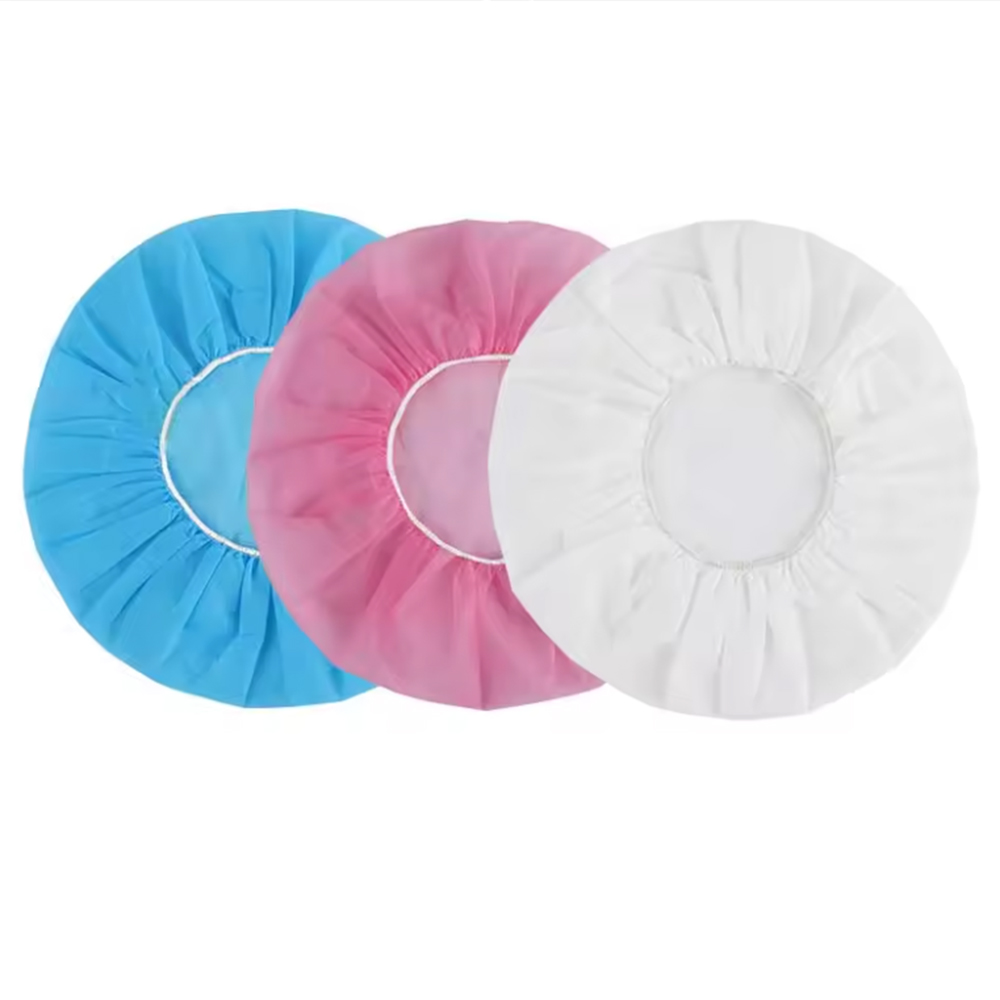
Confirm head size needs, fabric type, spunbond construction, color availability and whether any claimed protective property is documented.
Verify packaging carefully. If a listing says 100pcs, 400, 1000 or “50 pcs disposable,” confirm whether that number means pieces per bag, box or case.
Buyers searching for a shower cap for women or disposable shower caps should also confirm the product category; those terms do not automatically describe a workplace bouffant.
Bulk Supply and Manufacturer Questions for Procurement Teams
For repeat purchasing, evaluate consistency and documentation as closely as price. A supplier should clarify the exact product configuration being quoted and distinguish confirmed features from options available only on another model. A professional look may matter in visitor-facing areas, but it is not a performance specification.
Ask about:
Current specifications, available quantities, packaging and sample availability.
OEM or private-label capability, where applicable, plus quotation terms and order documentation.
Whether requirements involving medical use, reusable construction, waterproof performance, sterile presentation or specific protection standards are actually supported.
Ready to Request a Quote for Disposable Bouffant Caps?
Choose the cap that matches your workplace procedure, hair-containment needs and purchasing format. The right buying decision depends on verified material, fit, packaging and intended application—not unsupported labels.
Contact the supplier or manufacturer to request specifications, samples and current bulk pricing. Share your industry, expected quantity, preferred packaging and any mandatory compliance requirements so the quoted product can be matched to your application without assumptions.