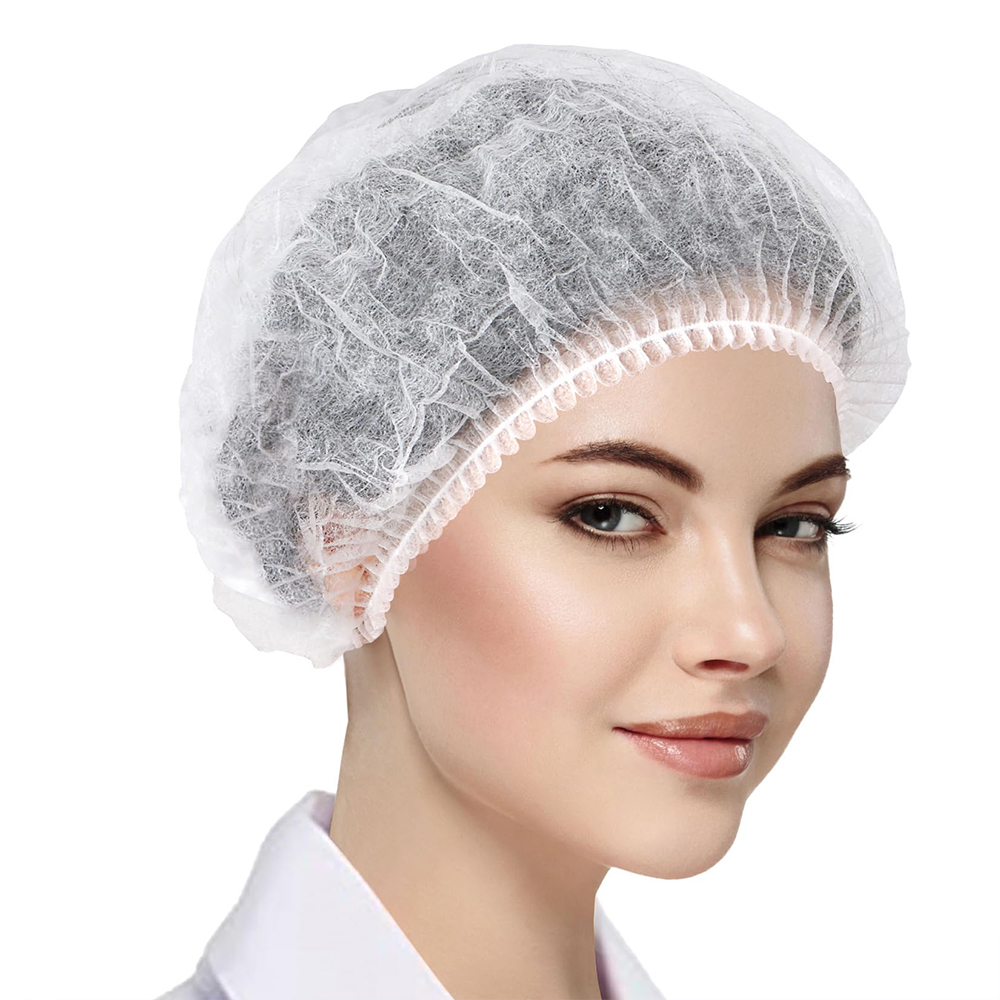
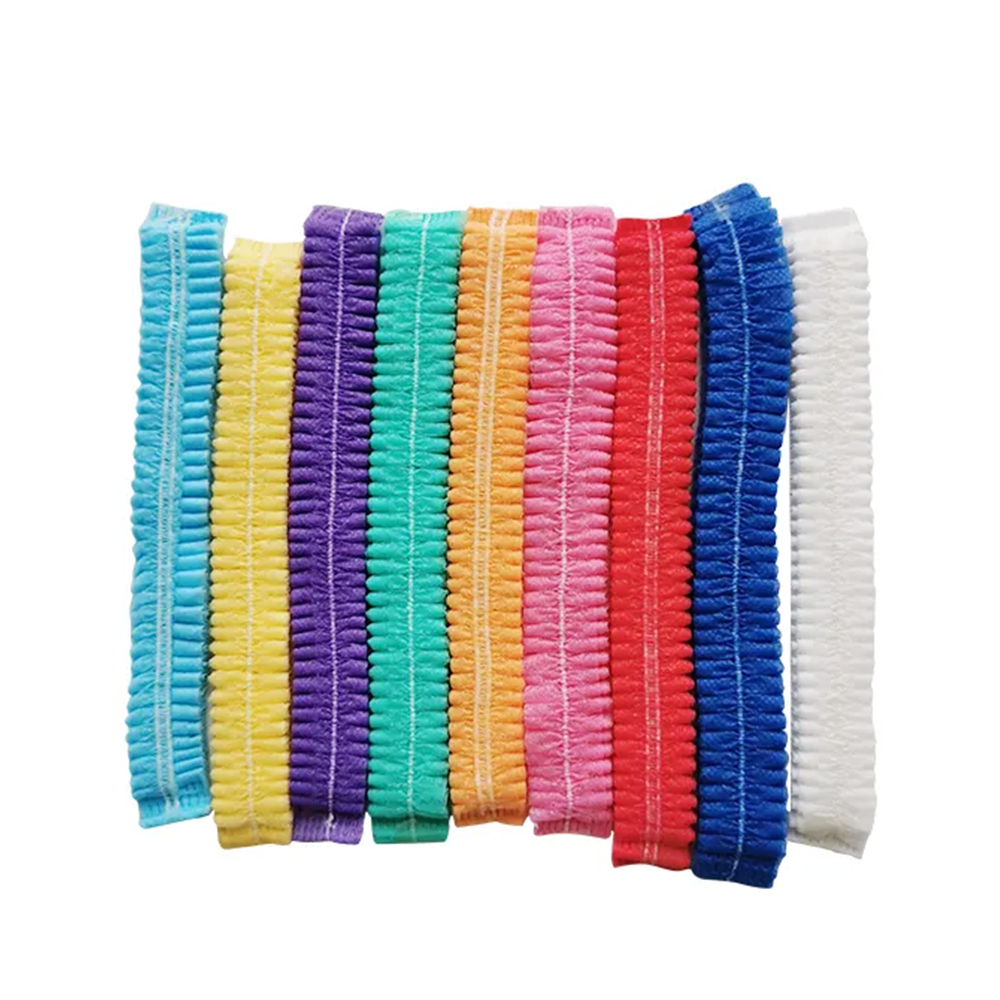
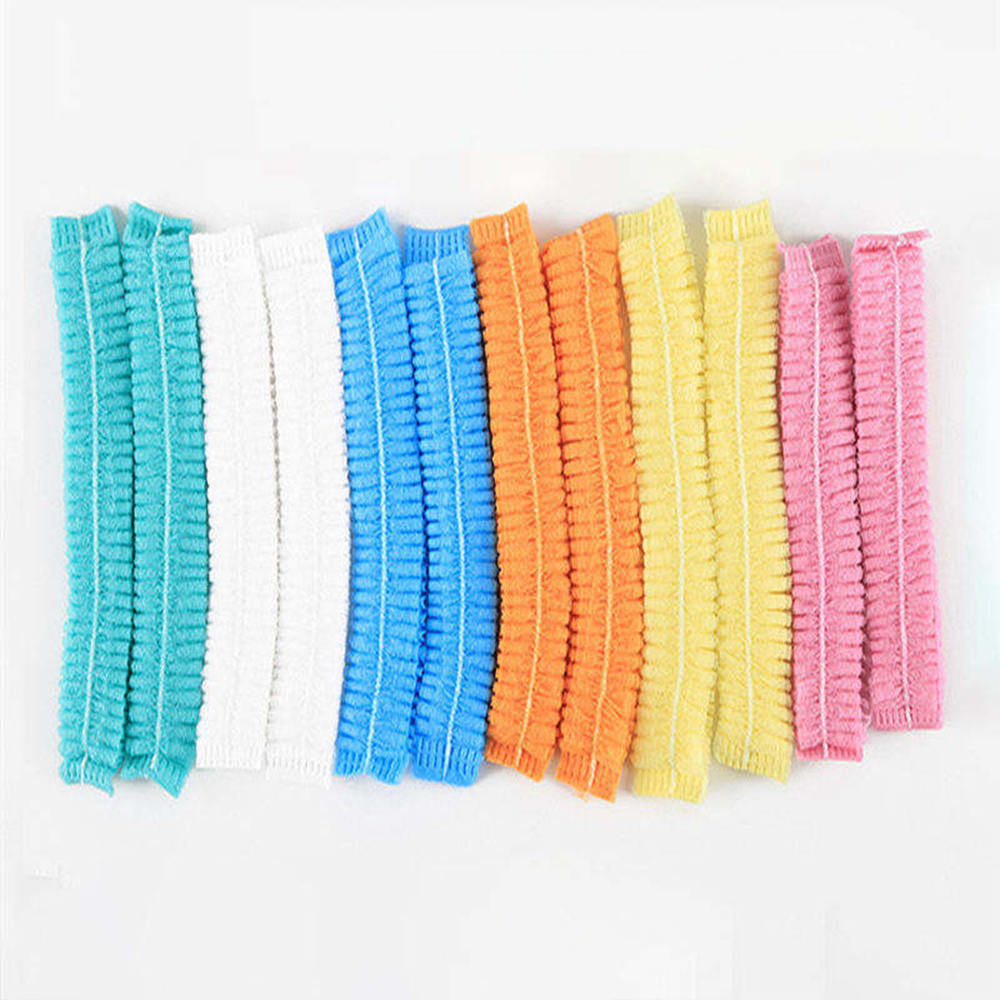
Disposable Clip Cap: Non-Woven PP Bouffant Hair Net Head Cover
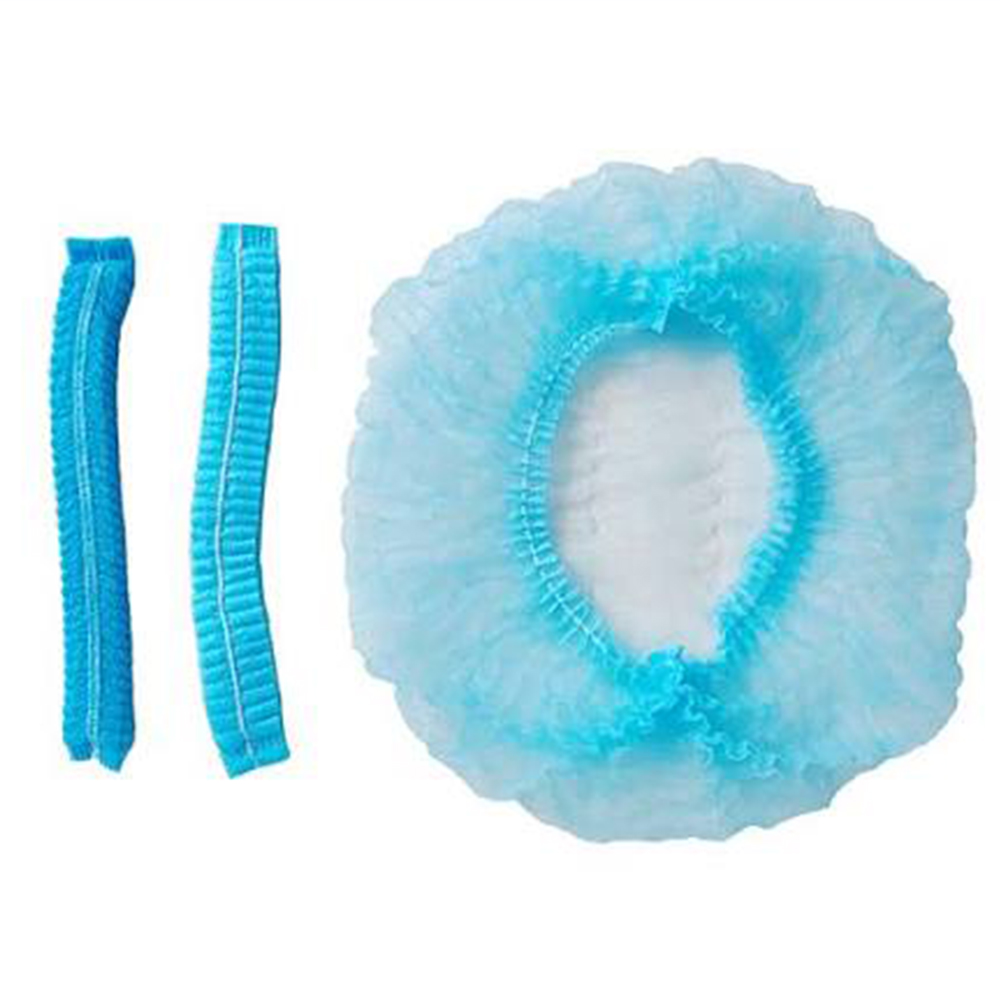
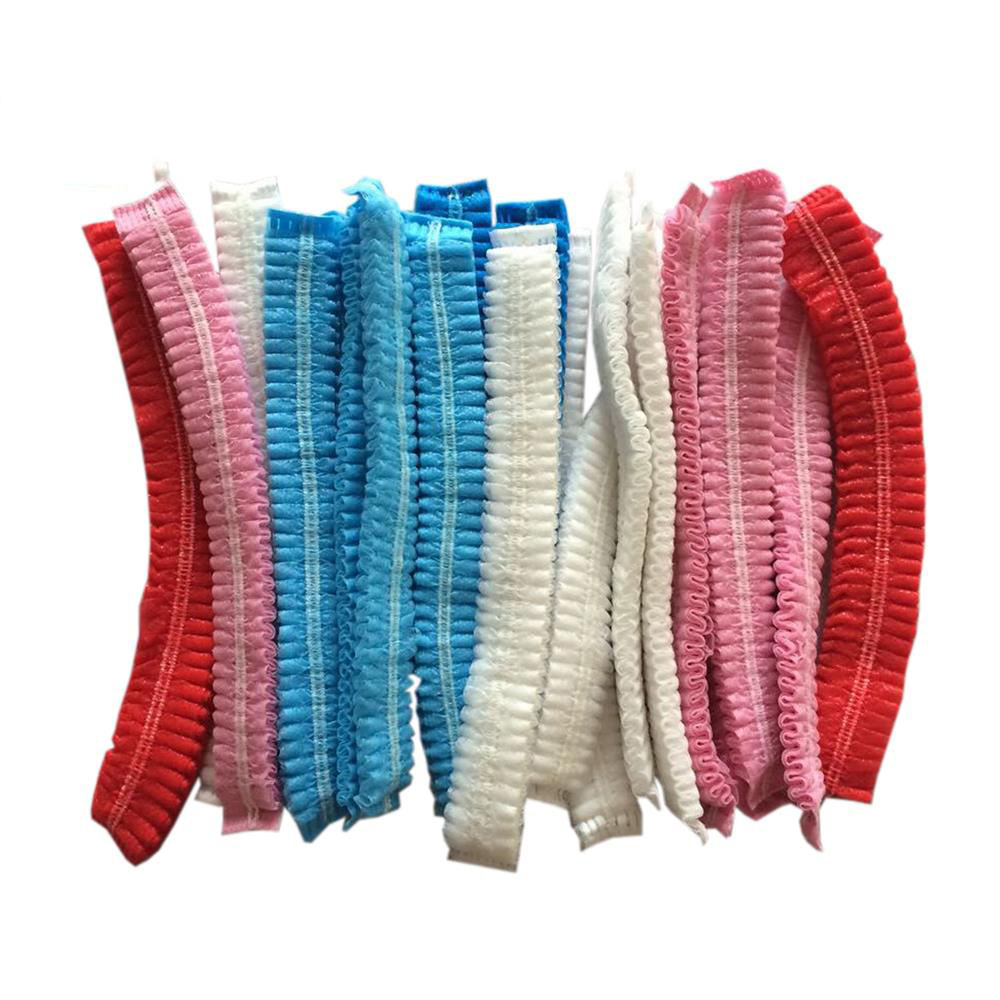
These single-use clip caps are hair coverings made commonly from lightweight, breathable polypropylene (PP) non-woven fabric with an elastic edge. Folded into a compact pleat or accordion shape, they expand into a bouffant-style cap to contain hair in controlled workplaces. Request a Quote or ask for product specifications.
What Is a Clip Cap?
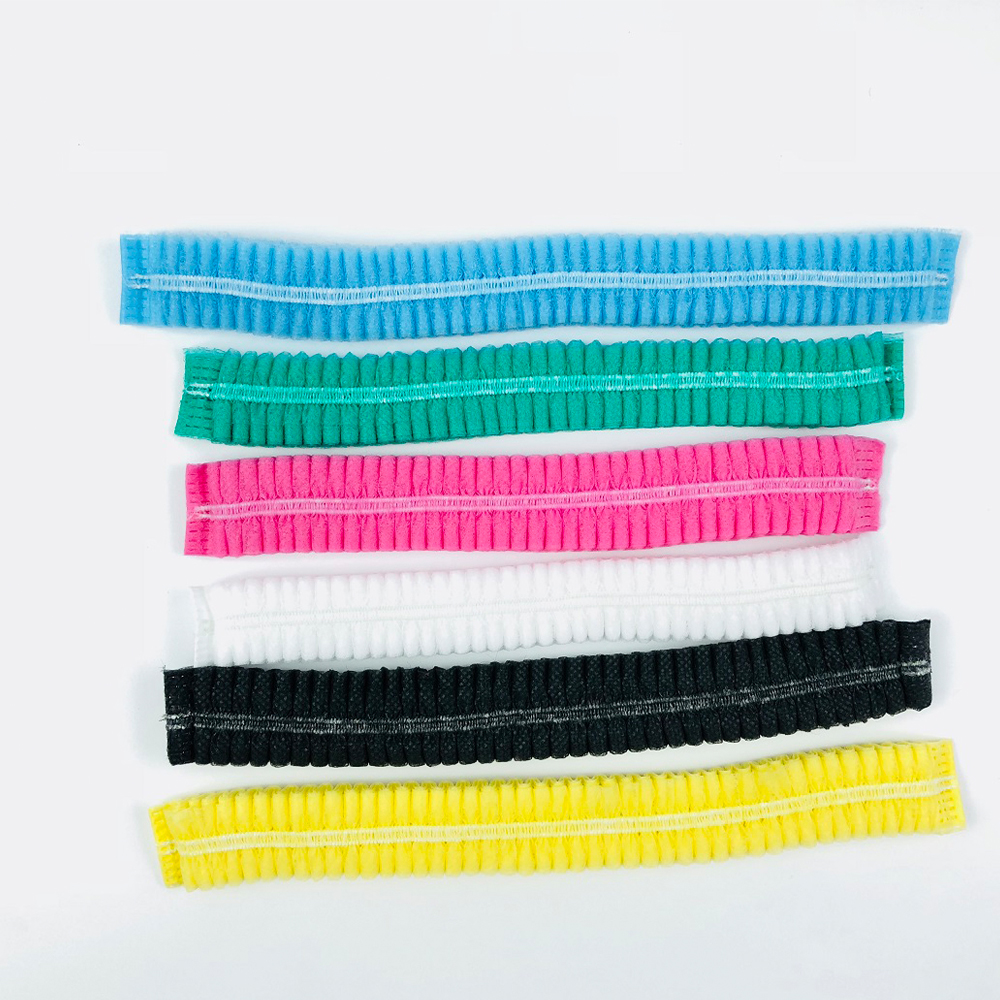
A clip cap is a compact, folded hair covering that opens into a fuller bouffant cap for covering the head and hair. Related sourcing names include mob cap, strip caps, disposable hair cover, and disposable head cover, although exact construction may vary by supplier.
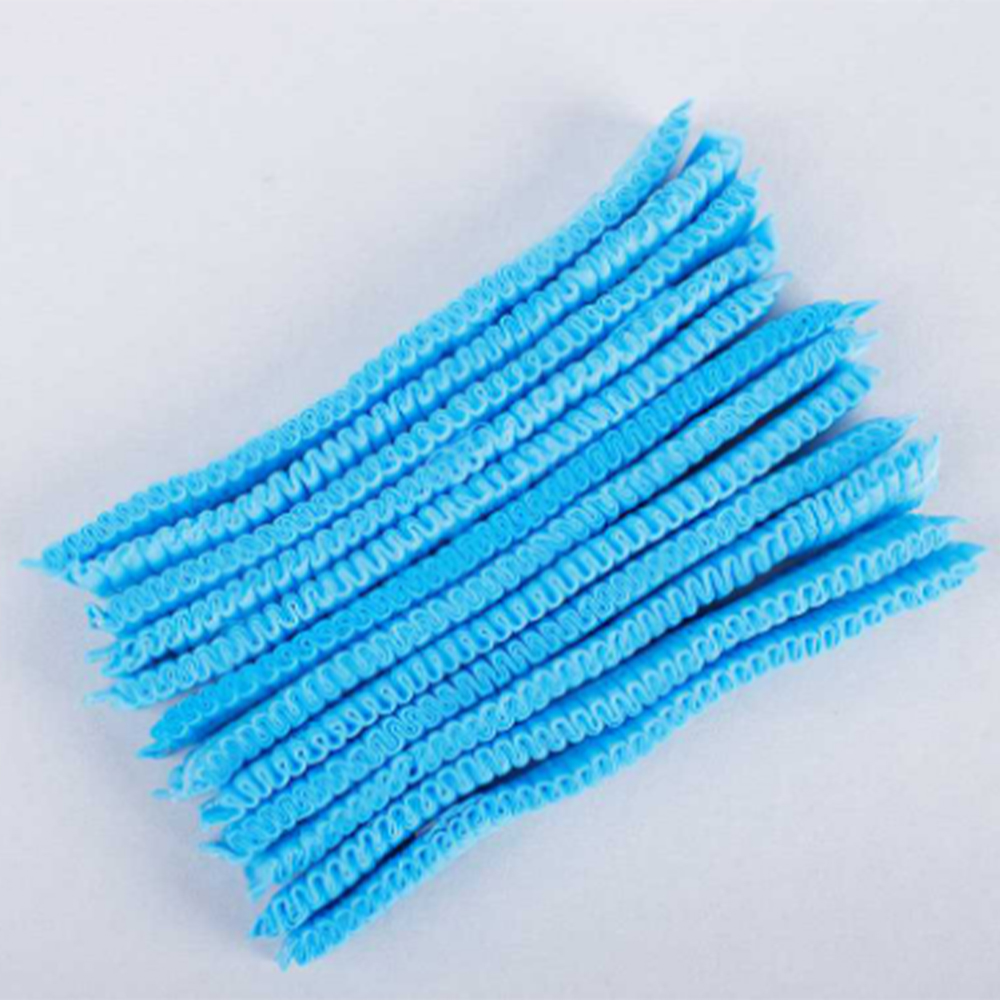
The “clip” description generally refers to the pleated presentation before opening. A nonwoven clip cap is compact for storage and distribution but expands to provide more room for keeping hair contained.
How Are Non Woven PP Caps Made?
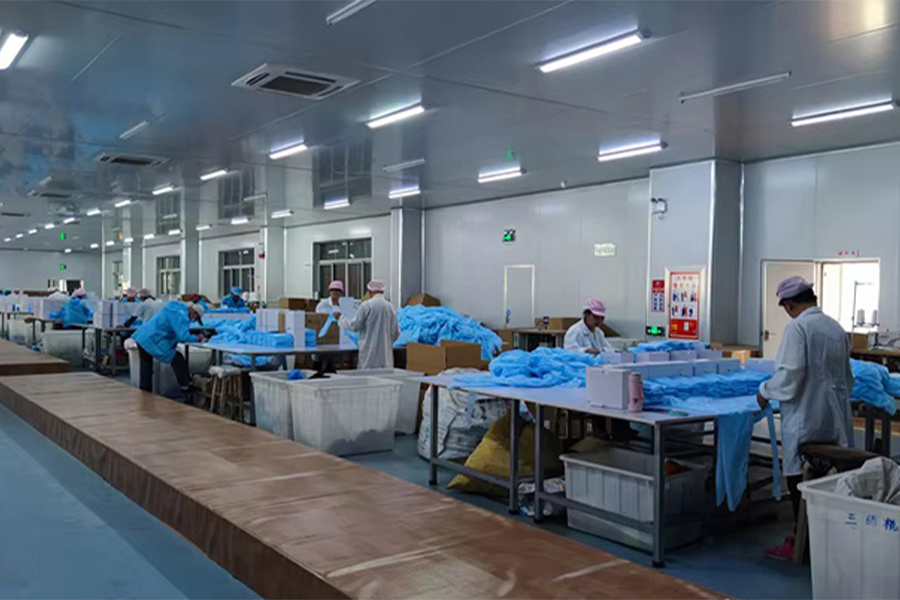
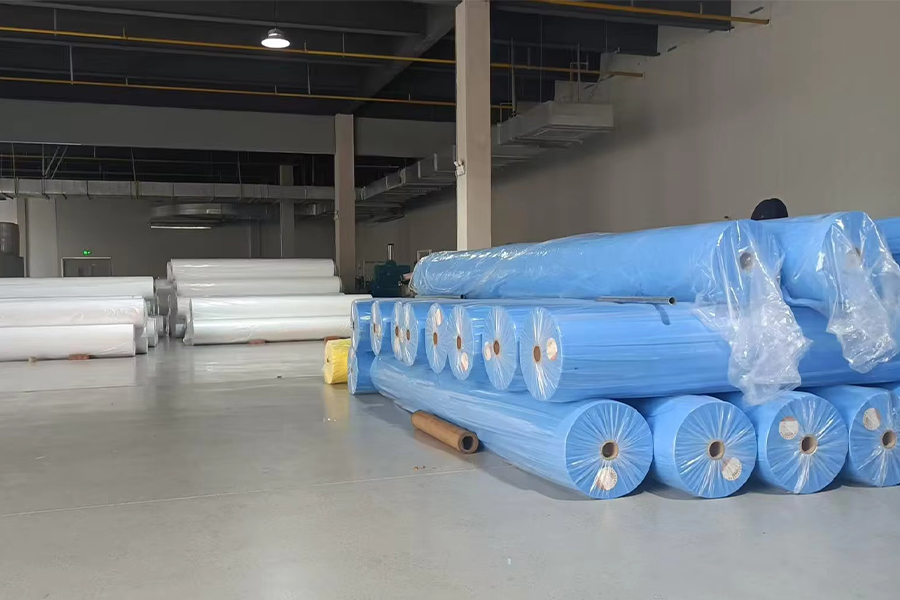
Many disposable caps use polypropylene non-woven material because it is lightweight and practical for single-use work routines. Typical construction combines breathable material with an elastic band that stretches around the head. Buyers comparing disposable non woven, SMS, PE, or other material descriptions should confirm the actual fabric, joining method, and intended application. Machine made production can use techniques such as ultrasonic heat sealing where applicable, but the construction varies by product.
How Do Clip Caps Aid Hygiene?
A clip cap is designed to contain hair, helping with preventing hair from entering food, products, equipment, or controlled areas. Used correctly, it can support hygiene standards as one element of a broader contamination-control approach rather than as a complete barrier by itself. Depending on the workplace, a cap may be used within a broader PPE program alongside beard covers, isolation gowns, gloves, masks, or other protective products. The appropriate combination depends on the task, site procedures, and applicable requirements.
How Should You Compare Clip Cap Manufacturers and Suppliers?
Before ordering from disposable clip cap suppliers, confirm the material, size, elastic construction, packaging, intended application, quality checks, order quantity, customization needs, and shipping requirements. Also clarify whether the product is a non woven bouffant, bouffant clip, non woven clip design, or another type, because related names do not always mean identical construction.
Do not assume that a disposable bouffant cap, shower caps, disposable shower product, or another single-use head item is interchangeable with a clip cap. A cost effective purchase still depends on matching the specification to the intended use. For wholesale enquiries, request current specifications, samples if available, pricing information, and a quotation based on your actual requirements.
What Are the Main Benefits of a Disposable Cap?
The main purpose of a disposable cap is preventing hair from reaching products or sensitive areas. By containing loose and stray hairs, the cap can help prevent hair from falling into food and help with reducing the risk that hair could contaminate a product or surface, supporting maintaining hygiene procedures. FDA food guidance recognizes hair restraints as part of food-handling practices.
A disposable protective cap can assist with routine controls; it does not eliminate contamination risk or provide reliable protection against every workplace hazard.
How Does Elastic Help the Cap Fit?
Elastic allows the headwear to expand around the wearer’s head and helps it fit securely without a complicated fastening system. A well-chosen size should provide a snug, practical fit for various head sizes while helping contain loose hair.
For extended wear, buyers may want to consider cap dimensions, elasticity, the feel of the elastic band, and fabric breathability. Comfort depends on the actual specification and the wearer, so no universal comfort claim should be assumed.
Where Are Disposable Caps Commonly Used?
Head coverings are commonly used across food industries, food processing, commercial kitchens, food service, laboratories, cleanrooms, pharmaceutical operations, healthcare environments, salon settings, manufacturing, and other controlled workplaces. Food guidance recognizes hair restraints in food handling, while OSHA laboratory safety guidance includes hair covers among examples of task-specific protective equipment.
In healthcare procurement, terms such as disposable medical, disposable surgical, disposable nurse cap, or products worn by medical staff should be checked against the intended use and required specifications. A general-purpose cap should not automatically be treated as surgical, sterile, or equivalent to regulated medical equipment. CDC guidance likewise emphasizes selecting and using protective equipment according to the relevant healthcare exposure and procedure.
What Should Buyers Check in the Production Process?
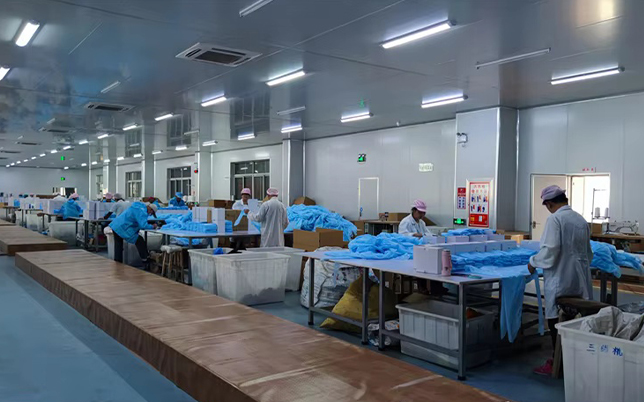
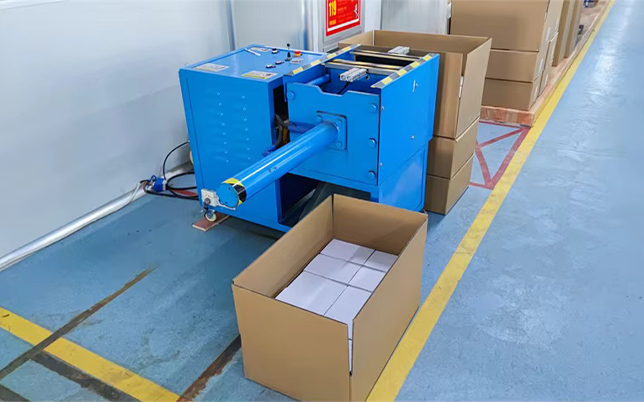
When comparing suppliers, focus on product consistency rather than generic claims such as “high quality disposable.” Useful questions include the type of nonwoven fabric, cap size, elastic construction, inspection methods, packaging format, and controls used during manufacturing.
If a listing mentions 100 pcs, confirm whether that refers to a bag, box, or another packaging unit. Buyers comparing manufacturers and suppliers in China, including sourcing options associated with Hubei, should also confirm order quantity, custom requirements, documentation, and international shipping arrangements. Verified customer reviews can add context, but they should not replace specification checks or quality-control questions