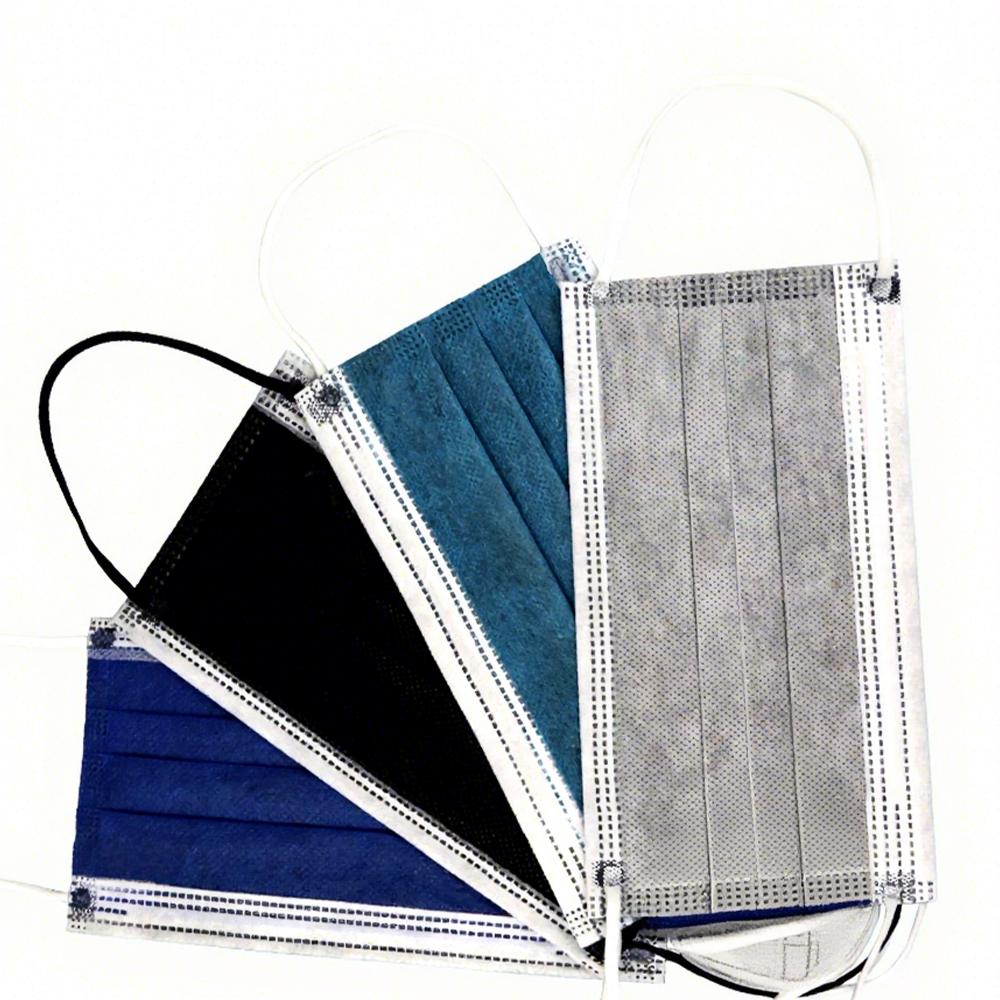
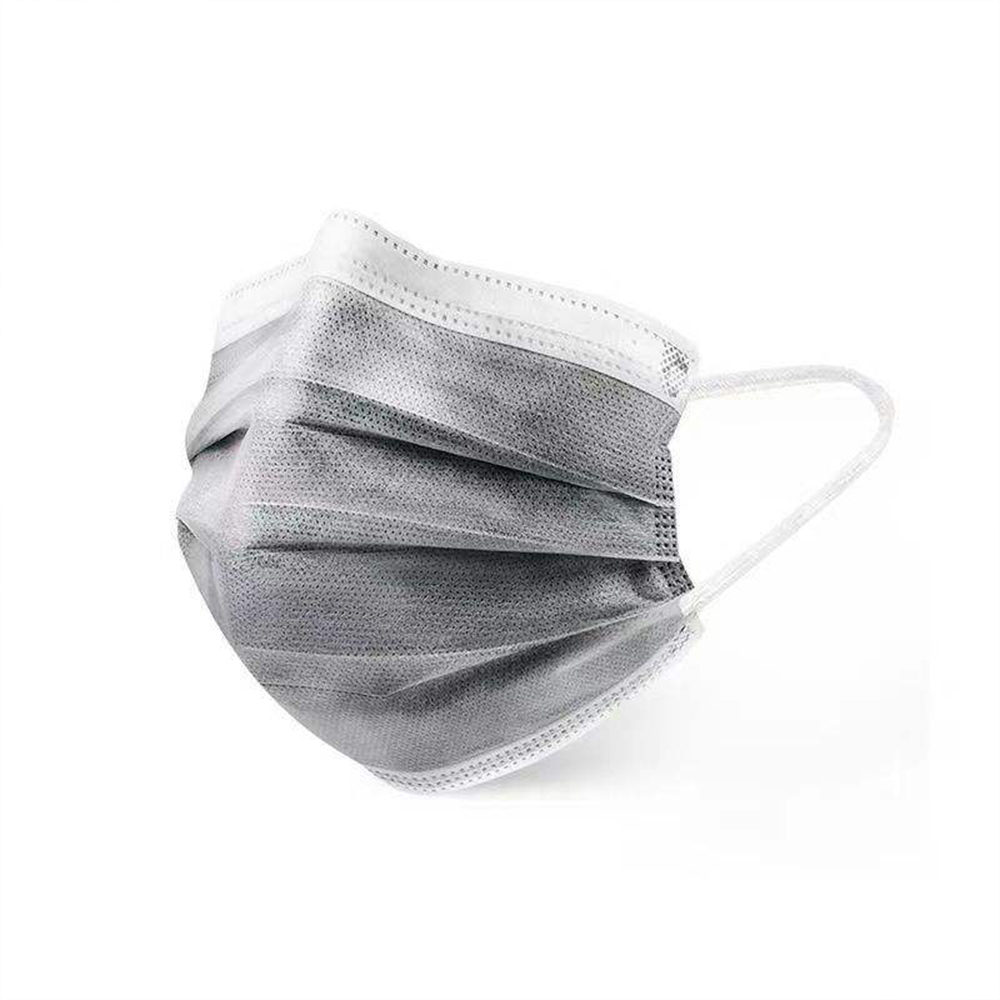
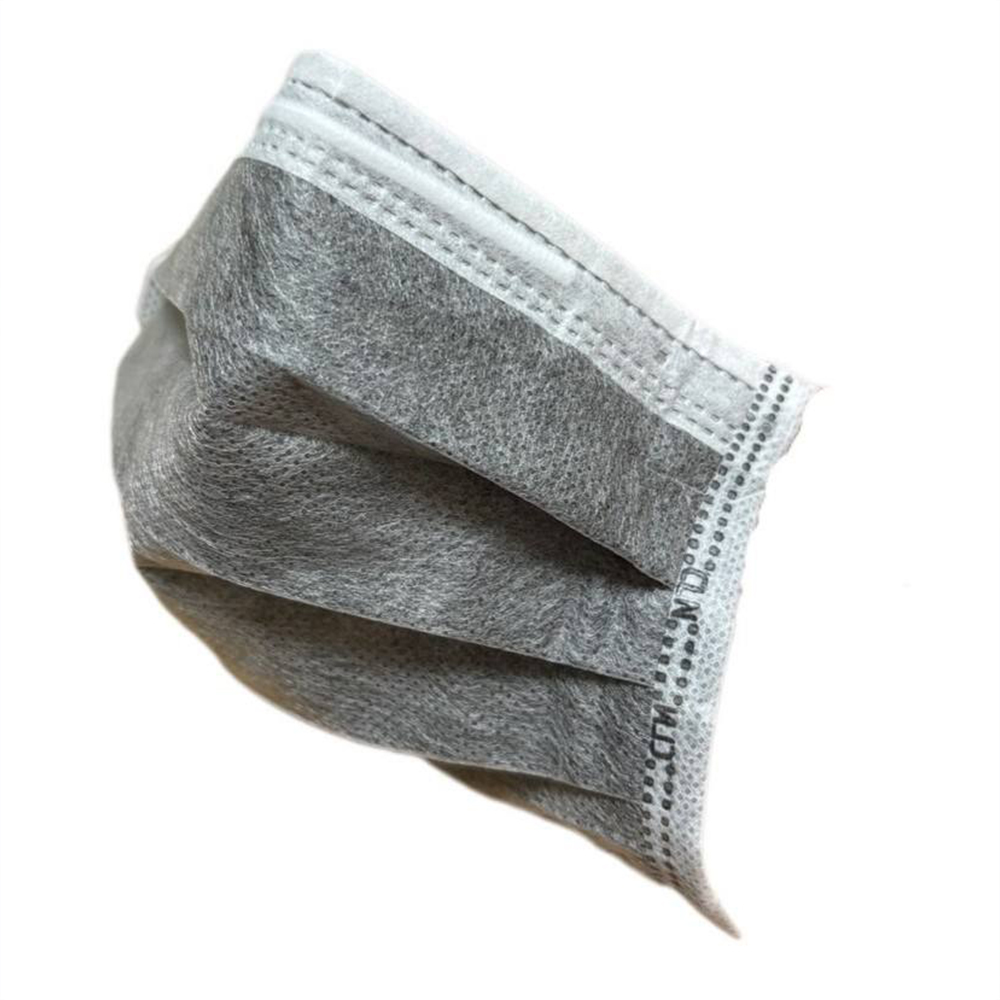
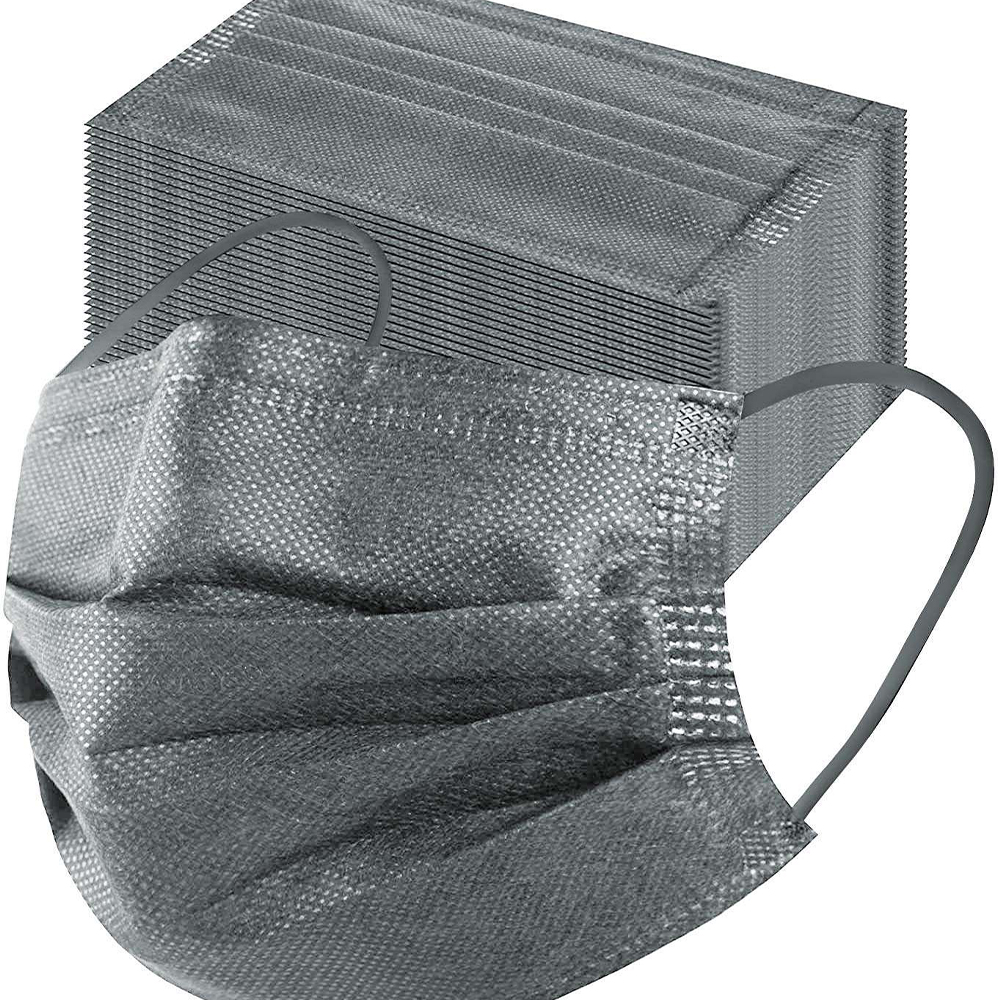
4-Ply Disposable Activated Carbon Face Mask
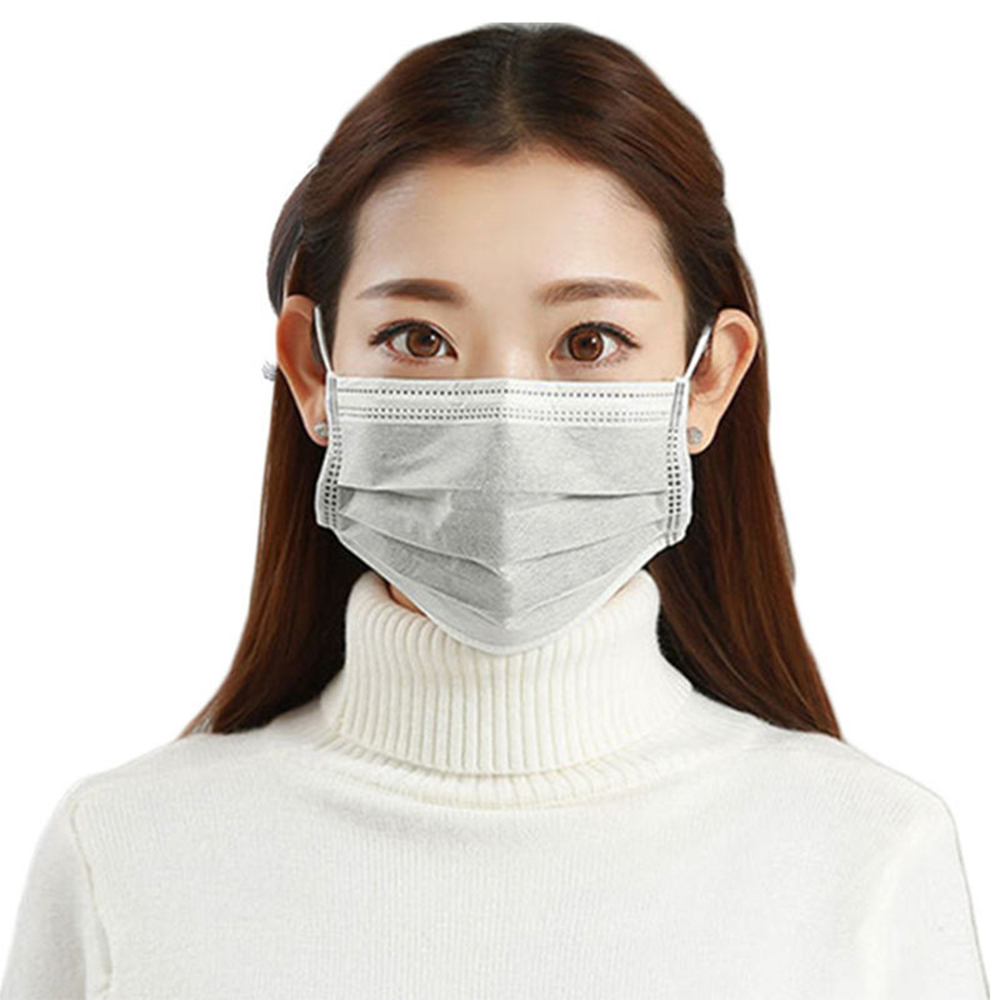
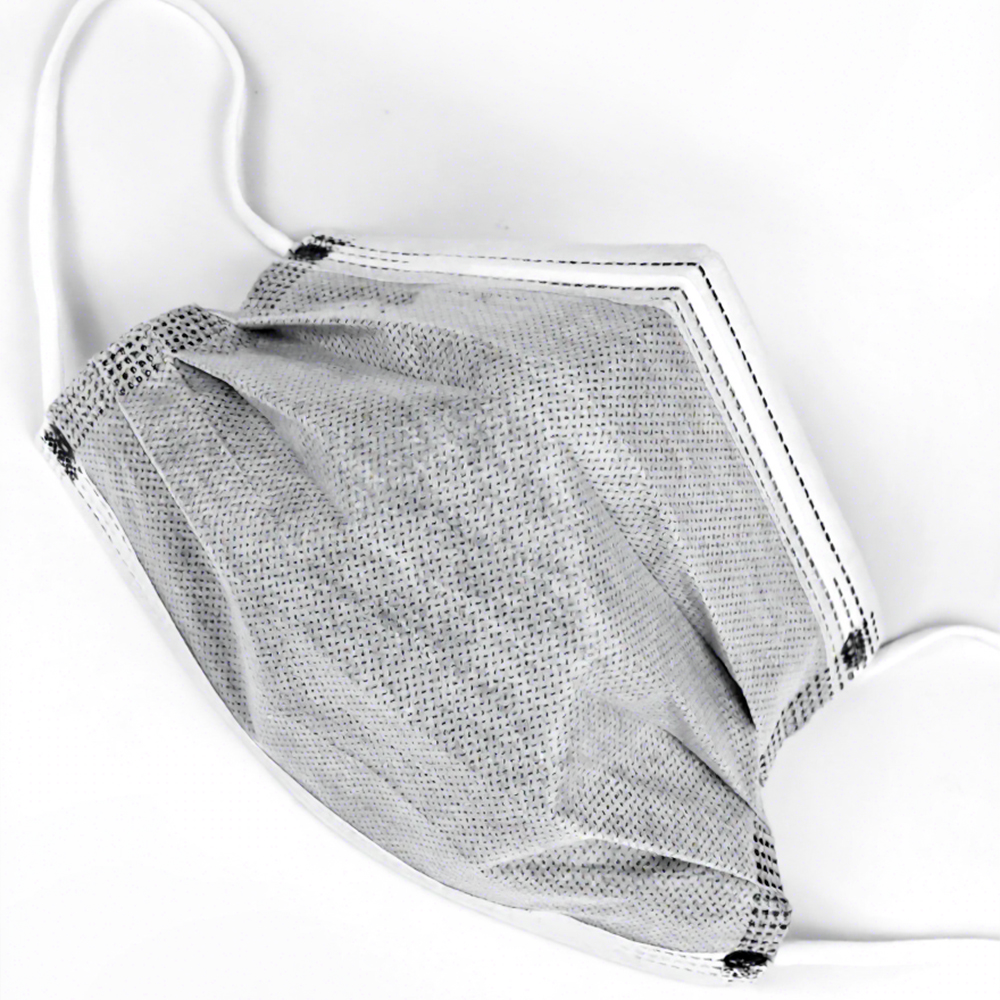
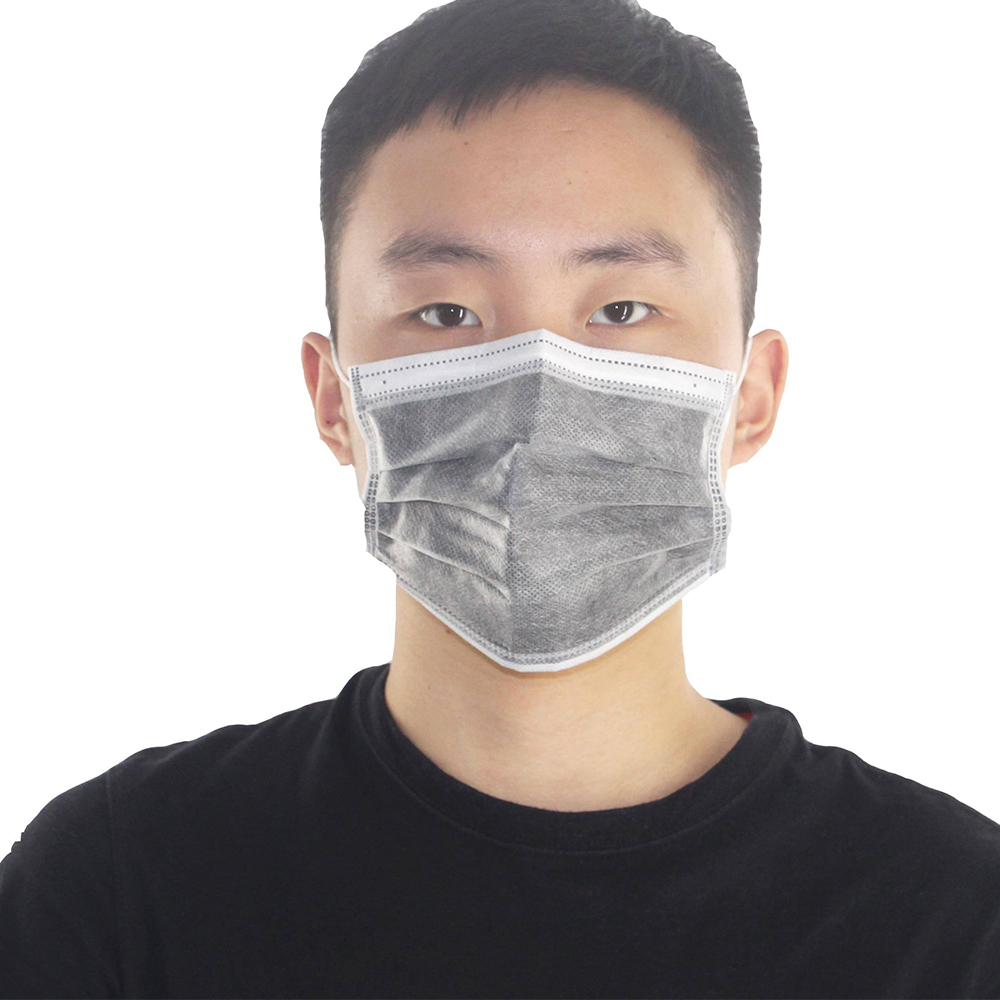
A 4-ply disposable activated carbon face mask is a single-use covering built with 4 layers for practical comfort and filtration support. Its activated carbon layer is designed to adsorb certain nuisance odors and some airborne contaminants, while outer, filter, and soft inner materials support everyday wear. It suits appropriate settings with dust, smoke, unpleasant odor, workshops, manufacturing, cleaning, warehousing, or daily environments. The earloop format is convenient to put on, remove, and replace when needed.
What Is a 4-Ply Activated Carbon Face Mask?
A 4-ply activated carbon face mask combines multiple material layers with activated charcoal to help manage particles and certain nuisance odors. Masks with activated carbon are commonly selected when buyers want disposable face masks that add an odor-reduction layer without moving to a reusable cartridge respirator.
The carbon face design should be assessed by its actual material construction, fit, test data, and intended use—not by the product name alone.
How Do the Four Layers Work Together?
The 4-ply construction typically combines an outer non-woven fabric, filtration material, a carbon layer, and a soft inner layer. Each layer has a different role:
Outer nonwoven layer:Â Forms the external covering and helps protect the internal materials.
Filter material: Supports particulate filtration according to the product’s tested performance.
Activated charcoal layer:Â Uses porous carbon to adsorb certain odors and some vapors at nuisance levels.
Soft inner layer:Â Sits against the face for a more comfortable feel.
This layered arrangement is intended to balance breathability, comfort, and single-use convenience.
What Protection and Filtration Claims Should Buyers Verify?
A product described as 4 ply, activated carbon, or a charcoal face mask does not automatically have medical, surgical, respirator, PM 2.5, or certified filtration performance. Actual protection depends on product design, fit, tested filtration efficiency, and applicable certification. OSHA distinguishes surgical masks from respirators and states that surgical masks cannot substitute for required respiratory protection.
Buyers requiring ASTM Level 3, NIOSH approval, EN performance, dental applications, or a specific particulate standard should request the relevant test report and product specification before purchase. Activated carbon filters or activated charcoal media may adsorb some nuisance-level organic vapors, but that does not make a disposable mask equivalent to a certified gas/vapor respirator.

Where Are Activated Carbon Masks Commonly Used?
Activated carbon masks are often considered for industrial and industry settings involving dust, smoke, light pollution, routine cleaning, warehousing, manufacturing, maintenance, and nuisance smells. They may also suit masks for daily use where a disposable covering is appropriate.
For hazardous atmospheres, unknown contaminants, or regulated exposure controls, use respiratory protection selected for the specific hazard. NIOSH notes that filtering facepiece respirators protect against particles, not gases or vapors, unless a product is specifically configured and approved for other hazards.
What Benefits Matter Most to Buyers?
For commercial buyers, useful benefits include simple single-use handling, a breathable construction, elastic ear loops, and a nose clip that can help adjust the fit. An earloop face mask is easy to issue across workshops, maintenance teams, cleaning operations, and general workplace programs.
The charcoal activated carbon face mask format may help reduce certain nuisance odors. It should not be described as providing complete protection or as able to protect against every pollutant, gas, or vapor.
Where Are Activated Carbon Masks Commonly Used?
Activated carbon masks are often considered for industrial and industry settings involving dust, smoke, light pollution, routine cleaning, warehousing, manufacturing, maintenance, and nuisance smells. They may also suit masks for daily use where a disposable covering is appropriate.
For hazardous atmospheres, unknown contaminants, or regulated exposure controls, use respiratory protection selected for the specific hazard. NIOSH notes that filtering facepiece respirators protect against particles, not gases or vapors, unless a product is specifically configured and approved for other hazards.
What Protection and Filtration Claims Should Buyers Verify?
A product described as 4 ply, activated carbon, or a charcoal face mask does not automatically have medical, surgical, respirator, PM 2.5, or certified filtration performance. Actual protection depends on product design, fit, tested filtration efficiency, and applicable certification. OSHA distinguishes surgical masks from respirators and states that surgical masks cannot substitute for required respiratory protection.
Buyers requiring ASTM Level 3, NIOSH approval, EN performance, dental applications, or a specific particulate standard should request the relevant test report and product specification before purchase. Activated carbon filters or activated charcoal media may adsorb some nuisance-level organic vapors, but that does not make a disposable mask equivalent to a certified gas/vapor respirator.