Disposable Face Masks: Practical 3-Ply Face Mask Options for Everyday Use
A disposable face mask is a single-use covering for the nose and mouth, commonly made from nonwoven materials that may include melt-blown media. It creates a physical barrier against droplets and some particles, but performance varies by design and how it sits on the face; an ordinary disposable mask should not be treated as certified respiratory equipment.
What Are Disposable Face Masks Used For?
These lightweight coverings are commonly chosen for commuting, customer-facing work, retail, food service, travel, and shared spaces where a fresh item is convenient. They may block droplets and can support measures intended to reduce respiratory transmission, but their performance varies by product.
For medical or clinical environments, use only products specifically labeled and documented for the required procedure. General-purpose masks should not be assumed to meet healthcare requirements simply because they look similar.
How Does a Three-Layer Disposable Face Covering Work?
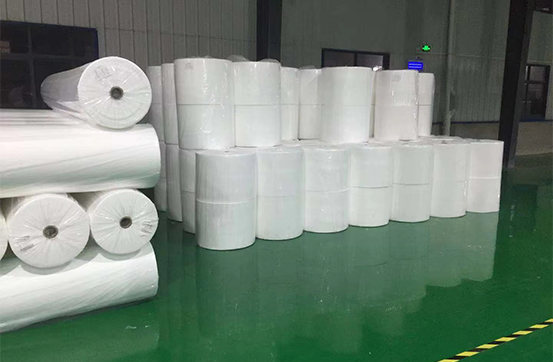
Many designs combine several nonwoven materials. A 3 ply construction may place a filter layer between inner and outer materials, while the surrounding fabric provides structure and comfort.
Actual filtration rate varies by design, materials, and testing, so ply count alone does not prove performance. CDC/NIOSH notes that general disposable face products are loose-fitting and can provide varying particle filtering performance.
How Should You Select the Right Size and Style?
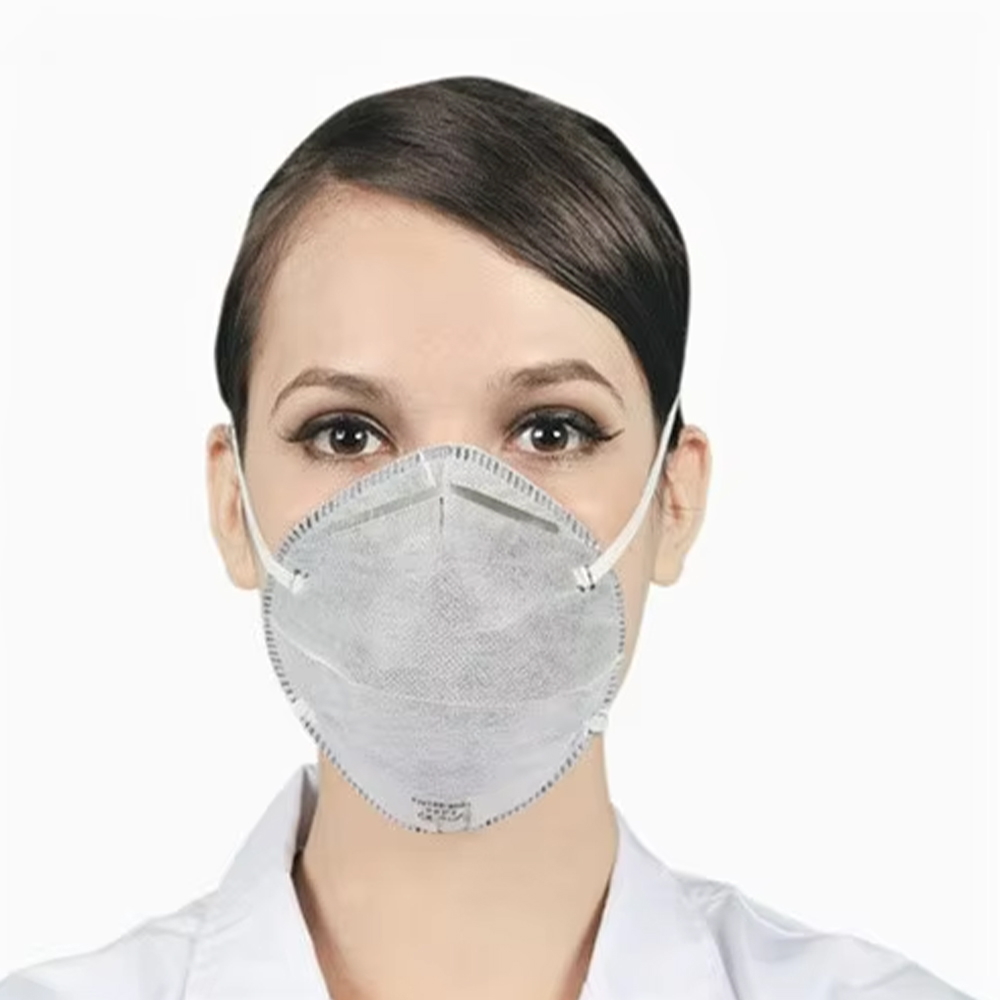
Choose by intended setting, size, comfort, order volume, and expected use. How masks fit your face matters: the covering should remain over the required area without obvious gaps or frequent adjustment.
Before you purchase, consider the product’s dimensions, material description, available documentation, and whether any performance claims can be verified independently. Compare the seller’s information with your needs rather than choosing by brand or price alone.
For frequent use, calculate how many units you expect to spend over a given period. A low-cost deal is useful only when the product details suit the user and the intended task.

How Do General Masks Compare with Higher-Performance Options?
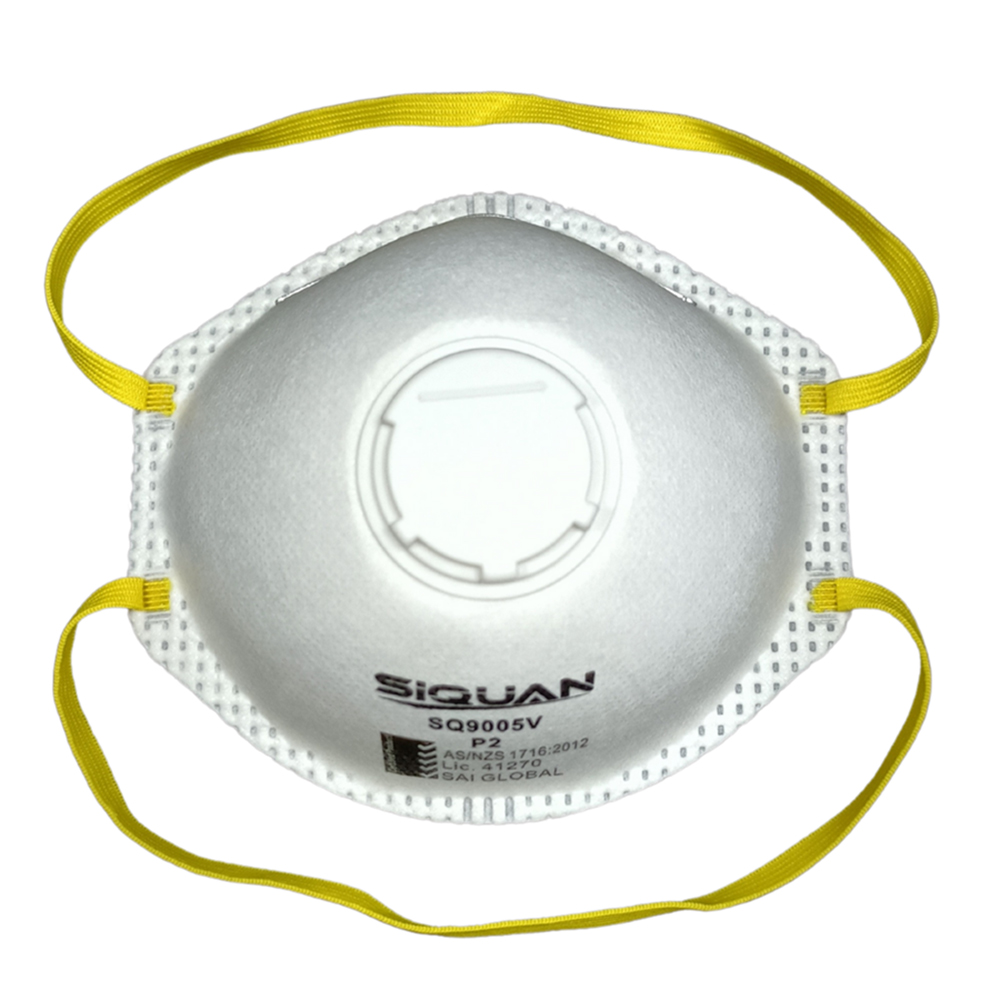
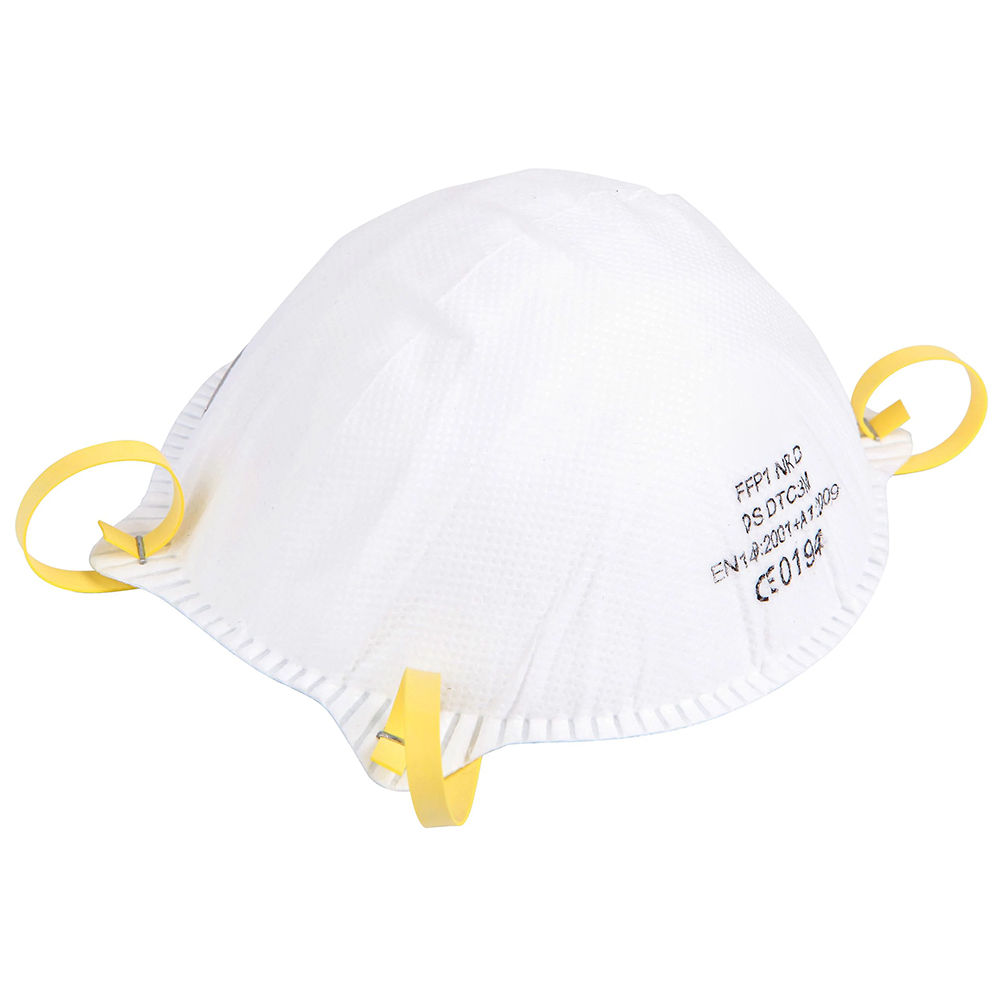
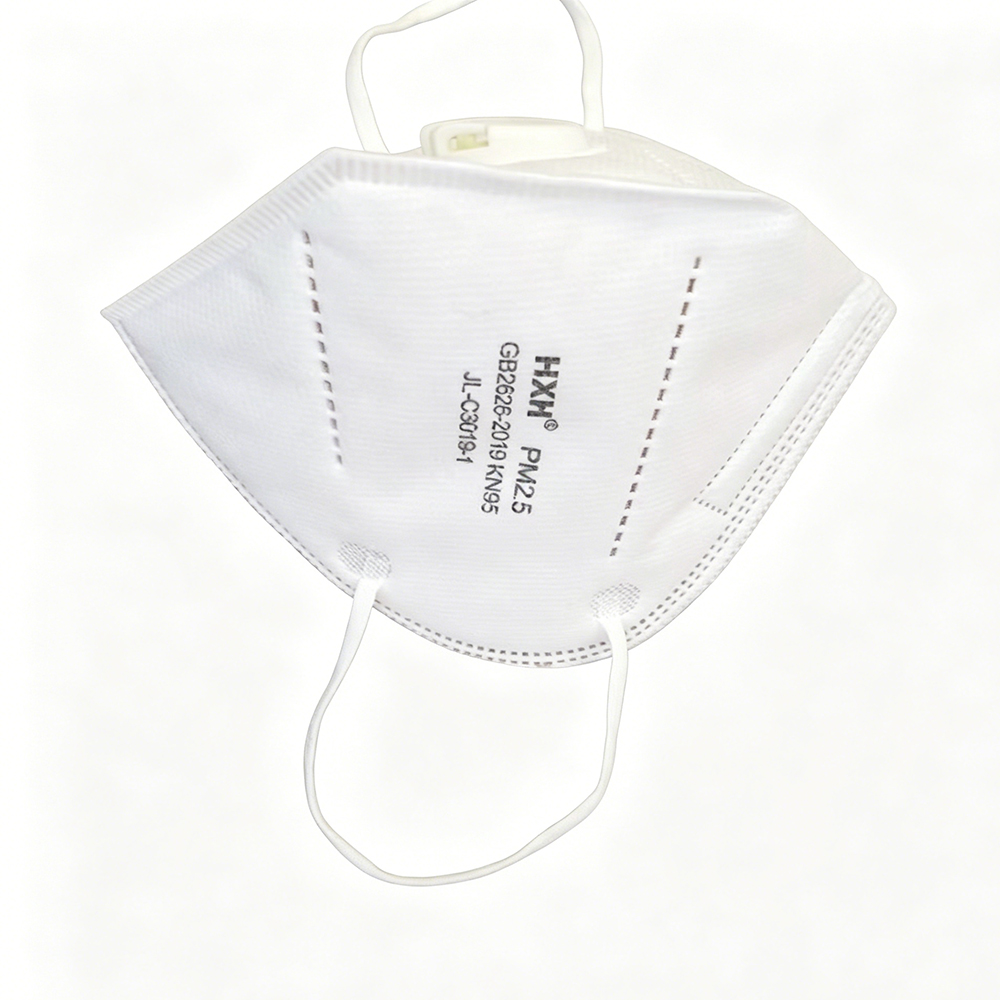
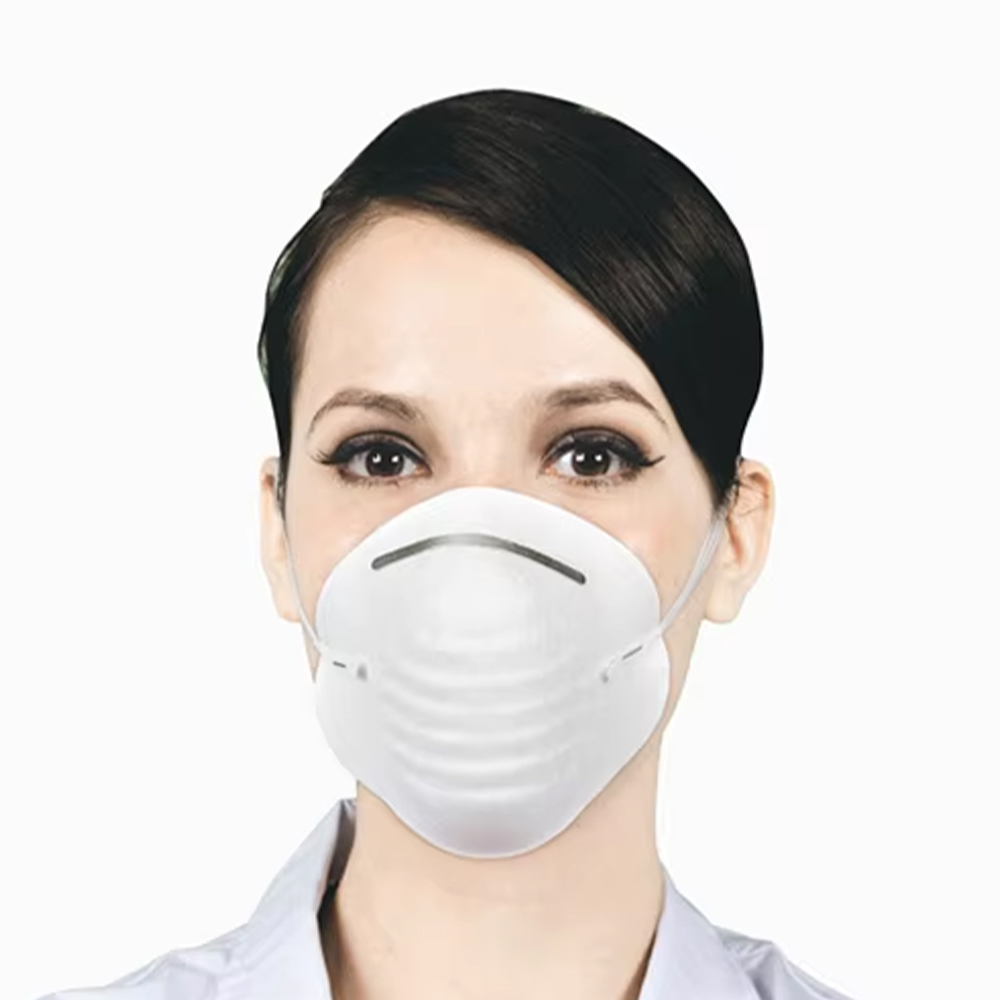
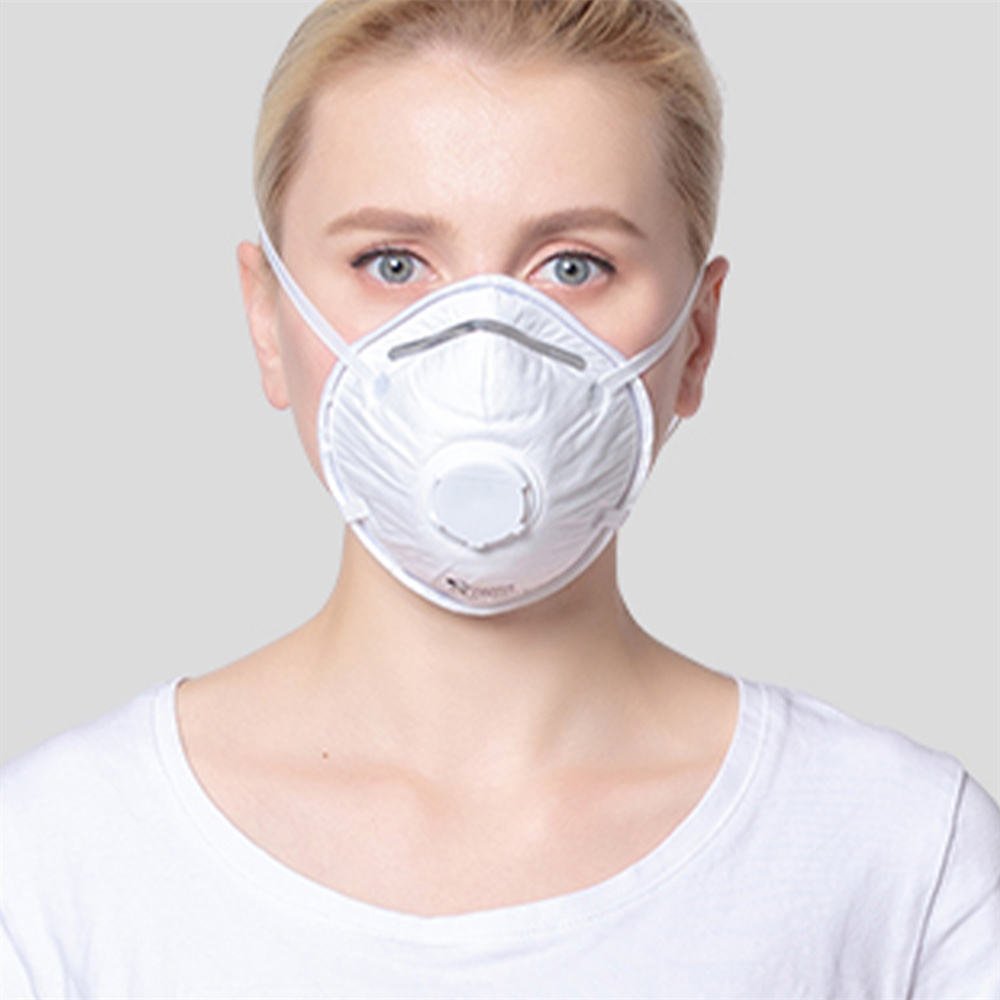
These categories are not interchangeable. A surgical mask is a regulated medical device intended for specific healthcare uses; a KN95 follows an international filtering-facepiece standard; and an N95 respirator is NIOSH Approved, designed for a close facial seal around the face, and filters at least 95% of airborne particles under the NIOSH test.
The U.S. Food and Drug Administration (FDA) distinguishes general face coverings from those products and other medical devices. The level of protection therefore depends on product type, standards, and how the product is worn—not appearance alone.
Key Features: Ear Loops, Nose Wire, Coverage, and Comfort
- Useful details can make a product easier to wear and compare:
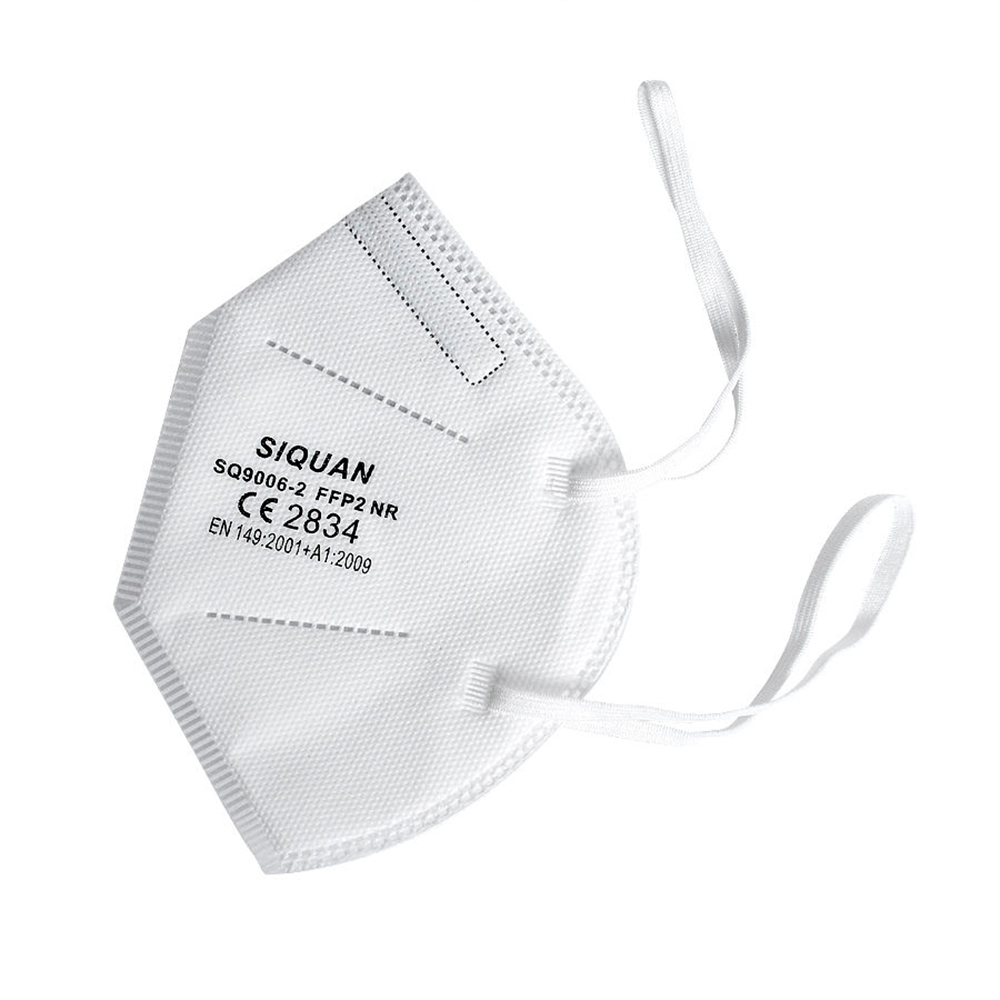
- Soft elastic earloops for quick on-and-off use.
- An adjustable nose strip to help shape the upper edge.
- Pleats that open to extend the covering from nose toward chin without constant repositioning.
- A breathable mask material that supports comfortable breathing during intended wear.
- Adult sizing, available color choices, and a clear specification for comparison.
Check the product description rather than assuming every item includes the same 5-layer construction, valve, or comfort features.
Pack Sizes, Packaging, and Buying Considerations
Follow the manufacturer’s instructions: a product labeled for one-time wear should generally be replaced rather than routinely reused. Replace it sooner if it becomes wet, dirty, damaged, hard to breathe through, or no longer stays in place.
Put it on with clean hands and keep the mouth and nose fully covered. It should sit securely without feeling unnecessarily tight, and touching the front during wear should be minimized.
Store unused products in a clean, dry place in their original wrapping. Follow local waste rules and workplace procedures when disposing of used masks.
Can You Reuse a Single Use Mask, and How Should It Be Worn?
Follow the manufacturer’s instructions: a product labeled for one-time wear should generally be replaced rather than routinely reused. Replace it sooner if it becomes wet, dirty, damaged, hard to breathe through, or no longer stays in place.
Put it on with clean hands and keep the mouth and nose fully covered. It should sit securely without feeling unnecessarily tight, and touching the front during wear should be minimized.
Store unused products in a clean, dry place in their original wrapping. Follow local waste rules and workplace procedures when disposing of used masks.
Shop Disposable Face Masks for Everyday and Bulk Orders
Choose products that match your intended use, comfort needs, supply plan, and documentation requirements. This is especially relevant when disposable safety supplies are being purchased for workplaces with formal PPE policies.
Ready to purchase? Compare available pack options, confirm the product details that matter to your users, and order the right quantity for your use case.