Disposable Bed Covers for Practical Surface Protection
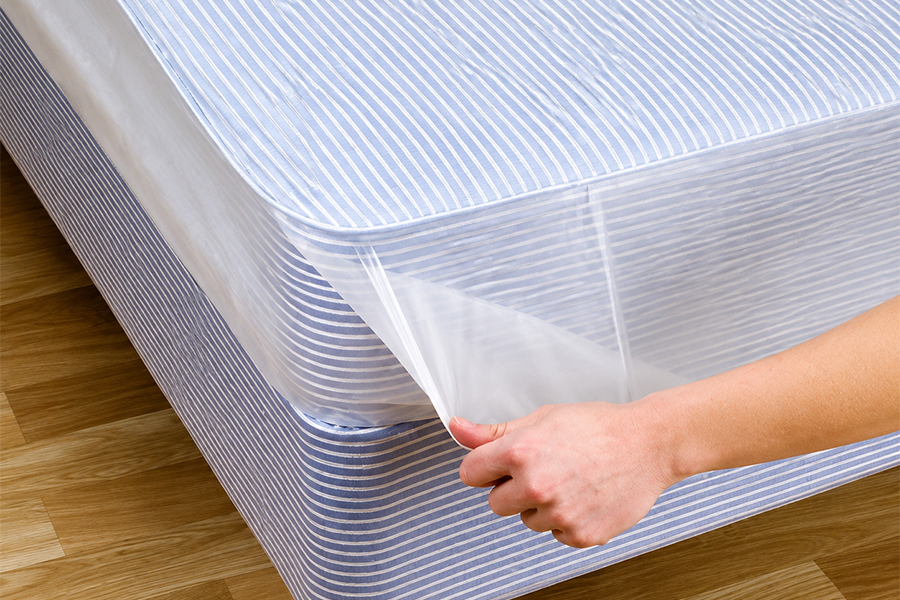
Disposable bed covers are single-use protective sheets placed over a bed or mattress to help keep the surface clean and hygienic. They shield most or all of the sleeping or treatment surface from dirt, moisture, spills, bodily fluids, and contamination, subject to the selected product’s specification.
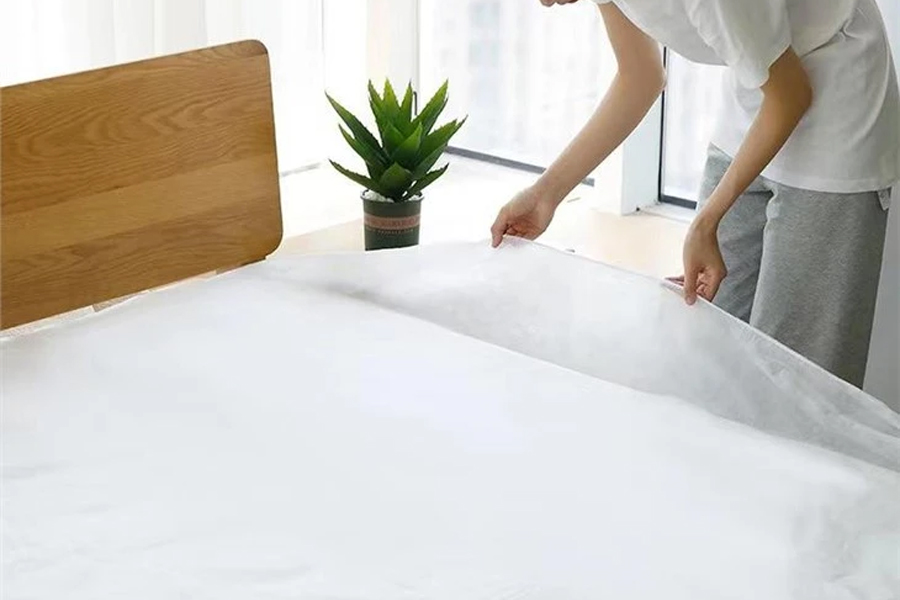
For a hospital, clinic, hotel, care home, or mobile travel kit, these disposable sheets provide a convenient barrier that can be removed after each guest, patient, or treatment. They may also help reduce laundry and make room turnover easier.
What Is a Single-Use Bed Sheet and How Does It Work?
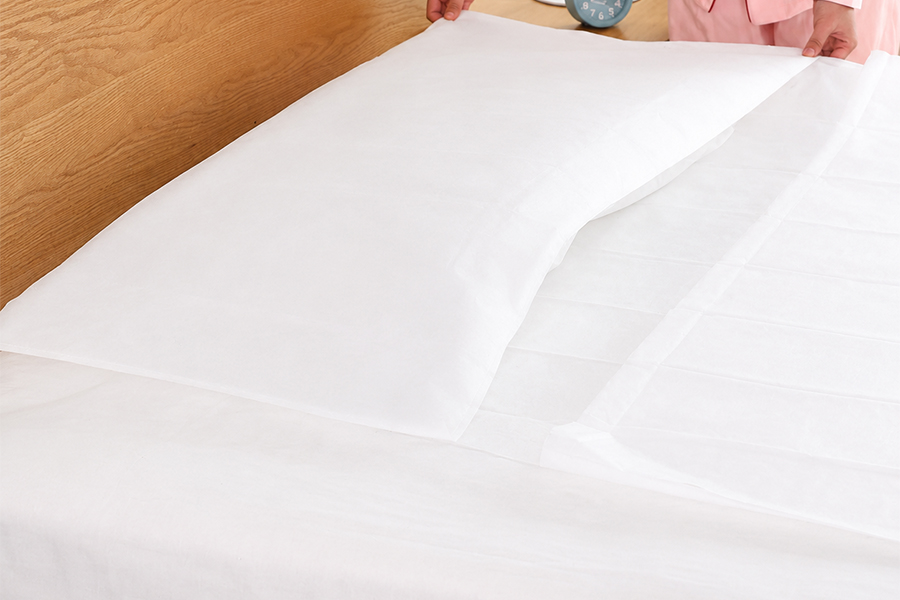
A disposable bed sheet is a single-use layer laid or secured over a sleeping, examination, or treatment surface. It separates the surface from routine debris and contact, then is removed according to the facility’s waste and infection-control procedures.
Unlike reusable linen, it does not need laundering between users. Performance varies: a basic sheet must not be described as sterile, medical-grade, liquid-resistant, or suitable for fluid management unless its documented specification confirms those features.
What Surface and Hygiene Benefits Do Single-Use Covers Provide?
The primary benefit is a fresh barrier that supports consistent turnover between users. Replacing the layer after use can limit direct contact with dirt and contamination while helping teams prepare rooms efficiently.
Single-use bedding can also reduce the volume of reusable linen that must be handled and washed. If moisture control is important, confirm whether the surface stays dry under the stated use conditions; no barrier should be assumed to stop liquids without supporting data.
Where Are Single-Use Bed Sheets Used Professionally?
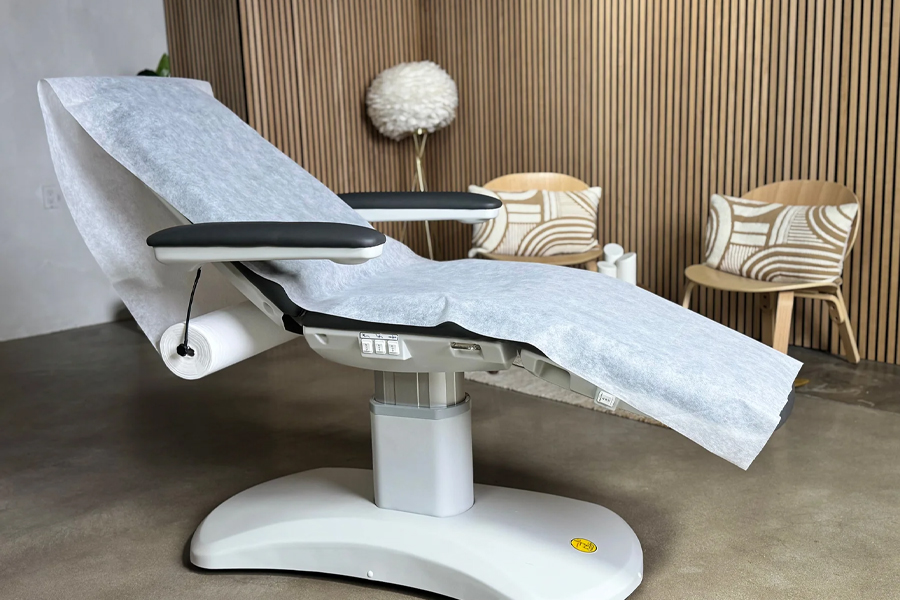
They are used wherever fast, consistent surface preparation matters. Healthcare settings include clinics, examination rooms, recovery areas, residential facilities for elderly people, and other professional treatment environments.
A spa bed cover can protect treatment furniture, while massage table sheets suit a massage bed. Beauty businesses may use them for wax, facial, or eyelash services, and tattoo studios can use specified barriers as part of their wider cleaning protocol. In hospitality and during trips, guests may enjoy a more reassuring experience when a fresh layer is provided.
Which Sheet Materials and Comfort Features Matter?
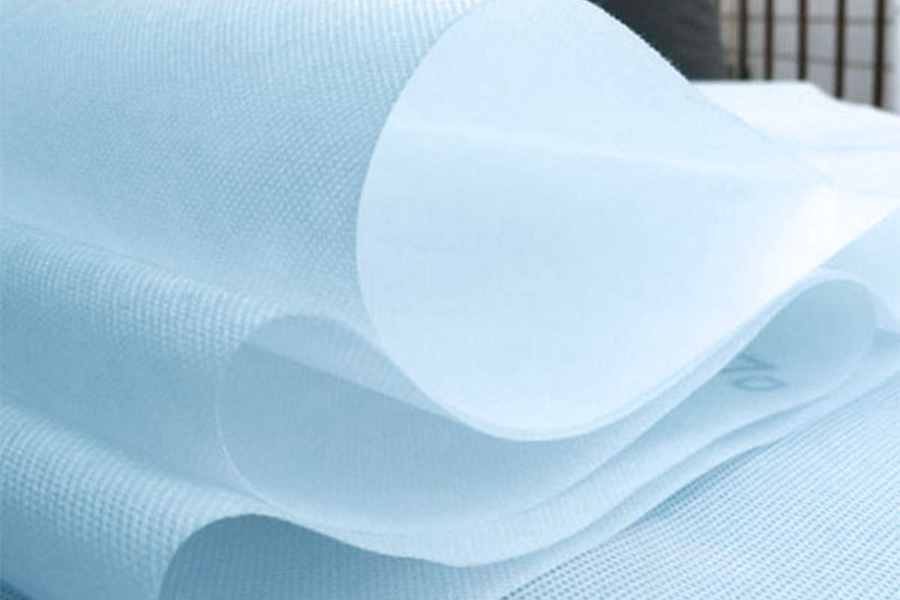
Material choice determines feel, airflow, strength, and barrier behavior. A soft, breathable non-woven fabric can feel comfortable and gentle against the skin; some catalogs write the same construction as non woven.
Polyester or plastic layers may change drape and moisture resistance. A thick or thicker option may feel more substantial, but weight alone does not prove durable performance or rip resistance. If a heavy construction is offered, compare samples and technical data. Do not describe any item as a waterproof bed barrier unless testing or the specification supports that claim.
What Sizes, Colors, and Flat Sheets or Fitted Sheets Are Available?
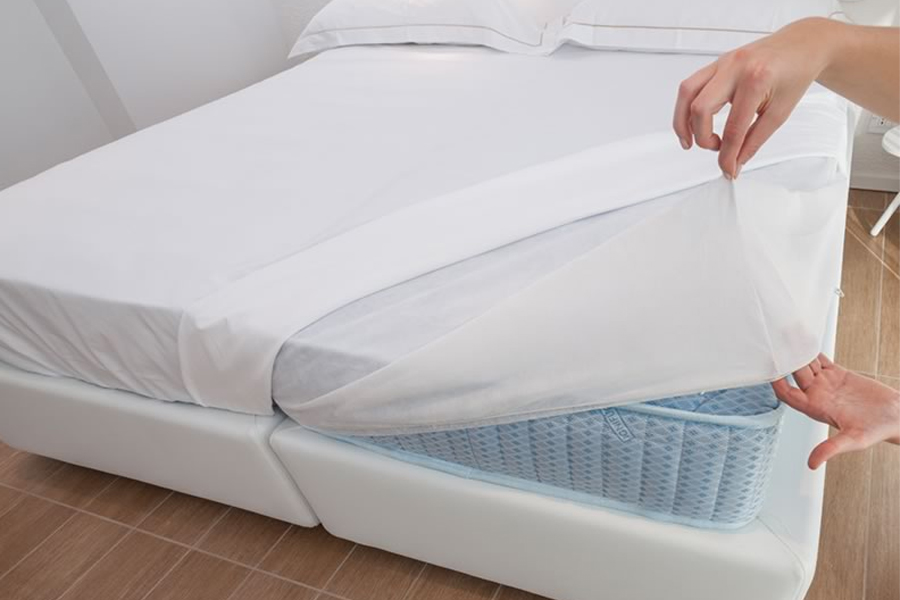
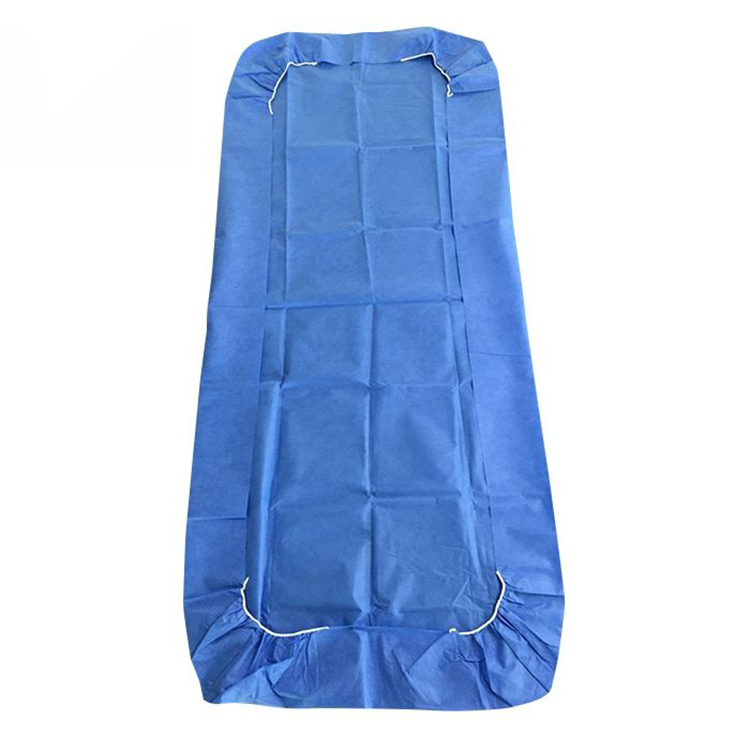
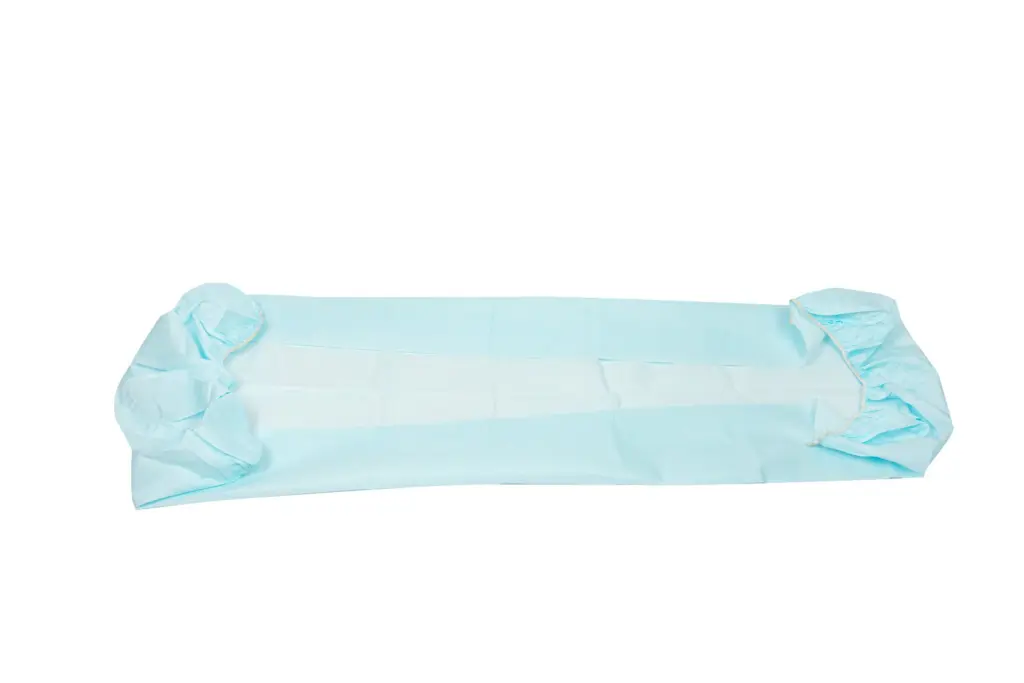
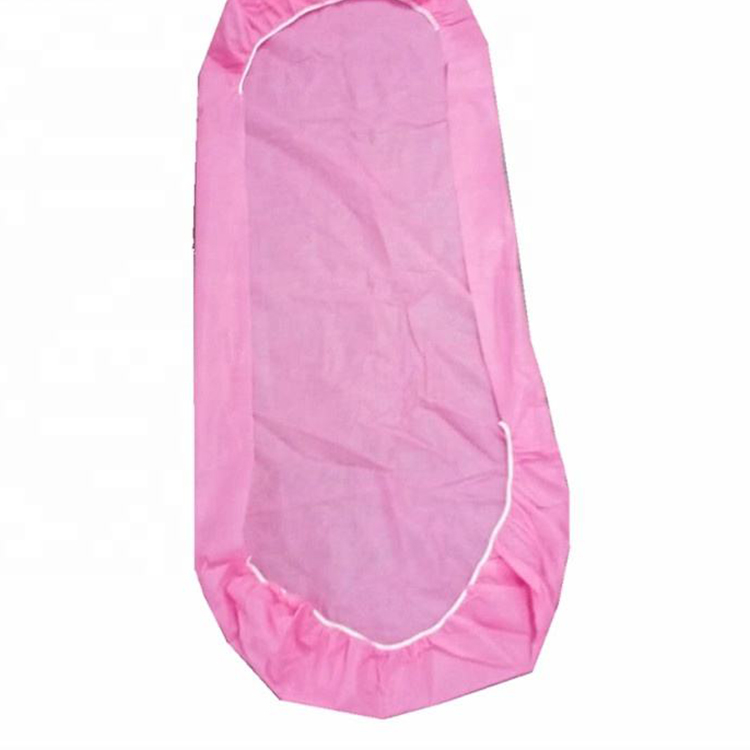
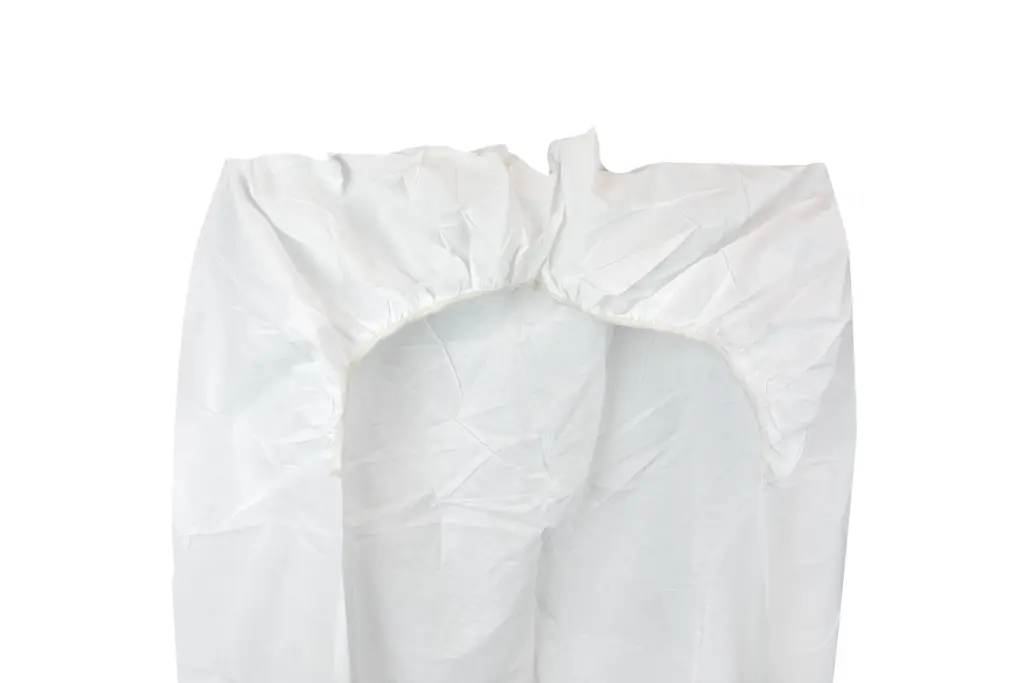
Options vary by source, so buyers should confirm the exact size and attachment style before ordering. Flat formats drape over the surface, while a fitted design uses corners or elastic to hold the layer in place; the correct fit can reduce shifting during normal use.
Listings may include white or blue, king formats, or extra depth, but naming conventions are not universal. Measure the surface, note its depth and shape, and compare those figures with the stated dimensions rather than relying only on a familiar format name.
Buyer Checklist for a Reliable Bed Sheet Supplier
A reliable vendor should provide clear specifications, packaging details, and purchasing terms. Use the same checklist when evaluating a brand, marketplace listings on Amazon, or named options such as Peelaways; category wording alone is not evidence of performance.
- Review materials, dimensions, intended use, barrier claims, and supporting documentation.
- Confirm pack and case quantities, minimum orders, samples, and whether samples are free or charged.
- Ask where cartons ship, which freight terms apply, and how products are packed for storage.
- Test whether staff can fit and remove the layer easily, then assess the convenience and waste implications.
- Request answers in writing so the selected item can be checked against operational requirements.