Disposable Underpads for Bed and Surface Protection

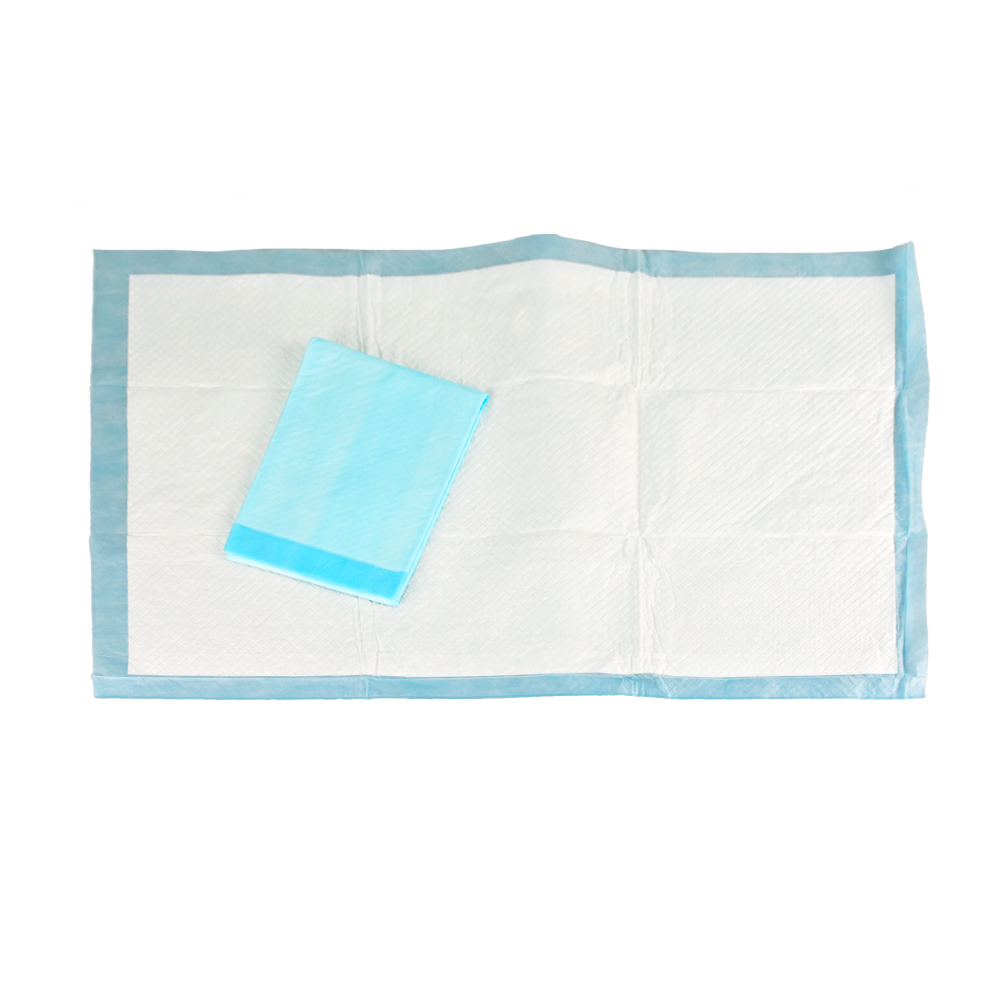
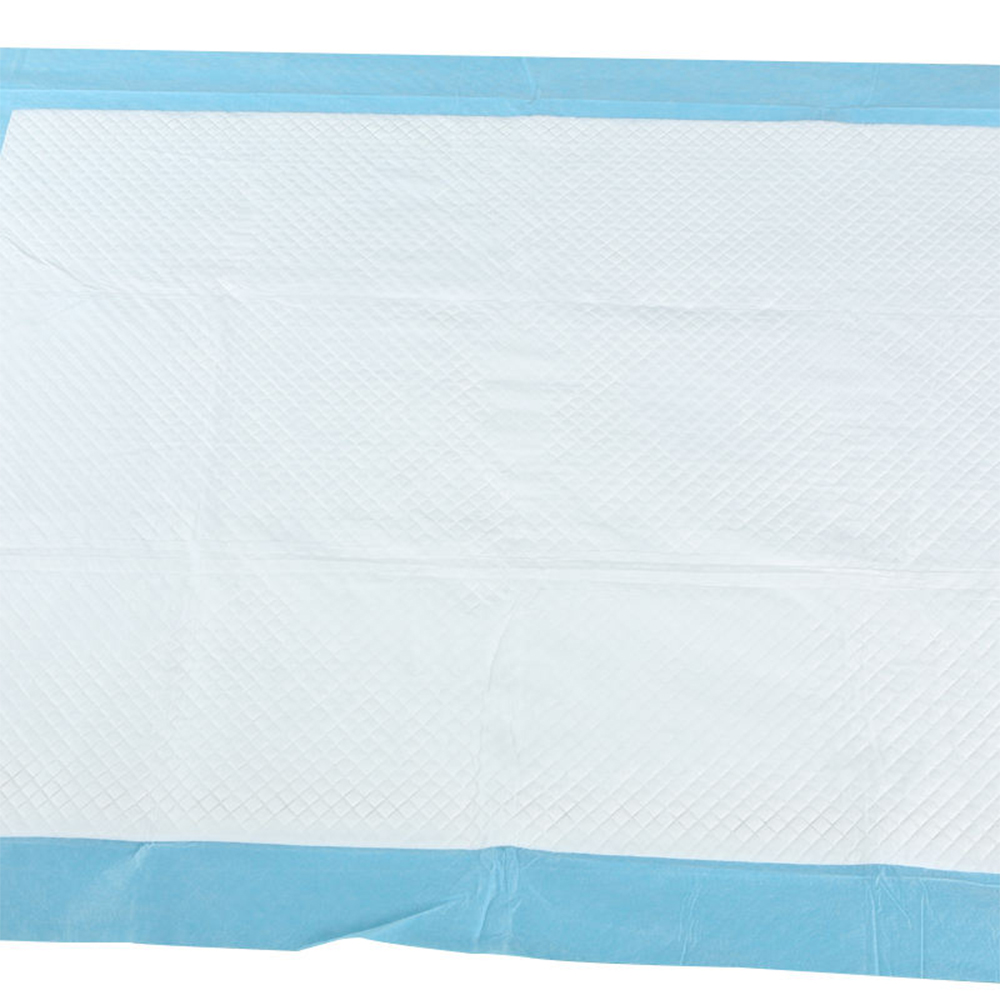
Disposable underpads are absorbent, single-use sheets placed beneath a person to protect beds, chairs, wheelchairs, mattresses, and other surfaces from urine, spills, and bodily fluids. Also called bed pads or chux, each pad combines a soft top layer, an absorbent core, and waterproof backing. It is a surface protector—not a wearable adult brief.

What Are Disposable Underpads?

Disposable underpads create a removable barrier between a person and the surface below. They are used for incontinence care, medical procedures, wound care, and baby changing. The NHS identifies bed and chair protection as a category of incontinence products.

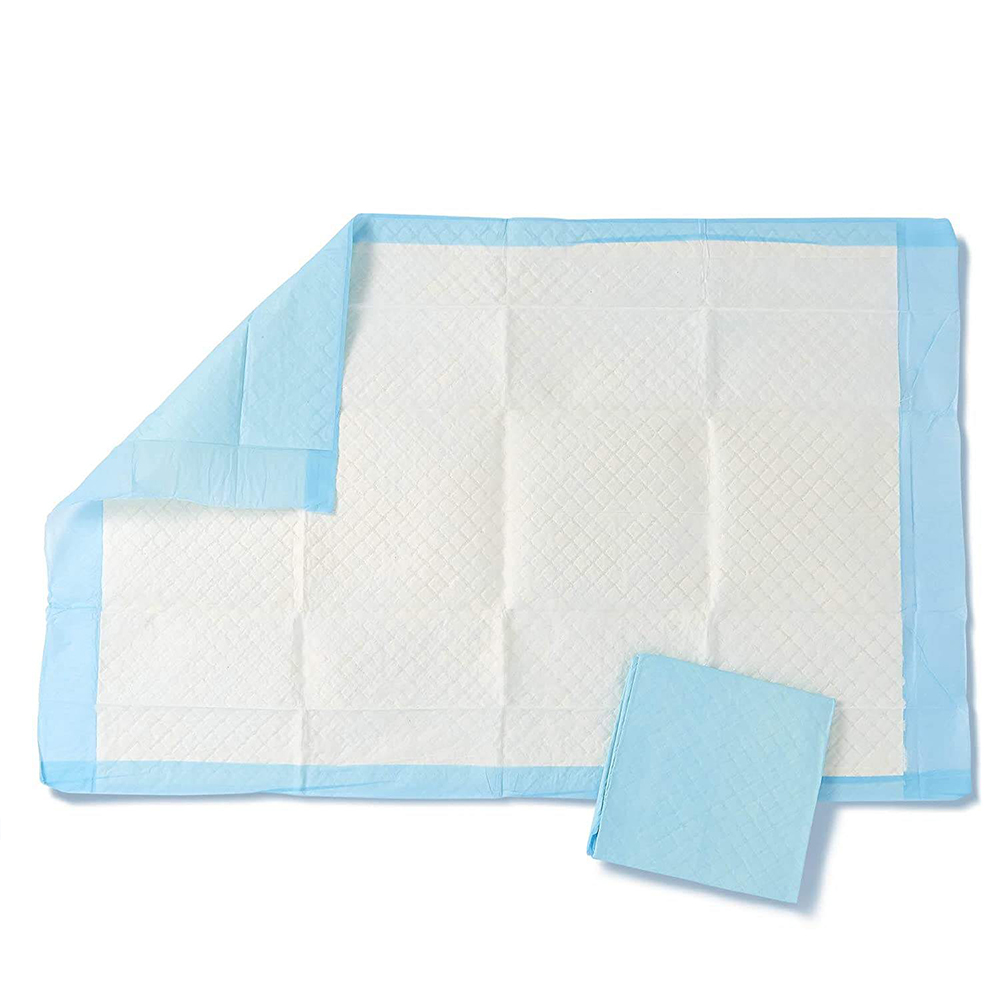
An underpad lies flat on the protected surface. It does not fasten around the body, and it should be discarded after use.

Disposable Under Pads

How Does an Absorbent Underpad Protect a Surface?

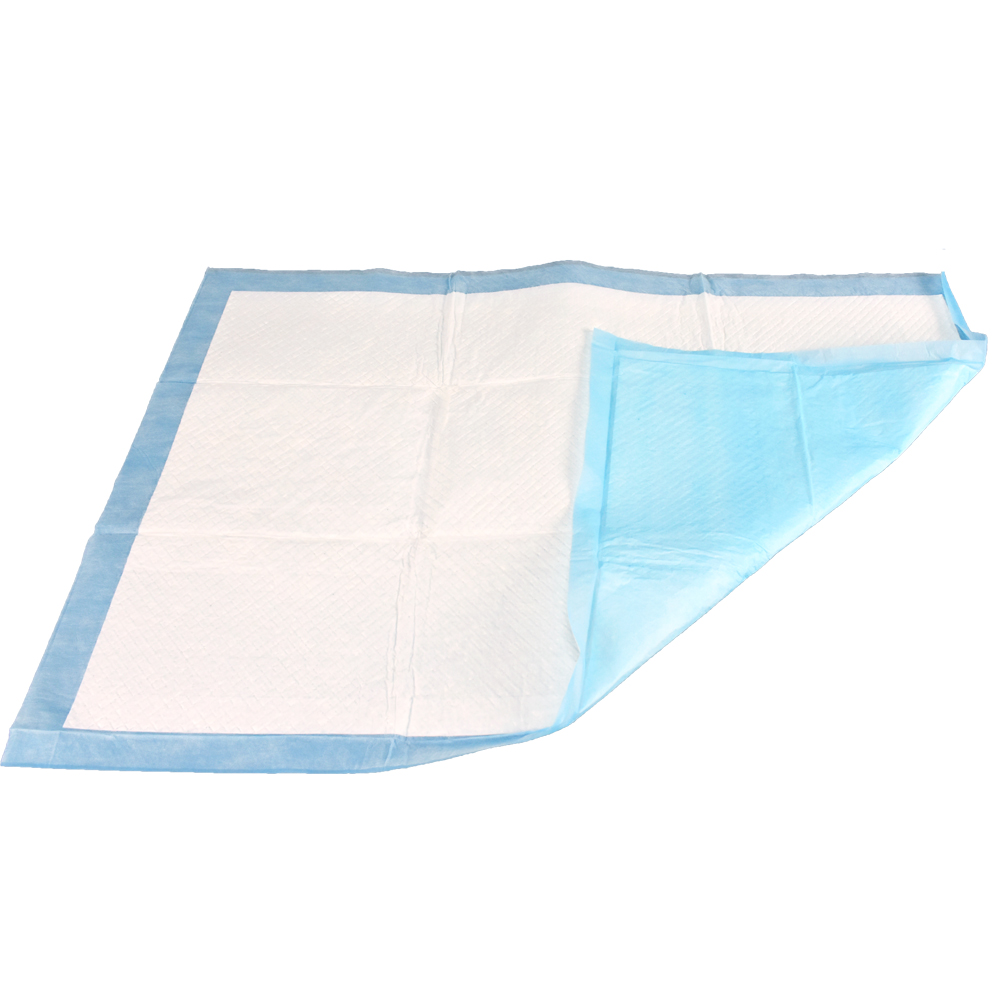
Three basic layers take in fluid and help keep it from reaching the surface below.

  • Soft top layer: Provides a comfortable contact surface and lets fluid pass through.
  • Absorbent inner core: Holds fluid. A core may contain fluff, absorbent polymer, or both.
  • Waterproof backing: Forms the bottom barrier between the wet core and the bed, chair, or other surface.

Which Absorbency Level Do You Need?

Choose absorbency according to expected fluid volume, use duration, and replacement frequency.

  • Light absorbency: For small, occasional leaks, minor spills, or short use periods.
  • Heavy absorbency: For more frequent leakage or greater fluid volume.
  • Maximum absorbency: The highest level within a product range, often considered for longer periods such as overnight.

Labels may differ across brands. Compare each product’s stated level and intended use. Even a more absorbent pad needs replacement when wet or soiled.

What Size Fits Beds, Chairs, Mattresses, and Wheelchairs?

Select a size that covers the likely contact area without bunching or interfering with movement. Measure the surface and compare it with the listed dimensions.

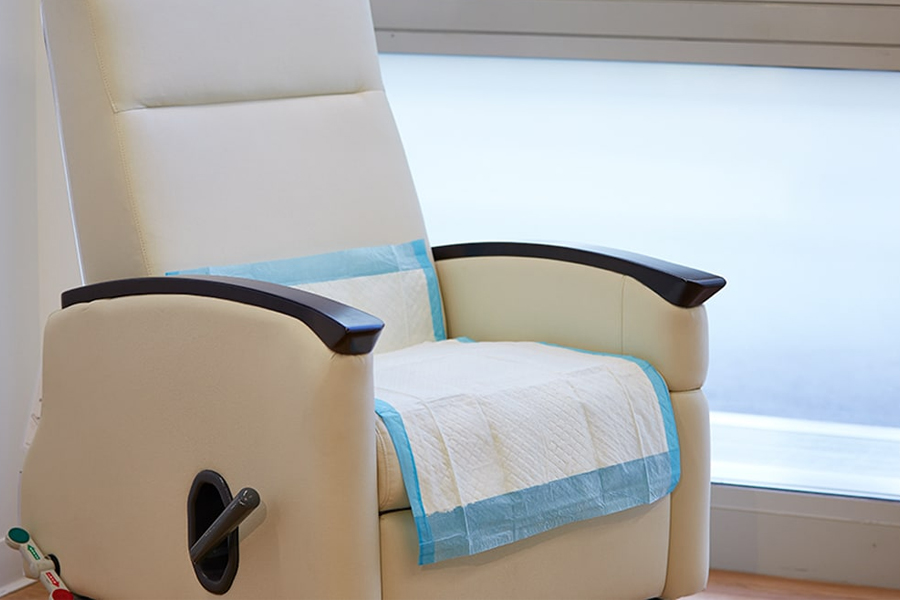
  • Chairs and wheelchairs: A compact pad may cover the seat while staying clear of wheels and moving parts.
  • Beds and mattresses: A larger pad can cover more of the sleep area.
  • Other surfaces: Keep the pad flat on exam tables, changing areas, or furniture.

Check our underpad sizing guide for a step-by-step measuring method.

How Do You Use and Dispose of an Underpad Hygienically?

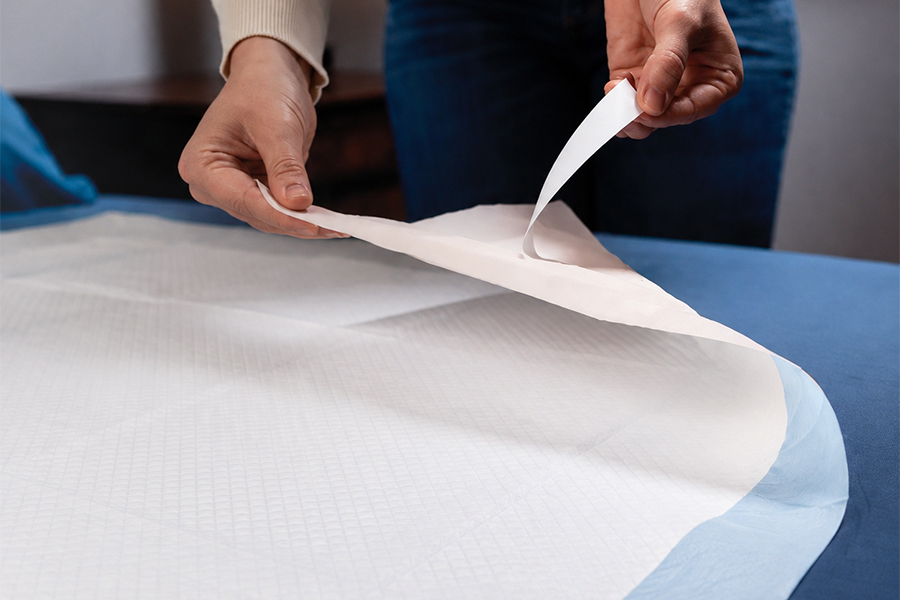
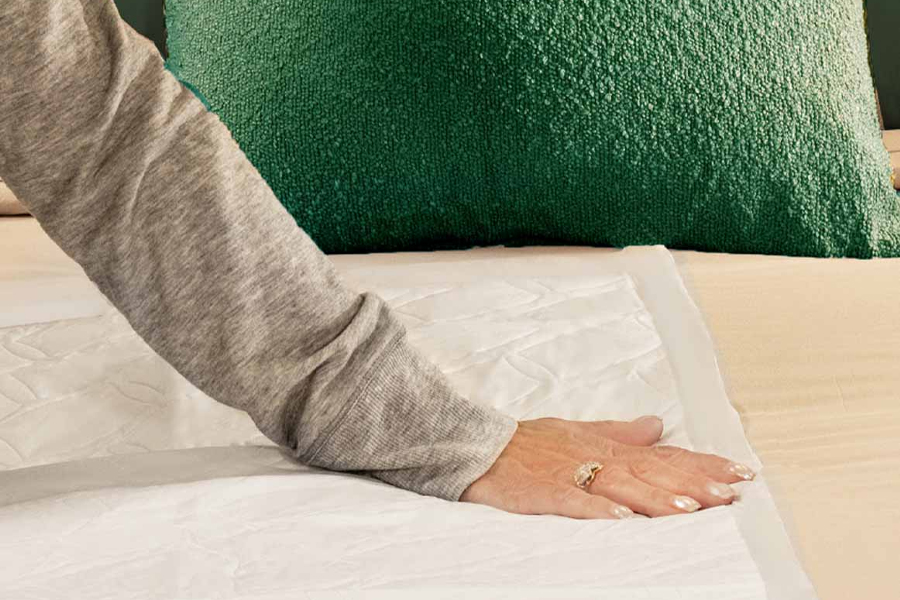
Place the waterproof side down, smooth the pad flat, and center the absorbent area beneath the user. Replace it when wet, soiled, damaged, or displaced.

Fold or roll the used surface inward, place it in an appropriate waste container, wash your hands, and follow local rules. Never reuse a disposable underpad. Guidance recommends cleansing skin after an incontinence episode and changing wet or dirty products promptly.


Disposable Under Pads

How Do You Shop Disposable Underpads With Confidence?

Start with the surface, expected fluid volume, and changing routine. Then compare:

  • Pad length and width against the area you measured
  • Light, heavy, or maximum absorbency within the same product range
  • Top-layer material and core construction
  • Waterproof backing and any stated slip-resistance feature
  • Pack quantity based on realistic replacement needs

Choose the option that fits the user’s routine. If leakage continues, reassess size, placement, and absorbency; a healthcare professional can help with personal care questions.