
Heavy Duty Raincoat Suits for Waterproof Work Protection
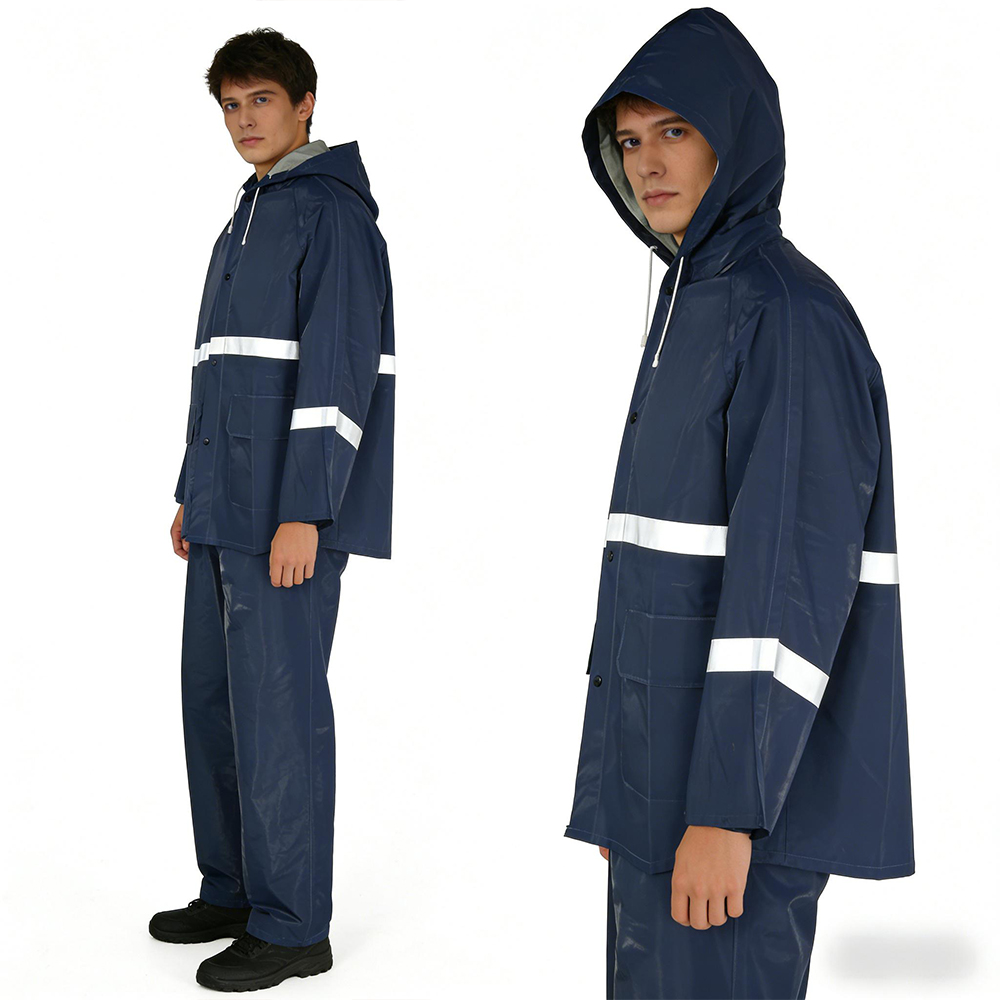
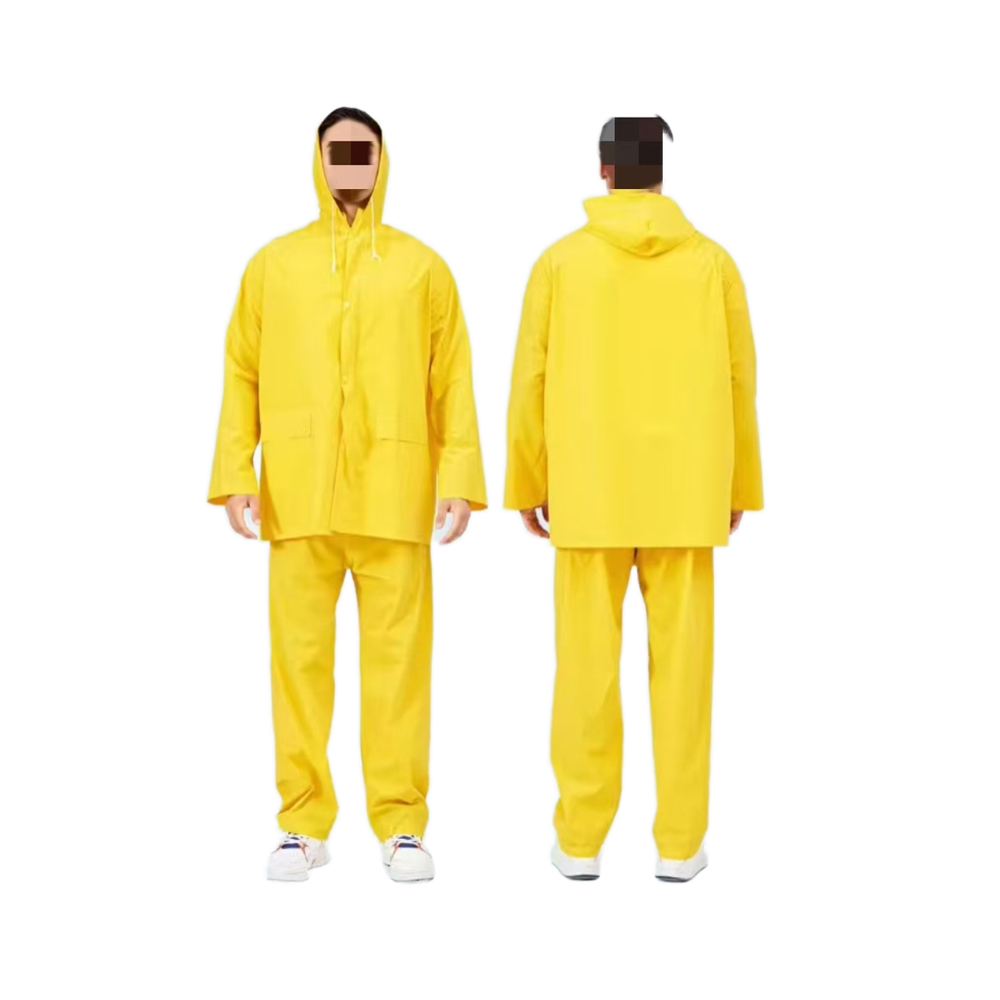
Heavy Duty Raincoat Suits are durable waterproof rain gear sets for heavy rain, demanding outdoor work, and commercial environments. A typical set combines a rain jacket with matching pants or bib protection to cover the upper and lower body. Some models may add a detachable hood or three-piece configuration. For practical wet-weather coverage matched to your application, Request a Quote or ask for current product specifications.
What Are Heavy Duty Raincoat Suits?
A waterproof rain gear set combines a jacket with matching lower-body protection, giving broader coverage than a rain coat or rain poncho alone. It is intended for work where persistent or repeated rainfall makes full-body protection more useful than a single upper-body garment.
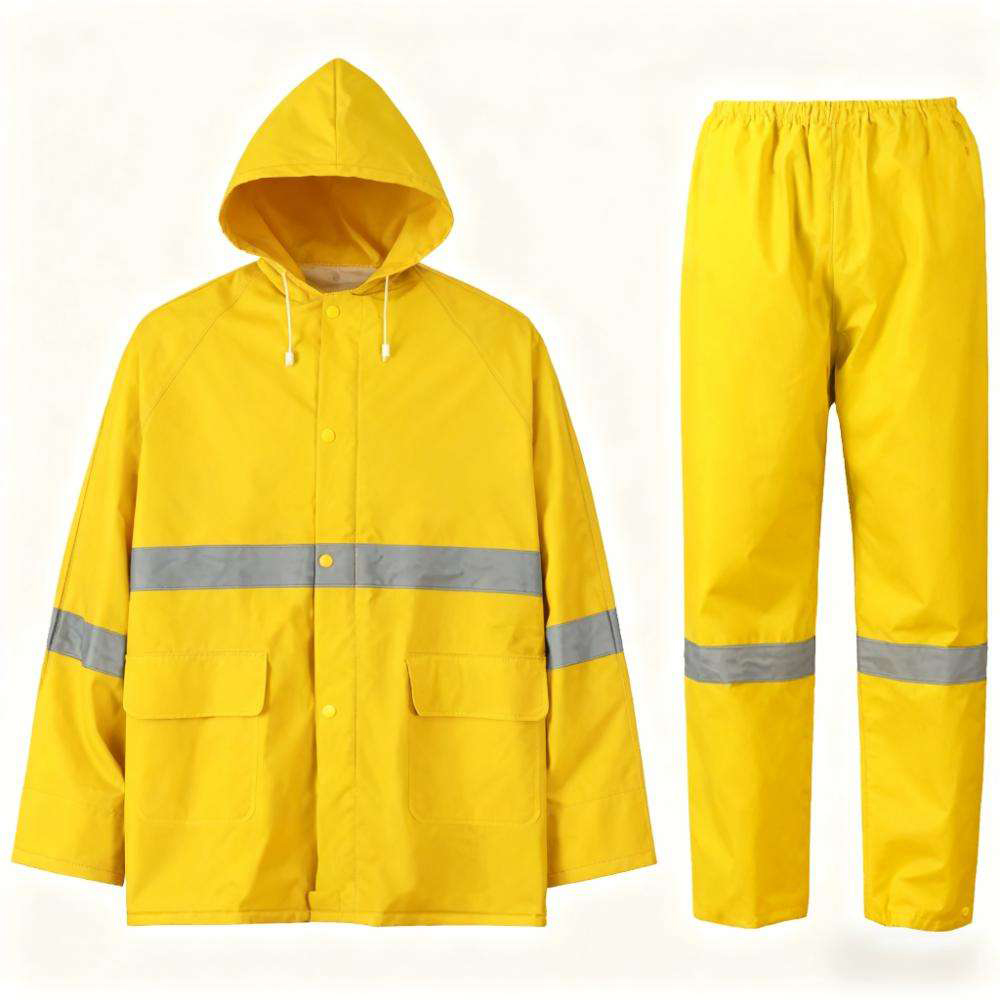
Configurations vary by product. A set may pair a jacket with pants, use bib overalls for higher torso coverage, or include an additional hood or component. Common construction details can include welded or taped seams, protected closures, adjustable cuffs, and hoods, but buyers should check the exact specification rather than assume every garment includes every feature.
Why Choose Durable Waterproof Rain Gear?
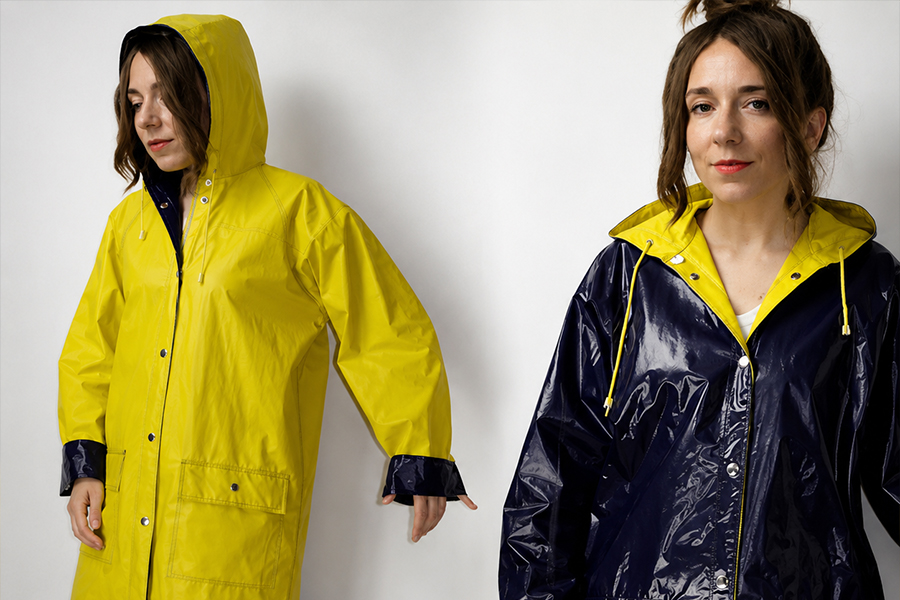
Durable rain gear is useful when buyers need more than lightweight emergency protection. A two-piece system covers the legs as well as the torso, helping protect work clothing during maintenance, field tasks, loading, fishing, and other wet-weather activity. Waterproof performance and breathable construction are separate considerations. Some products may include ventilation or moisture-management features; others may prioritize a more closed water barrier. For commercial purchasing, compare coverage, durability, mobility, layering space, and working comfort against the actual job instead of choosing on one feature alone.
How Materials & Seams Affect Rainwear
Material and seam construction influence how rainwear manages water at fabric joins, closures, cuffs, and other openings. Depending on the model, seams may be welded or taped, and a storm flap may cover a front closure to help reduce direct rain entry. PVC rainwear can be one option in the market, but PVC construction is not confirmed unless the supplier identifies it. The same applies to Oxford fabric, membrane systems, waterproof ratings, coating systems, or specific garment weights. Buyers should request the confirmed material, seam method, hood design, closure details, and care information for the exact product.
Which Configuration Fits the Job: Jacket, Rain Pants or Bib?
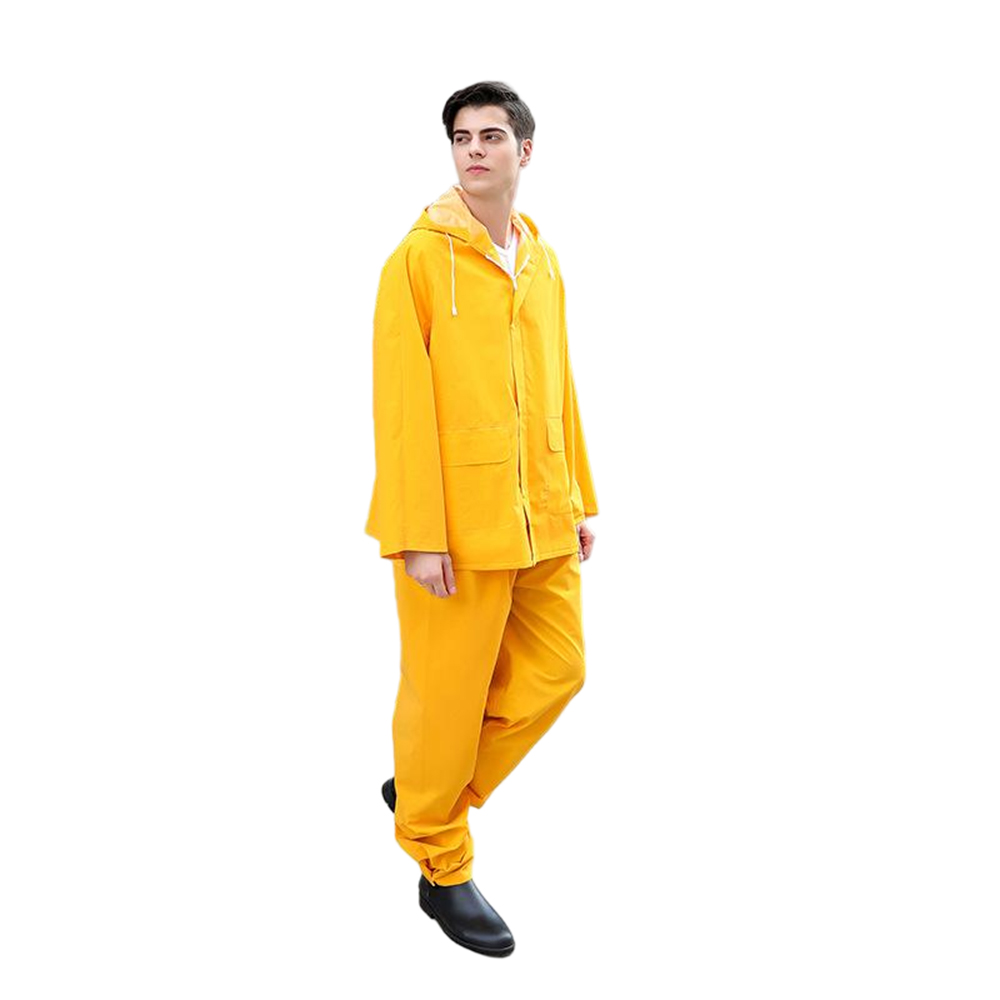
A jacket-and-pants set gives separate upper- and lower-body garments and can be convenient when workers need to remove one piece independently. Matching pants also provide leg coverage that a poncho does not.
A bib extends higher across the front and back of the torso and can reduce the exposed gap around the waist. Some models may use bib-style overalls, while a 3-piece rain suit may add a detachable hood or another component. The best choice depends on movement, layering, boot access, waist coverage, and how the garment will be worn during a shift.
Check adjustment points, cuff and ankle openings, hood attachment, front access, and size information when comparing options.
Outdoor, Industrial and Commercial Rain Gear Applications
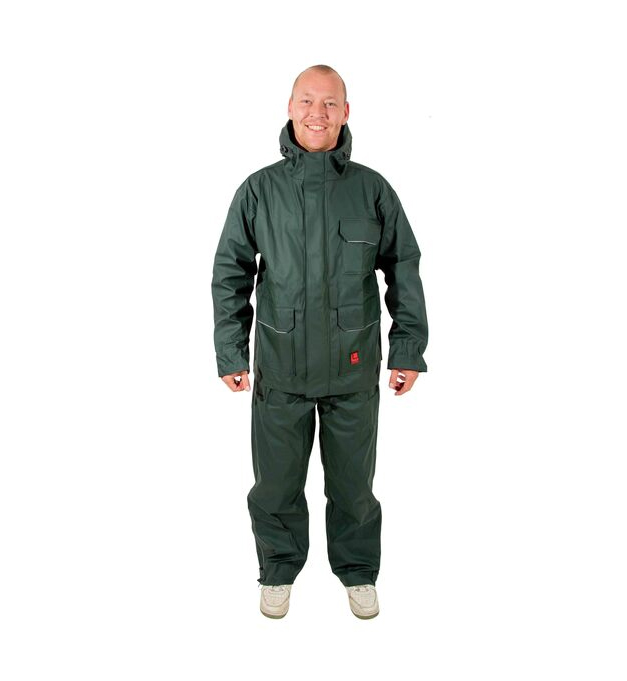
Waterproof rain gear can be used across construction, maintenance, utilities, logistics, agriculture, marine work, site operations, and fishing where rain exposure affects the job. Fishing rain gear often favors fuller jacket-and-lower-body coverage when users need protection while standing, moving, or handling equipment in wet conditions.
Different applications create different buying priorities. Occasional work rain may call for a different balance of weight and coverage than long shifts or repeated exposure around rough surfaces. Procurement teams should consider rainfall, task movement, temperature, abrasion exposure, visibility requirements, and clothing worn underneath before selecting a model.
A sizing guide and custom rainwear information can help buyers narrow suitable options before enquiry. Ask About Custom Options if your project has defined purchasing requirements.
High-Visibility and Reflective Safety Rainwear Options
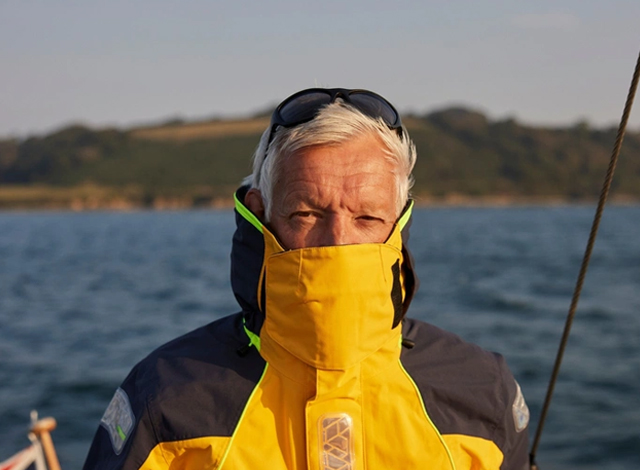
High-visibility rainwear may be appropriate where worker conspicuity is part of the job requirement. Product-specific options can include fluorescent background colors, reflective tape, or other reflective material. Those features should be confirmed on the exact garment.
Reflective appearance does not automatically establish a safety certification. ANSI/ISEA 107 sets requirements for high-visibility safety apparel, including design, materials, testing, labeling, type, and performance class. If a buyer requires ANSI Class 3 or another defined classification, the exact garment documentation should confirm compliance before the claim is used.
For visibility-sensitive work, compare the rainwear specification with any related safety workwear requirements that apply to the site or task.

How Do You Choose the Right Waterproof Workwear Set?
Start with the job conditions and required coverage. Compare expected rain exposure, garment configuration, size range, layering space, mobility, hood needs, closure design, seam construction, boot access, and confirmed material specification.
Then identify non-negotiable requirements. If you need PVC, reflective features, a specific visibility classification, or another documented attribute, ask for supporting product information. Search phrases such as “rain suits for men waterproof” can describe buyer intent, but the purchase decision should be based on sizing and specifications rather than a keyword.
For B2B orders, also confirm available configurations, colors, customization where offered, packaging, and quotation details.