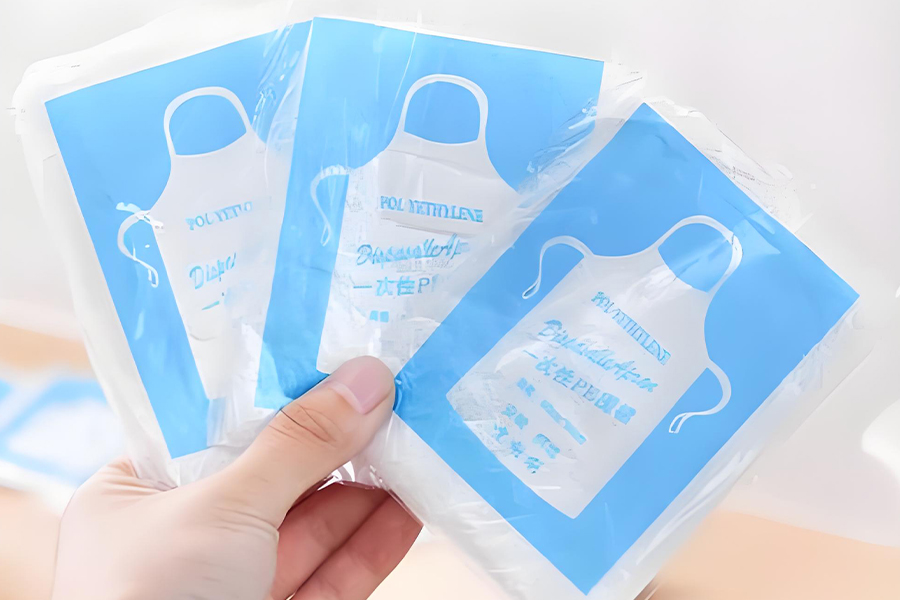
Disposable Plastic Aprons for Lightweight Front-Body Protection
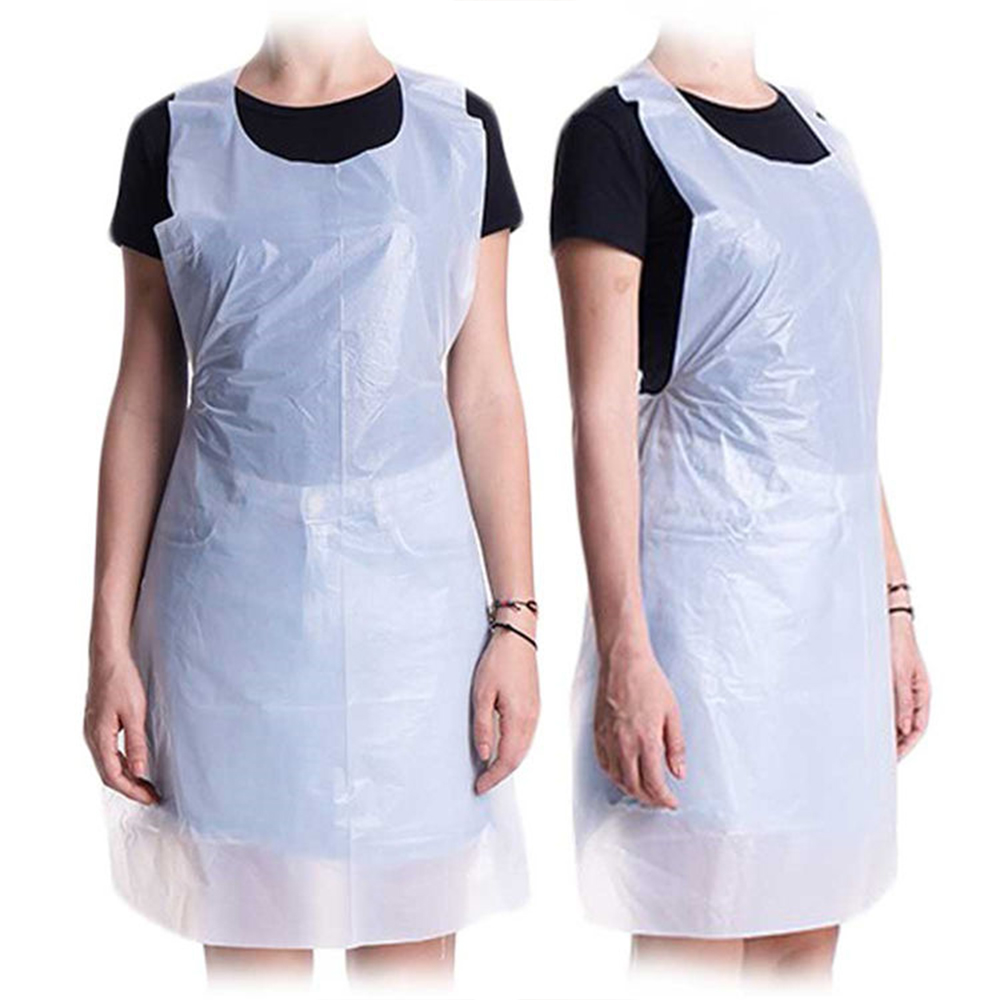
Disposable plastic aprons are single-use garments worn over clothing to help protect the front of the body from routine splashes, soils, and moisture. They are used in food processing, food service, cleaning, healthcare-related settings, industrial work, housework, and similar tasks. Buyers often choose them for their lightweight feel, convenient use, simple disposal, and cost-effective role in high-volume operations.
What Are Disposable Aprons Used For?
Disposable aprons are designed for temporary protective coverage during routine wet or messy work. A plastic apron can help reduce contact between workwear and a spill, residue, dirt, or other nonhazardous mess.
Common uses include serving areas, sanitation work, light-duty production, and general housekeeping. They can support contamination-control procedures, and they are easy to discard after a clean-up task, but each application should be matched to the required safety practices and level of protection.
Which PE Material Is Right: LDPE, HDPE, or CPE?
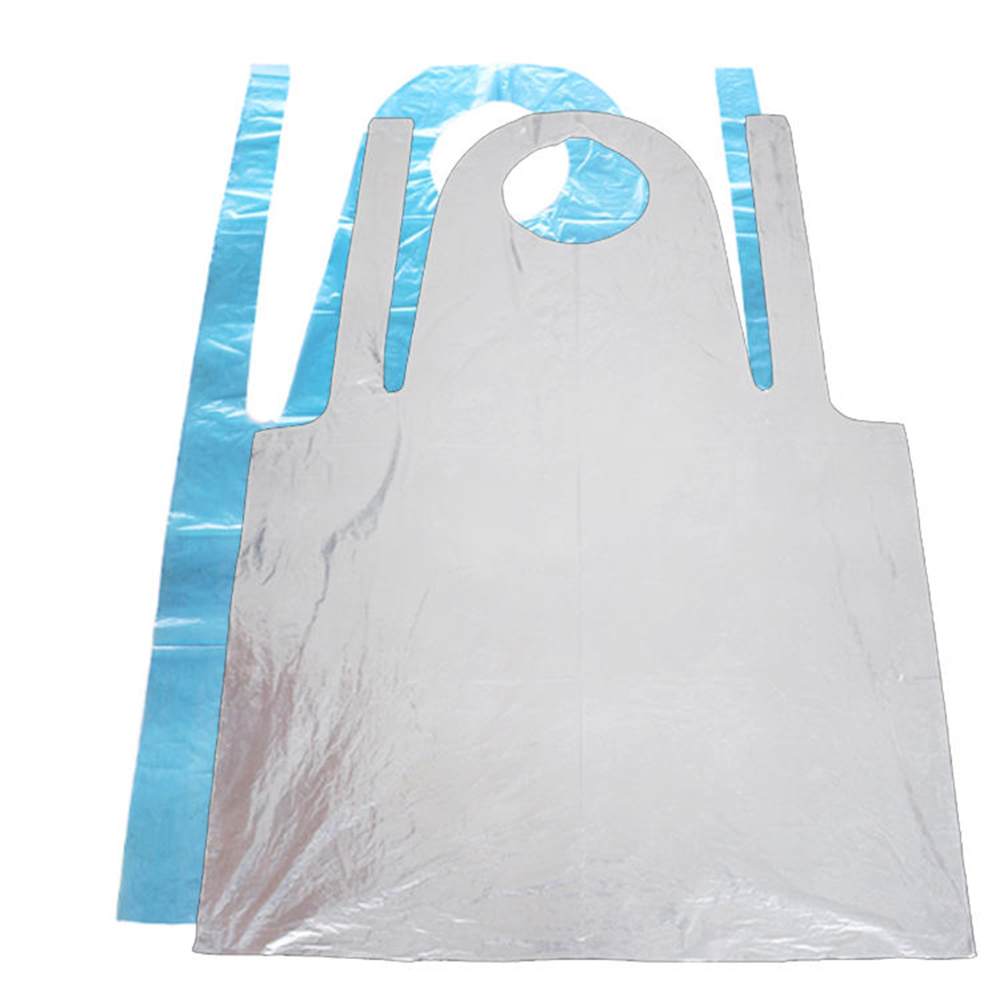
Many aprons are made from PE film. LDPE is generally soft and flexible, while HDPE is typically stiffer and can offer useful strength at lighter gauges; resin producers describe HDPE as balancing toughness and stiffness and LDPE as suited to flexible film uses.
CPE can have a thicker, more rubber-like feel and may suit heavier-duty tasks. Because suppliers use CPE terminology differently—including chlorinated and cast polyethylene—confirm the exact composition before purchase.
Are PE Aprons a Good Choice for Wet Work?
For many routine wet tasks, PE film provides a strong water barrier that can help block routine splashes. Waterproof polyethylene aprons are ideal where liquid resistance matters more than breathability, such as kitchen prep or wash-down tasks, provided the exposure is within the product’s stated use.
Do not assume resistance to every chemical or biological hazard. For medical or specialized work, verify the item specifications and required documentation before use.
How Should a Disposable Apron Fit?
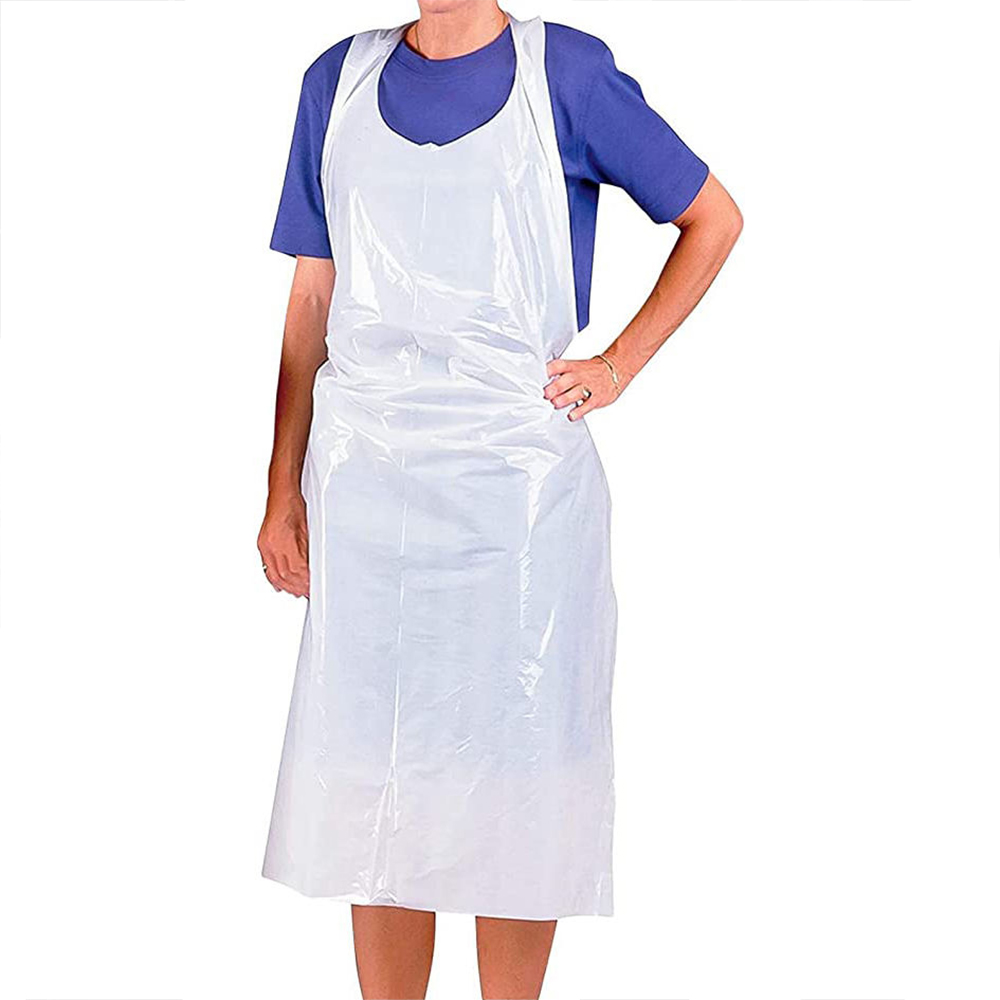
A typical bib design covers the chest and front of the body, with a neck opening and waist tie to help keep it in place. One size fits most adult body types is common, but buyers should still review stated dimensions and coverage.
Consider user height, movement, workwear layers, and whether extra-long coverage is needed. A comfortable fit should protect the intended area without restricting normal movement, and each feature should suit the job.
Plastic Disposable Aprons vs. Non-Woven Aprons: Which Should You Choose?
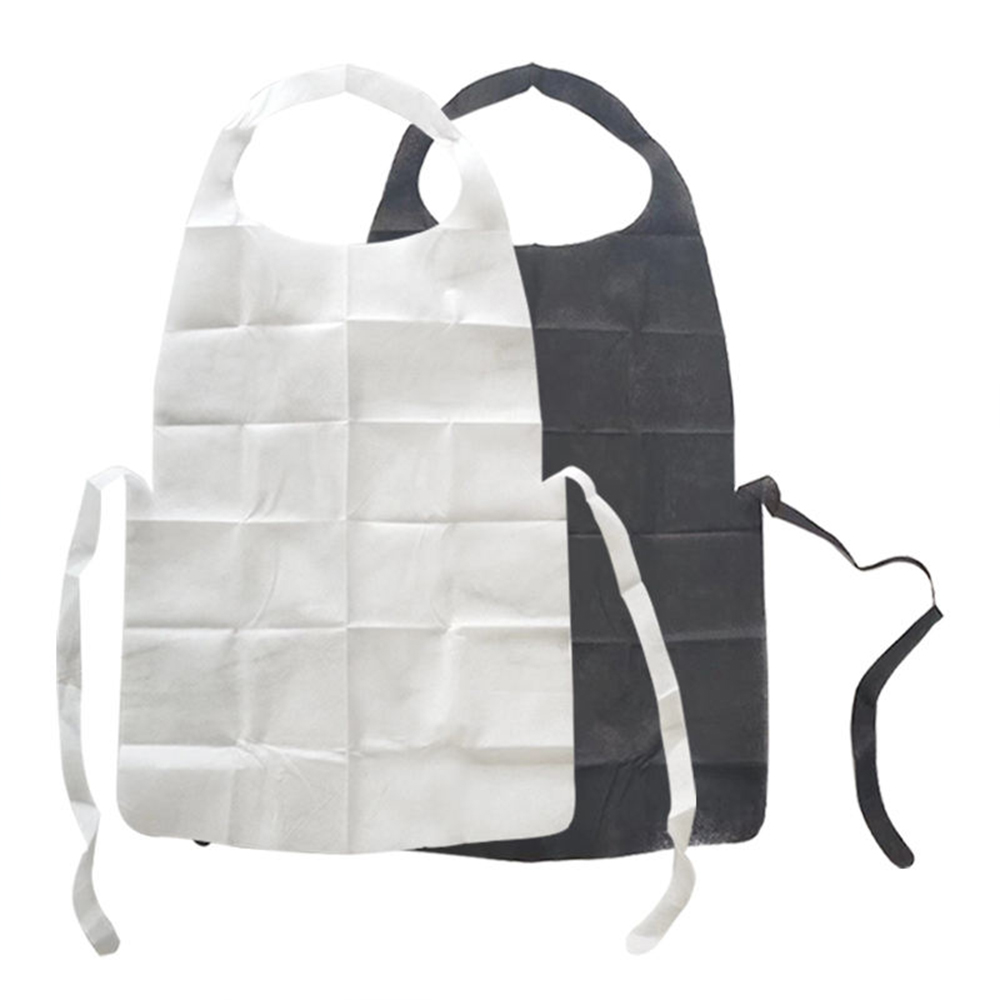
These products generally favor barrier performance, while non-woven polypropylene options can feel more breathable. Non-woven apparel can provide greater breathability; barrier performance varies by fabric construction and any coating or laminate.
Choose the option that matches the task rather than assuming one construction is best for every environment. Vinyl or PVC products may also appear in the broader apron category; if a more durable reusable apron is required, evaluate intended use, durability, and disposal needs separately.
Where Can Disposable Aprons Be Used?
These disposable aprons are versatile for routine work in prep rooms, workshops, sanitation areas, and light production. They may also be useful as aprons for cooking, bake and BBQ tasks, or when teams need a white plastic style for visual cleanliness.
For teams whose supply list combines “cooking painting” and maintenance items, match each product to the actual exposure. In ready-to-eat areas, an apron does not replace hand hygiene, a glove program, or other process controls.
What Should Buyers Check for Packaging, Pricing, and Bulk Orders?
Check the package format, unit count, and expected usage rate before comparing pricing. Formats such as 100pcs may be available for some products, but packaging varies, so confirm what is included with each item and how many units you need to carry in storage.
For volume purchasing, compare pricing by usable unit, then review stock, ship-from location, freight method, and delivery terms. A larger order can save procurement time, but the best selection balances price, usage rate, and storage needs.