Aprons for Kitchen, Chef & Professional Use in Singapore
An apron is a protective garment worn over clothing to help keep it cleaner during cooking, food preparation, washing, cleaning and other hands-on work. From a chef apron or kitchen apron to waterproof disposable protection, the right design improves coverage, comfort and practicality for the task. In Singapore, buyers can compare reusable fabric styles and single-use PE options for home, commercial and professional settings.
What apron type is right for you?
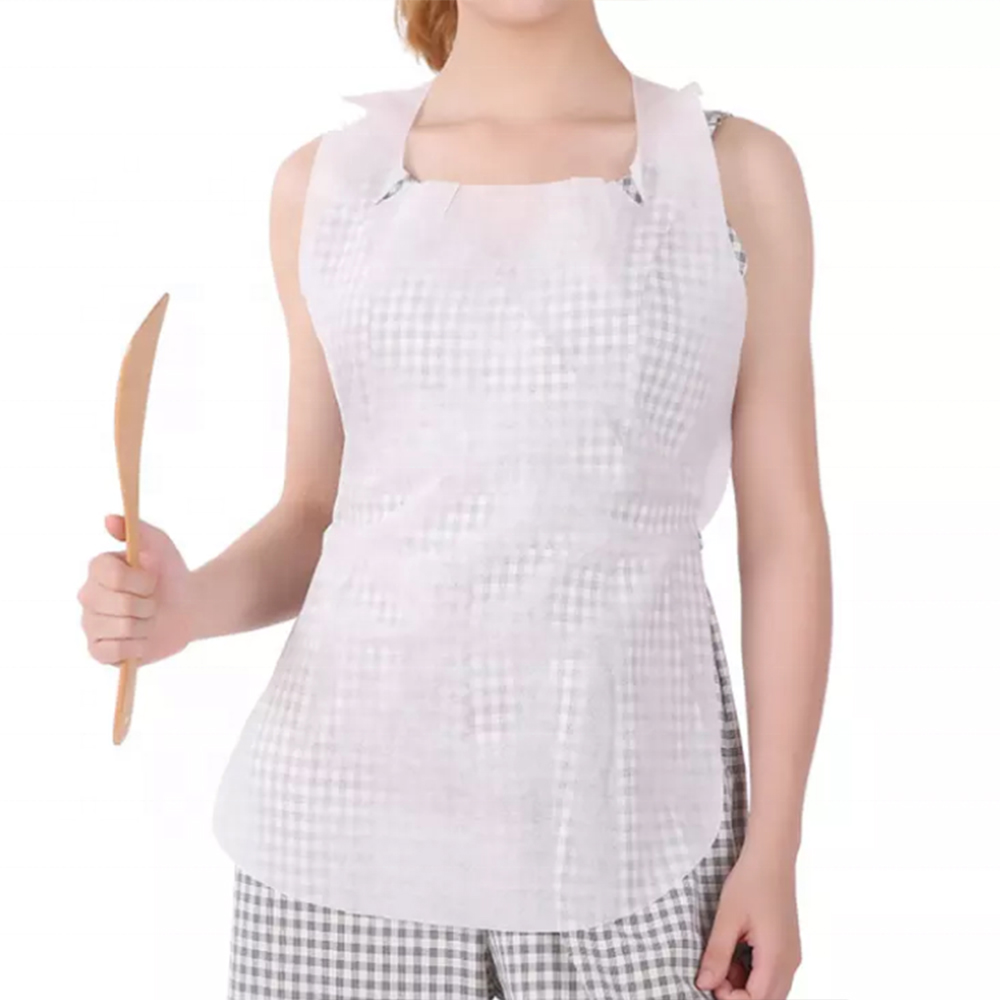
Start with the job. A bib apron gives front-of-body coverage for cooking, washing and messy prep, while a waist apron keeps the upper body free and is practical for service or front of house work. A reusable cooking apron suits repeat use; a disposable apron is useful when quick changeover and no laundering are priorities.
For longer wear, consider unisex sizing, waist ties, an adjustable neck strap or adjustable straps, and an apron with pockets for easy access to small tools. A smock or pinafore can offer a looser fit for craft, salon or studio work.
What’s the difference between a chef apron and a kitchen apron?
A chef apron is usually chosen for repeated cooking, prep and professional kitchen duties, with coverage and durability taking priority. A kitchen apron can be broader in purpose, from home kitchen use to baking, cleanup and light food preparation.
Look for a bib apron with a secure strap, practical pocket placement and fabric suited to your washing routine. A chef’s preferred design may include a chest pocket, lower pocket, spacious pockets or reinforced stitch points. A cooking chef apron should be comfy enough for movement without loose fabric getting in the way.
Which crossback cooking apron materials work best for repeat use?
Reusable aprons made from cotton canvas, canvas, denim, linen, twill, polyester or other fabric blends offer different balances of structure, weight, care and appearance. Canvas aprons can feel substantial; denim gives a workwear look; linen can suit lighter-duty service or home use.
A crossback or cross back design moves strap pressure away from the neck, while adjustable features help fine-tune fit. Some users prefer waxed cotton for extra resistance to everyday spill exposure, but care instructions can differ. Check whether a style is machine washable, suitable for machine washing or dryer use, and whether bleach is permitted before cleaning it.
Are disposable aprons waterproof for food handling and cleanup?
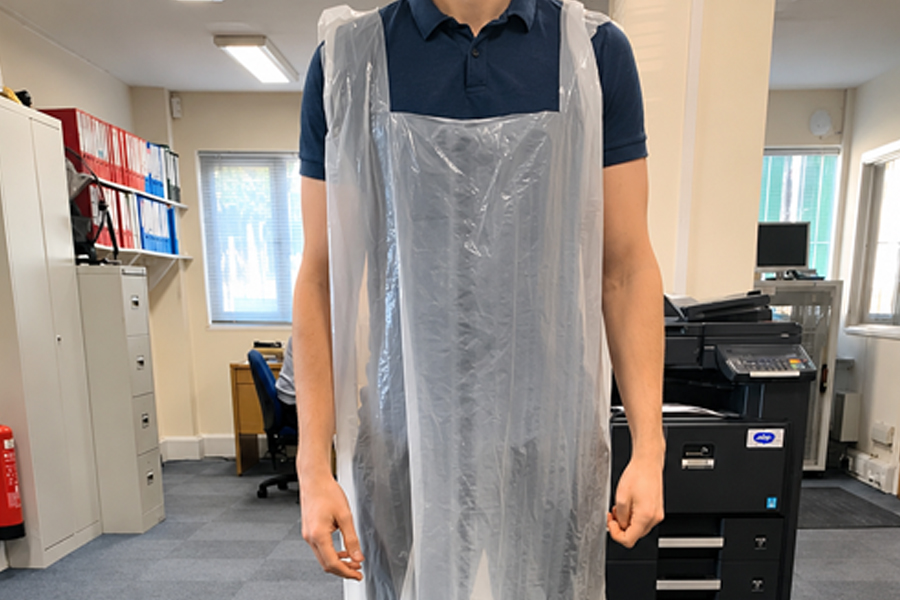
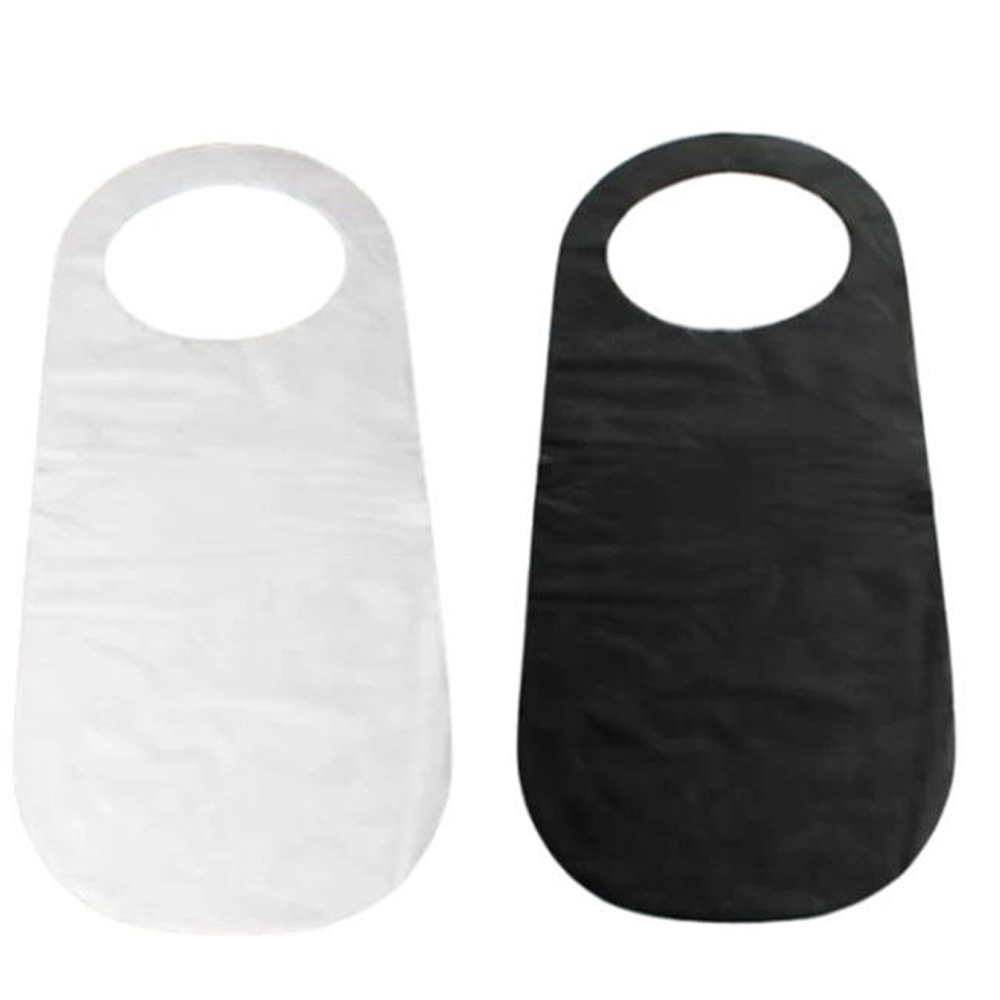
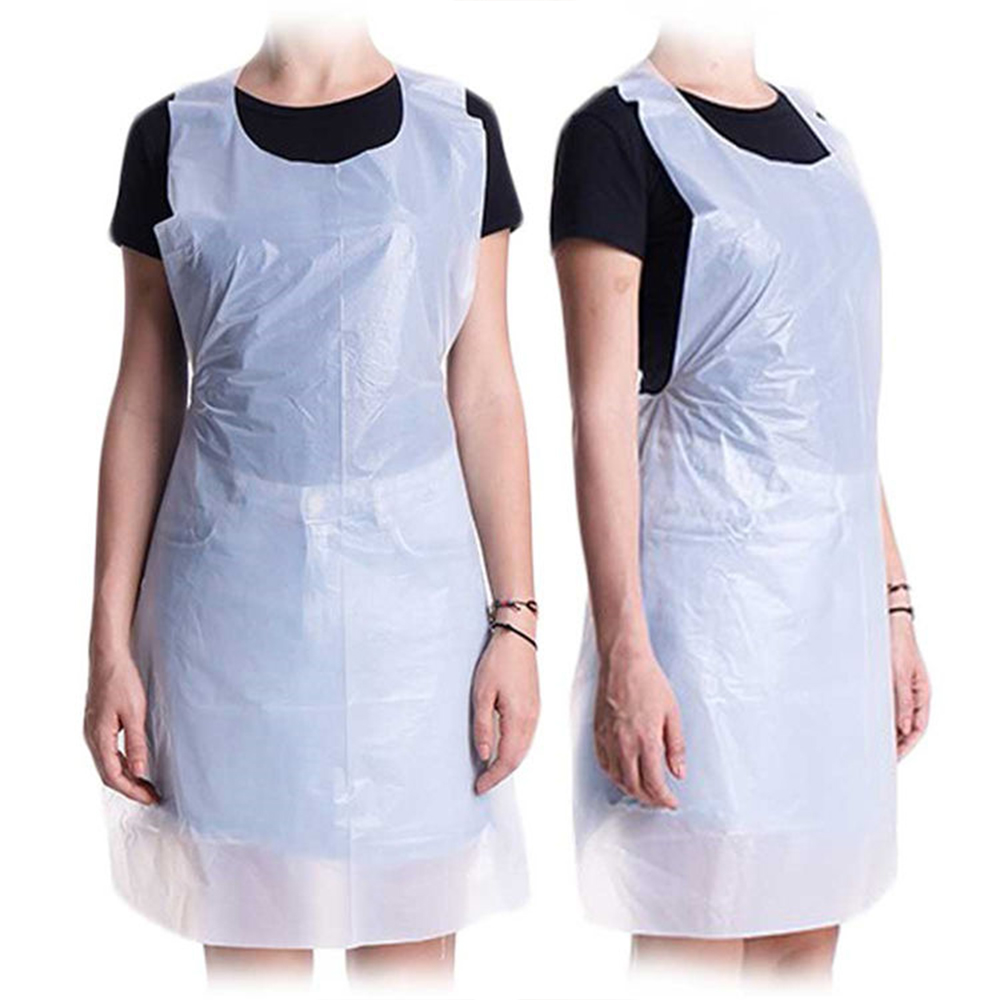
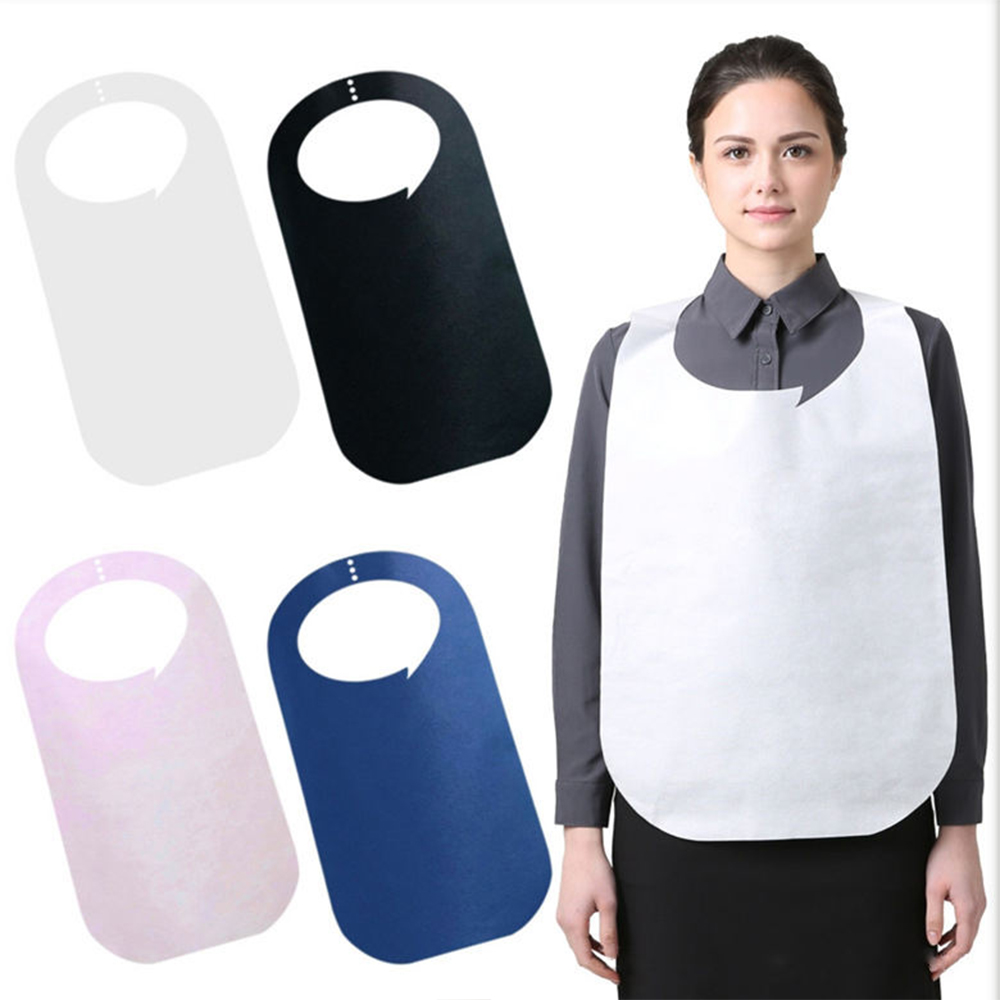
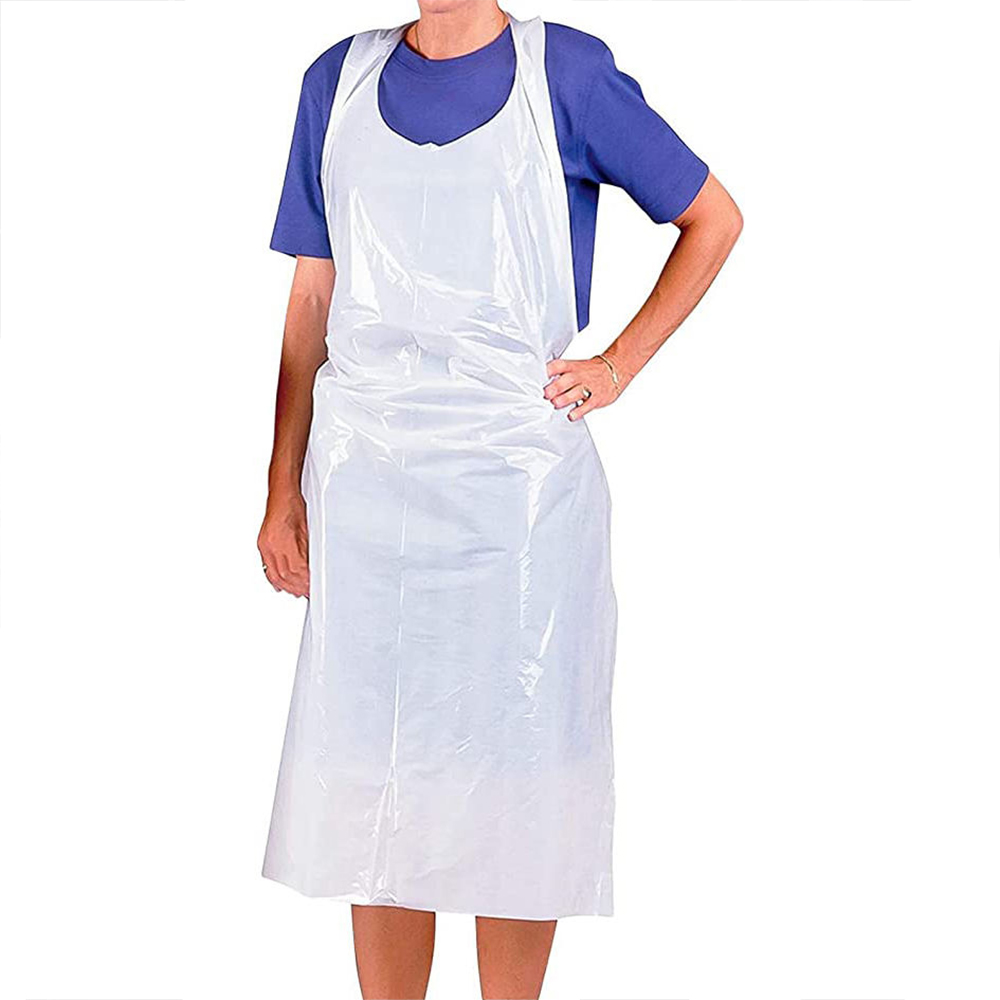
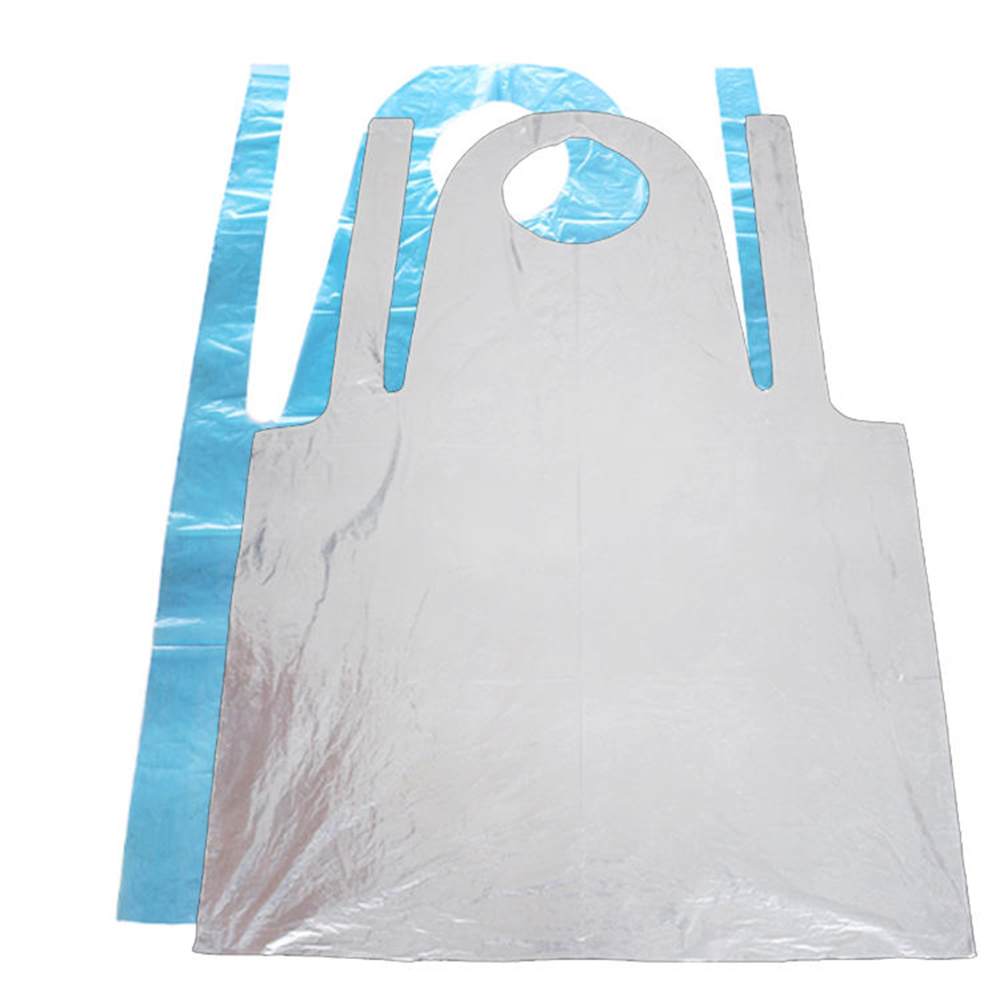
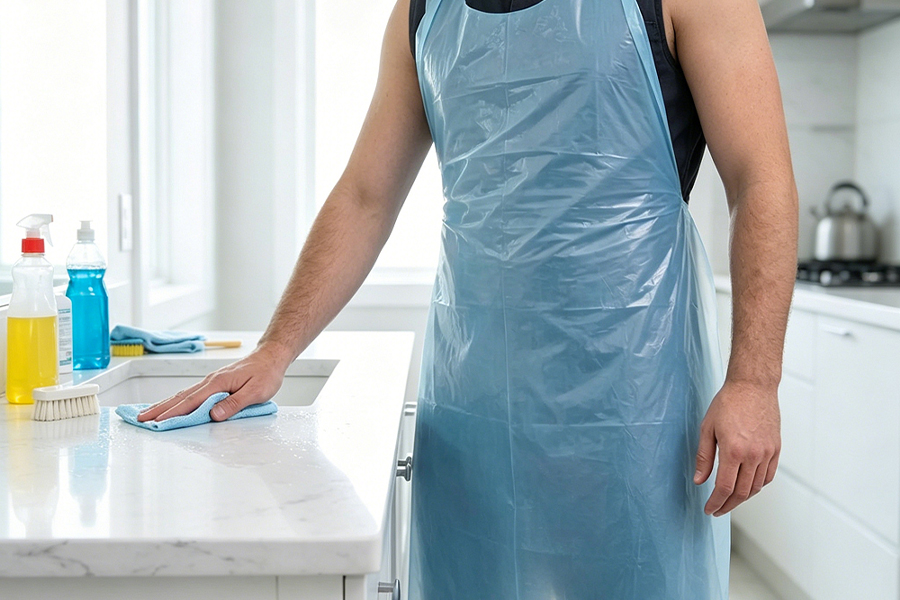
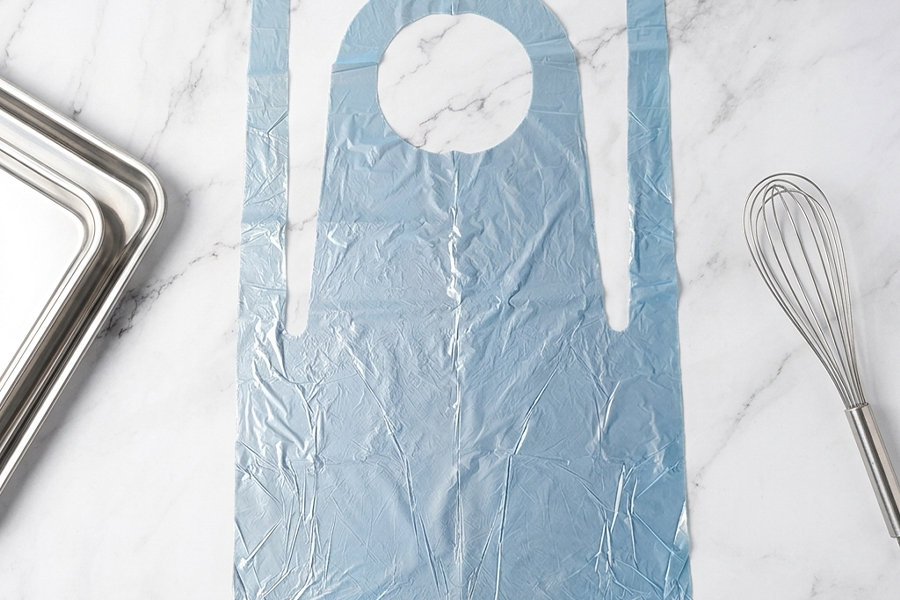
Many disposable plastic and PE apron products are waterproof and designed as a single-use protection layer for clothing. They are commonly considered for food handling, catering, wash-up, light cleaning and other tasks involving water or routine splashes. Current Singapore listings include waterproof plastic aprons and PE options in restaurant and home-use categories.
LDPE and HDPE are both polyethylene materials used in disposable apron products. Current listings show LDPE examples around 80 × 125 cm in 100-piece packs, while HD plastic apron listings include 70 × 125 cm formats; exact thickness, feel and performance depend on the specific product.
For healthcare, laboratory or chemical-related work, choose an apron or certified PPE appropriate to the workplace risk assessment and product specification. A general disposable apron should not be assumed to provide specialized chemical or infection protection.
How should a professional chef choose aprons for restaurant work?
Professional chef aprons should match the workflow: prep, hot line, baking, dishwashing, butcher work, seafood handling, catering or central kitchen production. Prioritize coverage, durable construction, movement, secure waist ties and useful pocket access rather than style alone.
For restaurant teams, consider consistent sizing and a variety of styles for different roles. Bistro aprons and server aprons may suit service, while a full bib apron can provide more coverage in prep and wash areas. A stylish leather strap detail may suit front-facing roles, but practicality and cleaning requirements should come first.

Where can a smock or apron be used beyond the kitchen?
Aprons are useful anywhere clothing needs a practical barrier from everyday mess. Depending on the product and workplace requirements, uses can include salons, spas, housekeeping, light cleaning, art studios, garden tasks, craft work and supervised children’s activities.
A kids apron can help during painting, glue projects, baking and parties; Singapore retailers also list child-sized disposable aprons for creative activities. For healthcare or laboratory environments, select products specifically suitable for the task rather than treating every disposable apron as equivalent PPE.
How do I choose the best aprons for my needs?
Which apron is best for food preparation?
Choose a clean, task-appropriate apron with enough front coverage and a secure fit. For frequent changes, disposable PE may be convenient; for repeat use, washable fabric may be better.
Bib or waist apron?
Choose a bib for more chest-to-lap coverage and a waist apron for lighter service tasks and easier upper-body movement.
Reusable or disposable?
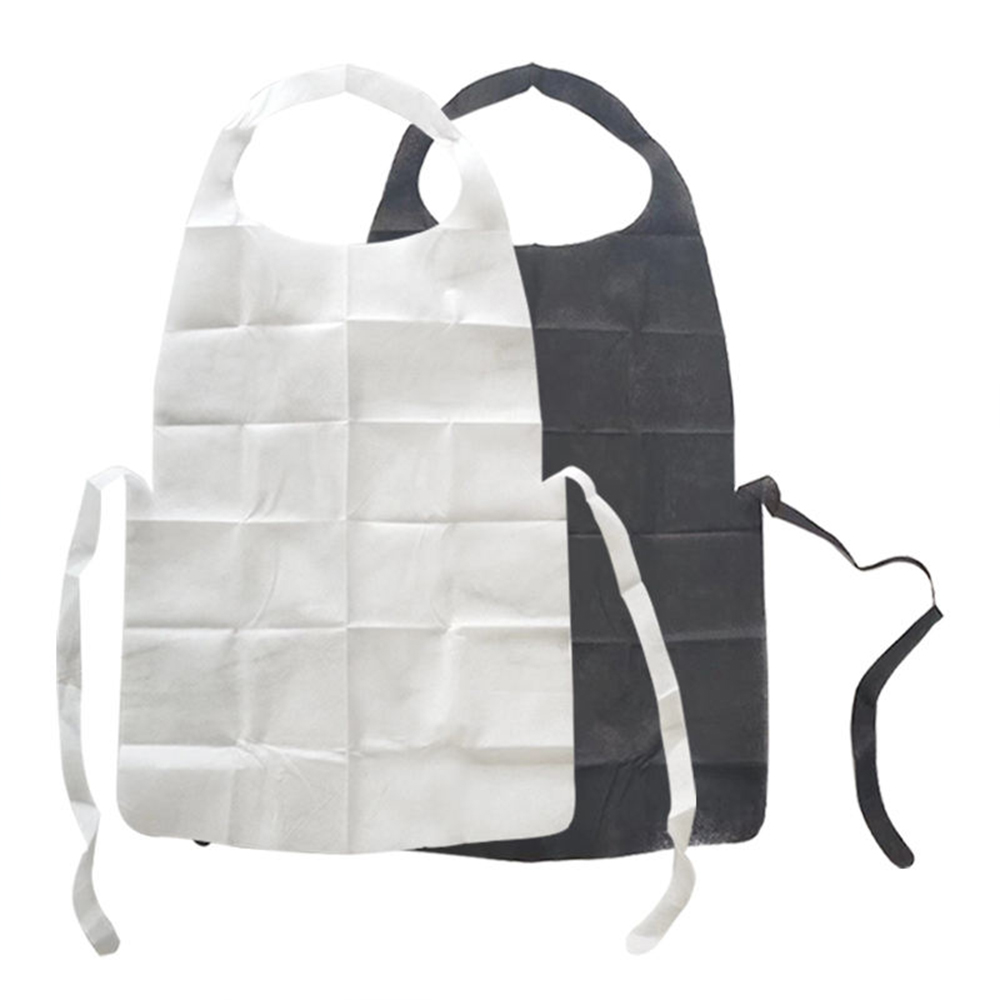
Reusable designs reduce repeated single-use purchasing but require laundering. Disposable designs support quick changeover and eliminate washing, but generate more waste.
Do I need large pockets?
Only if your role requires them. Pocket placement should support easy access without becoming bulky or catching on equipment.