
Disposable Stretcher Cot Sheets for EMS & Patient Transport
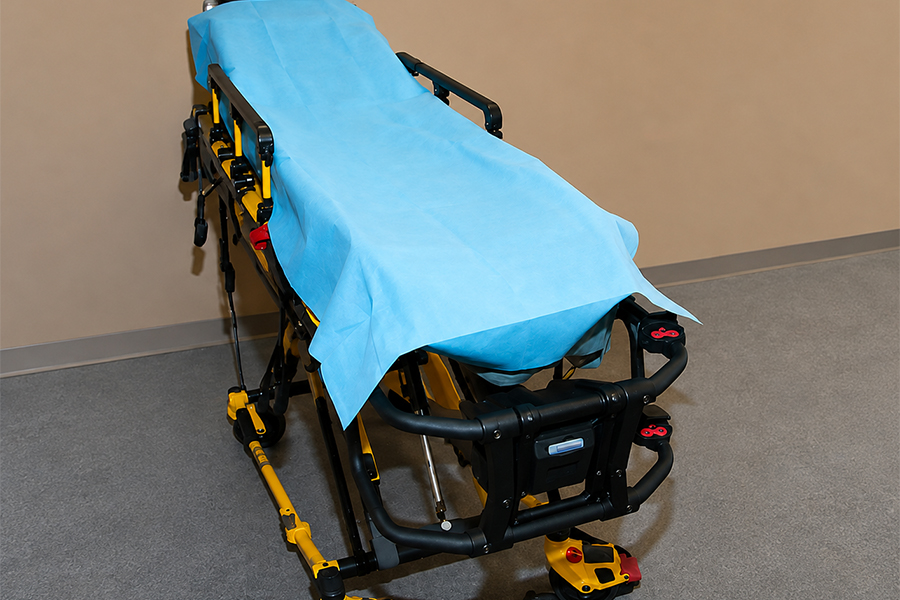
Disposable stretcher cot sheets are single-use covers for ambulance cots, gurneys, medical stretchers, and related patient-support surfaces. They provide a clean sheet for each patient while helping simplify changeovers, reduce reusable linen handling, and add a layer of fluid protection where the selected construction is fluid-resistant. Request a Quote for product options suited to your facility or transport workflow.
What Are Disposable Stretcher Sheets Used For?
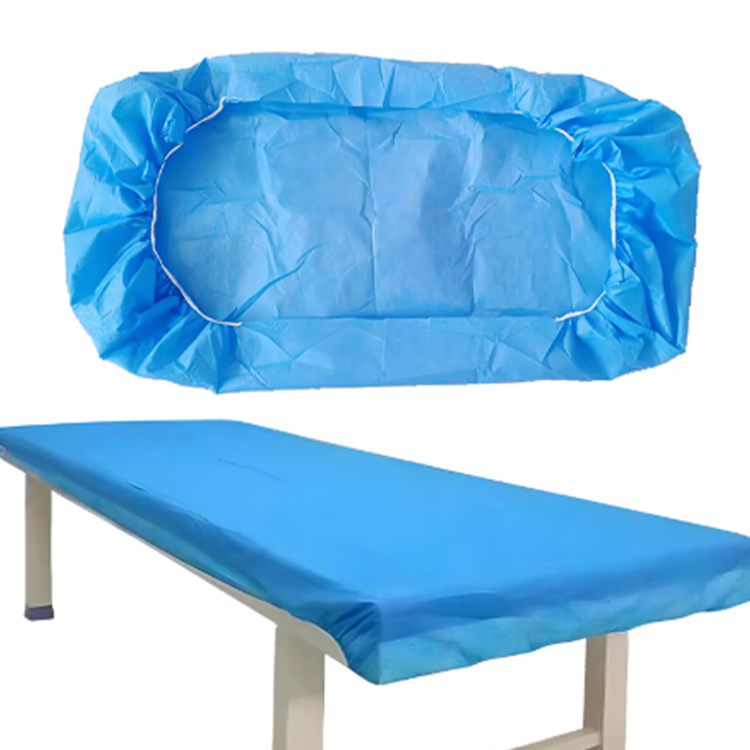
Disposable stretcher sheets provide temporary, single-use coverage between a patient and a stretcher, cot, gurney, or mattress. They are commonly used by EMS providers, ambulance services, hospitals, clinics, emergency departments, and patient transport teams when fast replacement and consistent hygiene workflows matter.
Unlike reusable linen, a disposable sheet can be removed after use and replaced without entering a laundering cycle. This can simplify linen management and help teams prepare equipment for the next patient according to their cleaning and infection-control procedures.
What Benefits Do Disposable Cot Sheets Offer?
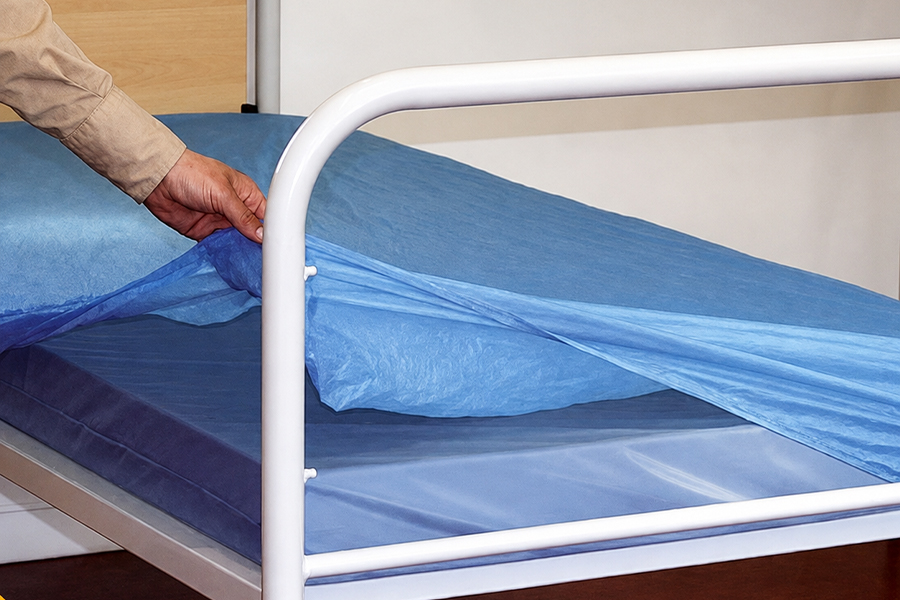
The main benefits are convenience, hygiene support, and efficient changeover. A fresh cot sheet can help reduce direct contact between the patient and the support surface, while single-use disposal reduces reliance on reusable sheets during busy emergency medical or transport operations.
Depending on the product, buyers may also prioritize lightweight storage, soft or breathable surfaces, fluid resistance, or tear-resistant construction. These attributes can support patient comfort and help protect the mattress from routine spills or contamination during transport. Ask About Bulk Orders for EMS stations, hospital departments, or distributor programs.
Which Materials Are Commonly Used?
Common constructions include non-woven polypropylene, SMS-style non-woven materials, and tissue/poly combinations. Material choice affects feel, strength, weight, breathability, and fluid handling, so the right option depends on how and where the sheet will be used.
A sheet made with non-woven fabric can provide soft, lightweight coverage with useful durability. Tissue/poly flat sheet products can combine a tissue layer with poly backing for practical surface protection. Material performance varies by specification; fluid-resistant does not automatically mean the same performance as waterproof bed sheets under all pressure or exposure conditions.
Flat or Fitted Sheet: Which Design Works Better?
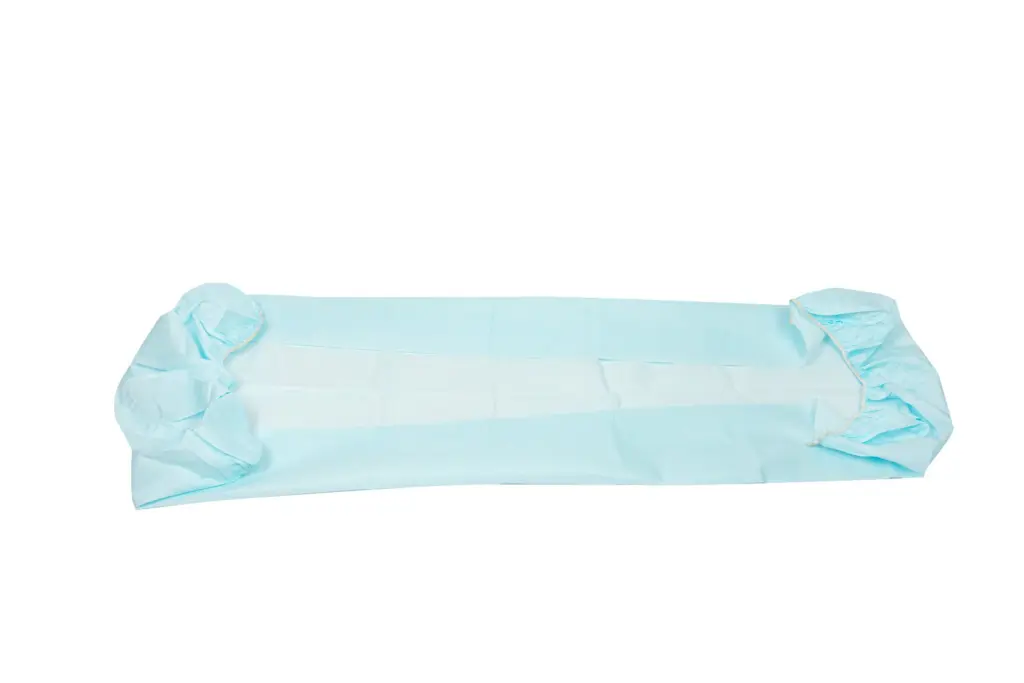
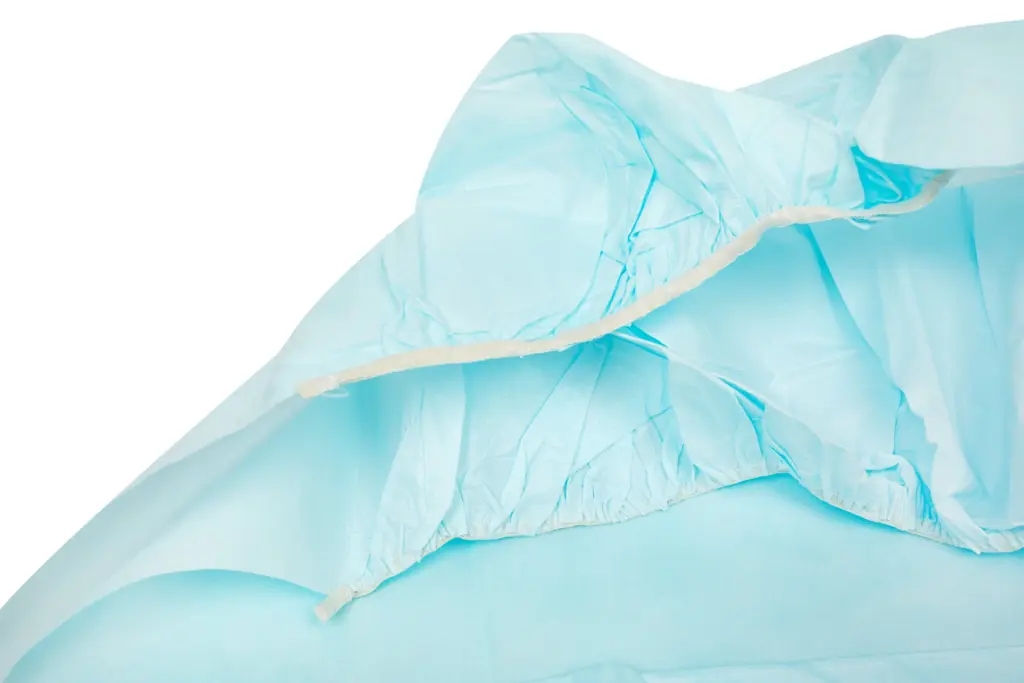
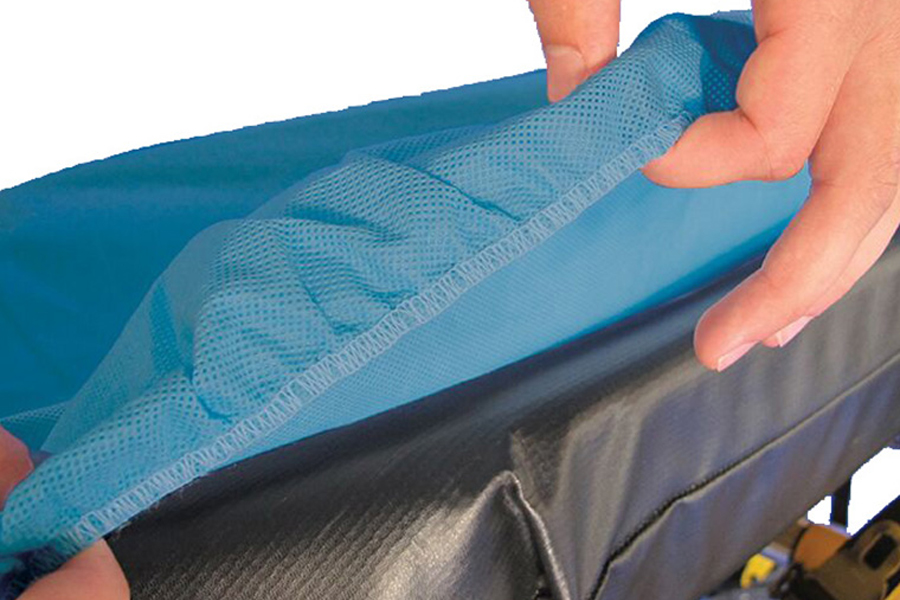
Flat or fitted designs serve different workflows. A flat sheet is easy to place, remove, fold, and stock, while fitted stretcher sheets use elastic edges or pocket-style ends to help maintain a secure fit around the cot or stretcher mattress during movement.
Disposable fitted sheets can be useful where sheet slippage is a concern. Premium flat cot sheet options may suit facilities that prefer quick draping or broader coverage. Before ordering, compare the sheet dimensions with the mattress and consider whether elastic, sewn ends, or simple flat placement is best for your patient transfers.
How Do Fluid Resistance and Durability Differ?
Fluid resistance depends on the material and construction of the specific sheet. Some disposable bed sheets are designed to resist fluid penetration during normal use, while heavier-duty non-woven products may also offer improved tear resistance.
Do not assume every sheet is sterile, waterproof, or suitable as a lifting device. If you need fluid-resistant and tear-resistant performance, confirm the manufacturer’s specification, intended application, and any stated limitations. Disposable stretcher sheets can support cross-contamination control measures, but they do not replace cleaning and disinfection of the stretcher, cot, or hospital bed between patients.
What Sizes and Specifications Should Buyers Check?
Start with the usable mattress dimensions and the equipment type. Cot, stretcher, and gurney mattresses vary, so buyers should review overall sheet size, fitted depth or pocket construction, elastic placement, material, case quantity, and intended use before purchasing.
Commercial products are offered in different lengths and widths, including x 85 and x 72 configurations in some product lines. Buyers should confirm the exact spec rather than assuming compatibility from a nominal size. Also review packaging, storage requirements, latex status when relevant, and case quantities for inventory management.
How Should You Choose Standard, Premium, or Heavy Duty Sheets?
Choose according to the transport environment, expected handling, and protection needs. Standard fitted options can suit routine cot coverage; premium products may emphasize softer feel, fit, or material construction; heavy duty sheets may use stronger materials for more demanding handling. Tissue/poly products can be practical when flat, fluid-resistant surface coverage is the priority.
For ambulance and EMS use, secure fit and rapid replacement may rank highly. Hospitals and clinics may focus more on standardized specifications, case purchasing, or compatibility across multiple medical stretchers. Compare the actual product specification rather than relying on category names alone.