

Disposable Adhesive Surgical Drapes for Sterile Procedures
Disposable adhesive drapes are single-use surgical drape products designed to cover and isolate areas around a prepared operative or procedural site while a tacky zone helps keep the sheet positioned on the patient. Depending on the configuration, the product may use transparent film, a fenestrated sheet, or an incise area. For procurement support, request product specifications, available sizes, and packaging details.
What Is a Disposable Adhesive Surgical Drape?
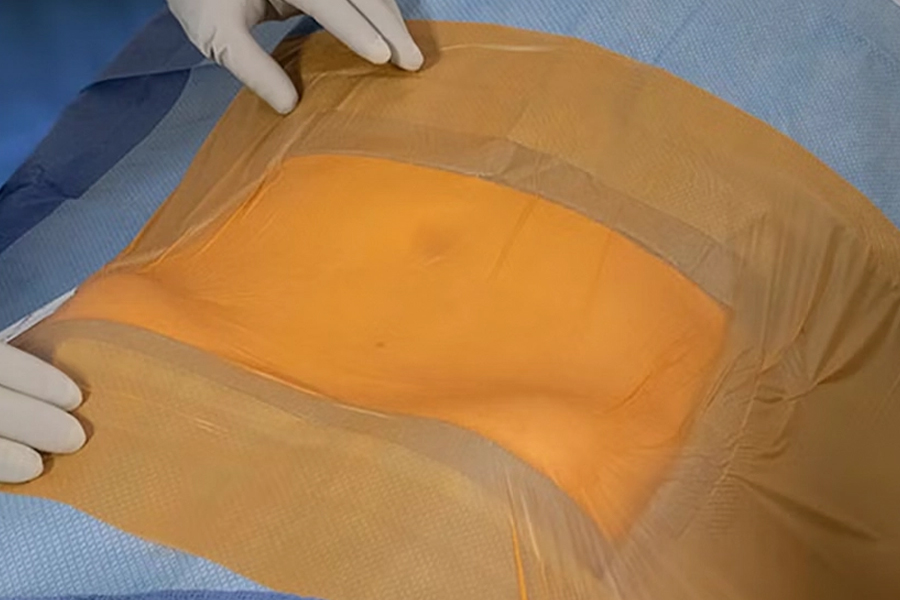
A disposable surgical drape with an adhesive section is a barrier product that contacts prepared skin or the surrounding area. It helps define the working field, limit drape movement, and support an organized surgical environment during a procedure. Commercial incise-film products likewise use conformable adhesion to keep the film positioned at the operative site.
This configuration is not always the same as an incise drape. A standard product may use adhesion mainly to secure an edge or aperture, while an incise film is placed directly over prepared skin so the incision can be made through the film. Antimicrobial properties apply only when the specific formulation and labeling support that claim.
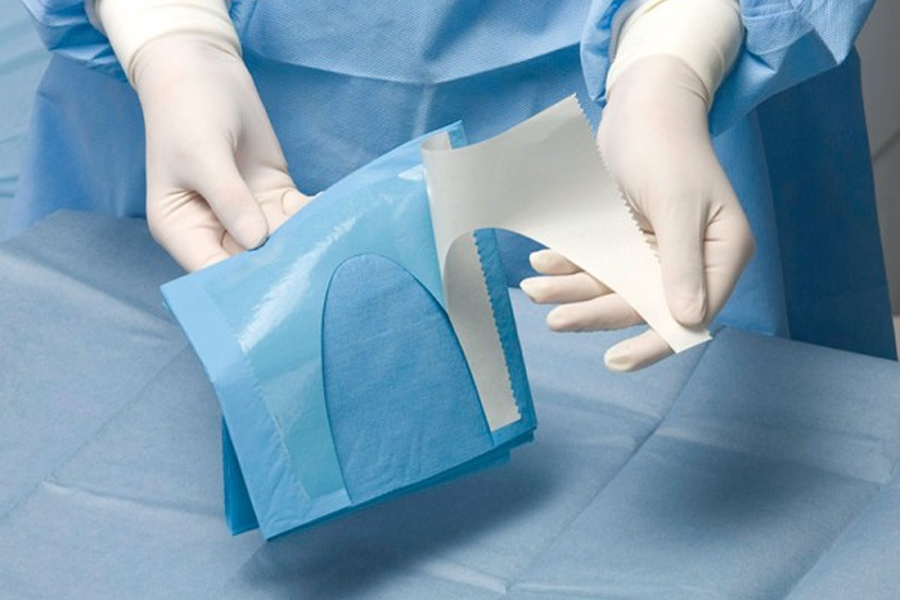
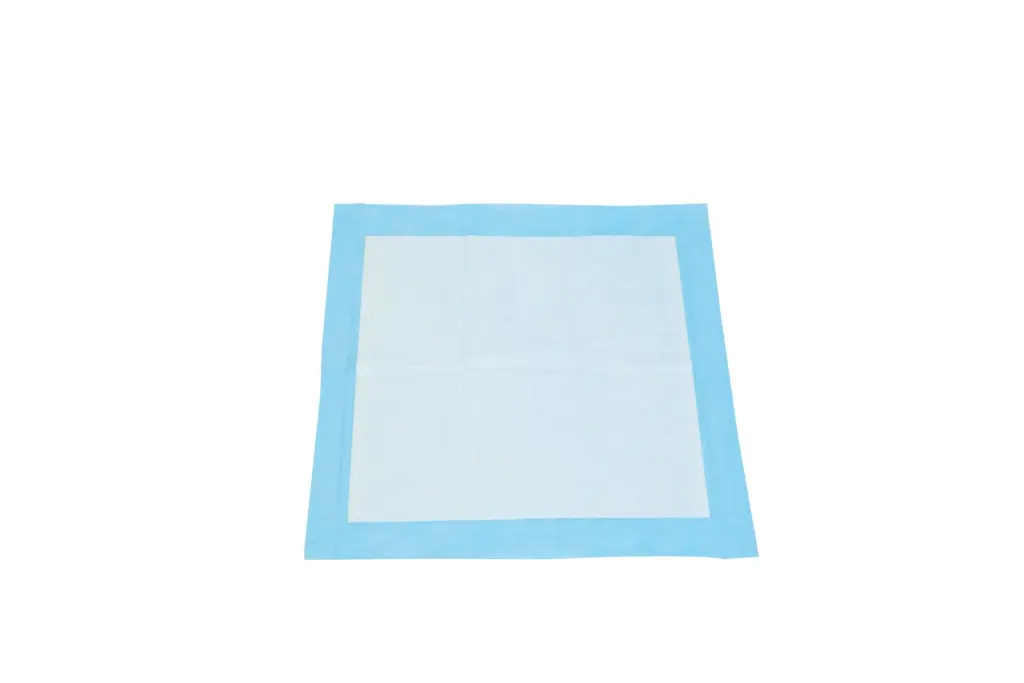
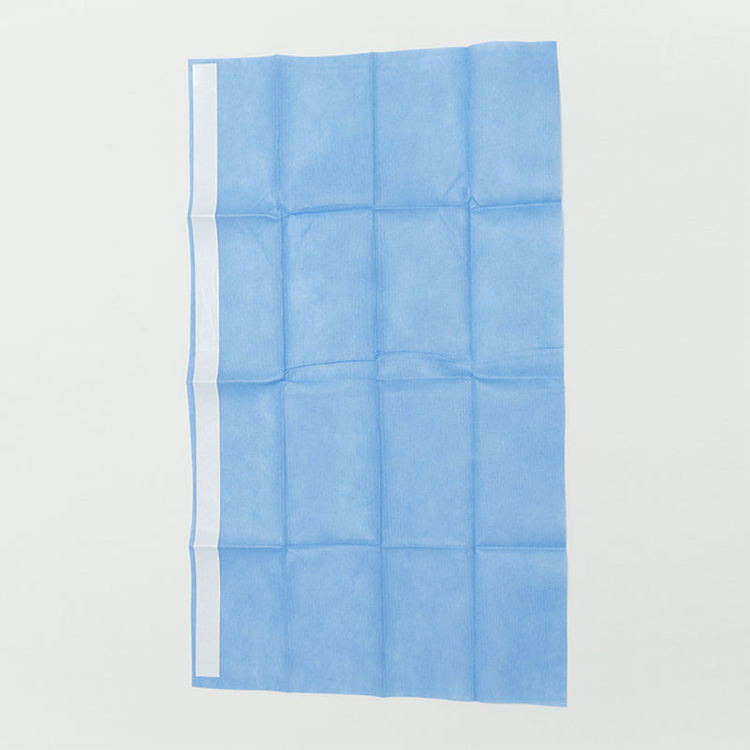
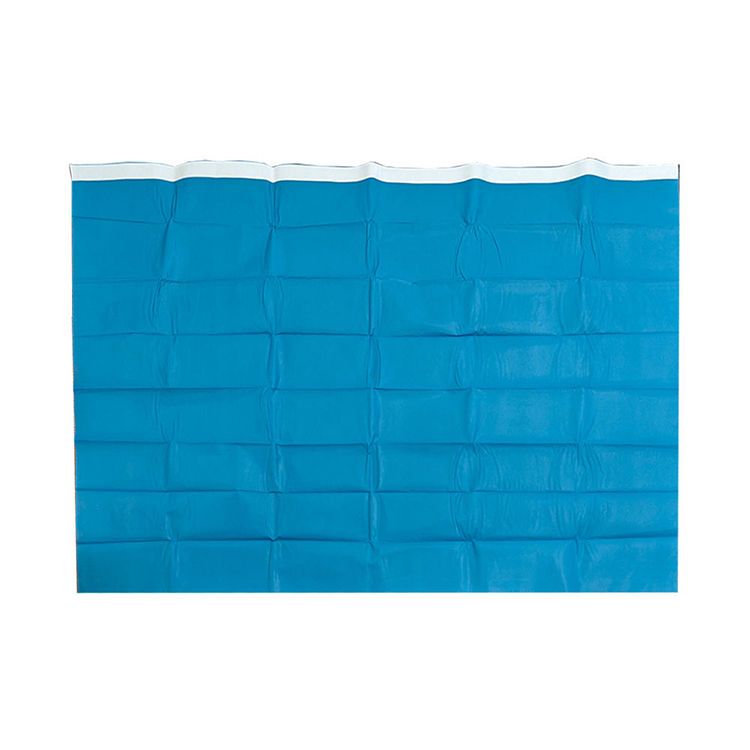
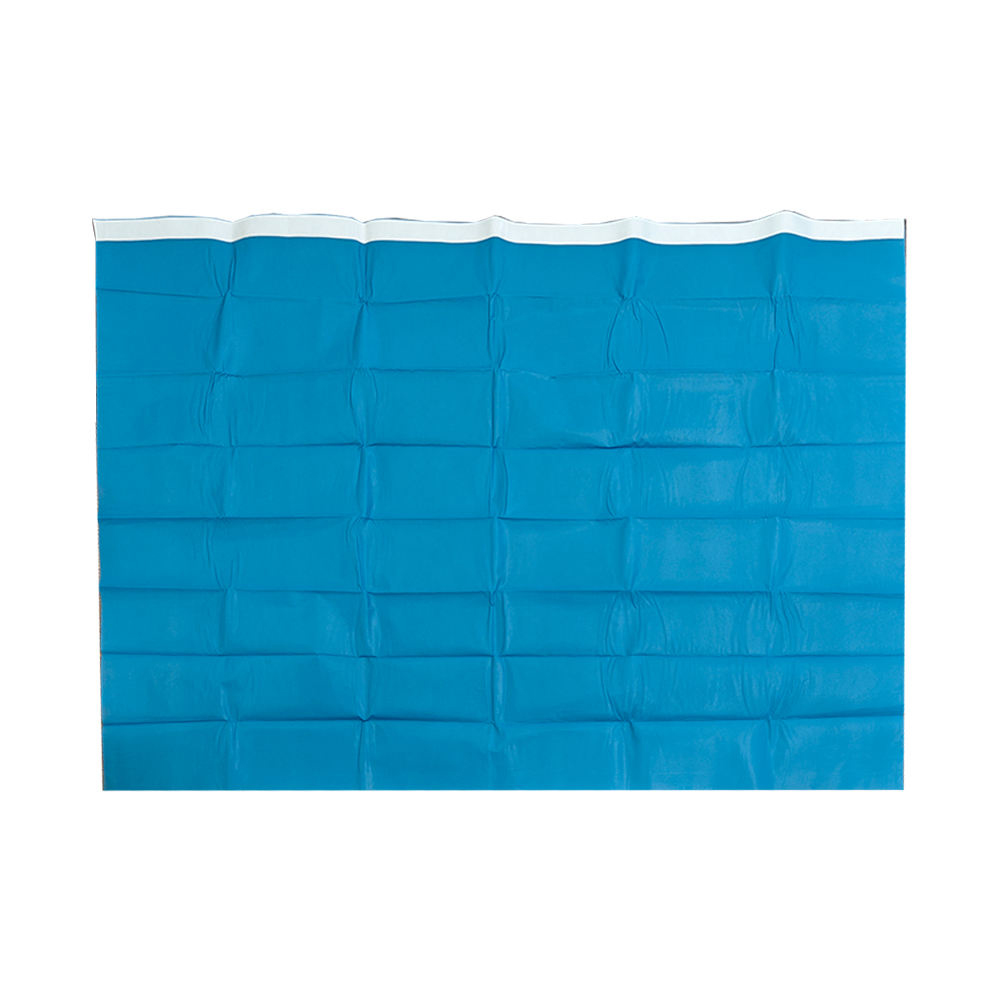
Features and Materials of a Sterile Surgical Drape
Available constructions vary by surgical use. Buyers may encounter medical-grade transparent film, non-woven drape sheets, absorbent zones, fluid-control features, a fenestrated drape, or combinations supplied in an individual pouch, kit, or procedure pack. Commercial products also vary in film finish, conformability, dimensions, and intended application.
Important characteristics to verify include sterility, barrier performance, secure placement, anatomical conformability, latex status, breathability where relevant, and compatibility with operating room workflow and hygiene protocols. A high-quality product should be evaluated against the supplier’s actual technical documentation rather than generic marketing claims.
How Does Adhesion Support the Sterile Surgical Field?
Adhesion helps a surgical drape stay positioned around the prepared site, reducing unwanted lifting or shifting during clinical use. Conformable commercial incise products are specifically designed to remain in place over an operative site.
This function can support maintaining a sterile field, but the drape itself should not be described as guaranteeing infection prevention, a particular level of safety, or zero contamination. WHO guidance advises against using plastic adhesive incise drapes, with or without antimicrobial properties, specifically for the purpose of preventing surgical-site infection.
Types of Disposable Surgical Drapes and Incise Films
Available configurations may include edge-secured surgical drapes, transparent film, sterile incise film, fenestrated products, adhesive aperture drapes, and larger sterile drapes supplied as part of a surgical pack. Some designs integrate a pad or fluid collection feature for particular procedures.
An incise film covers prepared skin at the incision area; a fenestrated drape provides a defined opening for procedural access. Antimicrobial versions form a separate category and depend on product formulation. NICE guidance states that non-iodophor-impregnated incise drapes should not be used routinely for surgery; if an incise drape is required, it recommends an iodophor-impregnated option unless the patient has an iodine allergy.
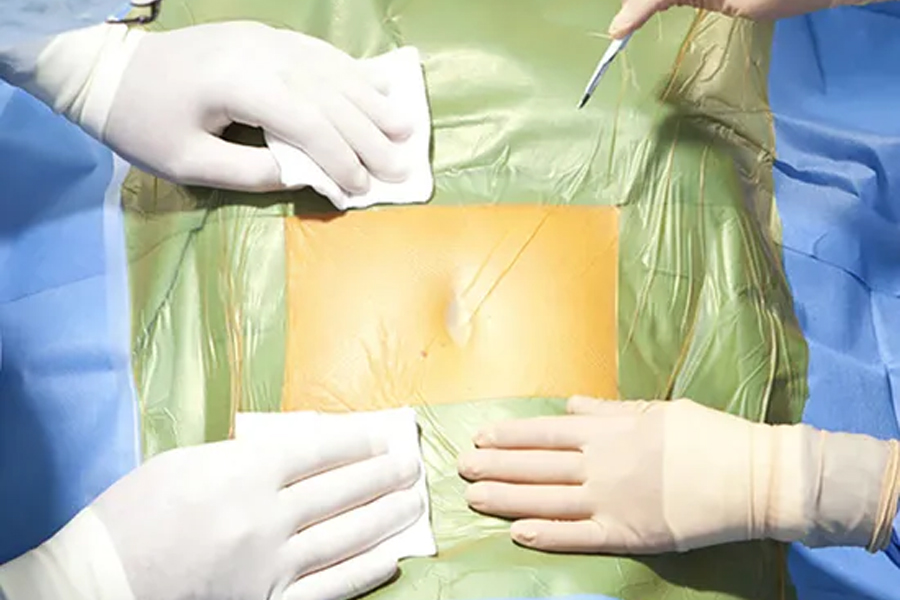
Sizes, Specifications, and Customization Options
Buyers should compare the complete specification, not only the overall sheet dimensions. Key details include:
- Overall drape size and material
- Adhesive area, incise area, or aperture dimensions
- Sterile or non-sterile supply status
- Film, non-woven, absorbent, or protective components
- Antimicrobial treatment, if applicable
- Latex status and sterilization information
- Pouch, pack, case quantity, and shelf-life information
- OEM options for custom sizes, folding, labeling, or packaging
Real-world product listings commonly distinguish overall dimensions from the adhesive or aperture area, making these useful procurement fields. If your hospital, clinic, distributor, or importer needs a particular format, ask about customized sizes and packaging options.
How to Choose the Right Disposable Surgical Drape
The right product should match the procedure and the buyer’s documented healthcare and supply requirements.
- Coverage: Confirm dimensions and the required working area.
- Securement: Compare edge adhesive, aperture placement, and incise film according to use.
- Material: Check film or non-woven construction, absorbency, fluid management, and patient-comfort considerations.
- Sterility: Verify sterile barrier packaging, sterilization method, and shelf-life documentation.
- Clinical requirements: Confirm whether any antimicrobial treatment is required and supported by the label.
- Supply efficiency: Review pack quantity, storage needs, kit compatibility, and dependable replenishment.
For procurement teams, the most reliable comparison is the supplier’s technical data sheet, applicable regulatory documentation, and sample evaluation against the facility’s workflow.
Which Procedures Can Use Adhesive Drapes?
The appropriate drape depends on the procedure, anatomical site, required coverage, expected fluid exposure, and facility protocol. Disposable surgical drapes may be specified for general surgery and other surgical procedures where a sterile barrier and secure positioning are required.
Specialized products are also marketed for ophthalmic, dental, orthopedic, neurologic, cardiovascular, and other medical procedures, while veterinary use depends on the product’s intended-use documentation. Buyers should verify clinical use in the supplier’s specification or instructions for use rather than assume one design suits different surgeries. Commercial examples demonstrate application-specific product configurations.
Frequently Asked Questions
Are adhesive surgical drapes available in different sizes?
Yes. Adhesive surgical drapes and incise films are available in different dimensions to suit various operative areas and procedural requirements. Buyers should confirm both the overall drape size and the adhesive or incise area before ordering.
Can an adhesive drape be transparent?
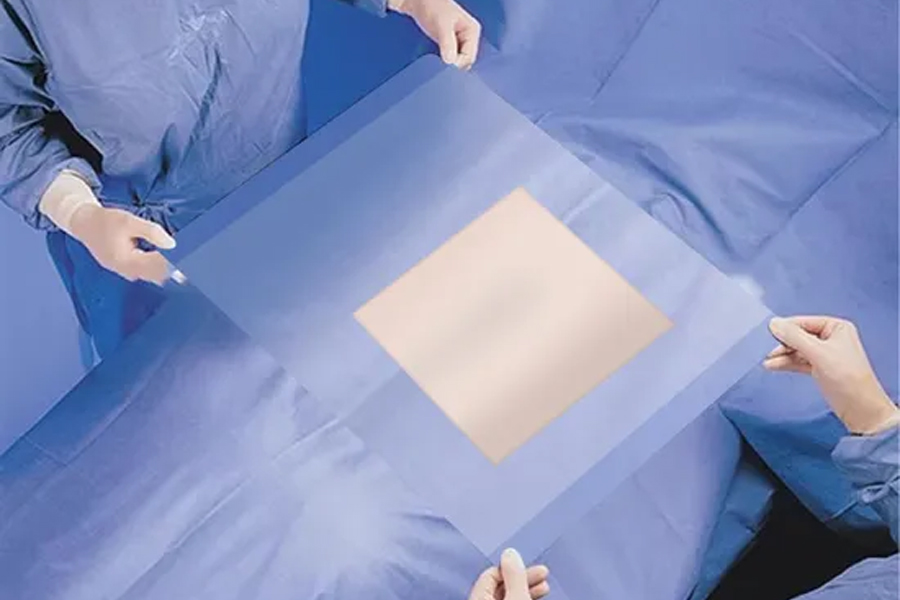
Yes. Some adhesive incise drapes use clear, conformable film so the underlying skin and operative area remain visible during preparation and use.
Do all adhesive drapes contain antimicrobial agents?
No. Adhesive drapes may be either antimicrobial or non-antimicrobial. Buyers should check the product specification and labeling rather than assume that adhesive film automatically provides antimicrobial properties.
How should buyers select the correct drape size?
The drape should provide suitable coverage for the intended procedure while placing the adhesive area, aperture, or incise zone in the required position. Procurement teams should compare overall dimensions, adhesive dimensions, and procedure-specific requirements.
What packaging information should buyers request?
Buyers should ask about individual pouch packaging, units per box or case, sterility status, shelf life, and available procedure-pack configurations. For bulk purchasing, packaging and case quantities should be confirmed before requesting a final quotation.