
Disposable Protective Coveralls with Blue Tape for Enhanced Seam Protection
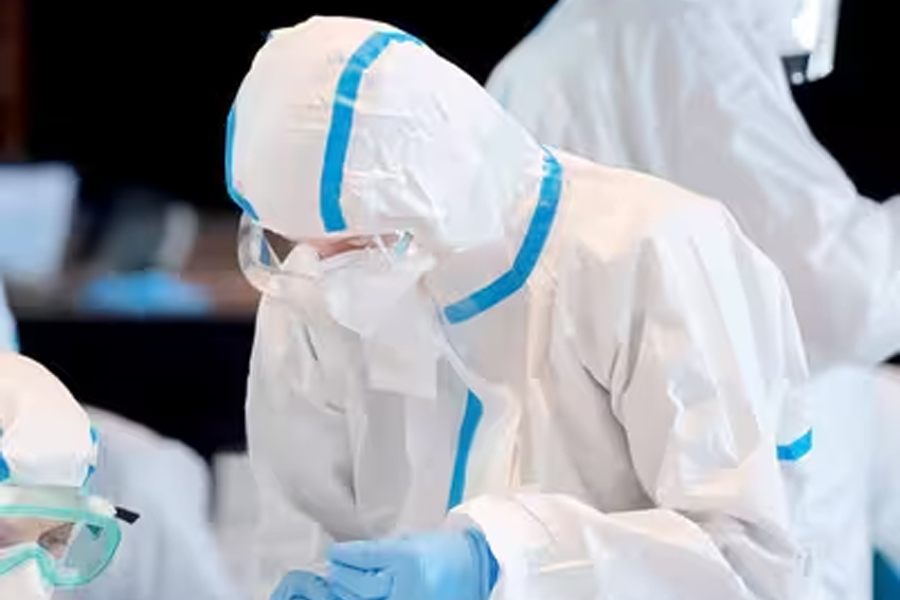
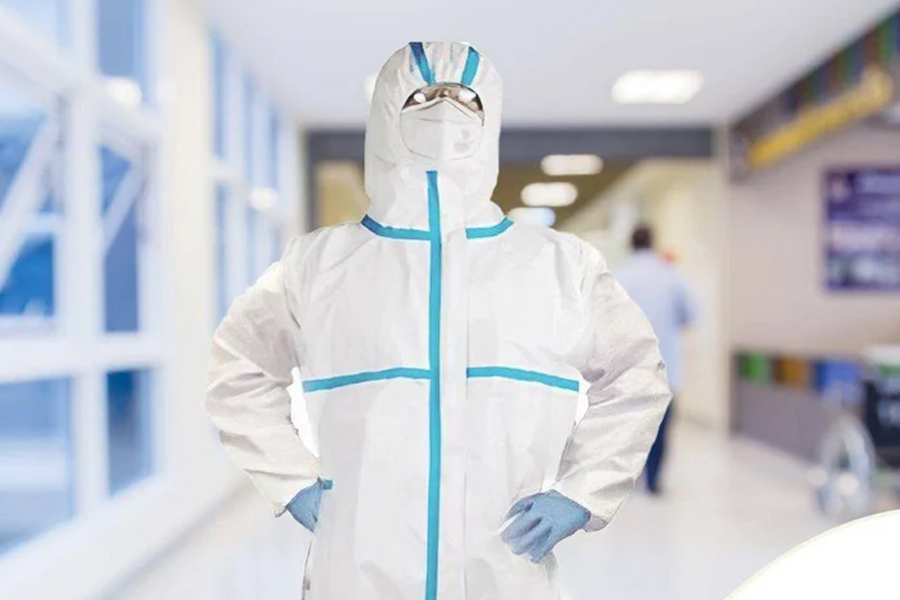
Disposable protective coveralls with blue tape are single-use garments designed to help shield the body and personal clothing from applicable workplace contaminants. Blue seam tape is generally applied over stitched seams to cover sewing needle holes and reduce potential penetration at these points. Depending on the garment material and tested performance, the coverall may help against dust, particles, and light liquid splashes. Request Product Specifications to confirm suitability for your application.
What Are Disposable Protective Coveralls with Blue Tape?
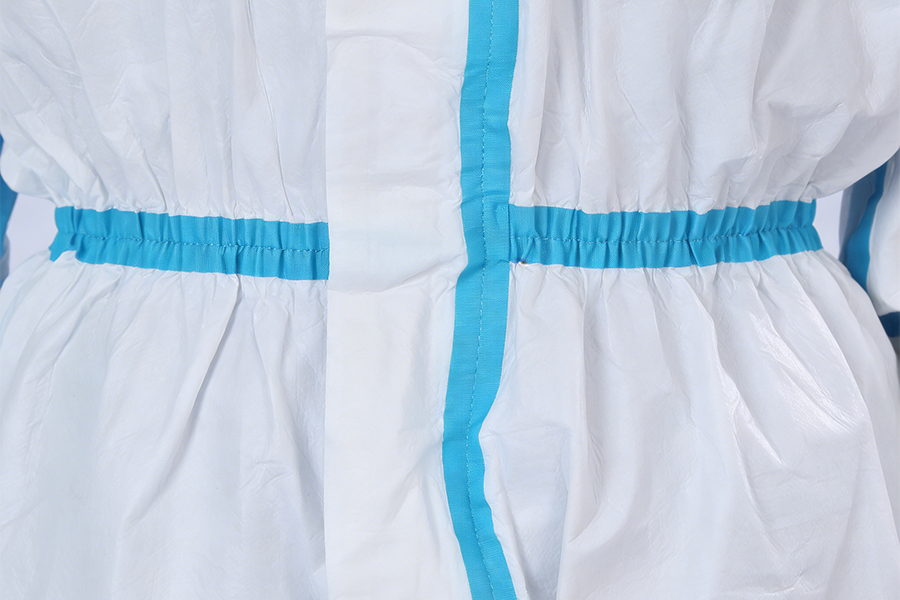
Disposable protective coveralls with blue tape are single-use protective clothing with selected stitched seams covered or sealed by blue adhesive seam tape. The tape adds a barrier over seam areas that may otherwise contain small openings from stitching.
These coveralls are commonly supplied as a full-body coverall suit and may include a hood, front zipper, elastic wrists and ankles, and other fit features. Exact construction varies by product, so buyers should verify the technical datasheet rather than assume all blue disposable coveralls use the same material or seam design.

How Does Blue Seam Tape Improve a Disposable Coverall?
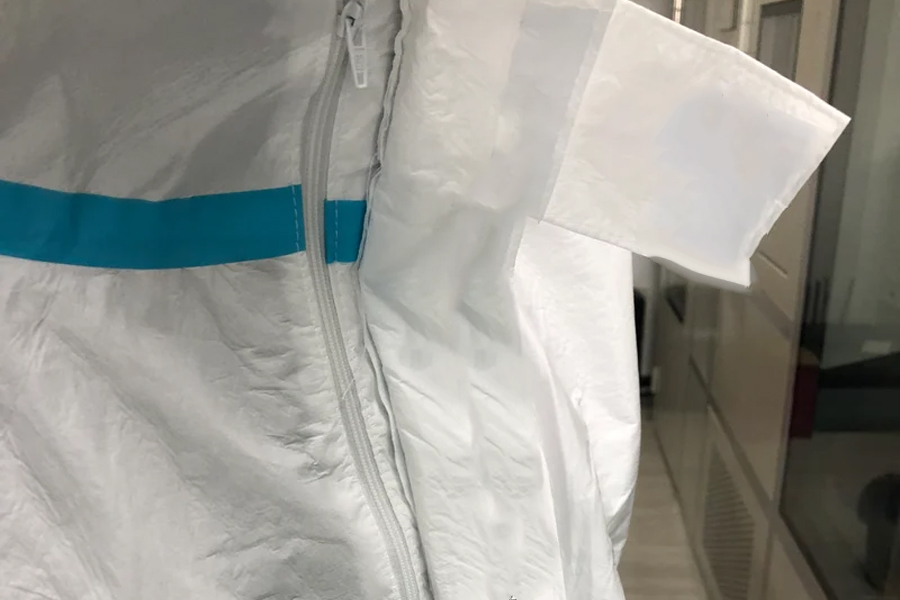
Stitched seams create small needle holes. Applying seam-sealing tape over those stitched areas can help reduce potential penetration through the seam and may provide a stronger barrier than an equivalent unsealed stitched coverall. Seam and closure design are important parts of garment barrier performance. CDC/NIOSH guidance likewise identifies seam and closure barrier properties as critical considerations when selecting protective clothing.
Blue tape alone does not make a disposable coverall waterproof, chemical-proof, a hazmat suit, or automatically compliant with Type 4, Type 5, Type 6, NFPA, ASTM, EN, or another PPE standard. Protection must be supported by test data and applicable certification for the specific garment.
Disposable Protective Coverall Materials and Construction
Different disposable protective coveralls can use different materials. Common category options include SMS or related spunbond-meltblown structures, spunbonded polypropylene, microporous material, microporous film laminated to a nonwoven substrate, and other breathable materials.
Material choice affects barrier performance, breathability, durability, lint behavior, and comfort. A breathable coverall may suit longer wear in lower-splash environments, while a microporous laminate may be selected when a different balance of particulate and light liquid resistance is needed. Not every disposable material provides the same performance, and not every garment uses every construction listed here.
What Protection Can Disposable Protective Clothing Provide?
Depending on the specific product, disposable protective clothing may help protect against dust, particulate matter, dry particles, and certain light liquid splashes. The actual levels of protection depend on the fabric, garment construction, seam design, closures, test results, and certification.
A taped protective coverall should therefore be evaluated as a complete garment, not by tape color alone. For healthcare or laboratory use, buyers should review any relevant fabric and seam barrier test data, especially where exposure to blood, body fluids, or biological hazards is possible; CDC/NIOSH specifically recommends considering seam barrier performance as well as fabric performance. For industrial use, match the coverall to the identified contaminant, task, exposure route, and workplace risk assessment.
Key Disposable Coverall Features for Fit and Comfort
Practical garment details can affect both protection and wearer acceptance. A disposable coverall with hood can provide broader body coverage, while a front zipper supports fast donning and doffing. A zipper flap may help reduce direct exposure at the closure when designed and tested as part of the garment; CDC/NIOSH notes that closure design can materially affect overall barrier protection.
Elastic wrists, an elastic cuff, elastic ankles, and an elasticated waist can help create a more secure fit and improve ease of movement. Some disposable SMS coveralls use breathable construction to support comfort. Buyers should also consider sizing, hood compatibility with other PPE, seam strength, tensile strength, and whether static build-up or static discharge requirements call for verified anti-static or antistatic performance.
How Do You Choose the Right Disposable Protective Coverall?
Start with the hazard and task, then compare the garment specification with the required protection. PPE selection should be based on the workplace hazard assessment, intended use, fit, and known limitations. OSHA guidance emphasizes matching PPE capabilities to identified hazards rather than selecting equipment by appearance or category alone.
Check:
- Contaminant type: dust, dry particulate, or liquid splash
- Expected splash pressure and exposure duration
- Fabric type, such as SMS, polypropylene material, or microporous laminate
- Seam construction and whether taped seams are tested
- Breathability, sizing, hood and wrist design, and mobility
- Required standards, certification, disposal rules, and compatibility with other PPE
If a specification references 3M Protective Coverall 4530, compare the documented material, seam design, test data, and certification directly. 3M identifies its own 4530 as an SMS-based disposable protective coverall with specific documented characteristics; do not assume another blue coverall is a 3M™ product or equivalent simply because it is blue or uses similar terminology.