

Disposable Coverall Suits for Full Body Protective Workwear
Disposable coverall suits are one-piece garments intended to help reduce contamination and limit contact with selected workplace exposures. Suitability depends on fabric, seams, closure design, and the certified performance level of the specific item. Common uses include construction, painting, lab tasks, automotive servicing, maintenance, dust control, installation, and other industrial work. Buyers should compare the expected exposure with the documented capabilities of the clothing rather than treating all single-use designs as equivalent.
What Are Disposable Coveralls?
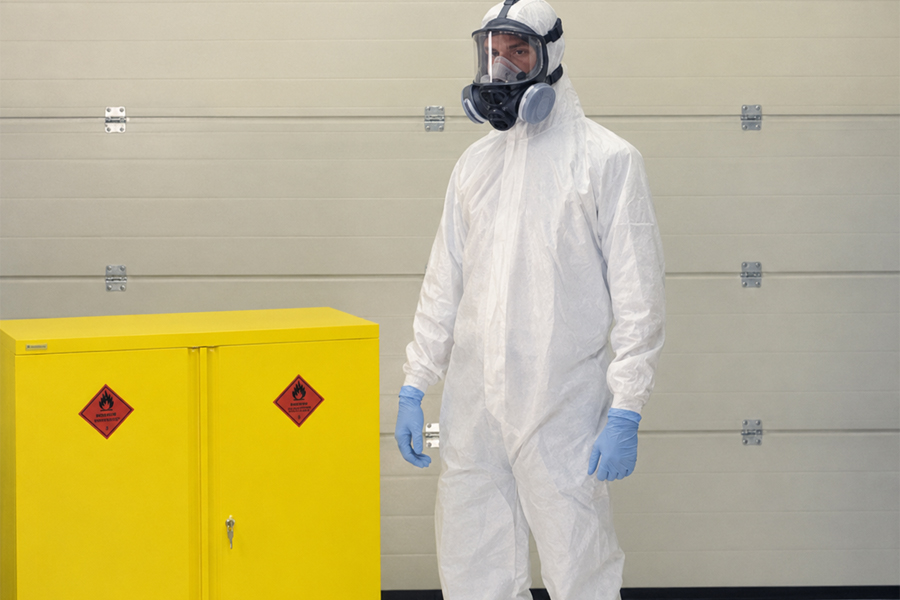
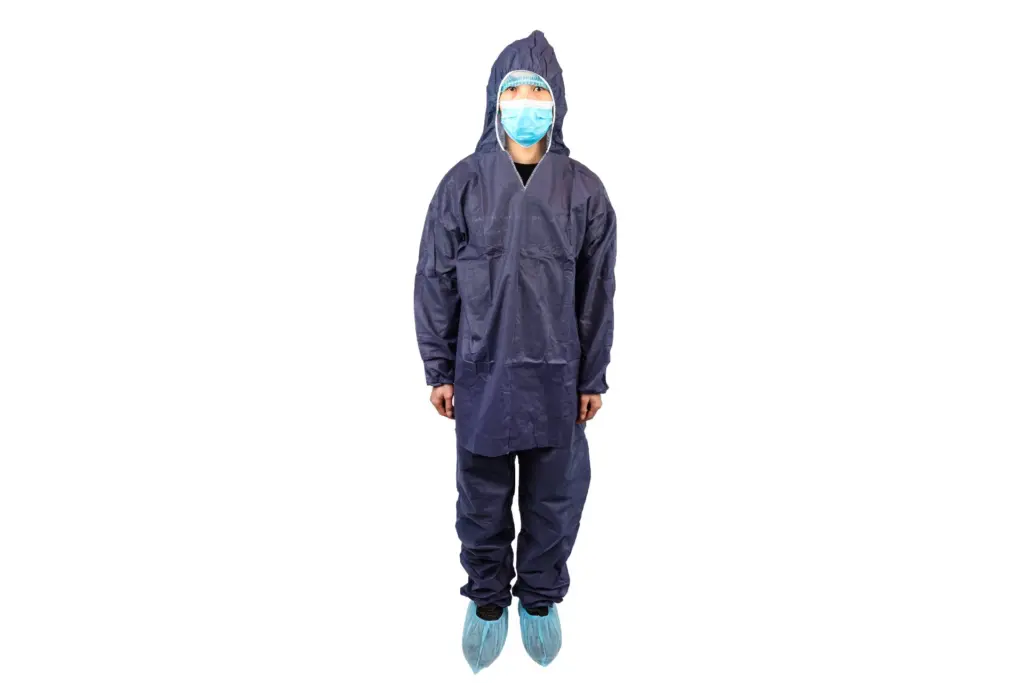
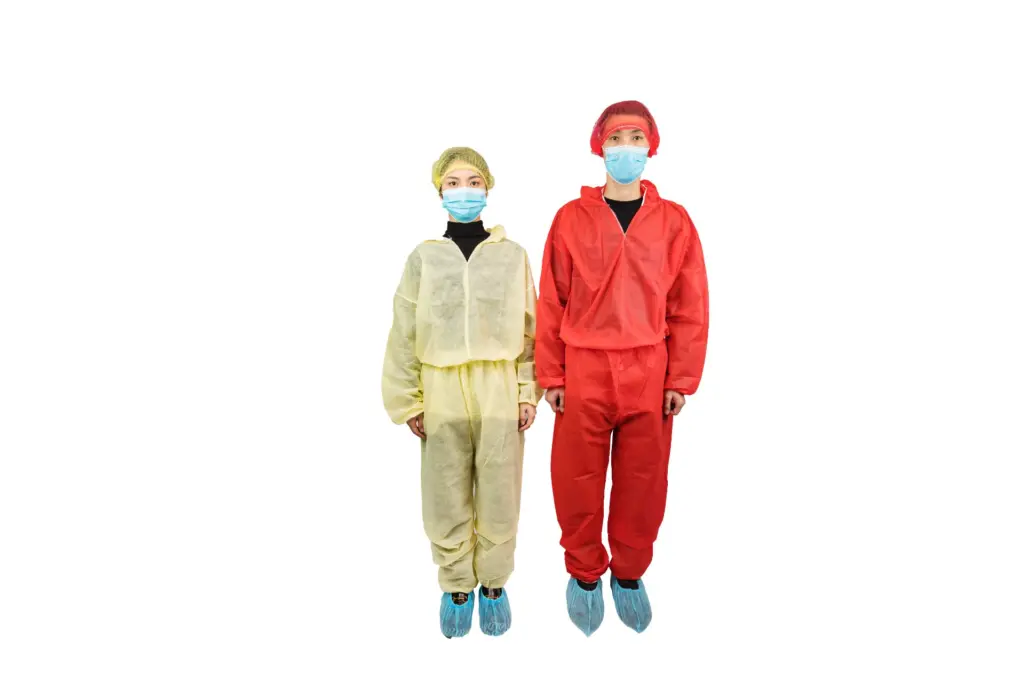
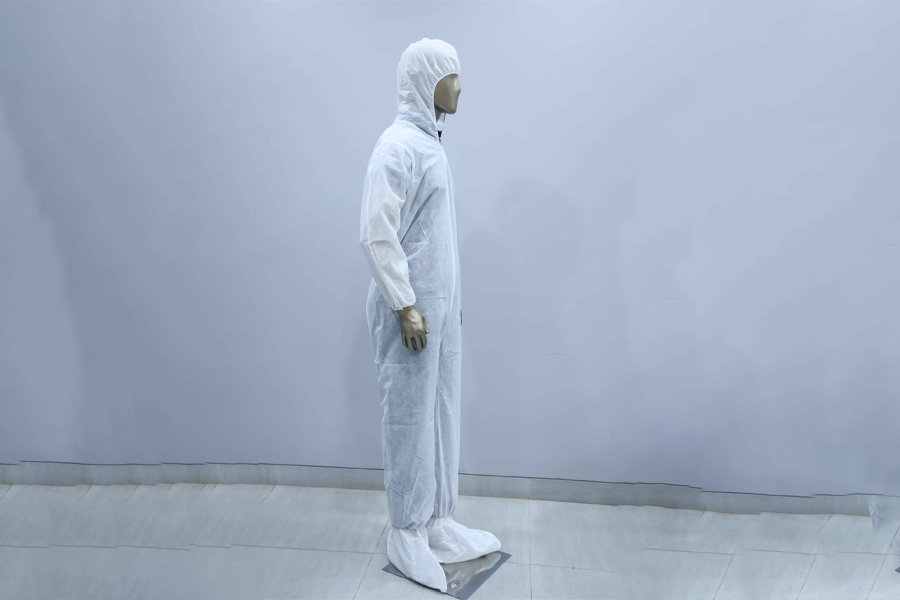
Disposable coveralls are limited-use work garments that cover the torso, arms, and legs in one piece. Depending on the design, they may include a hood, elastic cuff, elastic wrists and ankles, attached footwear sections, or a non-hooded collar.
The purpose is practical body coverage where clothing or skin could otherwise be exposed to dirt, particle contamination, overspray, or similar workplace conditions. They are one part of a safety program, not a substitute for a job-specific risk assessment or compatible equipment.
What Protection Levels Are Available?
The classification must match the exposure. Type 5 is intended for protection against airborne solid particulates. Type 6 provides limited protective performance against liquid chemicals and certain spray conditions. Type 3 and Type 4 address more demanding chemical exposure through liquid-tight or spray-tight construction. ISO 13982-1 defines Type 5 around airborne solid particles, while EN 13034 covers Type 6 limited-performance clothing.
A label such as “disposable” does not establish a certified rating. Confirm the applicable standard and manufacturer documentation for the exact product before use.
Type 5 vs. Type 6 vs. Type 3/4: What Is the Difference?
Type 5 — dry-particle performance: Intended for full-body clothing resistant to penetration by airborne solid particles. This can be relevant to certain hazardous dry-particle tasks when the specific garment is certified for that use.
Type 6 — limited splash performance: Intended for limited performance against light spray or splash. It should not be treated as equivalent to a higher chemical-protection category.
Type 3 / Type 4 — higher liquid control: Type 3 uses liquid-tight connections; Type 4 uses spray-tight connections. These categories generally call for specialized seam, zipper, and seal construction.

Should You Choose a Hooded, Non-Hooded, or Integrated Boot Design?
Choose the configuration around the exposed body areas and the other equipment worn during the task. A design with an attached hood can extend head and neck coverage; a collar configuration may work better where separate headgear is required.
Options can include an elastic hood opening, wrist and ankle closures, integrated boot sections, or separate shoe covers. Check the interface with each glove, respirator, helmet, boot, and eye-protection component. Good compatibility helps minimize gaps without restricting safe movement.
Which Coverall Material Is Right for the Job?
Common choices include polypropylene, SMS, microporous laminates, and high density polyethylene-based non-woven fabric. Each material can differ in barrier performance, comfort, breathability, durability, and tear resistance; the fiber or laminate name by itself does not prove a certified clothing class.
Polypropylene may suit lightweight general-purpose tasks. SMS is used in selected applications where a balance of filtration and breathability is useful. Microporous structures can add resistance to particulates and limited fluid contact, depending on the finished product.
Frequently Asked Questions
What are disposable coverall suits used for?
Disposable coverall suits are used to help protect clothing and the body from dust, dirt, particles, light splashes, and other workplace contamination, depending on the garment’s design and protection rating.
What is a Type 5 disposable coverall?
Type 5 protective clothing is designed to provide full-body protection against airborne solid particles.
What is a Type 6 disposable coverall?
Type 6 clothing is intended for situations requiring limited protection against light liquid chemical spray or small splashes.
Should I choose a hooded or non-hooded coverall?
Choose a hooded coverall when additional head and neck coverage is needed. A non-hooded design may be more suitable when separate head protection or other PPE is being worn.
What materials are disposable coveralls made from?
Common materials include polypropylene, SMS, microporous fabrics, and high-density polyethylene-based materials. For example, DuPont states that Tyvek® protective garments use flash-spun high-density polyethylene.