Work Coveralls for Comfort and Tough Jobs

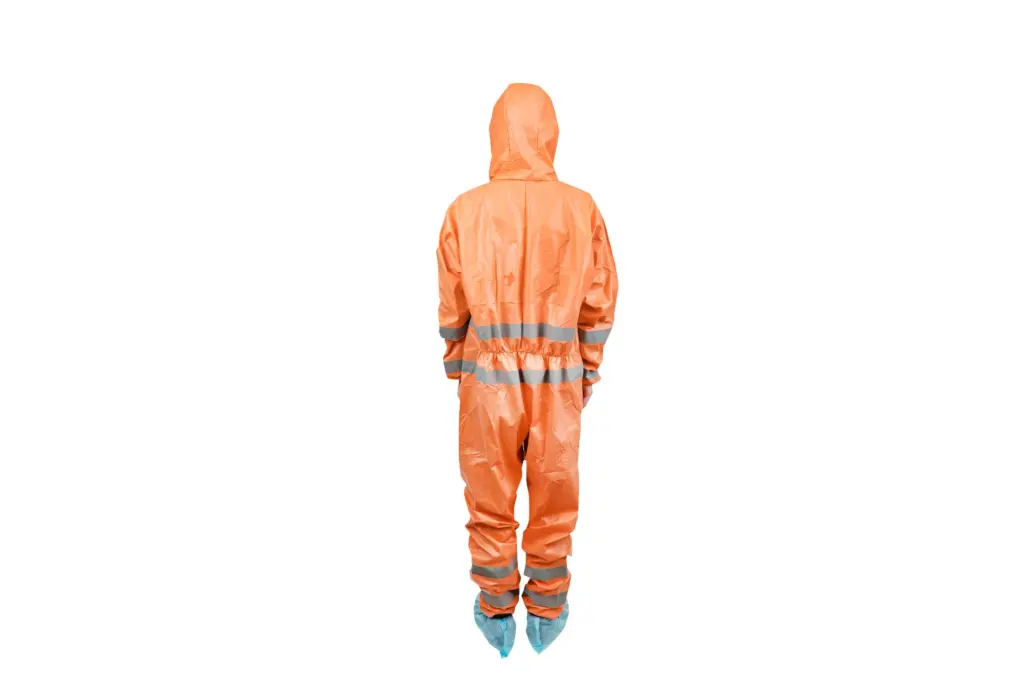
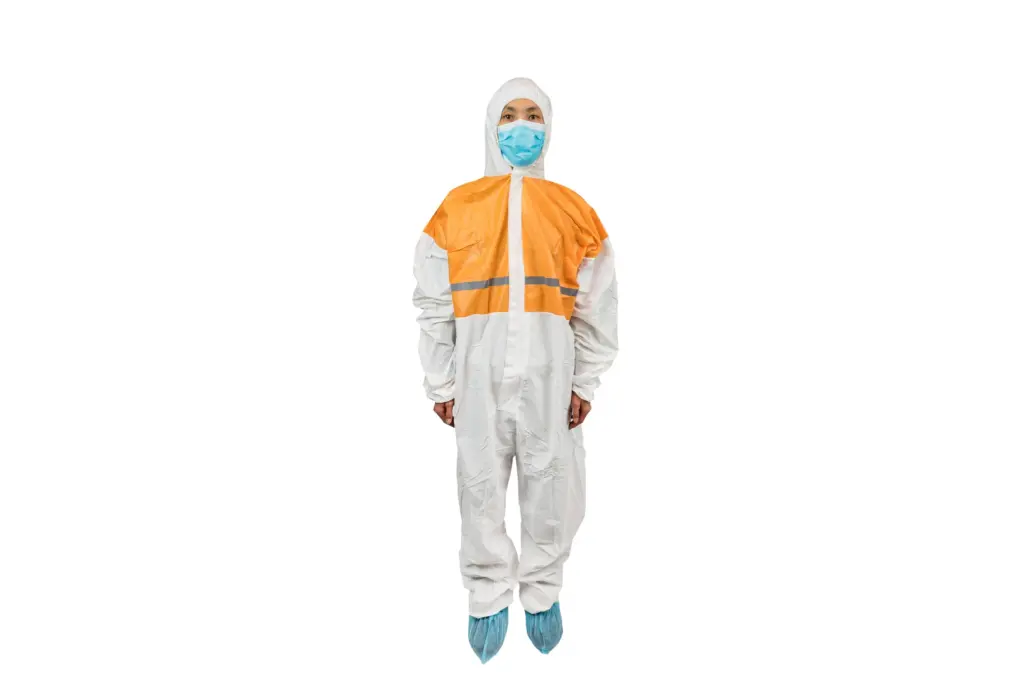
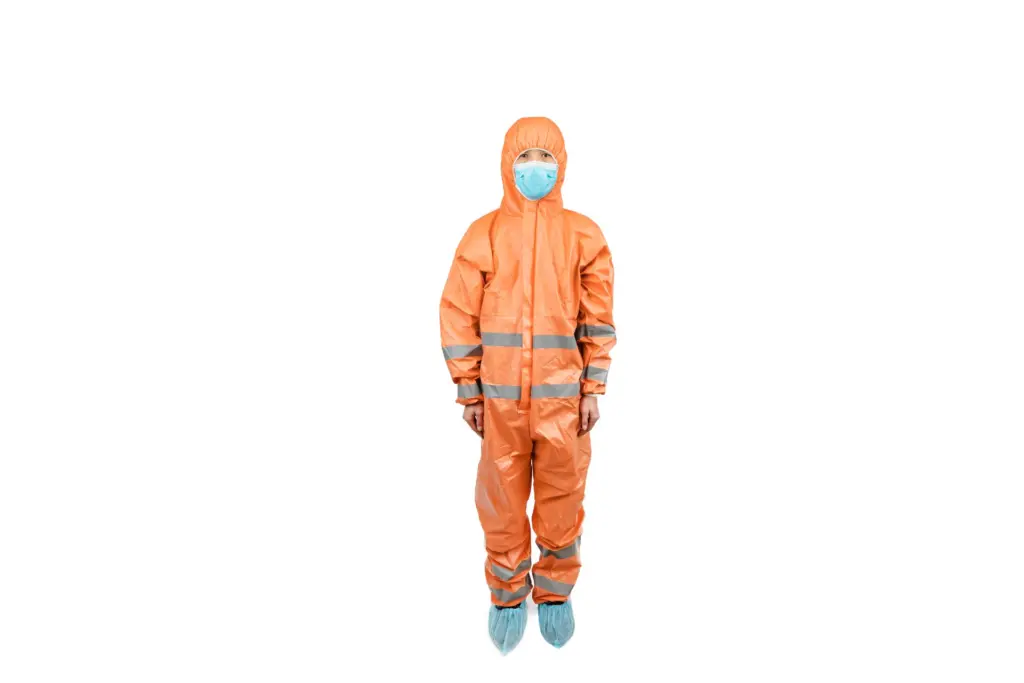
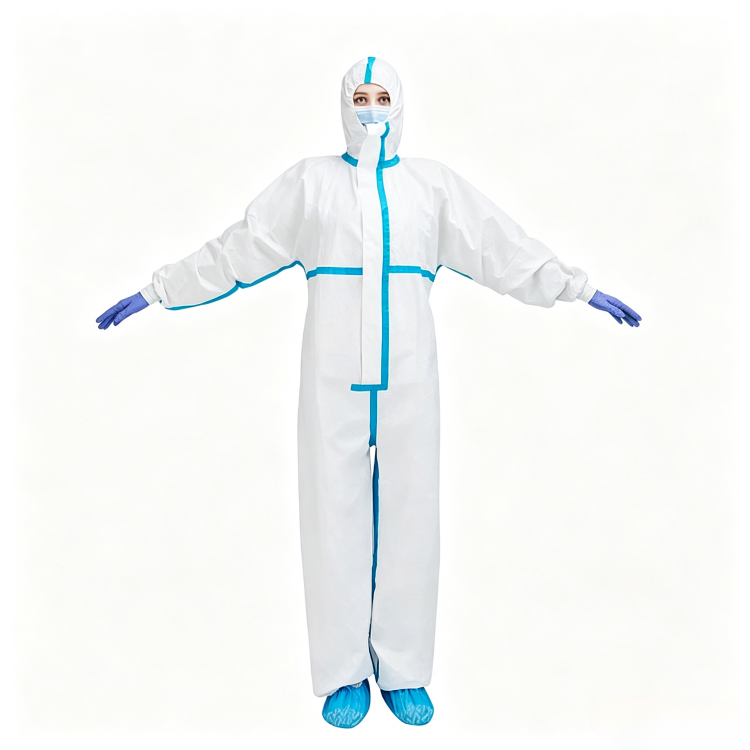
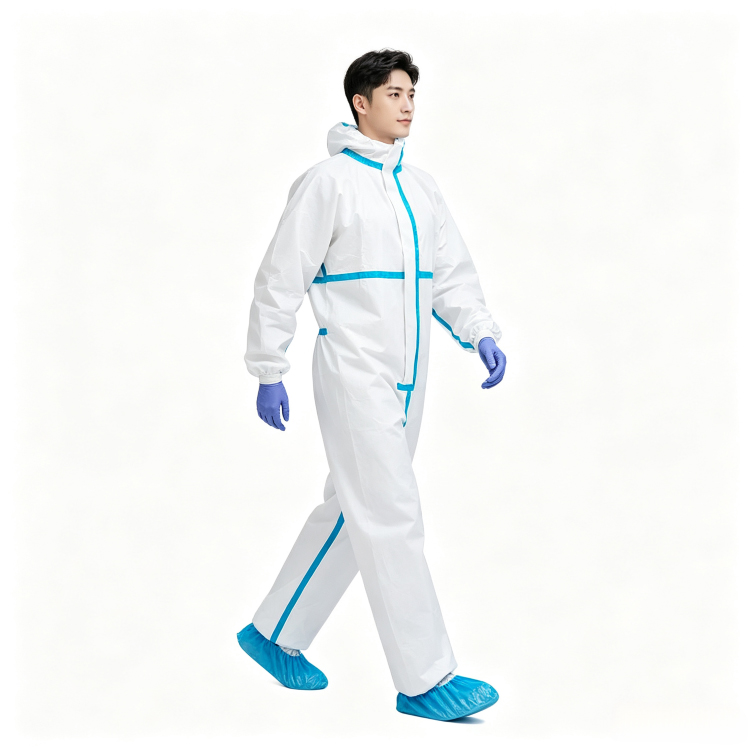
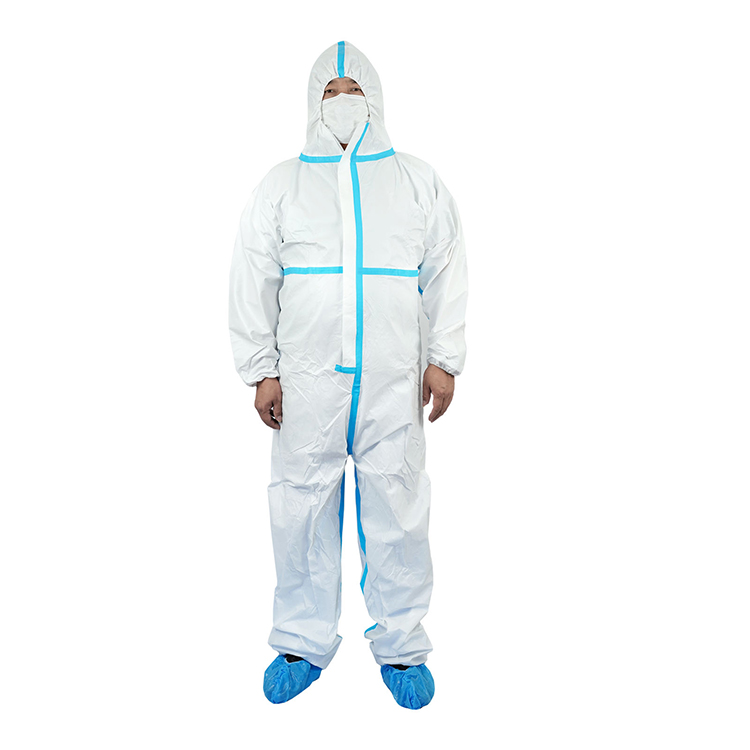
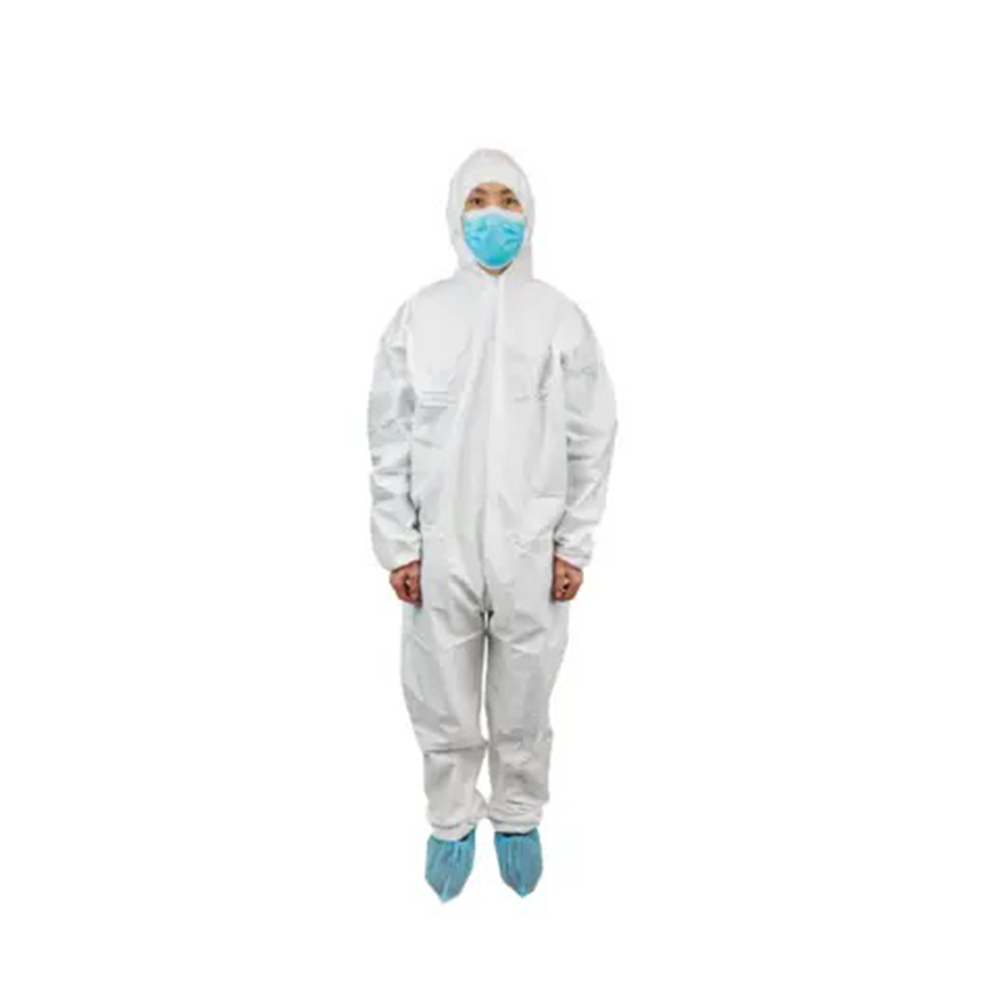
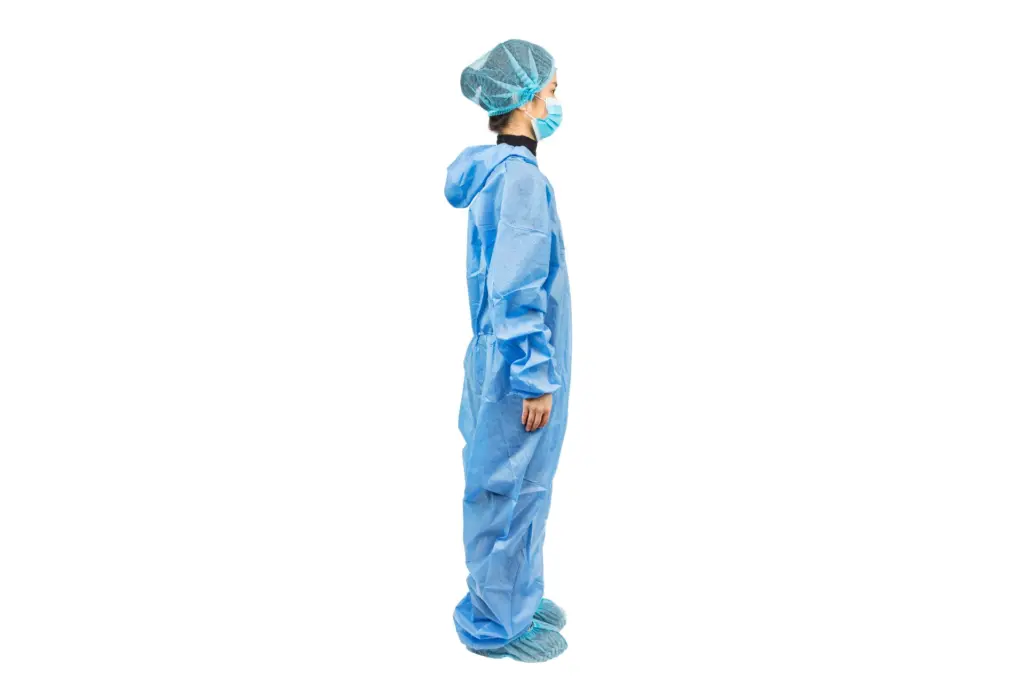
Coveralls are one-piece workwear designed to cover the torso, arms, and legs while helping keep everyday clothing cleaner on demanding jobs. They usually fasten at the front and can be worn over normal clothing or suitable undergarments. Mechanics, painters, construction crews, farmers, technicians, and industrial workers use them for practical full-body coverage against dirt, grease, dust, paint, and appropriate minor workplace hazards.

What Are Coveralls Used For?

A coverall is a functional one-piece outfit for jobs where broad clothing coverage and easy movement matter. Common uses include mechanic work, factory tasks, painting, construction, agriculture, maintenance, and technical work.

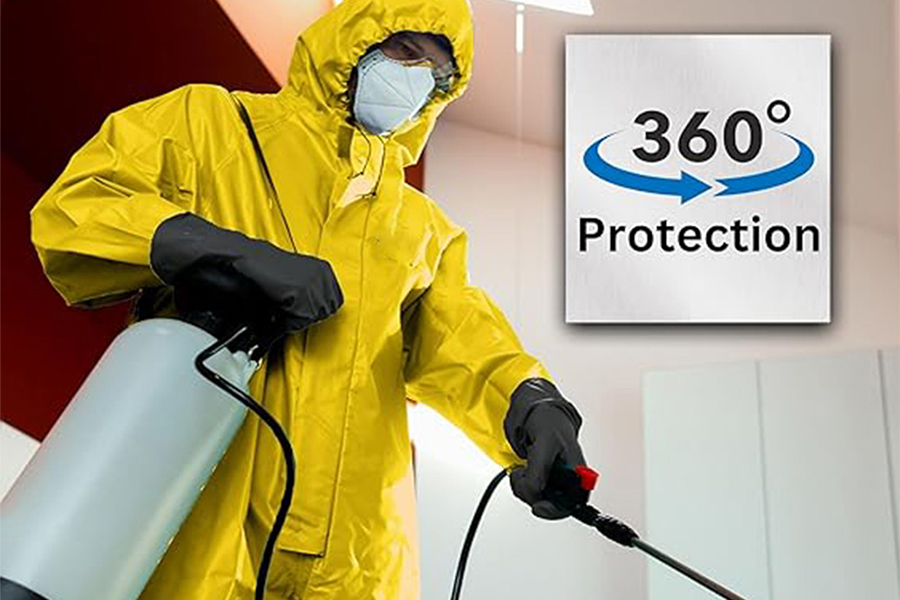
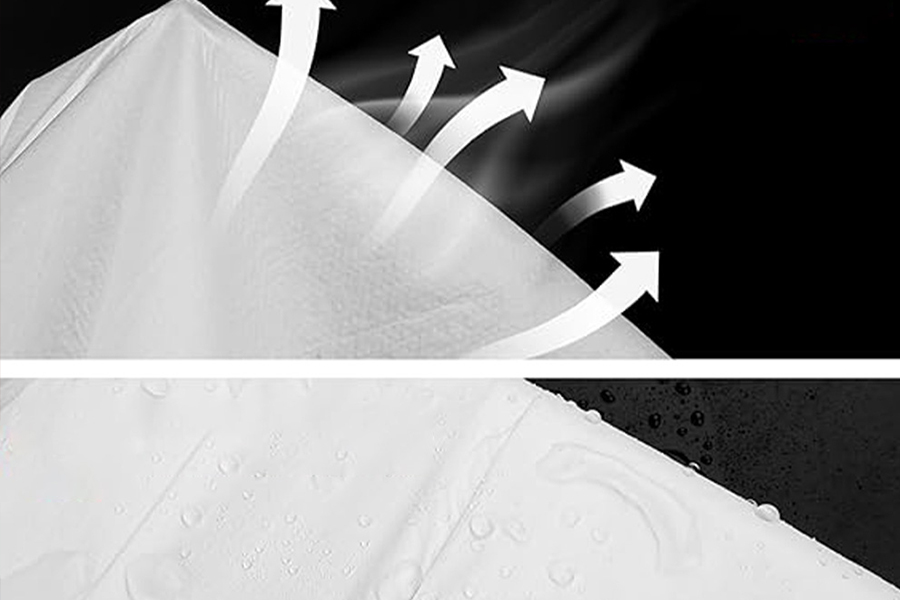
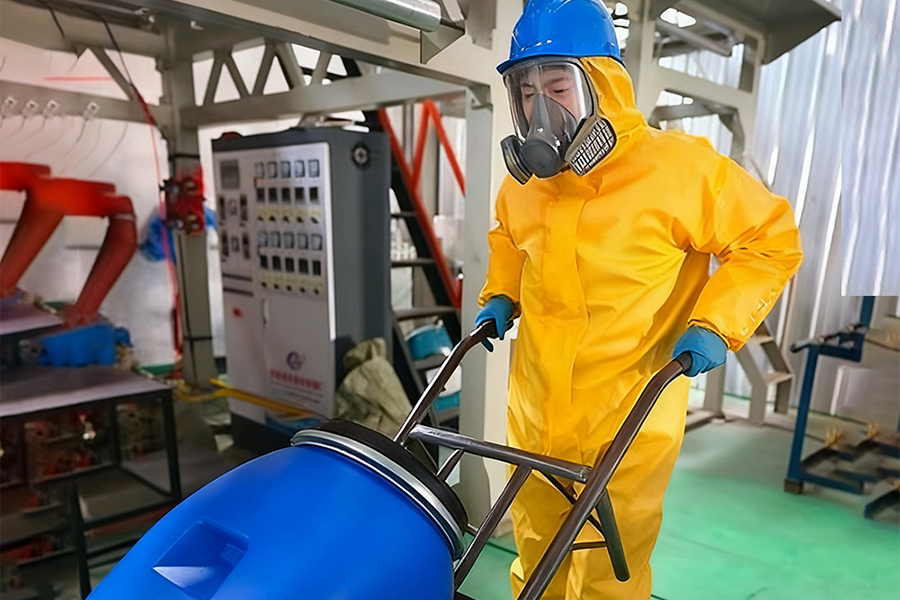
The right design can help protect work clothing from grime and routine mess while keeping tools close through a practical pocket layout. Specialized protective options may use water-resistant, chemical-resistant, disposable, flame-resistant, or insulated materials, but protection depends on the garment’s intended use and specifications.

Coveralls

Overall, Bib Overalls, and Jumpsuits: What’s the Difference?

The main difference is coverage. Bib overalls normally use a shoulder strap design and leave the arms uncovered, while overalls and coveralls of the one-piece workwear type typically cover the torso, arms, and legs while leaving the head, hands, and feet exposed.

Men’s bib overalls can be useful when you want open-arm mobility or easy layering. Work-focused one-piece clothing also differs from fashion-oriented jumpsuits, which are generally designed as everyday apparel rather than job-focused gear.

Which Durable Styles Suit Different Work Environments?

Different work environments call for different materials and features. Lightweight or unlined styles can suit indoor tasks and warmer conditions, while durable work coveralls made from tougher fabric can make sense for repeated wear around equipment, tools, and rough surfaces.

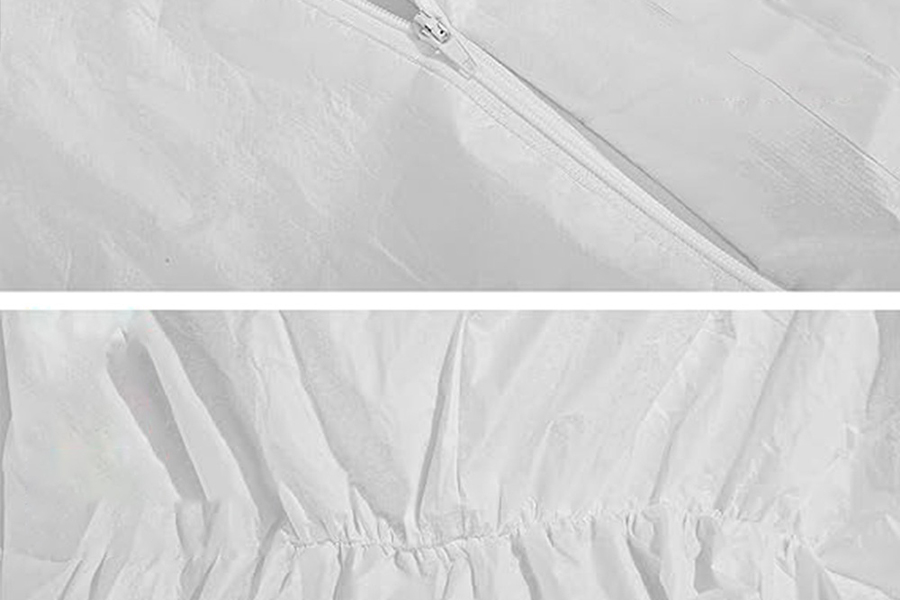
Look for details that match the task, such as accessible storage, a flexible cut, reinforced high-wear areas, or a long-sleeve design. For dirty or dusty work sites, consider how easily the garment can be put on, removed, cleaned, or replaced.

Coveralls

Light, Short Sleeve or Heavy-Duty?

Choose the style around workload and temperature. Lightweight and short sleeve options can reduce bulk in warmer settings, while heavy-duty designs prioritize durability for tough jobs and repeated wear.

An unlined classic style is versatile for many indoor or moderate-weather jobs. For harsh use, look for sturdy fabric, reinforced construction, and secure stitch details without assuming extra toughness automatically means protection from chemical, heat, flame, or electrical hazards.

How Should Coveralls for Men Fit?

When choosing a size, allow enough room for movement and for any clothing worn underneath. The garment should feel comfortable through the shoulders, chest, waist, seat, and legs without creating excessive loose fabric that interferes with the job.

Tall workers may need added body and inseam length so the fit doesn’t pull when reaching, crouching, or climbing. Always check the brand’s size chart because proportions can vary by style, layering needs, and intended use.

Coveralls

Cold Weather, Duck Insulated, and FR Workwear

For cold weather, insulation can add warmth for outdoor work, and duck insulated designs pair a tough woven outer fabric with added thermal layers. If you need a warmer option, compare insulation level, mobility, fabric weight, and available layering space.

FR clothing serves a different purpose. Flame-resistant garments should be selected for the actual workplace hazard and required protection; ordinary insulated or duck workwear should not be treated as FR gear unless it is specifically designed and identified for that use.

Frequently Asked Questions

Coveralls are one-piece garments that cover the torso, arms, and legs.

Mechanics, construction workers, industrial workers, painters, farmers, and technicians commonly wear coveralls.

Coveralls usually cover the arms and legs, while bib overalls use shoulder straps and leave the arms uncovered.

No. Flame-resistant clothing must be specifically selected for the relevant workplace hazard.

Consider the work environment, fit, comfort, material, durability, and required protection.

Coveralls