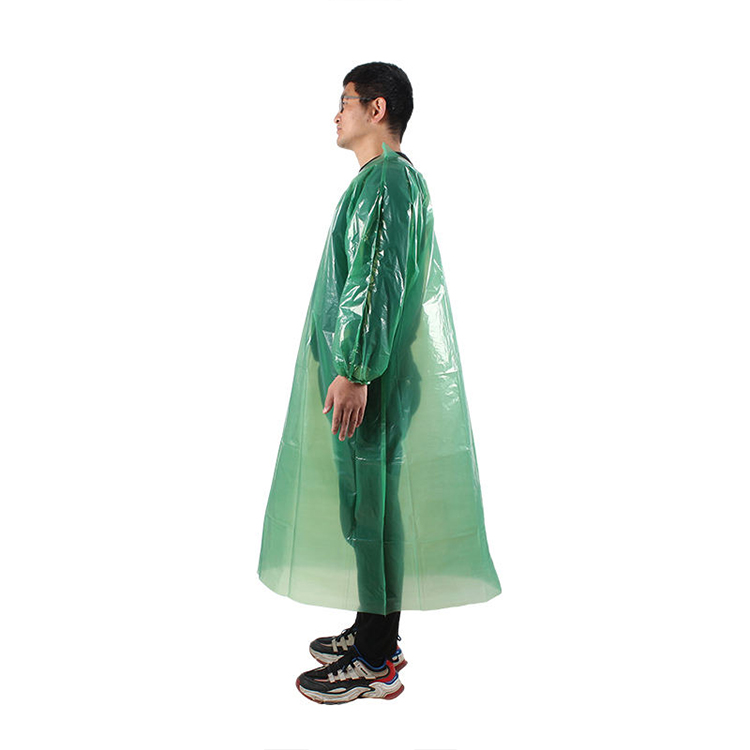
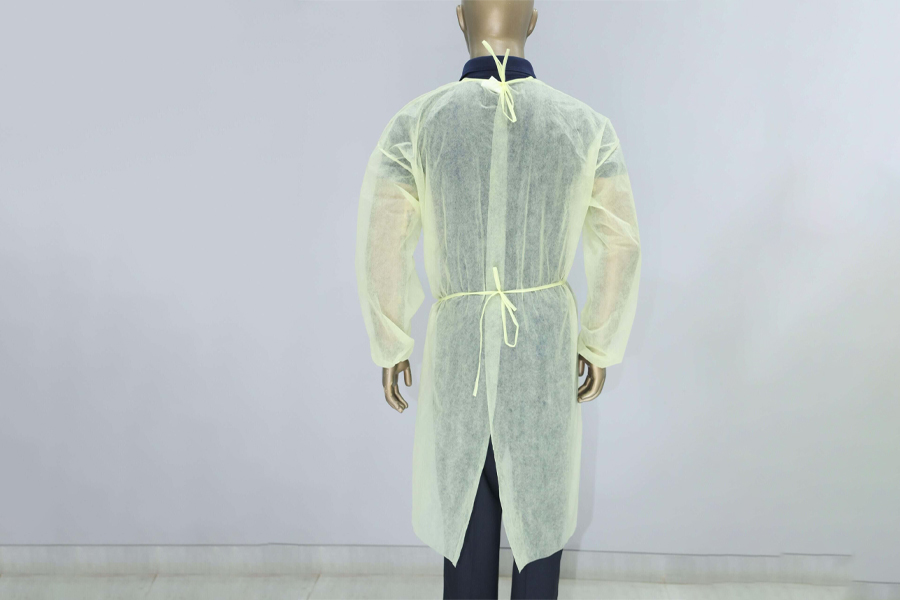
Isolation Gowns for Healthcare PPE and Medical Gown Procurement
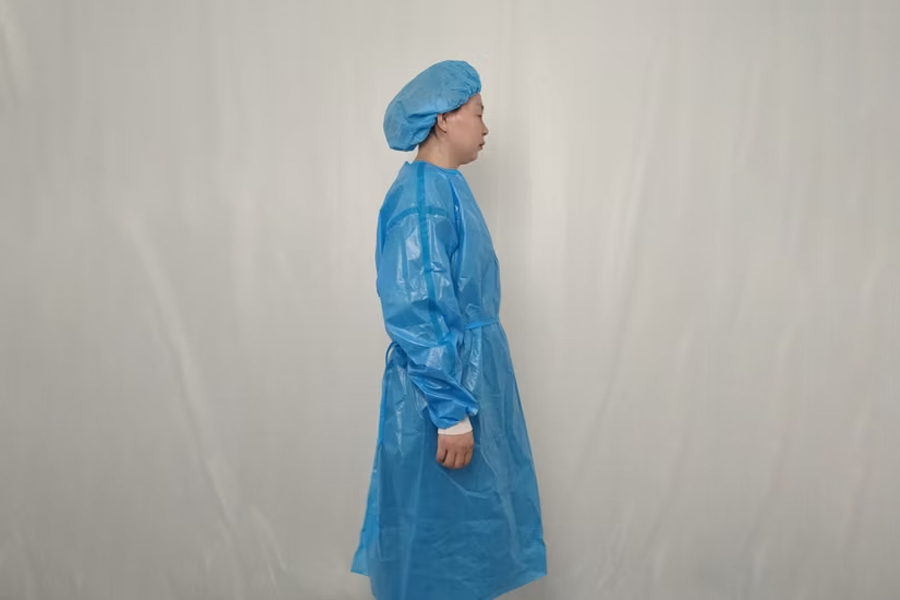
An isolation gown is personal protective equipment used as barrier protection in healthcare settings. Depending on its intended use and rated protection, it can help reduce exposure to microorganisms, blood, body fluids, and other potentially infectious material. Buyers should compare AAMI level, intended use, material, coverage, cuff design, sterility needs, and disposable or reusable construction.
What Is an Isolation Gown and What Is It Used For?
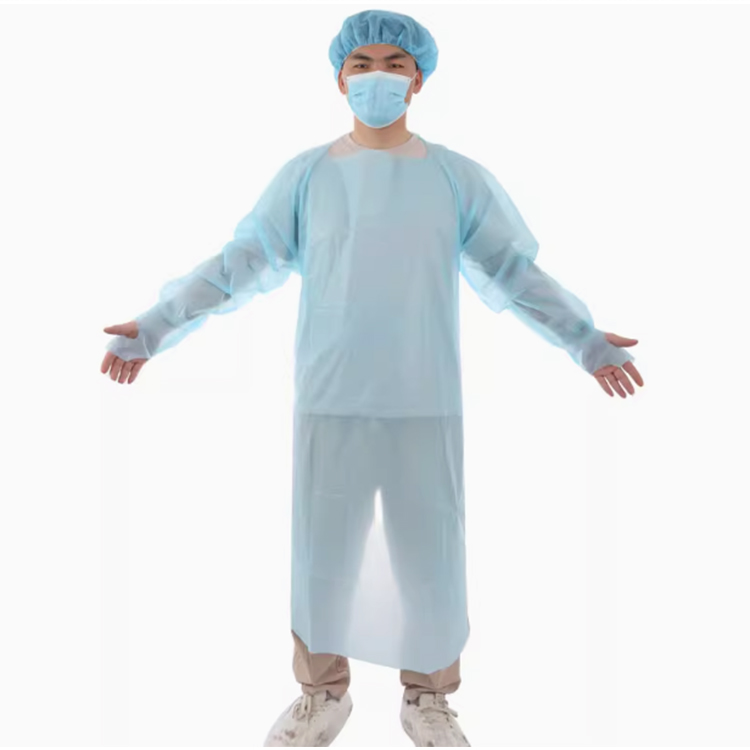
Isolation gowns are protective apparel worn during patient care and other healthcare activities where contact with potentially infectious material may occur. They help protect the wearer’s clothing and skin and can support infection control when selected and used as part of an appropriate PPE program.
The required level of protection depends on the task, expected fluid exposure, contact pressure, duration, and clinical environment.
AAMI Isolation Gown Levels: Level 1, 2, 3, and 4
ANSI/AAMI PB70 classifies protective apparel by liquid barrier performance.
- Level 1:Â Minimal barrier protection for basic care, standard isolation, visitor cover gowns, and standard medical units.
- Level 2:Â Low barrier protection for uses such as blood draw, suturing, ICU care, and pathology laboratory environments.
- Level 3:Â Moderate barrier protection for arterial blood draw, IV insertion, emergency room use, and trauma cases.
- Level 4:Â The highest PB70 barrier level, intended for high-risk situations and associated with viral penetration resistance testing.
Levels 1–3 should not be treated as equivalent to Level 4 for viral penetration resistance; PB70 uses water-based barrier testing for Levels 1–3, while Level 4 involves additional testing against simulated biological fluids.
Disposable vs Reusable Isolation Gowns
Disposable isolation gowns are single-use products designed for convenient turnover and standardized handling. Reusable isolation gowns are multi-use garments that require appropriate laundering, inspection, and reprocessing according to manufacturer and healthcare-facility instructions.
Procurement teams should compare reusability, workflow, storage, laundry capacity, waste handling, supply consistency, and total program requirements rather than assuming one format is always preferable.
Isolation Gowns vs Surgical Gowns and Other Medical Gowns
An isolation gown and a surgical gown are not interchangeable categories. Surgical gowns are used during surgical procedures and have defined critical zones; FDA states that surgical gowns must be provided sterile. Surgical isolation gowns are used when medium-to-high contamination risk requires broader critical-zone coverage.
In the U.S., surgical gowns and surgical isolation gowns are Class II medical devices requiring 510(k) premarket notification. Non-surgical isolation gowns for minimal or low-risk patient isolation are Class I devices and are exempt from premarket review.
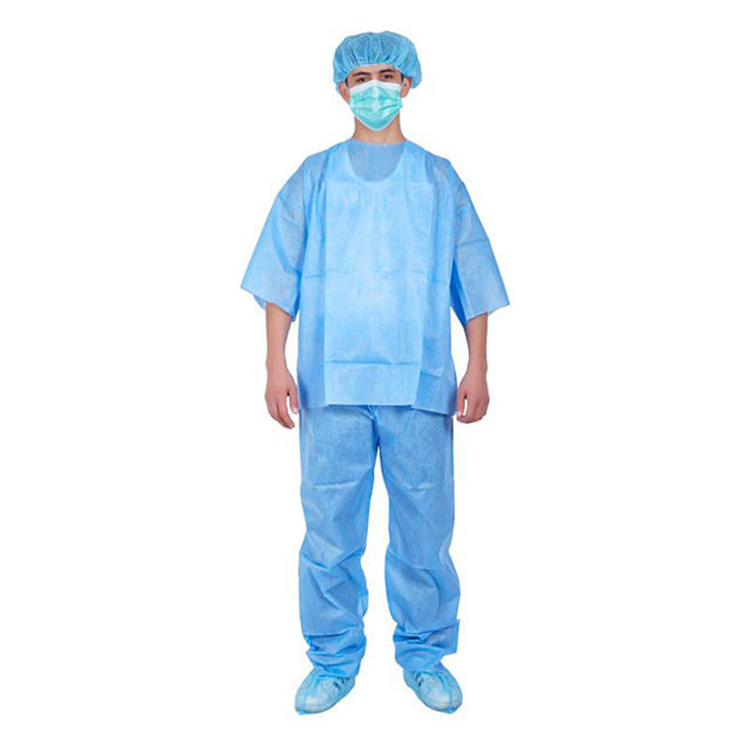
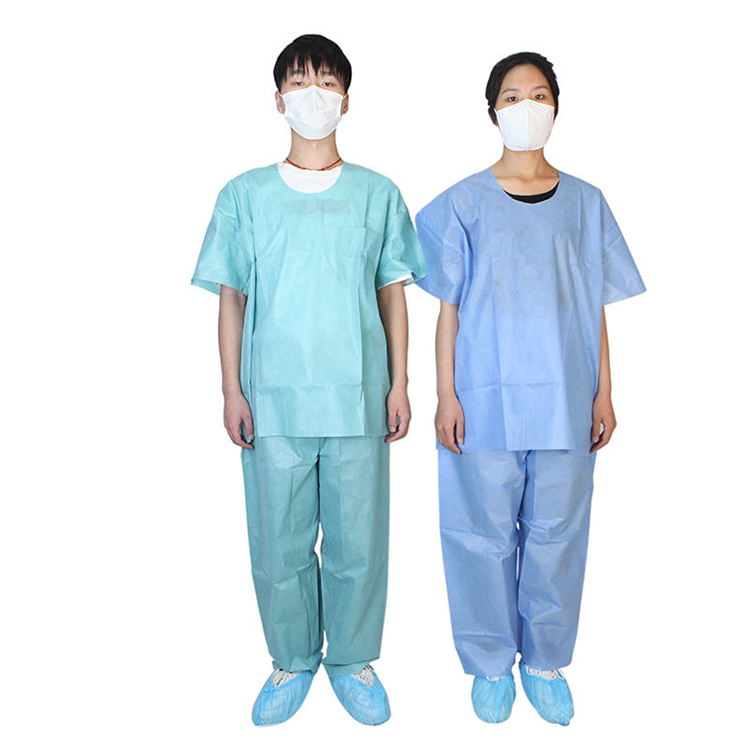
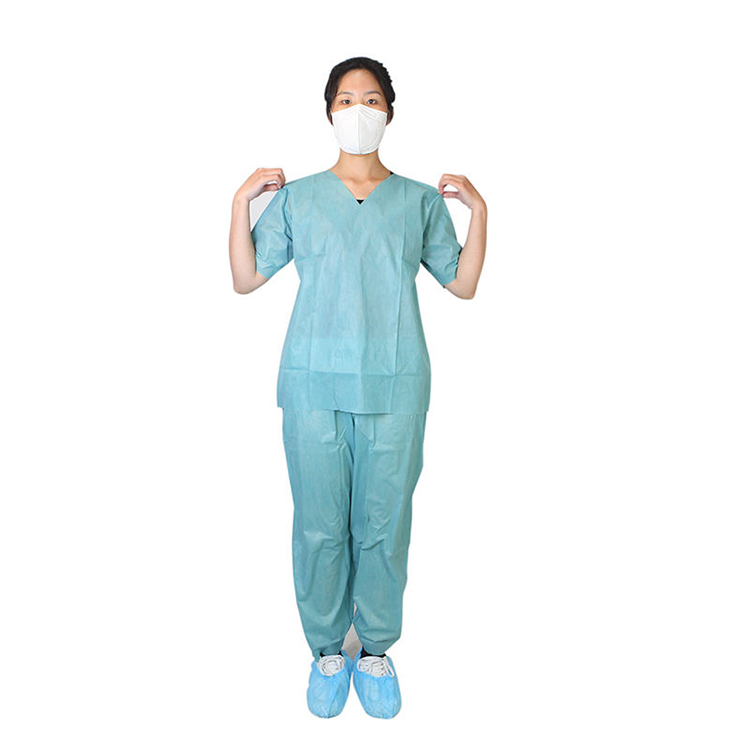
Patient gowns and a standard hospital gown serve different purposes and should not be treated as PPE isolation gowns unless specifically designed and labeled for that use.
Isolation Gown Materials, Cuffs, Coverage, and Fluid Resistance
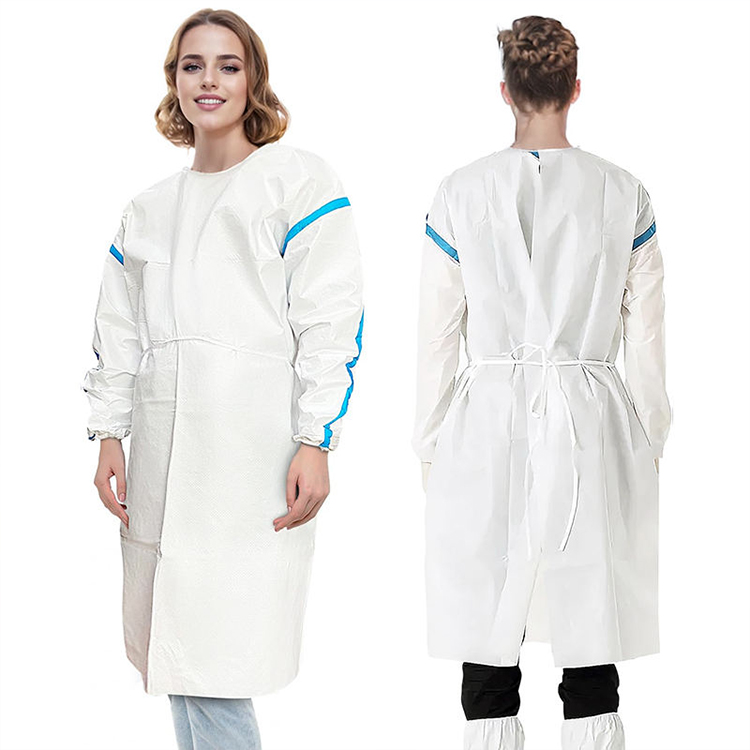
Disposable gowns may use nonwoven synthetic materials such as polypropylene, polyethylene-based materials, or SMS constructions; reusable gowns may use woven textile systems. Construction varies by product.
Key specifications to review include:
- material and fluid-resistant properties;
- sizing, torso and arm coverage;
- elastic cuffs or knit cuff construction;
- open-back or full-back design;
- seams, binding, and hem construction;
- packaging and bulk case configuration;
- documented liquid barrier performance and applicable test methods.
How to Select the Right PPE Gown for Healthcare Applications
Start with the hazard and intended task, then select the protection level that matches expected exposure. Healthcare facilities should consider blood or body-fluid contact, splash or spray potential, duration, pressure, patient interactions, and whether the procedure involves a sterile field.
Also verify sizing, coverage, cuff design, material, fluid resistance, sterile or non-sterile status, and compatibility with other PPE. For higher-risk or invasive procedures, use product labeling and facility protocols rather than choosing solely by gown color or appearance.
What Procurement Teams Should Ask an Isolation Gown Supplier
Procurement teams, distributors, importers, and wholesalers should compare gown suppliers using documentation. Request intended-use labeling, AAMI level, barrier data, material, sizing, cuff and coverage details, sterile status, packaging, case quantity, and design type.
For bulk sourcing, review regulatory records, supply and order-planning details. Never assume an isolation gown is FDA-cleared or sterile. In the U.S., non-surgical isolation gowns for low-risk use are Class I, while surgical gowns and surgical isolation gowns are Class II devices requiring 510(k).
Frequently Asked Questions About Isolation Gowns
What is an isolation gown used for?
It is PPE used as barrier protection in healthcare environments to help reduce transfer or exposure to microorganisms, body fluids, and potentially infectious material, depending on the gown’s intended use and rated protection.
What AAMI level isolation gown do I need?
Choose the level based on risk assessment and expected fluid exposure: Level 1 minimal, Level 2 low, Level 3 moderate, and Level 4 high barrier protection. Product labeling and facility protocols should guide final selection.
Are isolation gowns disposable or reusable?
Both options exist. Disposable gowns are single-use; reusable isolation gowns require appropriate laundering, inspection, and reprocessing before reuse.
What is the difference between an isolation gown and a surgical gown?
Isolation gowns are selected for isolation and barrier-protection needs, while surgical gowns are intended for surgical procedures, have defined critical zones, and are supplied sterile.
Are isolation gowns sterile?
Not all isolation gowns are sterile. Sterility depends on the product’s intended use and labeling; sterile surgical applications should not be confused with non-sterile isolation applications.