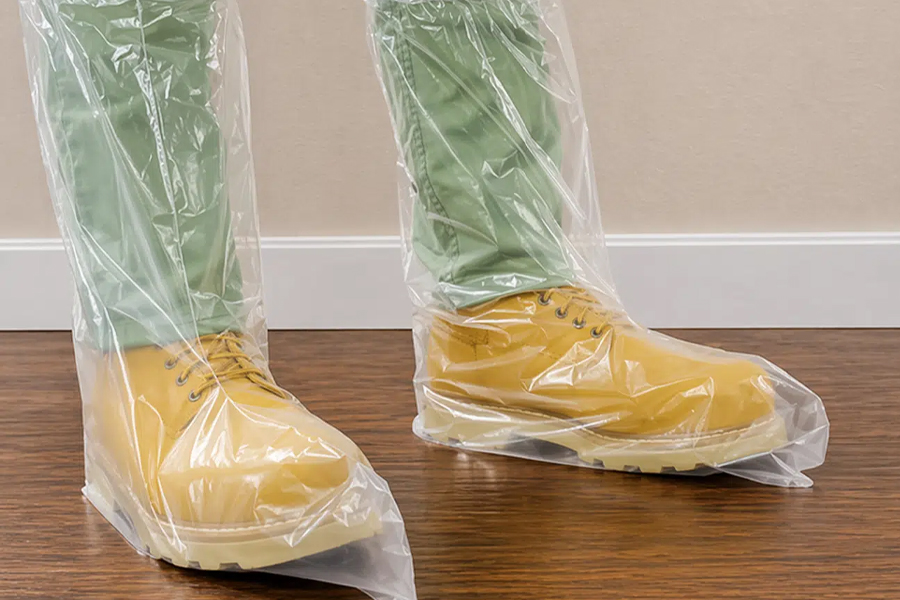
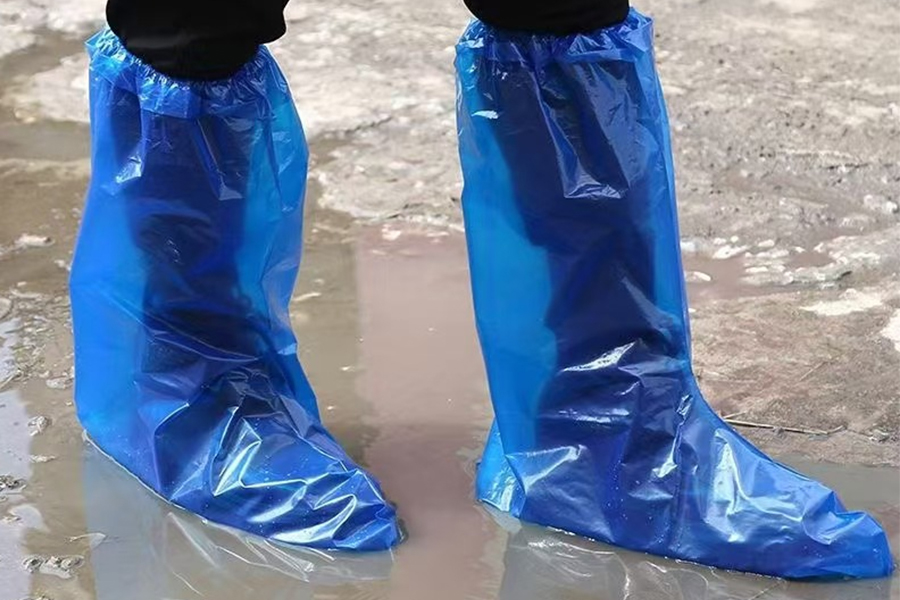
Disposable Plastic Boot Covers for Shoes and Work Boots
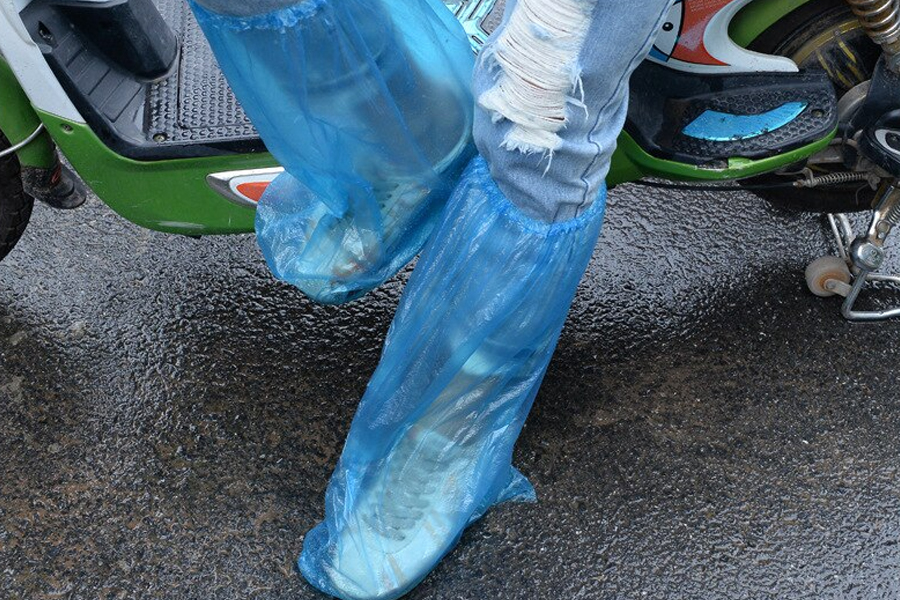
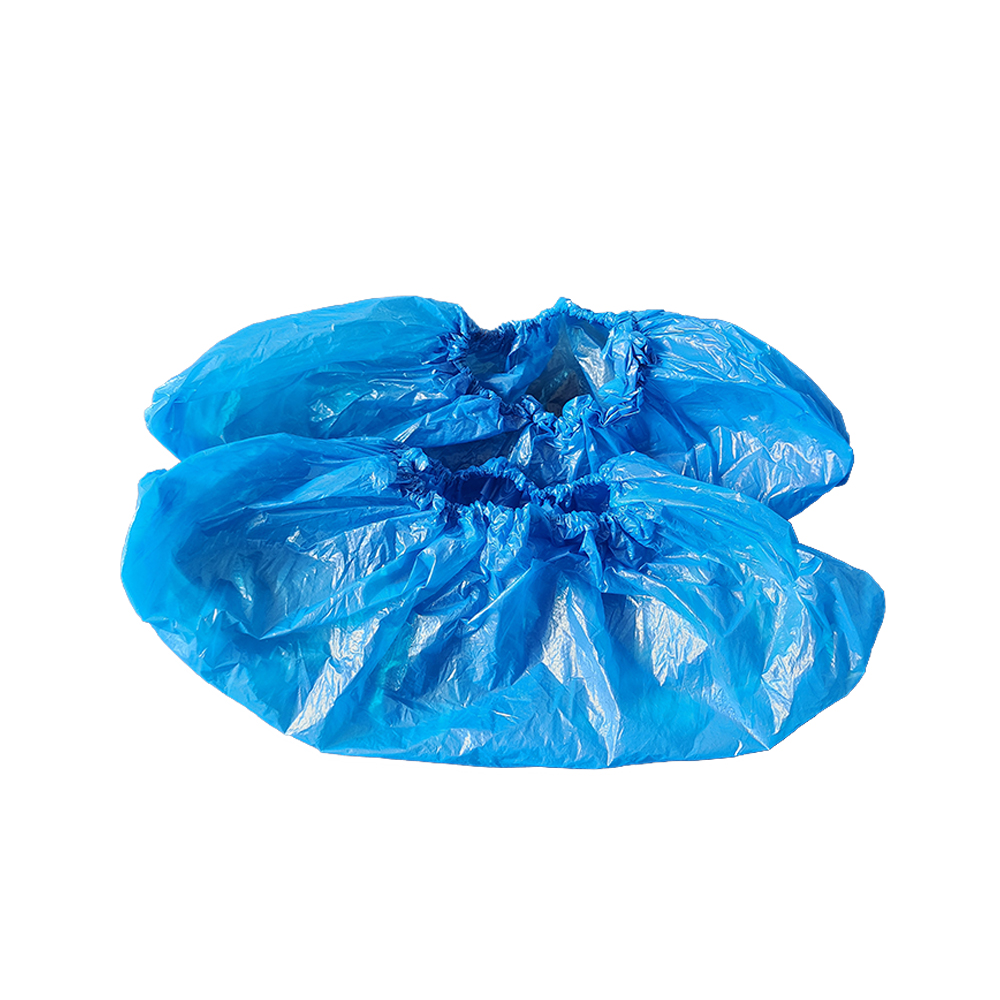
Disposable plastic boot covers are lightweight, single use protective coverings worn over a shoe or boot to help keep dirt, dust, mud, paint, and light moisture away from footwear, floors, and cleaner work areas. Common settings include construction, healthcare, laboratories, food-processing areas, factories, property service visits, and guest or visitor access. For bulk requirements, Request a Quote to confirm the right product, size, and pack.
What Are Disposable Plastic Boot Covers?
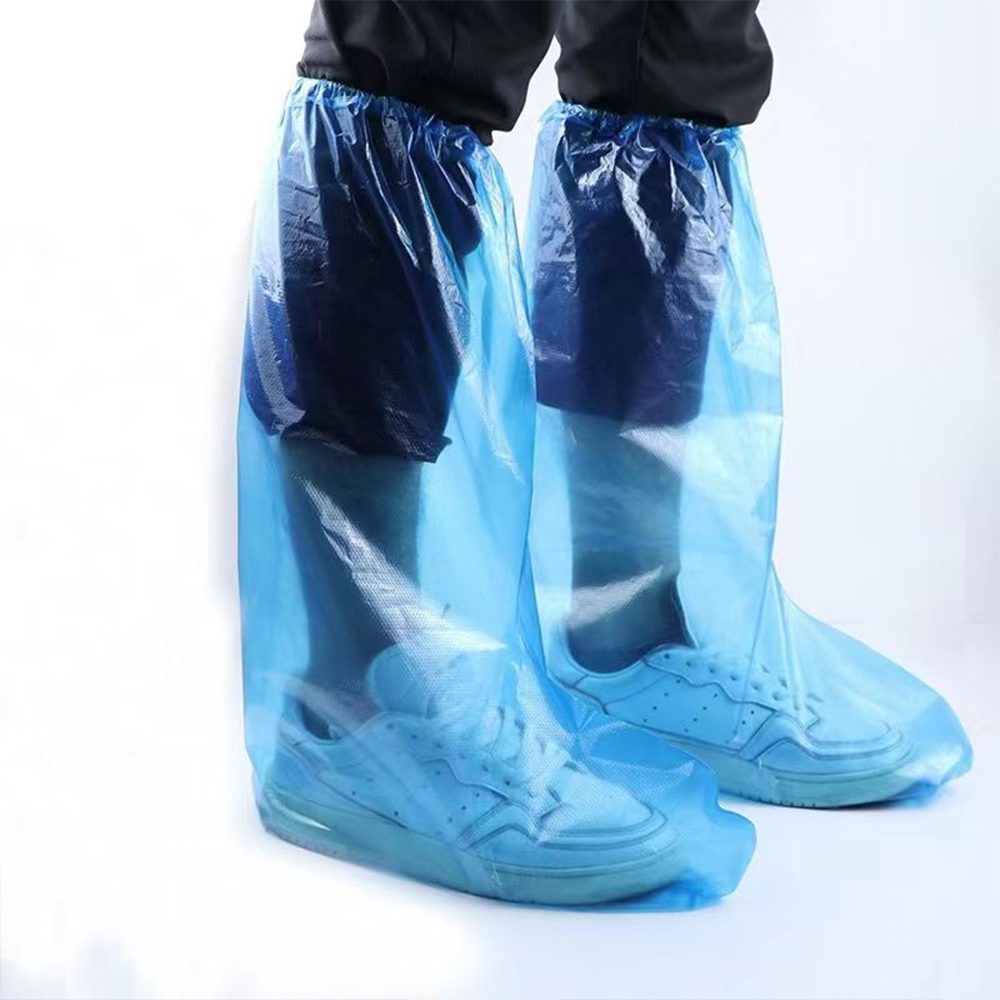
A disposable boot cover is worn over existing footwear as a temporary barrier between the boot shoe surface and the surrounding area. Unlike heavy-duty reusable protective boots, these products are intended for short-term hygiene and cleanliness tasks and are normally discarded after use.
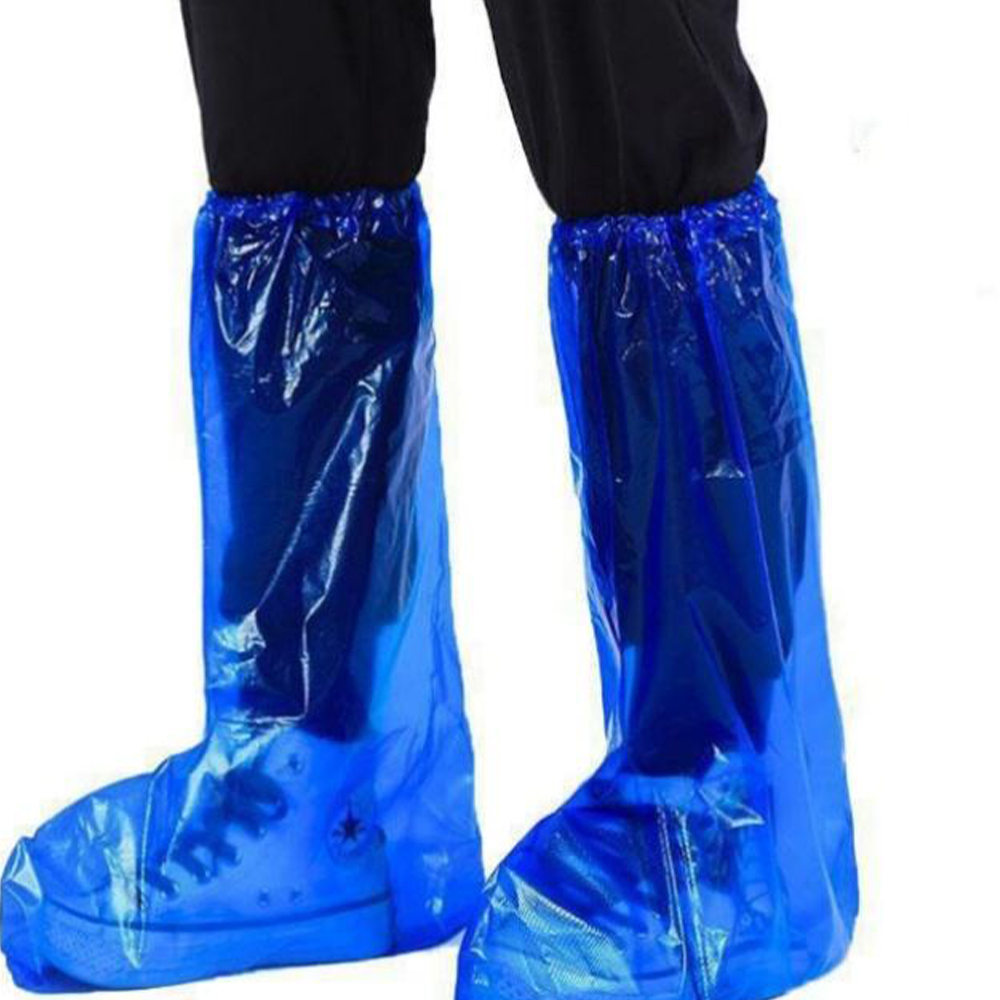
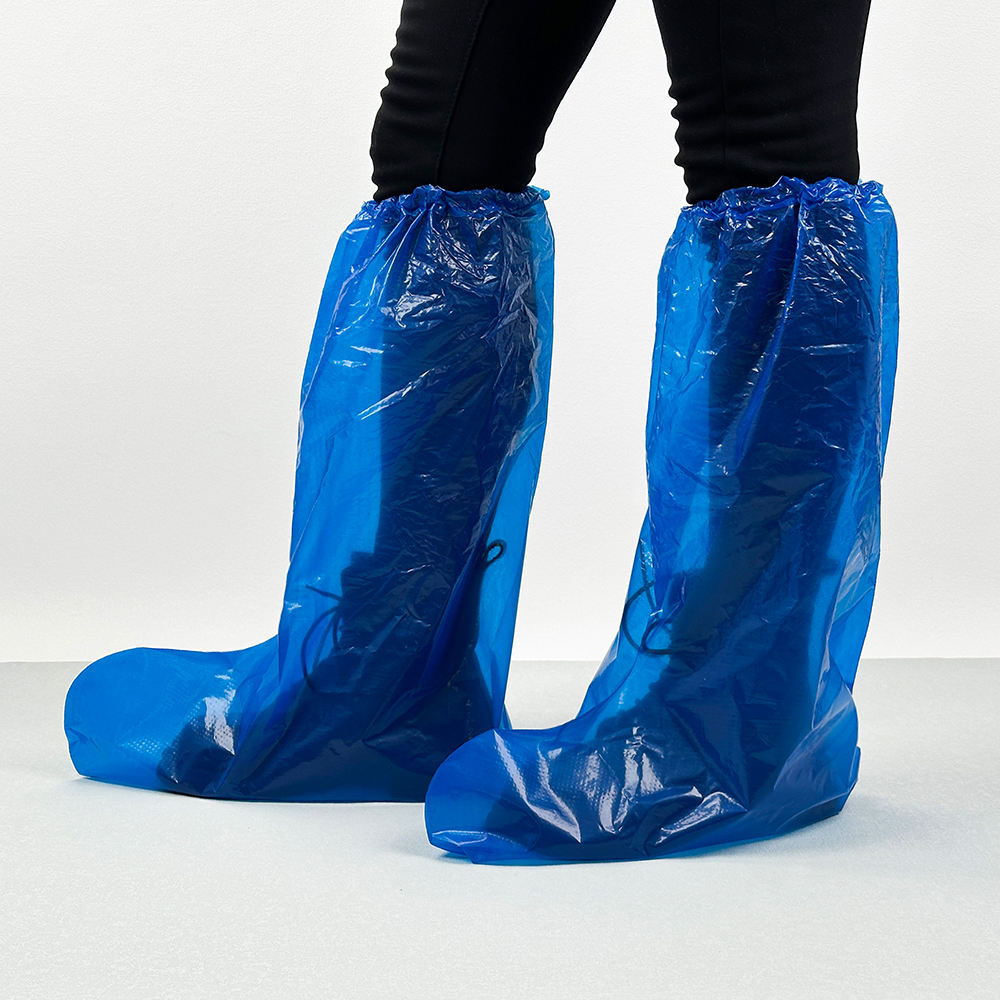
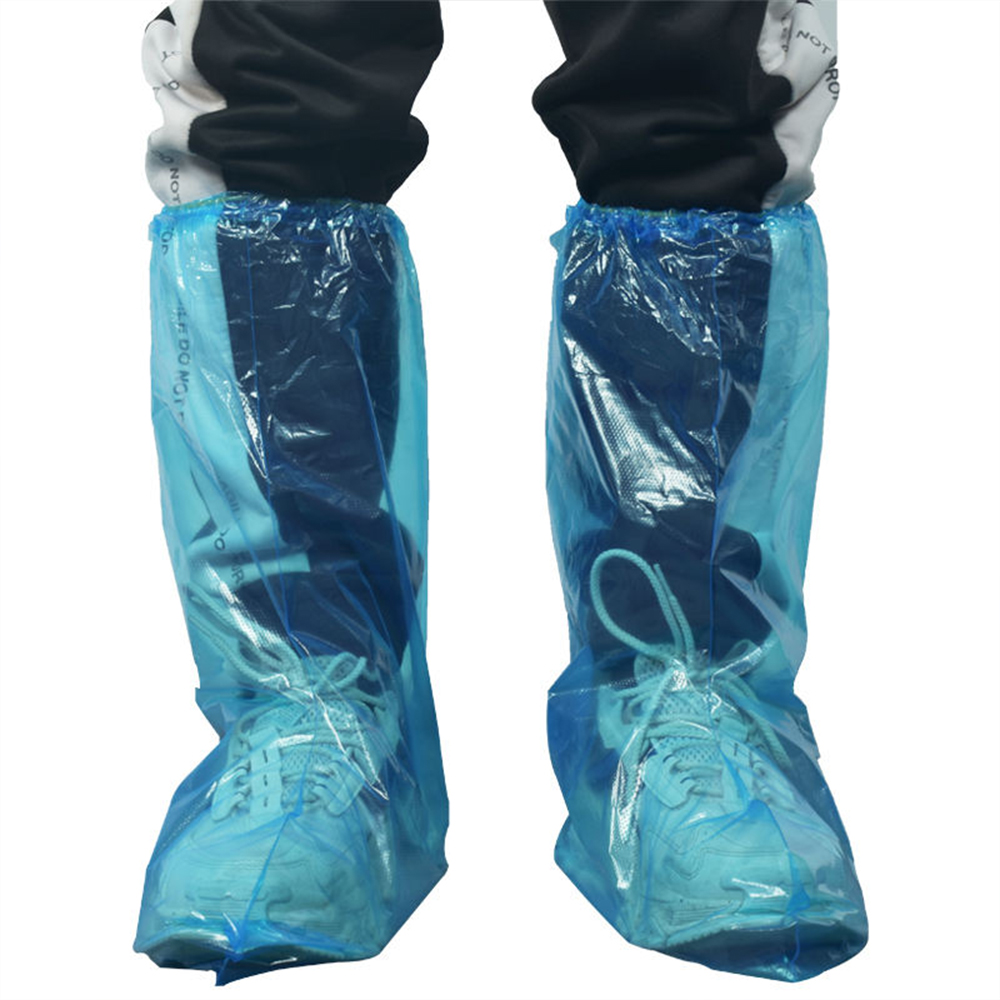
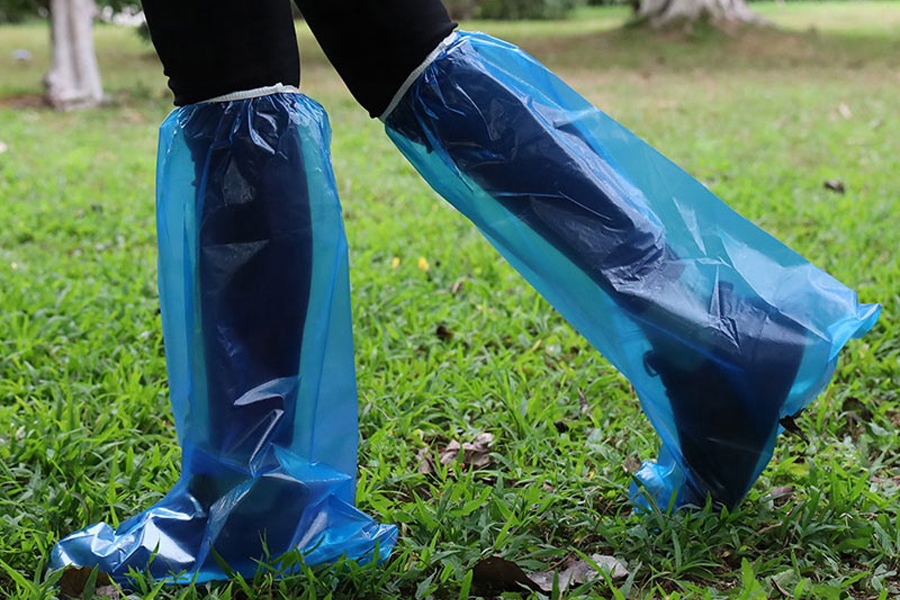
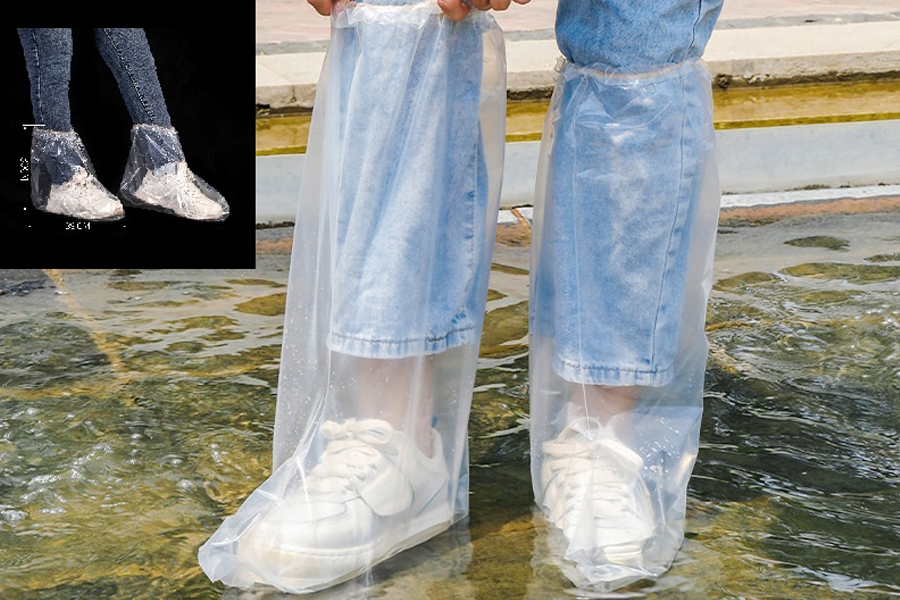
They can help reduce tracked-in debris without requiring workers or visitors to change footwear. A disposable shoe cover may suit low-cut footwear, while taller boot covers can provide extra coverage around work boots.
What Do These Covers Help Protect?
The main purpose is to help keep floors, cleaner zones, and footwear separated from everyday dirt, dust, mud, moisture, paint, and light splashes. This makes the cover useful where cleanliness matters but heavy hazard protection is not required.
Typical benefits include:
- Helping protect finished floors during maintenance, inspections, decorating, or construction.
- Reducing transfer of debris from footwear into controlled or cleaner spaces.
- Keeping a shoe or boot cleaner during messy, low-risk tasks.
- Supporting site hygiene for staff, contractors, security personnel, and visitors.
For safety-critical work, match the protector to the actual workplace hazard.
What Materials and Construction Should Buyers Compare?
Many plastic covers are made from lightweight polyethylene, including PE or CPE constructions. An elastic opening may help hold the product around the ankle or lower leg, while thickness and surface texture can affect feel and general durability.
Compare:
- Material type, including plastic, CPE, or a non-woven construction with a film layer.
- Thickness or fabric weight, where specified.
- Elastic design and seam construction.
- Smooth, embossed, or textured surfaces.
- Color options such as blue, white, or clear, where available.
A thick or durable-looking design should not be assumed to resist punctures or hazardous chemicals unless tested for that purpose.
How Should Boot Covers Fit, and What About Slip?
Fit depends on footwear dimensions, cover length, opening design, and the stated size range. “One size fits” is common wording in listings, but large work boots may require XL or another option from various sizes. Slip performance varies too. Some products are sold as non-slip disposable shoe covers, shoe covers non slip, or anti-slip styles because they use an embossed or textured sole. Confirm those features in the specification; a standard smooth plastic design should not be treated as slip resistant simply because it is disposable. If fit or traction matters, Contact Us with the footwear type and floor conditions.
Where Are Disposable Boot Covers Commonly Used?
Disposable shoe covers and boot covers are used across healthcare, laboratories, food-processing facilities, clean areas, factories, home service calls, property inspections, painting, maintenance, and general industrial work. They can also be practical for a shop, open house, or visitor route where outdoor debris should stay away from indoor surfaces. Choose the style according to the environment rather than assuming one product is perfect for every job.

How Should Boot Covers Fit, and What About Slip?
Fit depends on footwear dimensions, cover length, opening design, and the stated size range. “One size fits” is common wording in listings, but large work boots may require XL or another option from various sizes.
Slip performance varies too. Some products are sold as non-slip disposable shoe covers, shoe covers non slip, or anti-slip styles because they use an embossed or textured sole. Confirm those features in the specification; a standard smooth plastic design should not be treated as slip resistant simply because it is disposable.
If fit or traction matters, Contact Us with the footwear type and floor conditions.
Are They Waterproof, Dust Resistant, and Hygienic?
Standard plastic boot covers can help reduce contact with dust, dirt, mud, and light moisture, but performance depends on material, seams, thickness, and design. A listing described as waterproof or premium waterproof should be checked against its actual specification rather than treated as a universal feature.
Likewise, “waterproof and recyclable shoe booties” may describe a specific product or marketing claim, not the whole category. These products are not substitutes for rated chemical boots, puncture protection, or footwear designed for sharp objects and serious workplace hazards.
Single-use disposal can support hygiene practices when used as part of an appropriate site procedure.