Disposable Anti-Static Shoe Covers for ESD and Cleanroom Environments

Disposable Anti-Static Shoe Covers combine contamination control with static-control support for electronics production, laboratories, cleanrooms, and other controlled environments. Worn over everyday footwear, selected models use a conductive strip or static-control material to help manage electrostatic charge while limiting dirt and particles from shoes. Request a Quote for available materials, sizes, and bulk options.

What Are Disposable Anti-Static Shoe Covers?

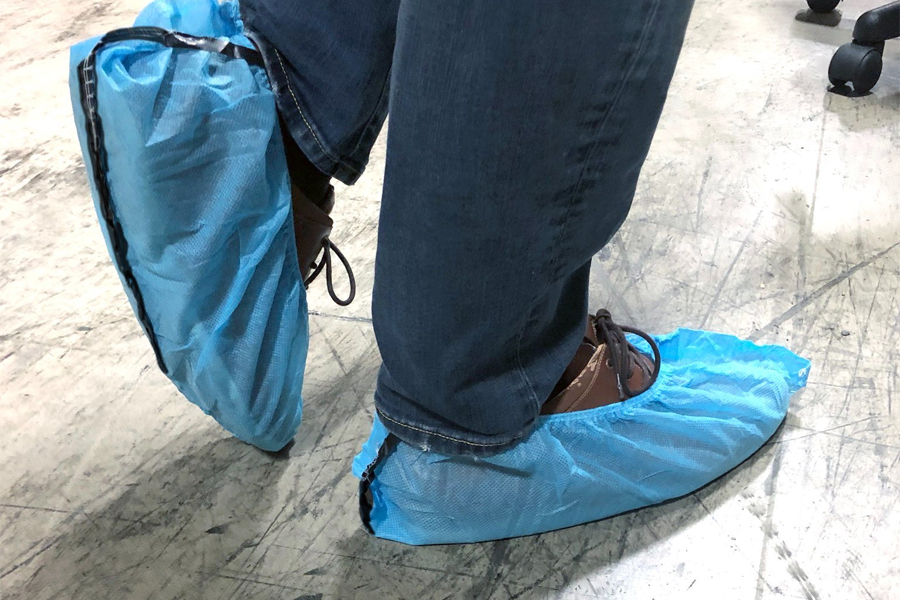
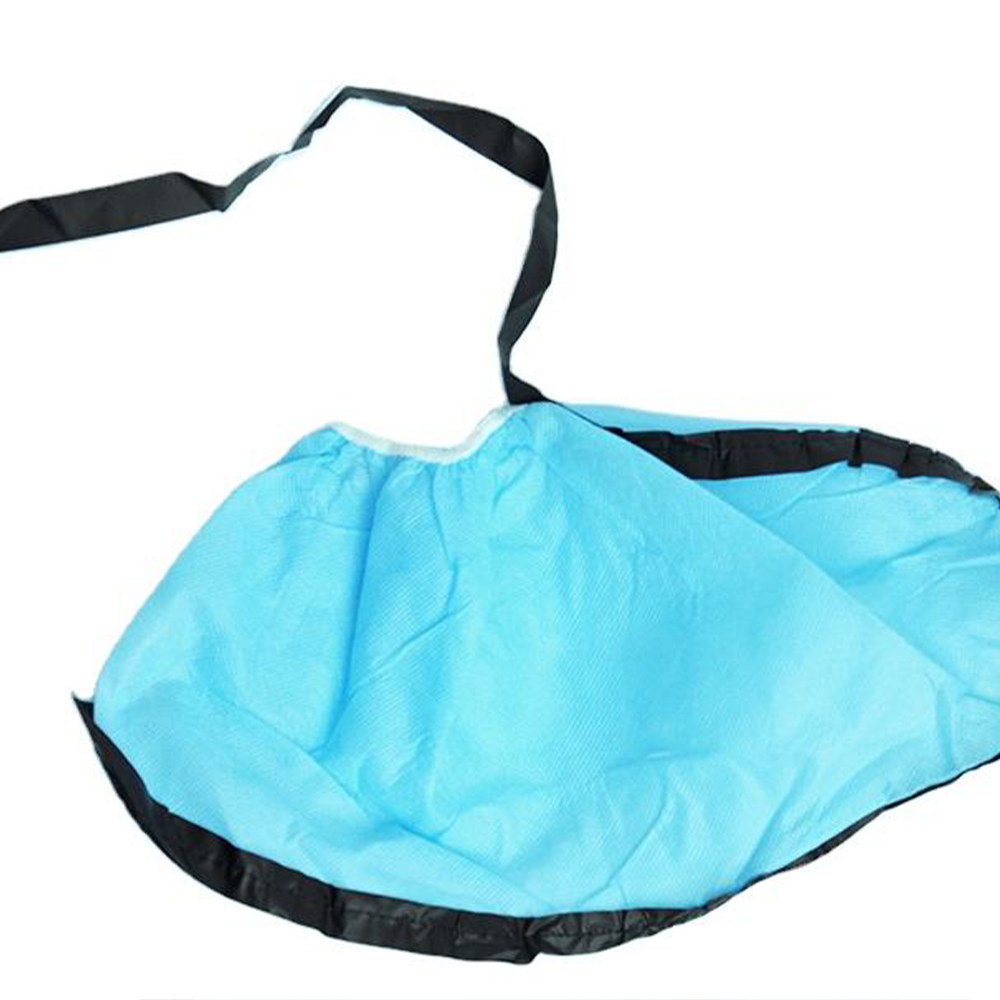
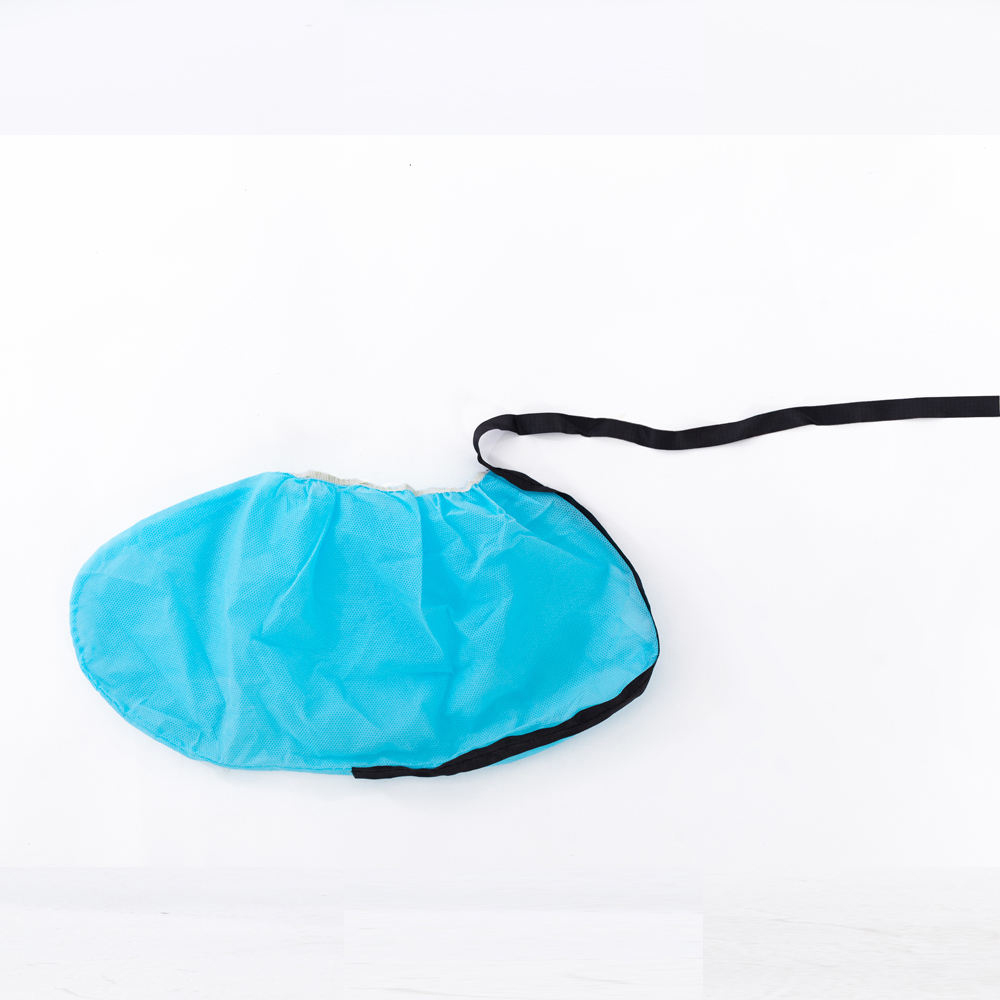
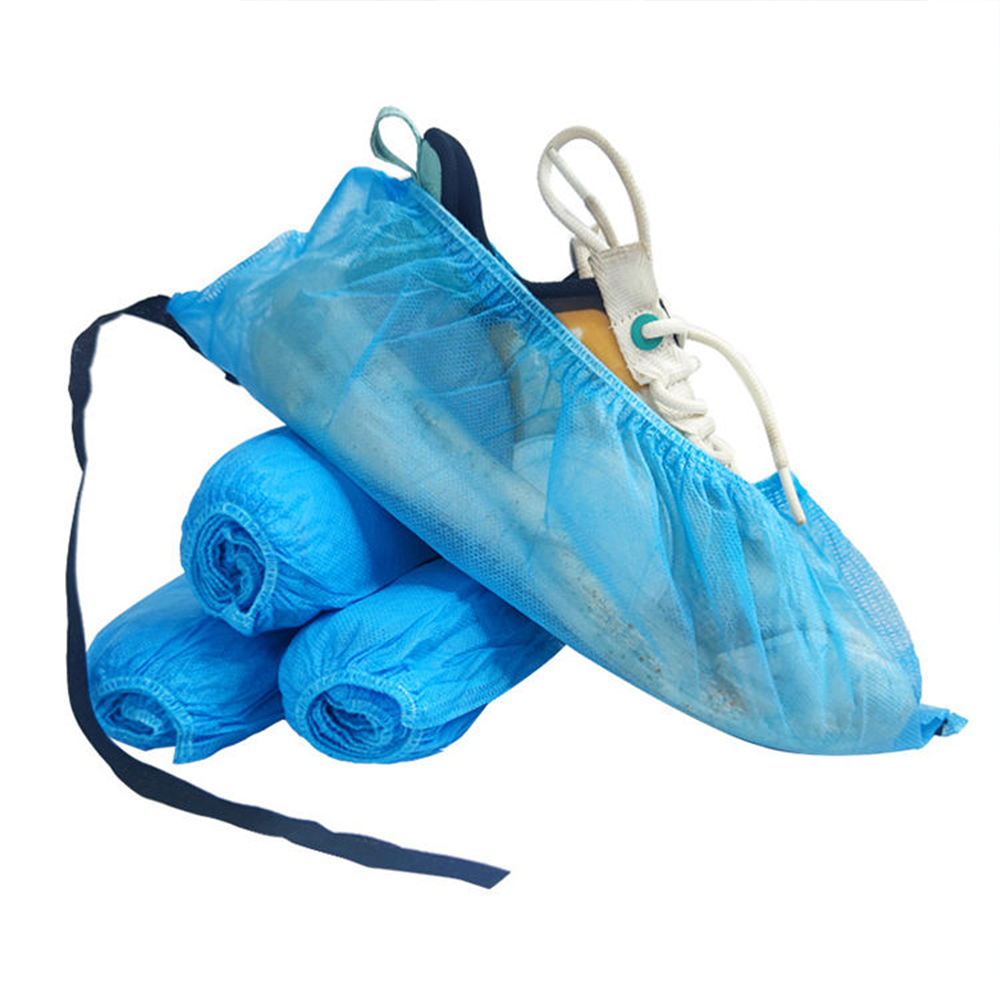
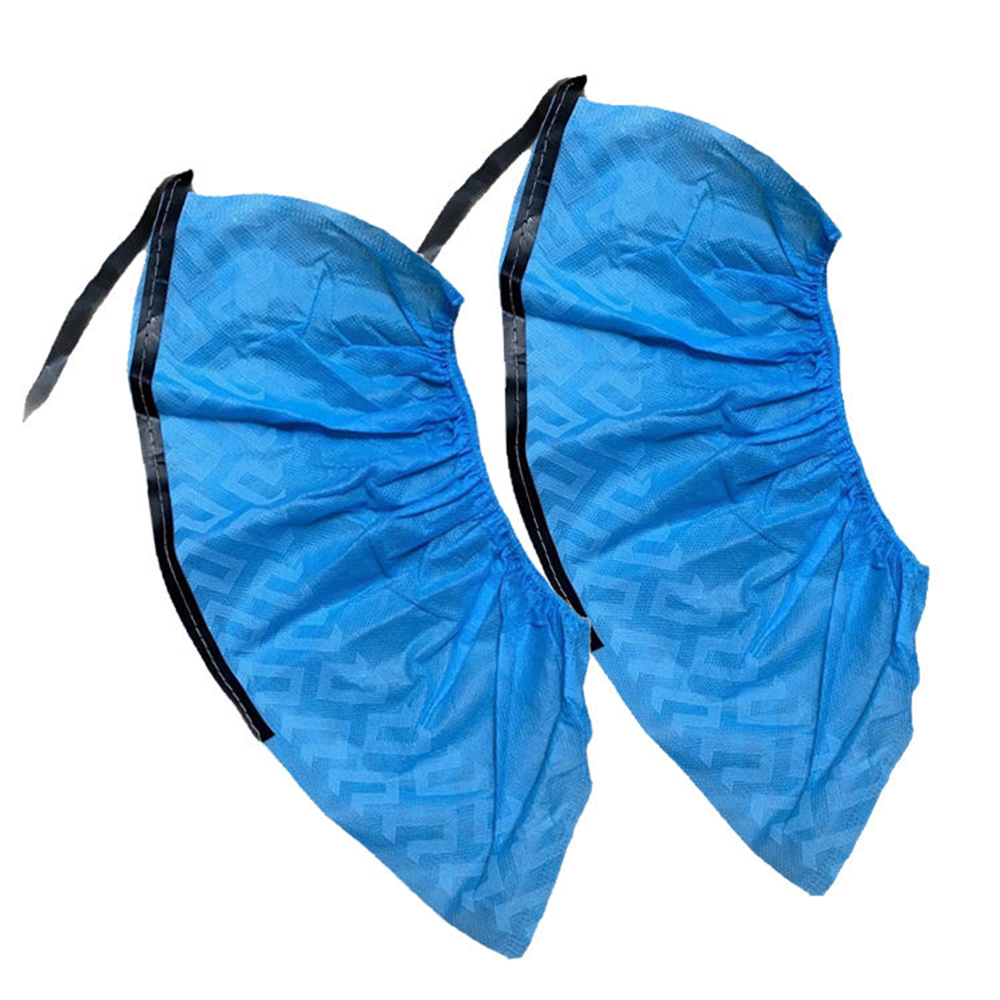
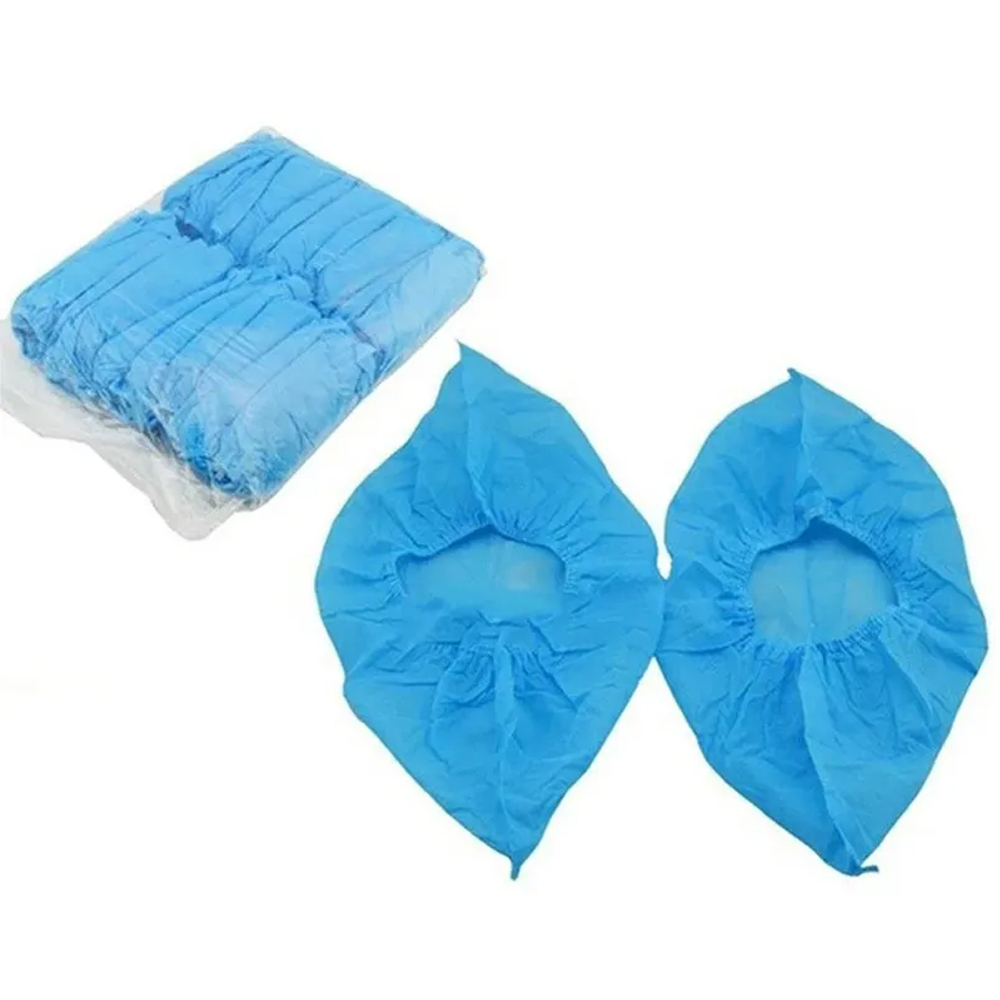
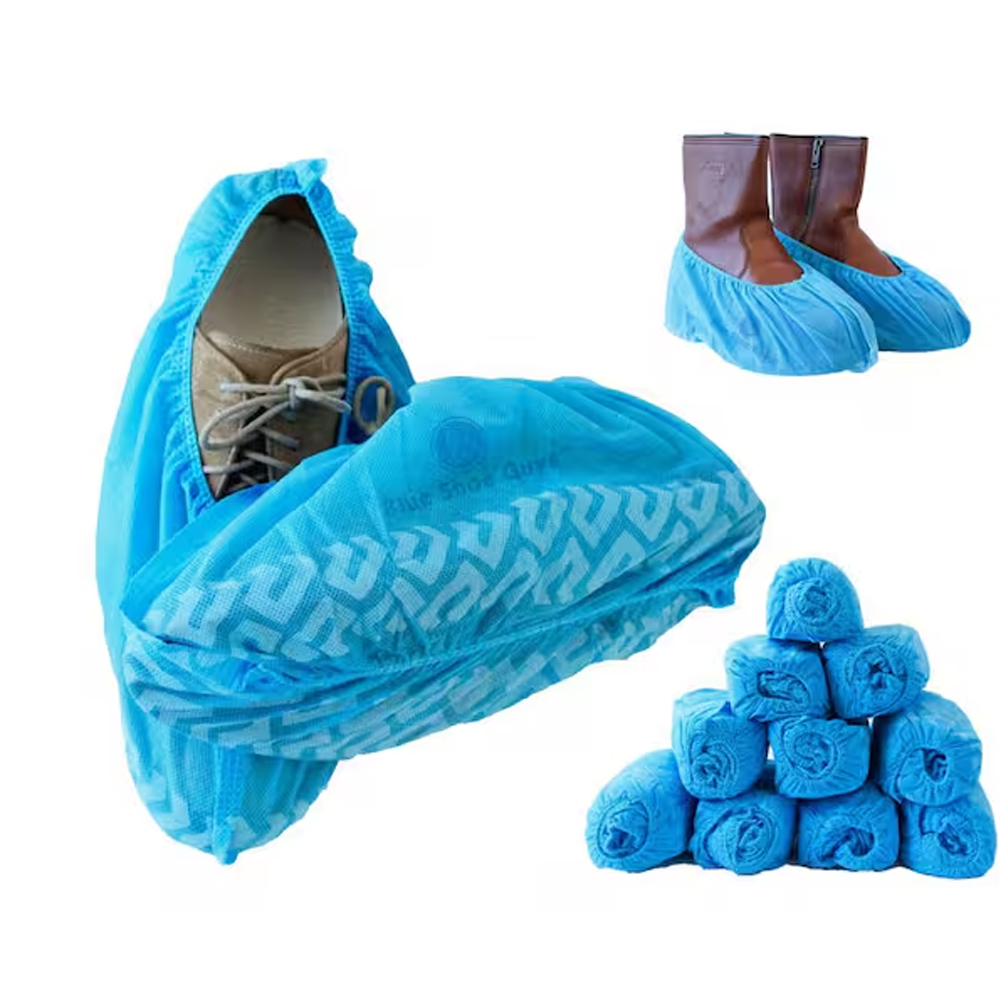
Disposable anti-static shoe covers are single-use footwear coverings for environments where cleanliness and Electrostatic Discharge (ESD) control both matter. Unlike ordinary disposable shoe covers, ESD versions may incorporate a conductive carbon ribbon, anti-static-treated fabric, or other conductive/static-dissipative components.

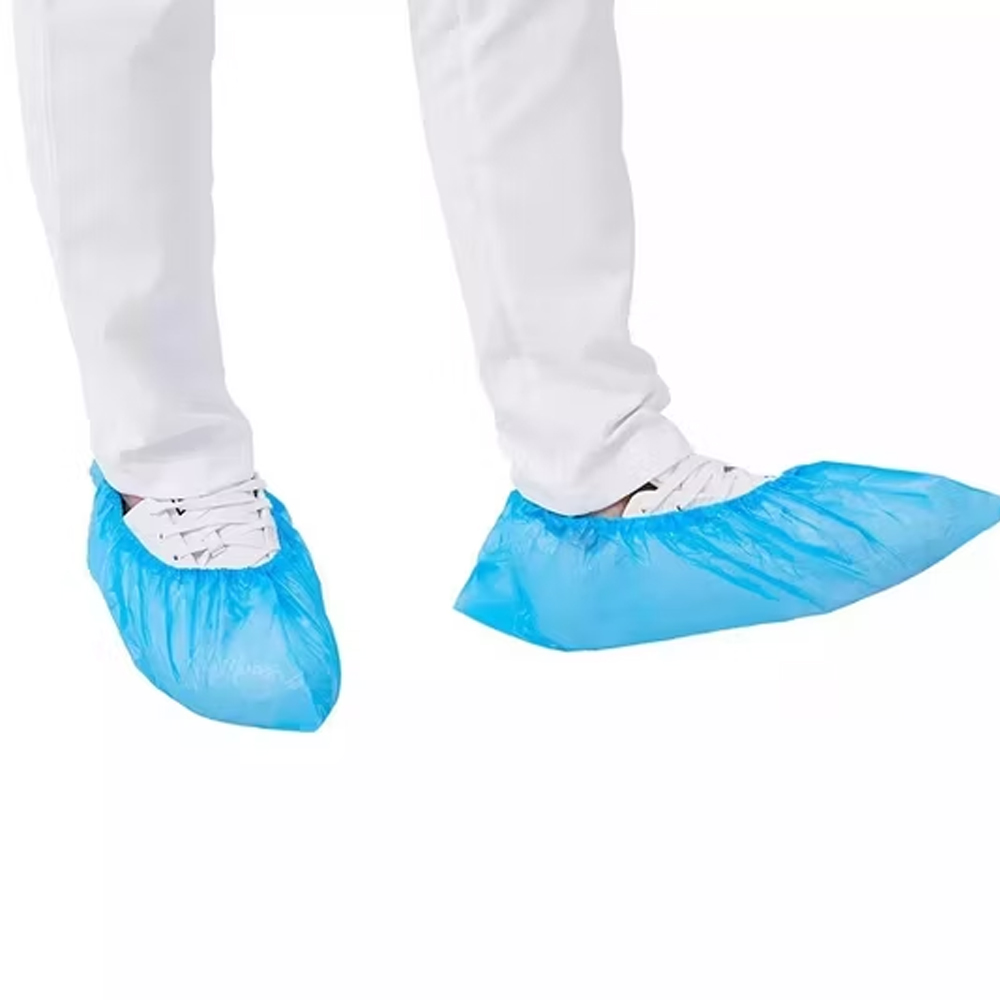
They fit over a shoe or boot to reduce contamination transfer while supporting the facility’s ESD control process. The exact static-control property depends on the selected model, so ordinary plastic shoe booties should not be treated as equivalent to verified ESD footwear.

Disposable Anti-Static Shoe Covers

How Do ESD Shoe Covers Help Control Static?

A conductive strip can form part of the electrical path between the wearer and compatible ESD flooring. It is positioned to contact the wearer through the shoe interior or moisture layer, then extend beneath the shoe cover toward the floor.

In simple terms: person → conductive strip → shoe-cover contact area → grounded ESD floor → charge dissipation. Actual performance depends on the complete person/footwear/floor system, correct wear, contact quality, and the facility’s ESD control program.

Key Features and Practical Benefits

Depending on the item and construction, features may include:

  • Conductive strip or static-dissipative component for ESD support
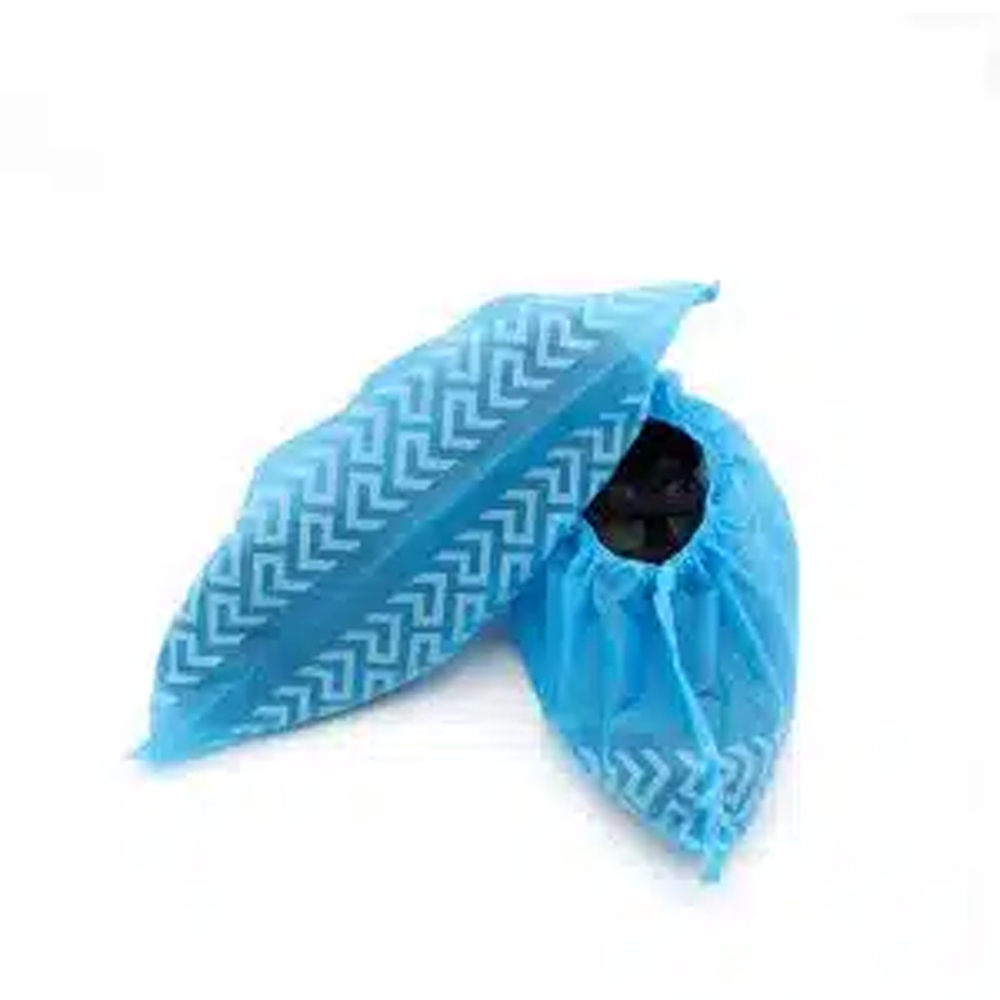
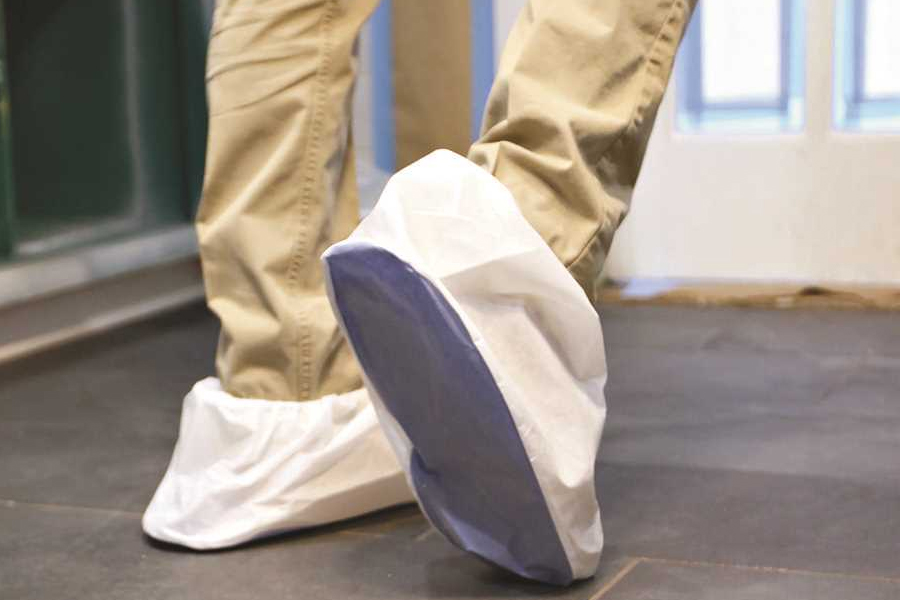
  • Non-skid, anti-skid, or skid-resistant sole treatment for traction
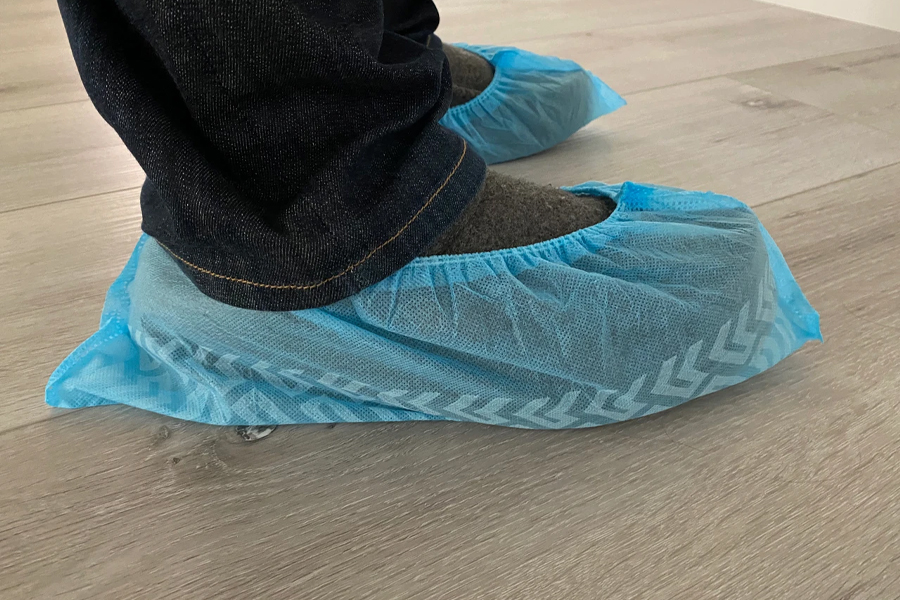
  • Elastic ankle opening for a secure fit and easy to put on design
  • Lightweight disposable construction for guest or production use
  • Non-woven covering that helps contain dirt and particles from footwear
  • Seamless or low-seam designs, depending on the model
  • Optional barrier materials for light splash or wet conditions

Slip resistance, contamination control, liquid resistance, and ESD performance are different properties. Check each requirement separately.

Disposable Anti-Static Shoe Covers

Where Are Anti-Static Shoe Covers Used?

ESD shoe covers are used where personnel may carry contamination or electrostatic charge into sensitive work areas. Typical applications include:

  • Electronics assembly and component handling
  • PCB and SMT production
  • ESD Protected Areas (EPAs)
  • Cleanroom and controlled-environment operations
  • Laboratories and scientific facilities
  • Industrial manufacturing and quality-control areas
  • Selected medical or healthcare settings where specifications are suitable
  • Visitor or guest access to controlled production areas

These uses align with the electronics, laboratory, cleanroom, controlled-environment, and industrial applications identified in the product brief. They do not replace a facility’s ESD program, cleanroom gowning procedure, or chemical protective footwear where those controls are required.

Which Shoe Cover Material Is Right for Your Environment?

Spunbond polypropylene (PP) is a common lightweight choice where breathability and particle containment matter. Some polypropylene shoe covers are made from soft non-woven material for industrial, scientific, or clean manufacturing areas.

Microporous polyethylene/PE laminate combines a film layer with a fabric substrate. Compared with basic PP, it can provide a stronger barrier against dry particles and light liquid exposure, although breathability and durability vary.

CPE or LDPE-based coverings can offer more water-resistant protection where splash or surface moisture is a concern. They may feel less breathable than fabric-based options. A PE coat, seam design, anti-skid pattern, and material thickness also affect performance.

If waterproof performance is essential, verify the technical data rather than assuming it from the material name. Ask for Specifications before choosing a breathable or heavy-duty style.

Disposable Anti-Static Shoe Covers