Disposable Shoe Covers with CPE Sole
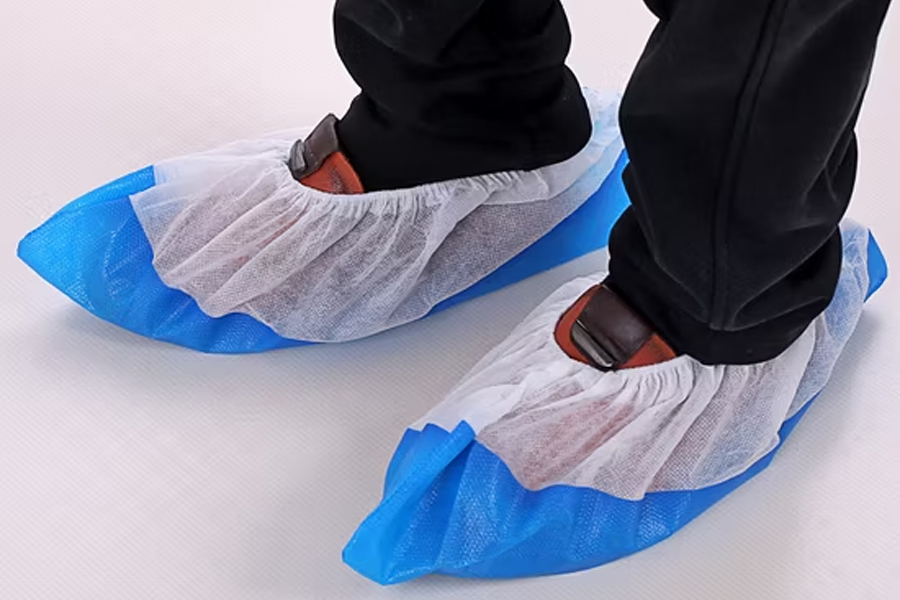
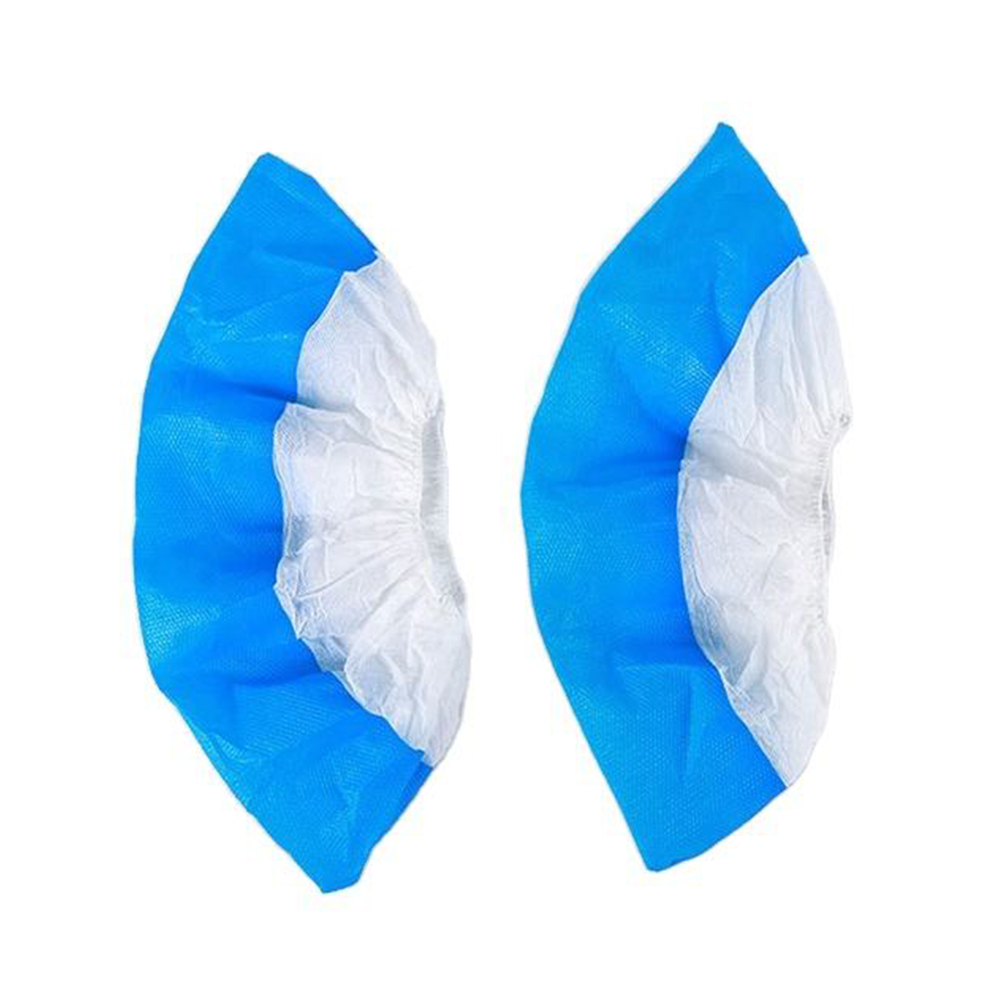
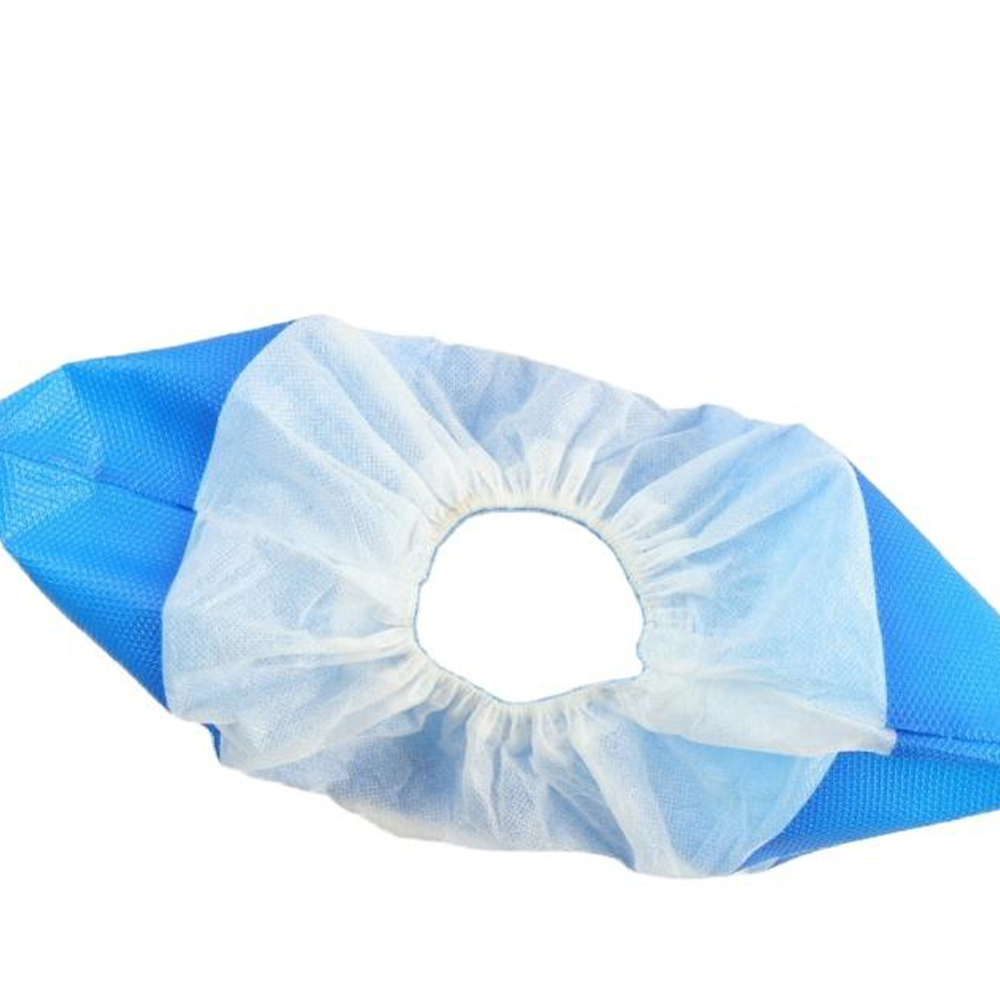
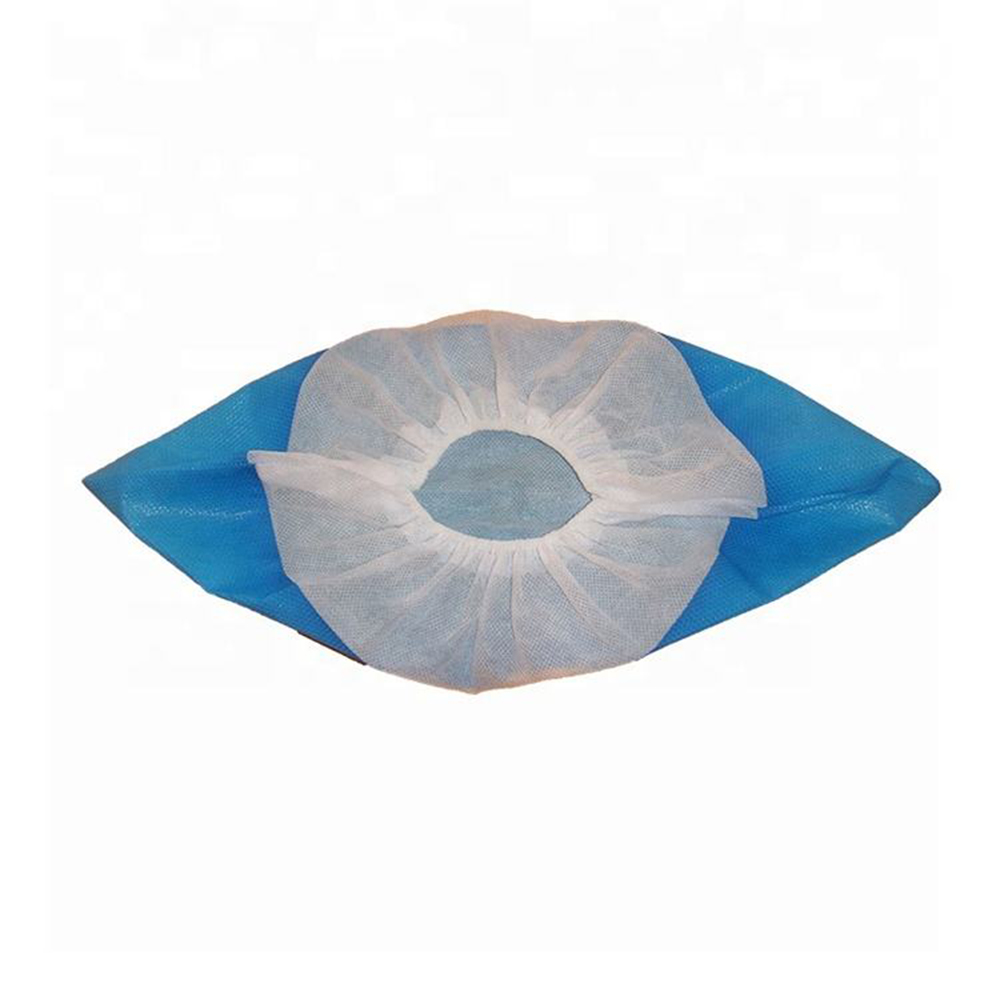
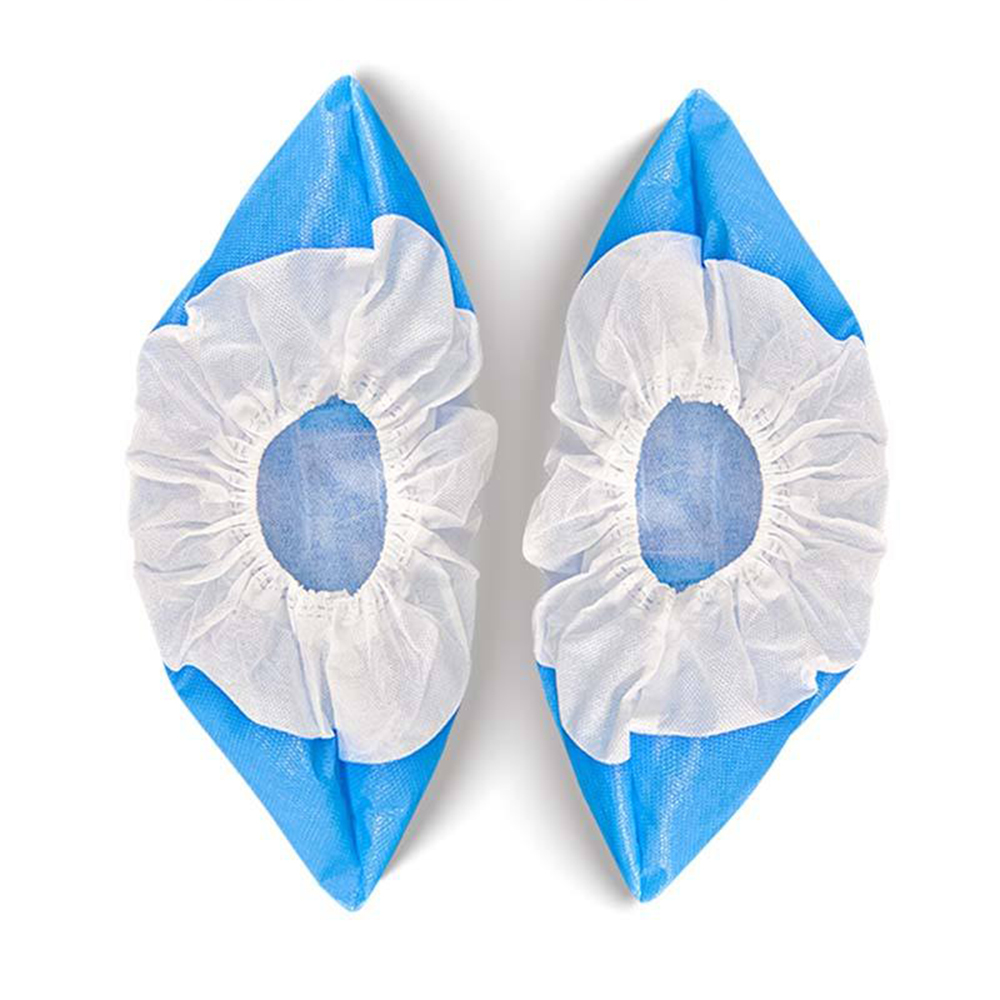
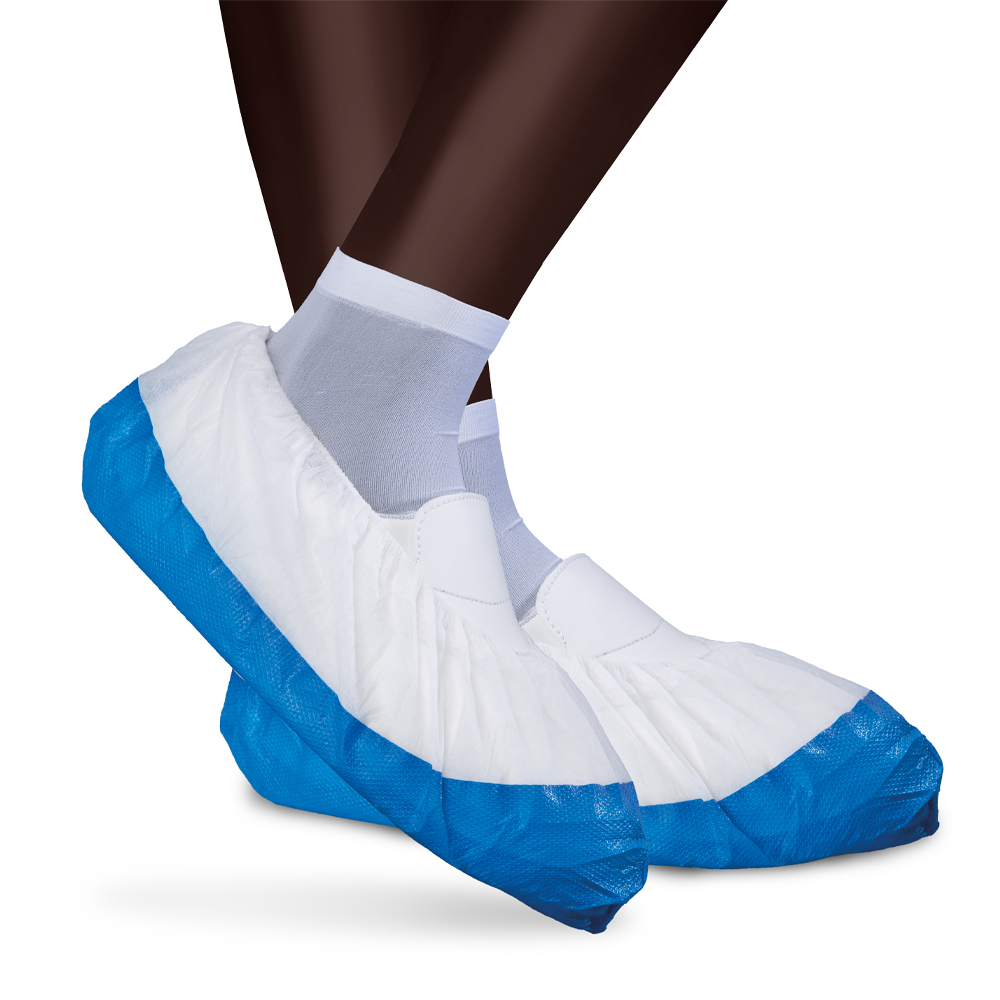
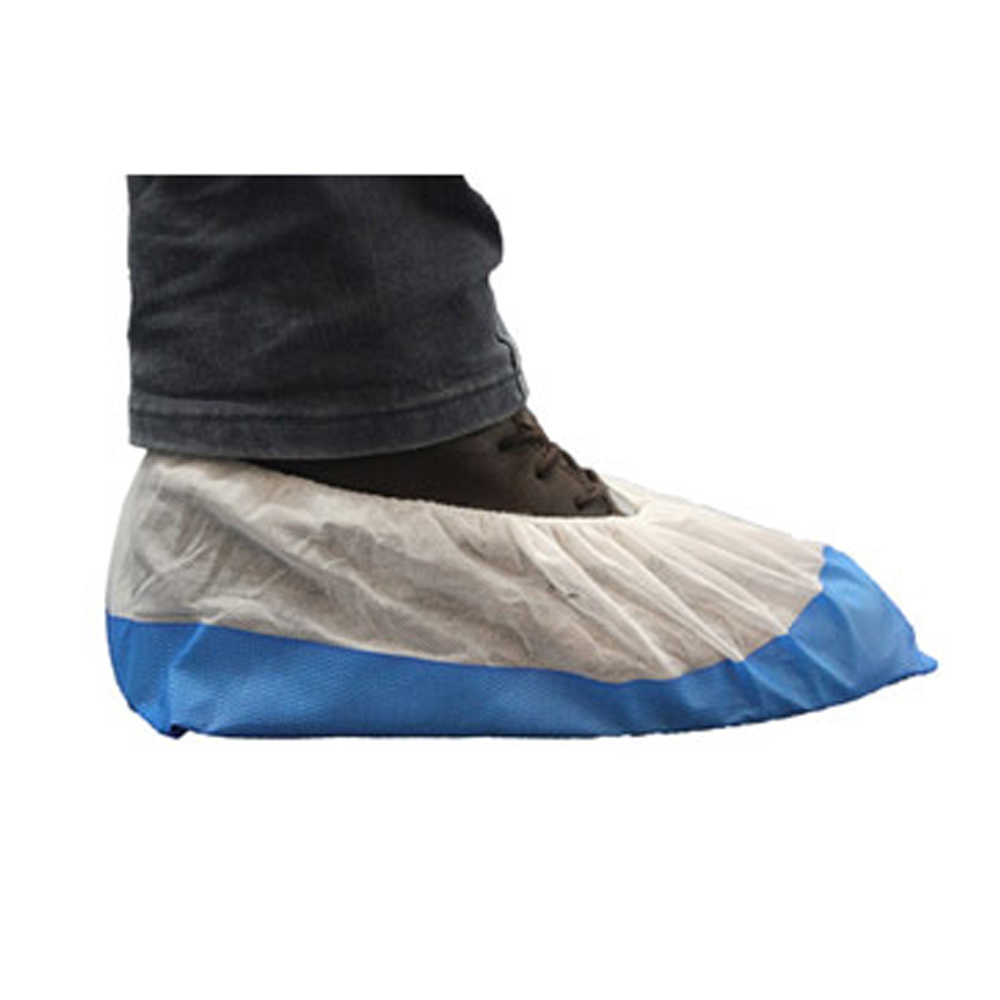
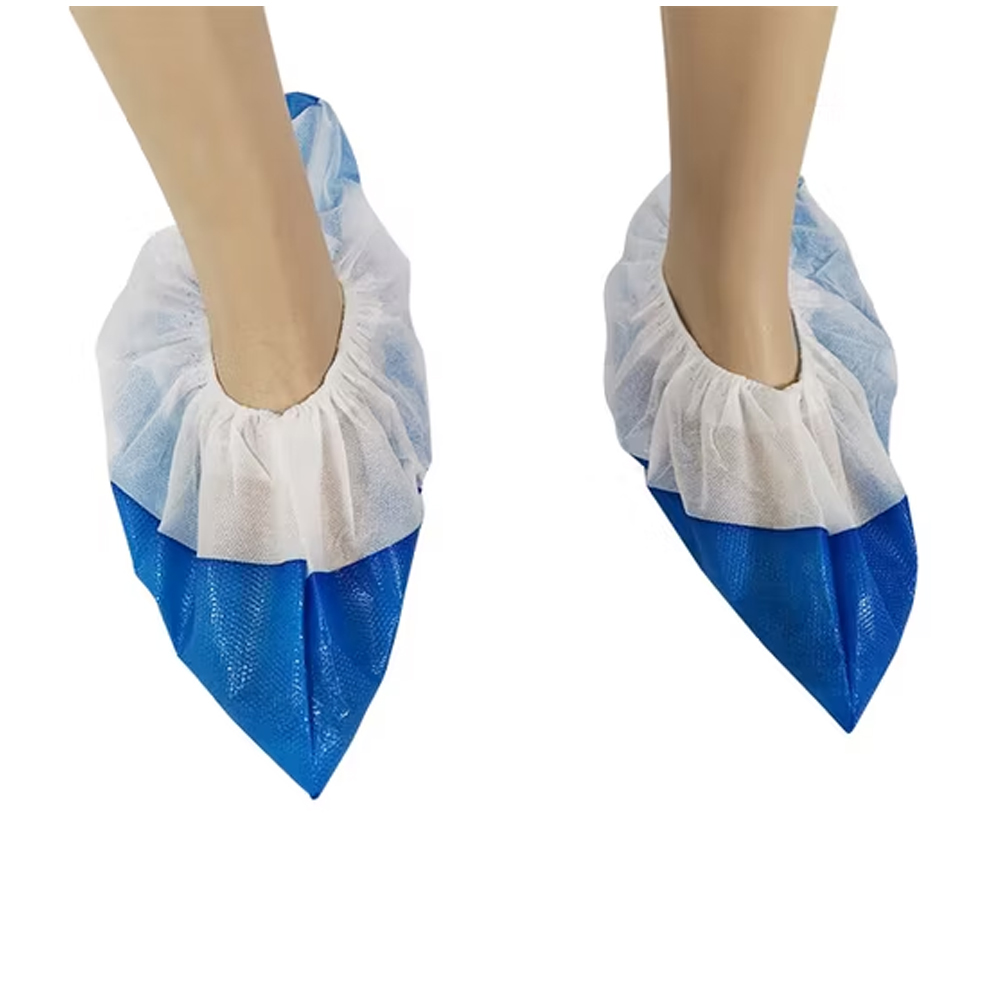
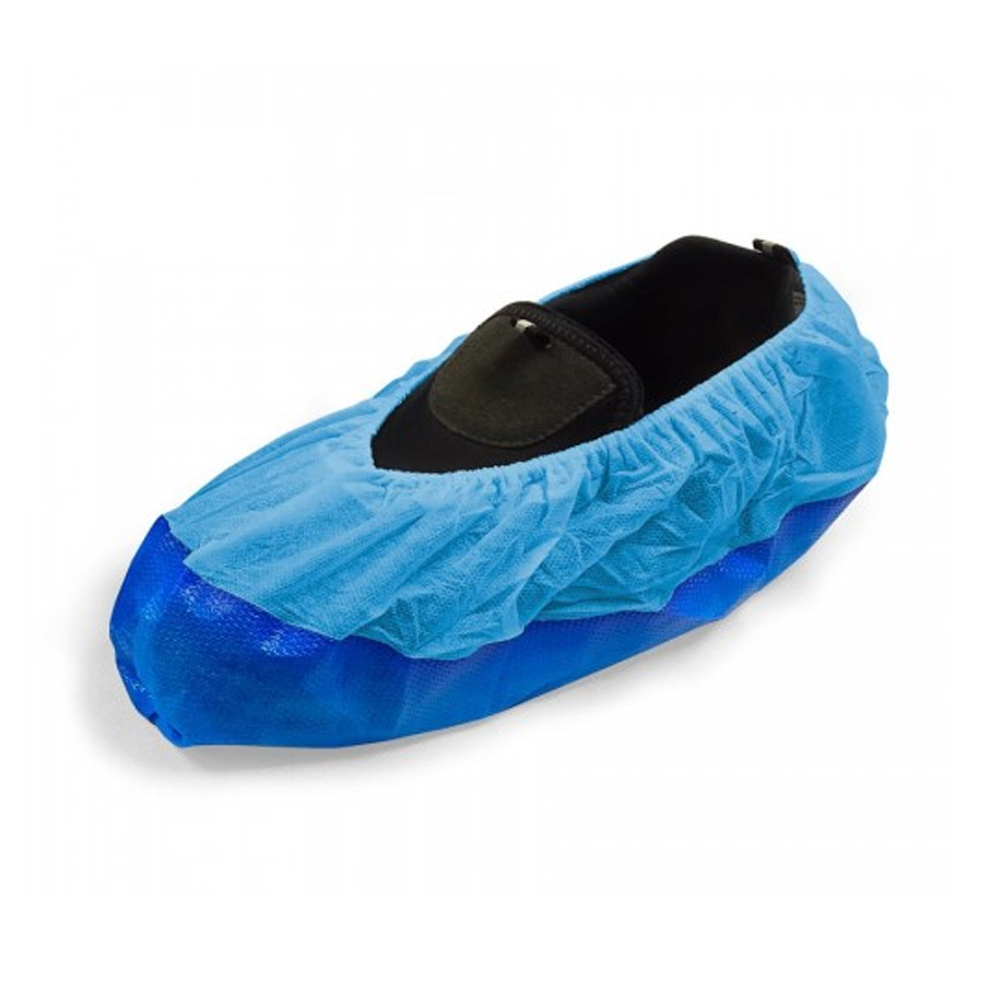
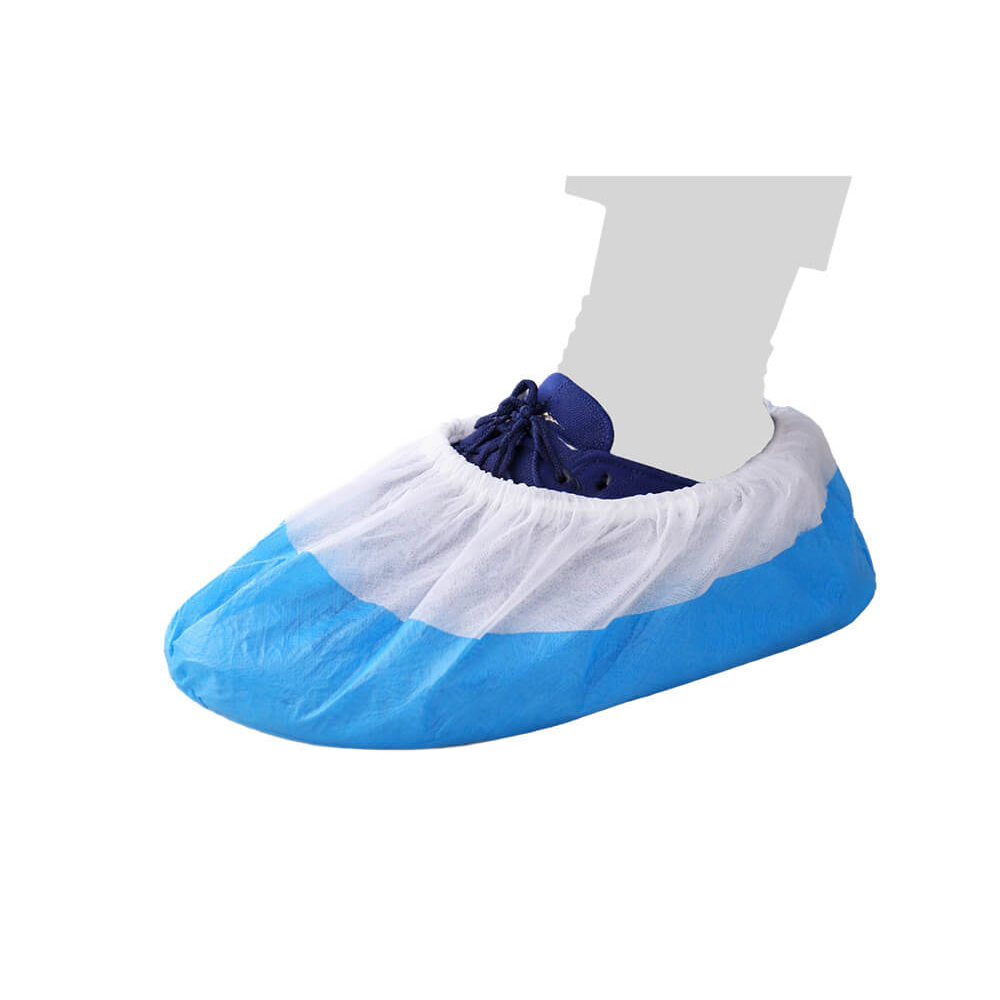
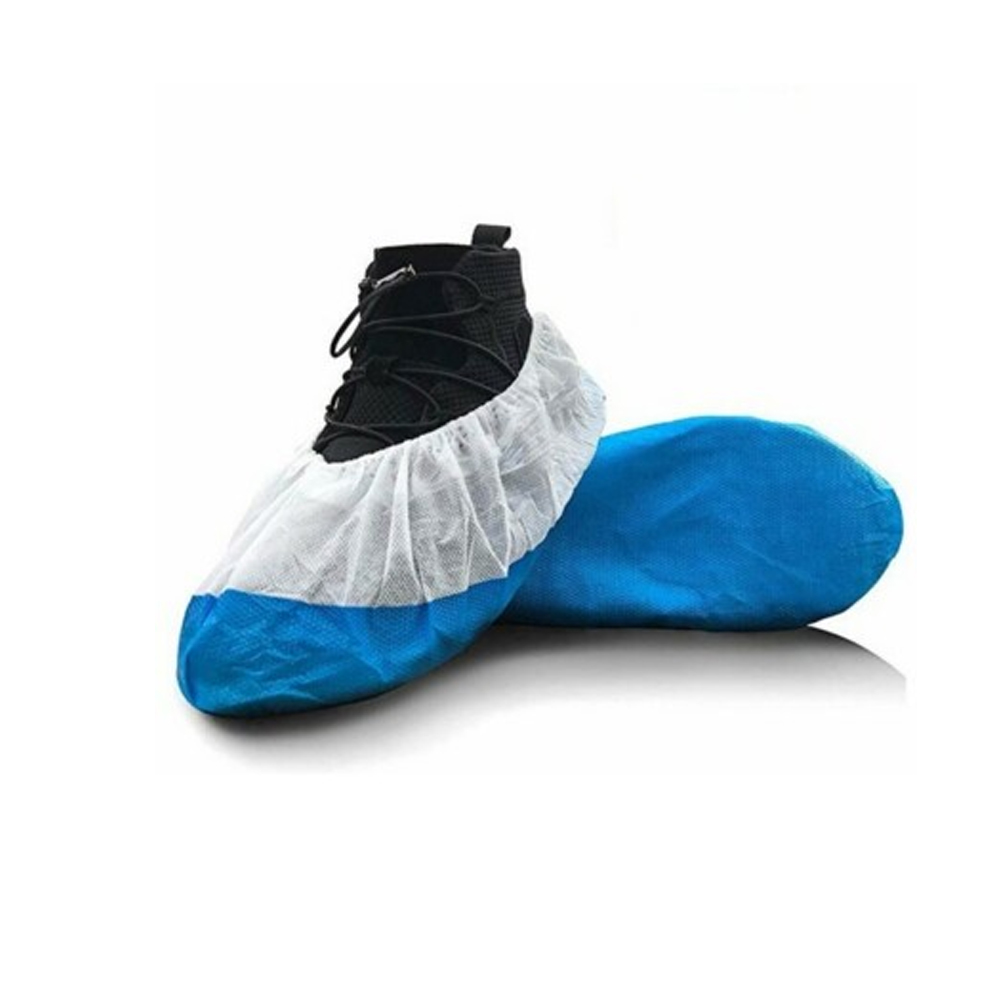
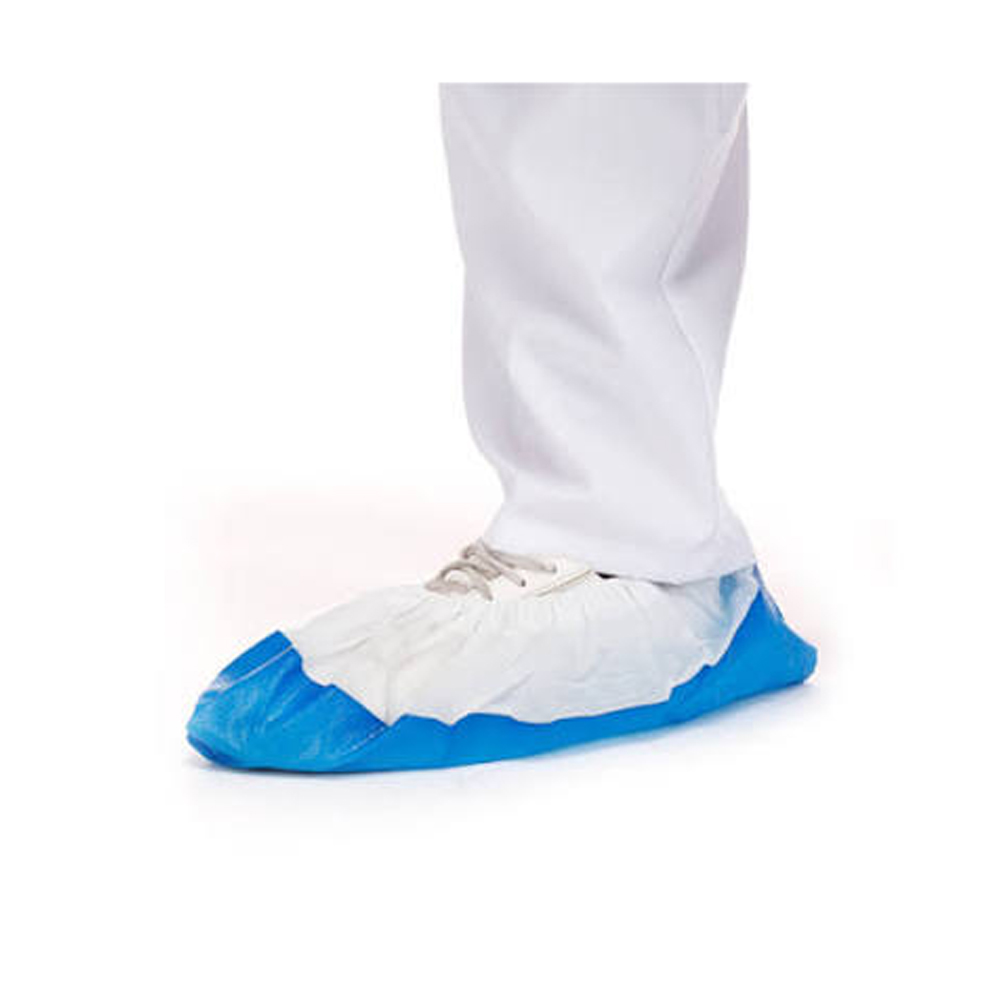
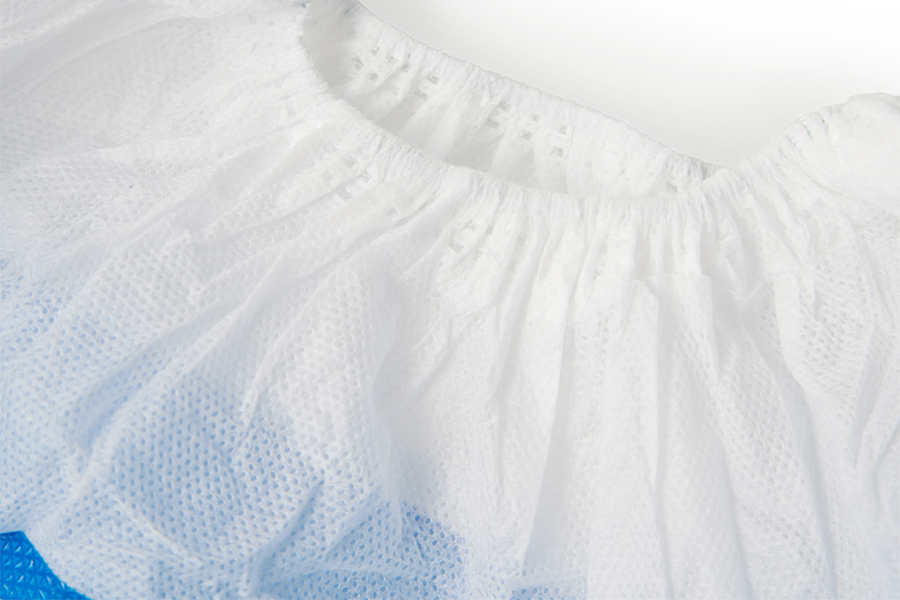
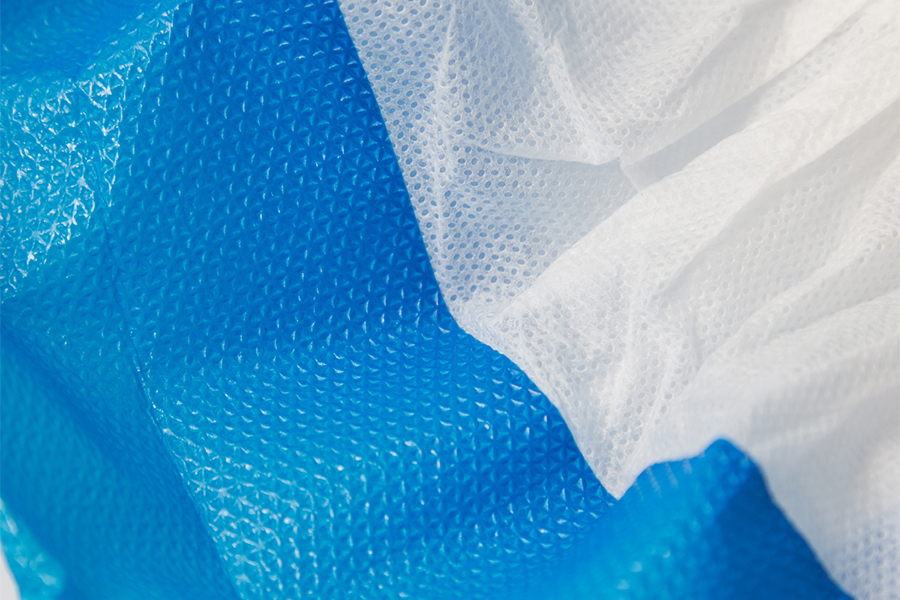
These dual-material covers use a lightweight, breathable non-woven polypropylene upper and a waterproof CPE material sole. The upper reduces the enclosed feel of an all-plastic cover, while the sole creates a moisture barrier where the shoe meets the floor. This construction offers practical protection against tracked dirt and contaminant transfer without covering the entire foot in film. Request specifications, available sizes, samples, quantity options, or bulk pricing for your application.
What Is a CPE Shoe Cover?
This dual-material shoe protector combines fabric-like material above the sole with film at the bottom. The lower layer is designed to protect the contact area from wet surfaces, while the upper remains more open to air than a fully filmed style.
This distinction matters: the waterproof claim applies primarily to the sole, not automatically to the complete cover.
Why Choose a PP Upper with a Waterproof Sole?
This design is useful when buyers want a balance between comfort and surface coverage. The PP upper feels less enclosed than a full plastic bootie, while the sole handles the area most likely to contact damp flooring.
For routine movement between rooms, the mixed-material design can also reduce bulk while keeping the shoe-contact area covered.
Do Textured Soles Improve Non-Slip Traction?
A textured or embossed sole can improve grip, but it should never be treated as slip-proof. Waterproof shoe covers and non-skid covers describe different performance needs: liquid control is not the same as slip resistance. Textured CPE shoe-cover surfaces are also used commercially for improved grip.
If a supplier describes the product as water resistant, confirm exactly which area that claim covers. Also ask about the sole texture and emboss pattern when slippery tile is a concern.
How Do Elastic Covers Fit Different Shoe Sizes?
An elastic top helps hold the cover around the ankle and supports quick donning over a sneaker or common work shoe. Fit should still be checked against actual product dimensions, especially when users wear larger or bulkier footwear. Do not assume one size suits every user. Check each shoe cover specification and ask for the stated fit range before ordering for a mixed workforce.
Where Are These Shoe Covers Used?
These shoe covers provide a simple hygiene layer for healthcare, lab, cleanroom, facility maintenance, building handover, property service, and general workplace routines. They can support contamination control by helping prevent outside debris from being carried into a controlled environment. Comparable CPE footwear products are marketed for laboratory, cleanroom, industrial, medical, contractor, and residential-service applications. For work environments involving chemical exposure or pathogen protocols, confirm that the selected protective cover meets your site requirements. Do not infer certification, sterility, or medical approval from the product category alone.
How Do They Compare with Other Disposable Boot Options?
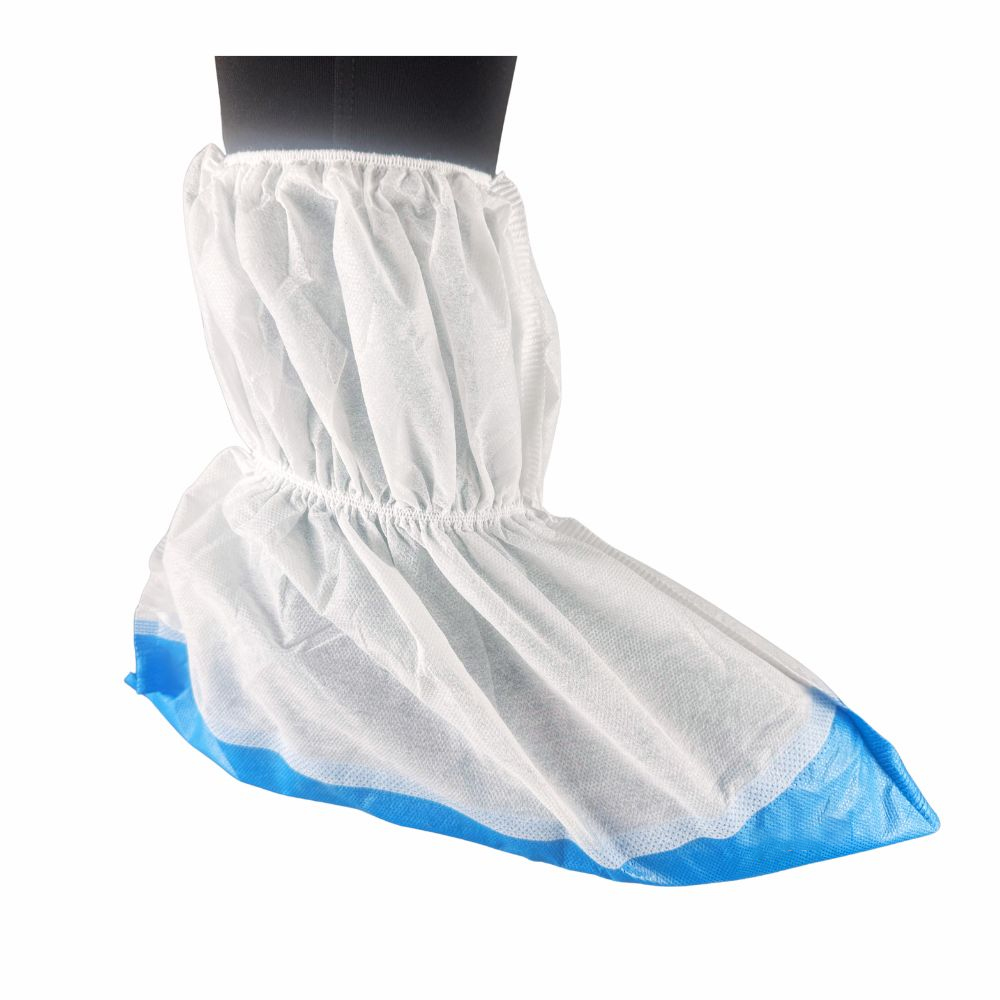
Standard polyethylene covers, PVC and vinyl styles, microporous materials, and laminate products can offer different balances of comfort and liquid coverage. An all-CPE version prioritizes film coverage, while the PP-plus-sole format focuses film where it is most needed.
A boot or boot cover extends higher than a standard shoe style. For heavy duty tasks, buyers may prefer a thicker, more durable duty shoe cover after reviewing the actual specification.
What Should Buyers Check for Durability, 50 Pack, or 100 Pack Orders?
Check dimensions, elastic style, sole design, color, and quantity per pack or case. Those pack labels may refer to individual pieces rather than each pair, so confirm the counting method before purchase.
If you need blue disposable shoe covers, verify the color and pack format. For high-quality disposable shoe covers, compare documented materials and intended use instead of relying on broad marketing labels.