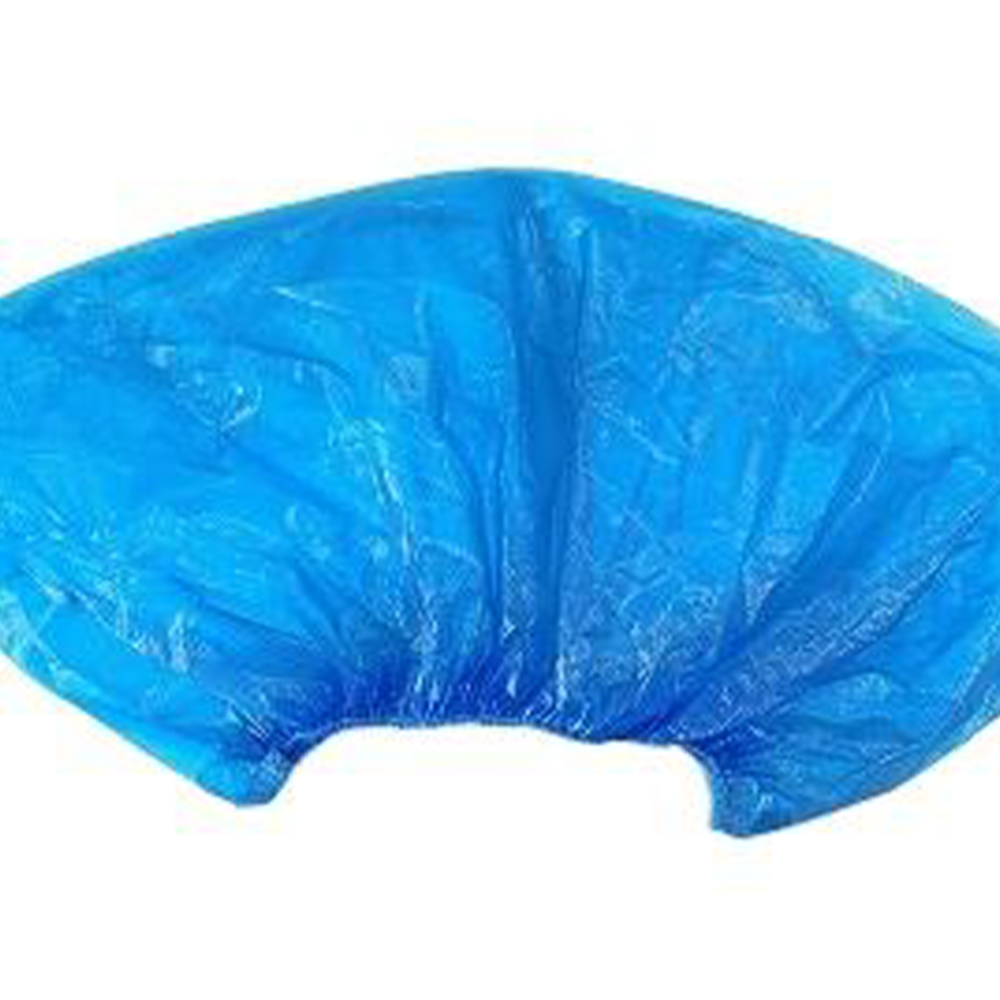
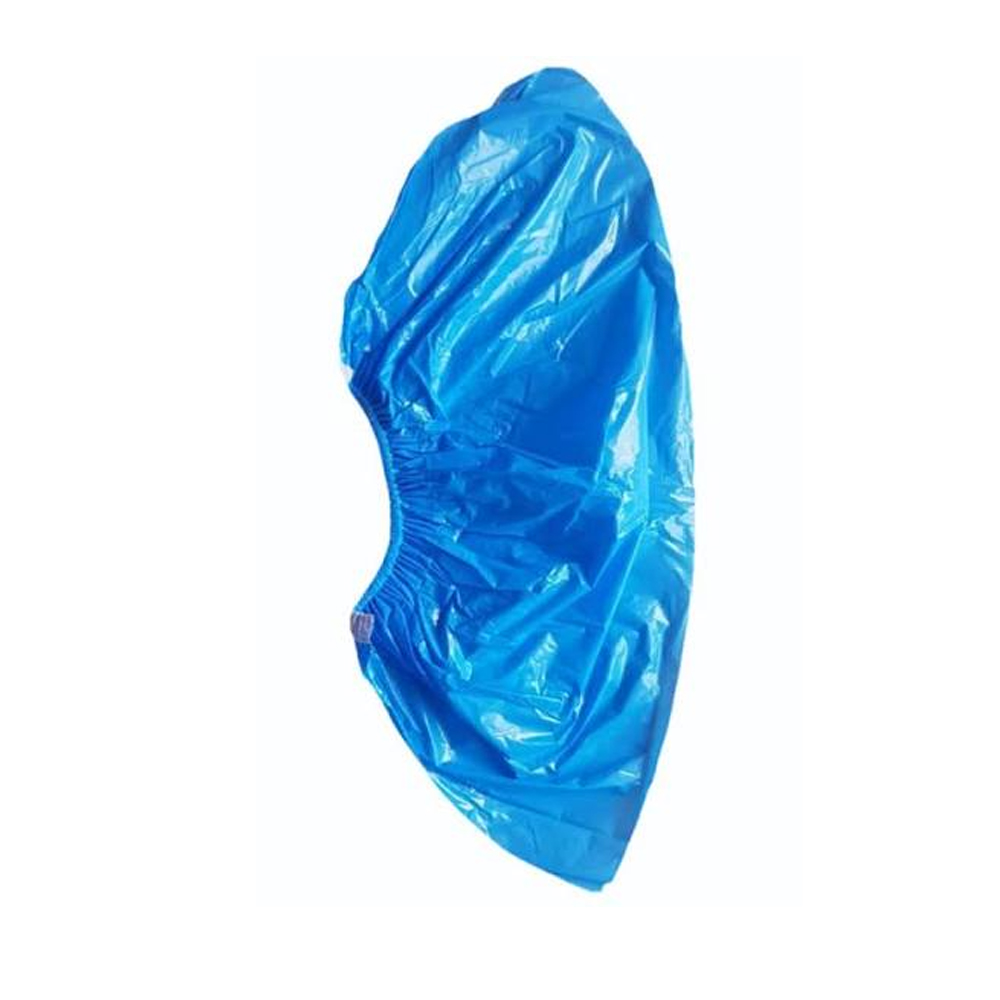
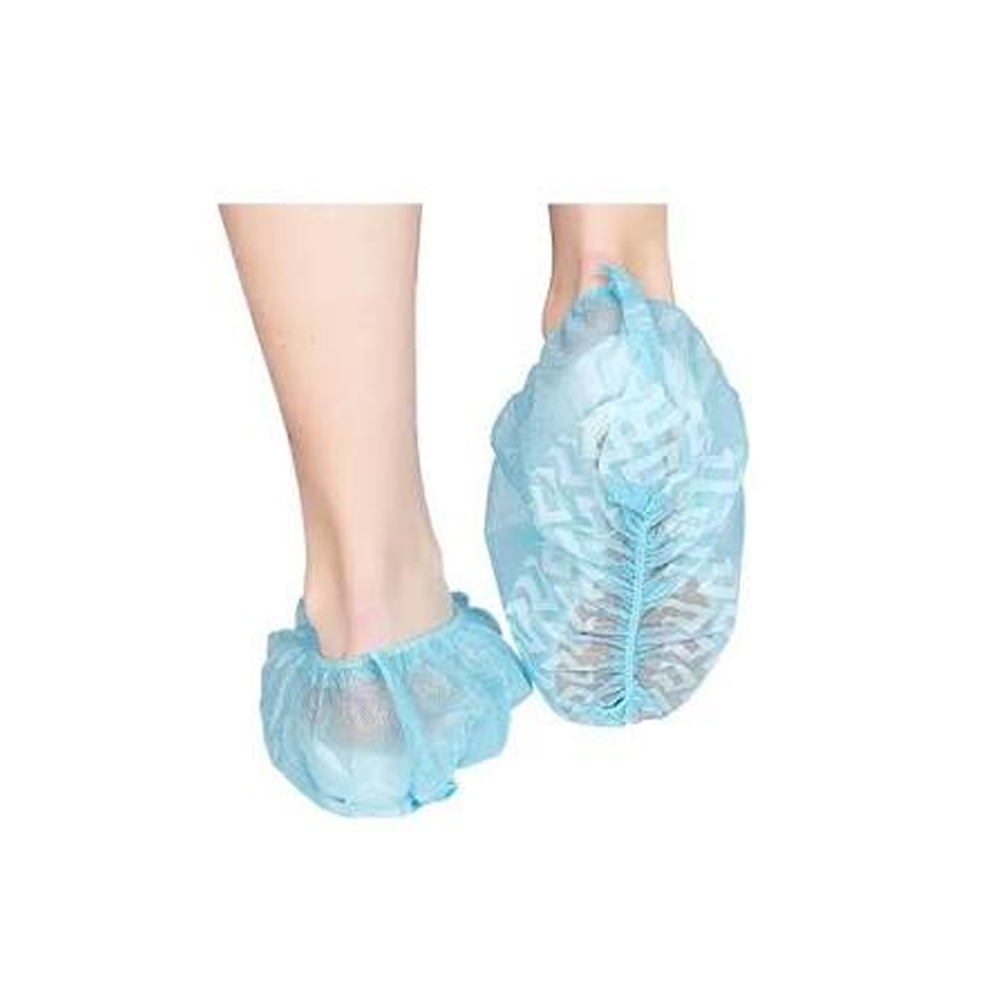
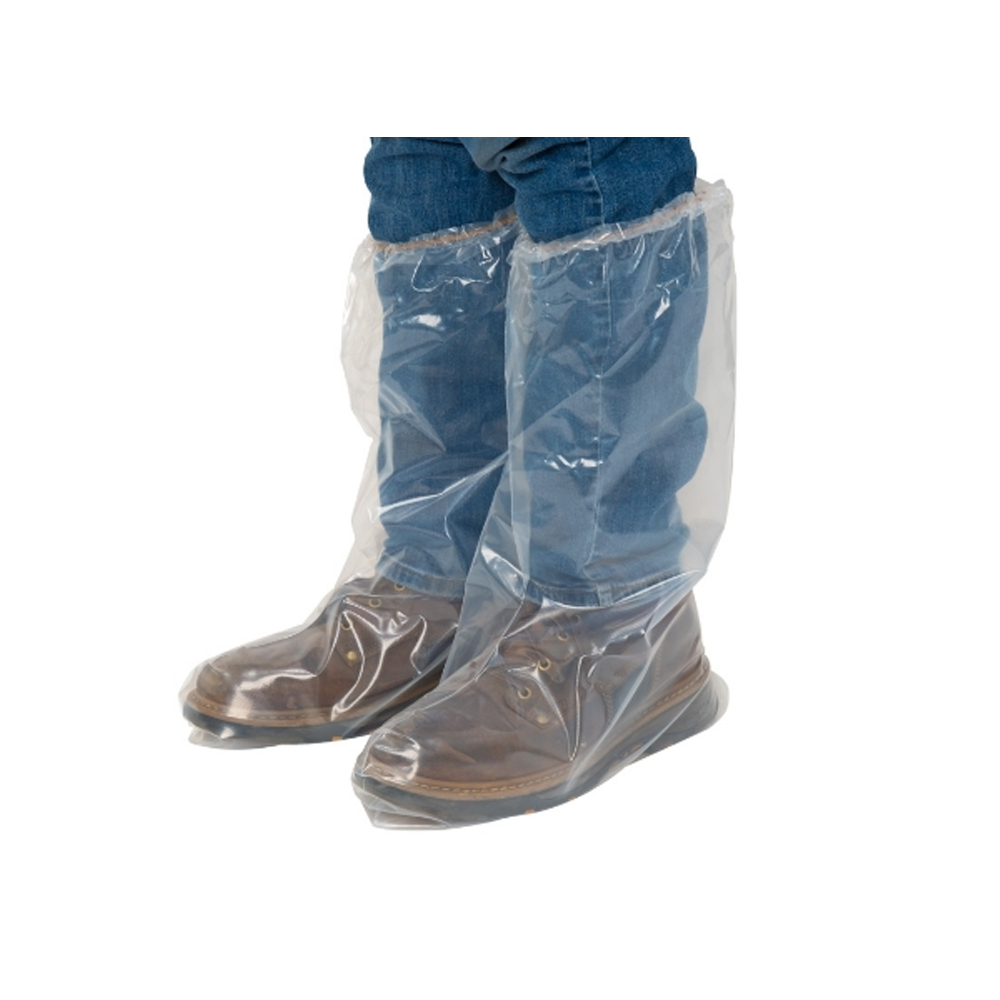
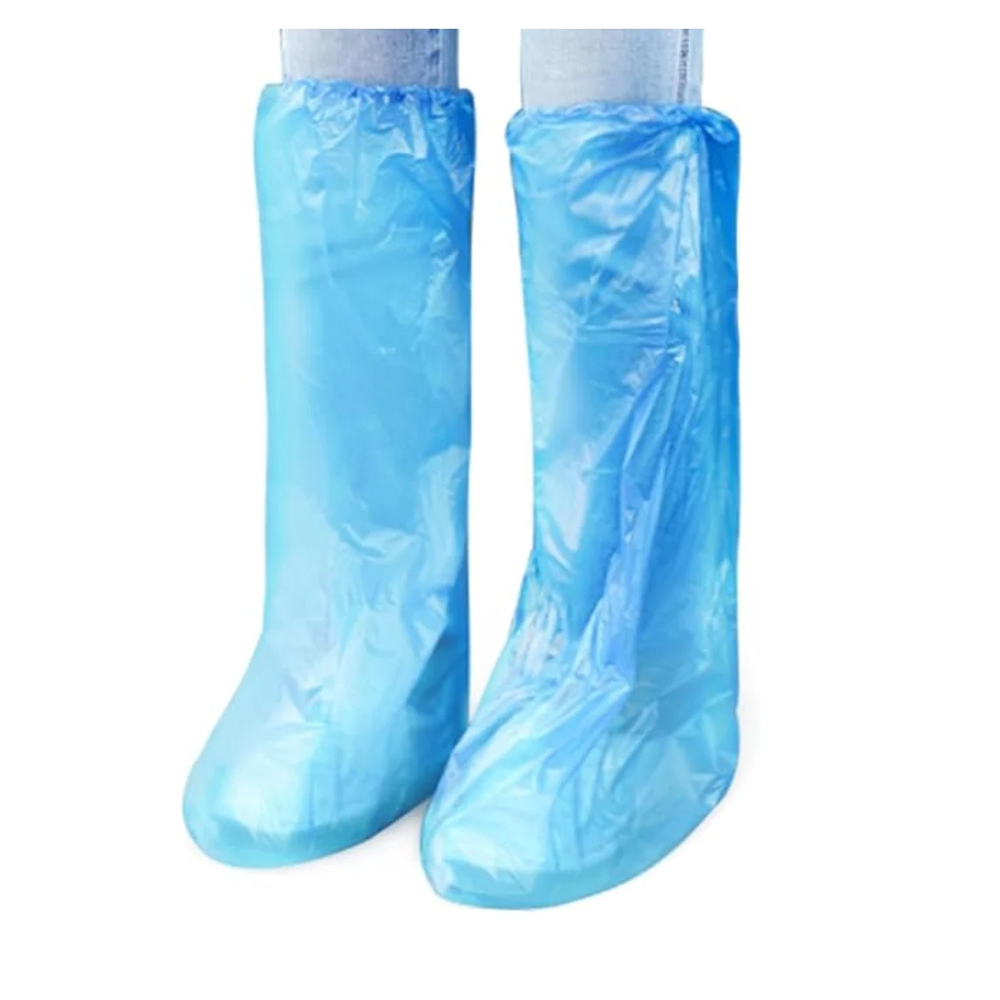
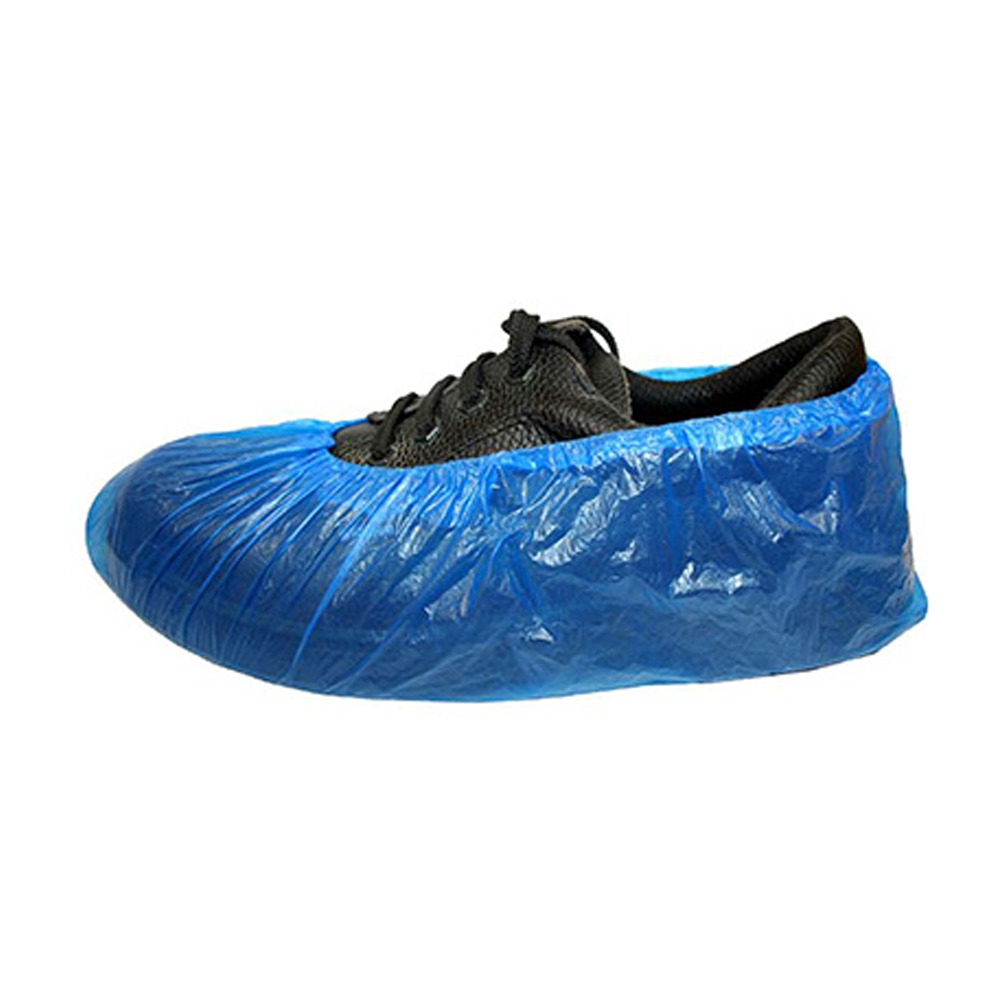
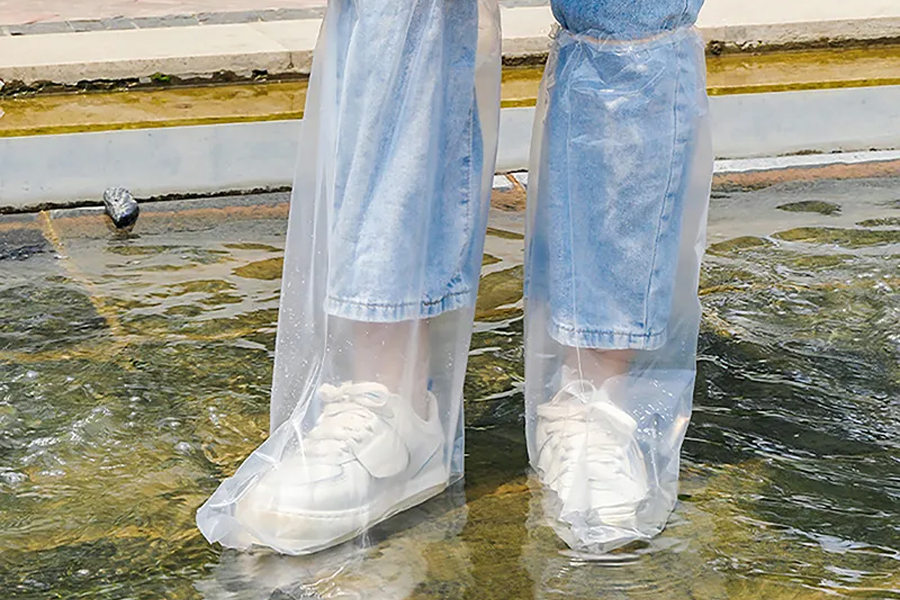
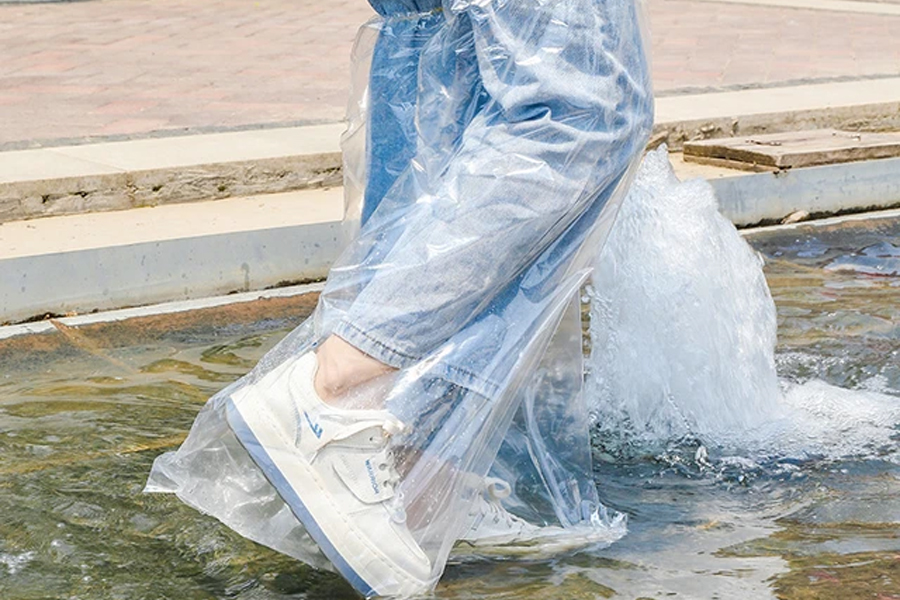
Disposable Plastic Shoe Covers for Waterproof Floor Protection
Keep indoor floors cleaner with lightweight shoe covers designed to create a simple barrier between footwear and the surfaces you want to protect. Available in plastic material options such as CPE and PE, these single-use covers are commonly used by contractors, cleaners, real estate teams, service professionals, workplaces, and visitors entering clean indoor areas.
Why Choose Plastic Shoe Covers?
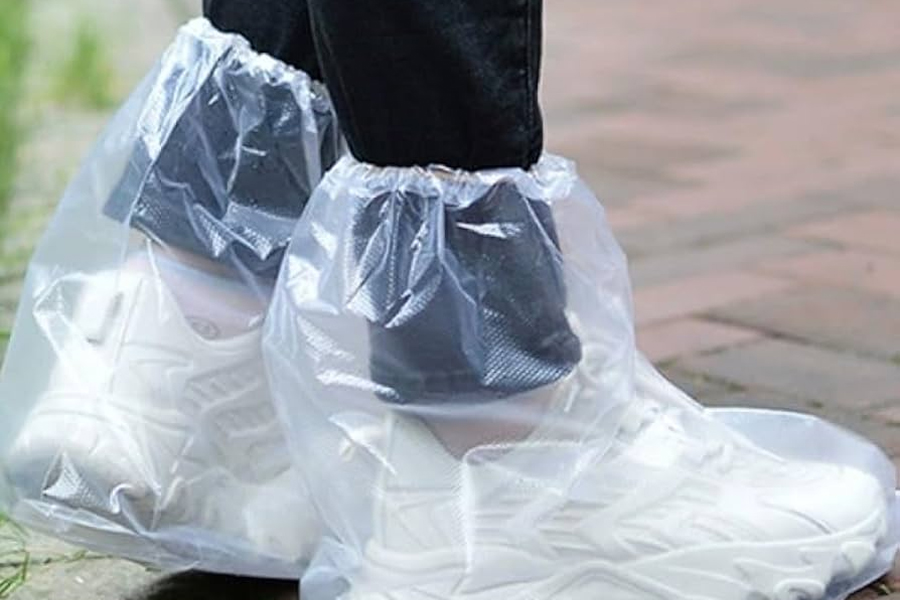
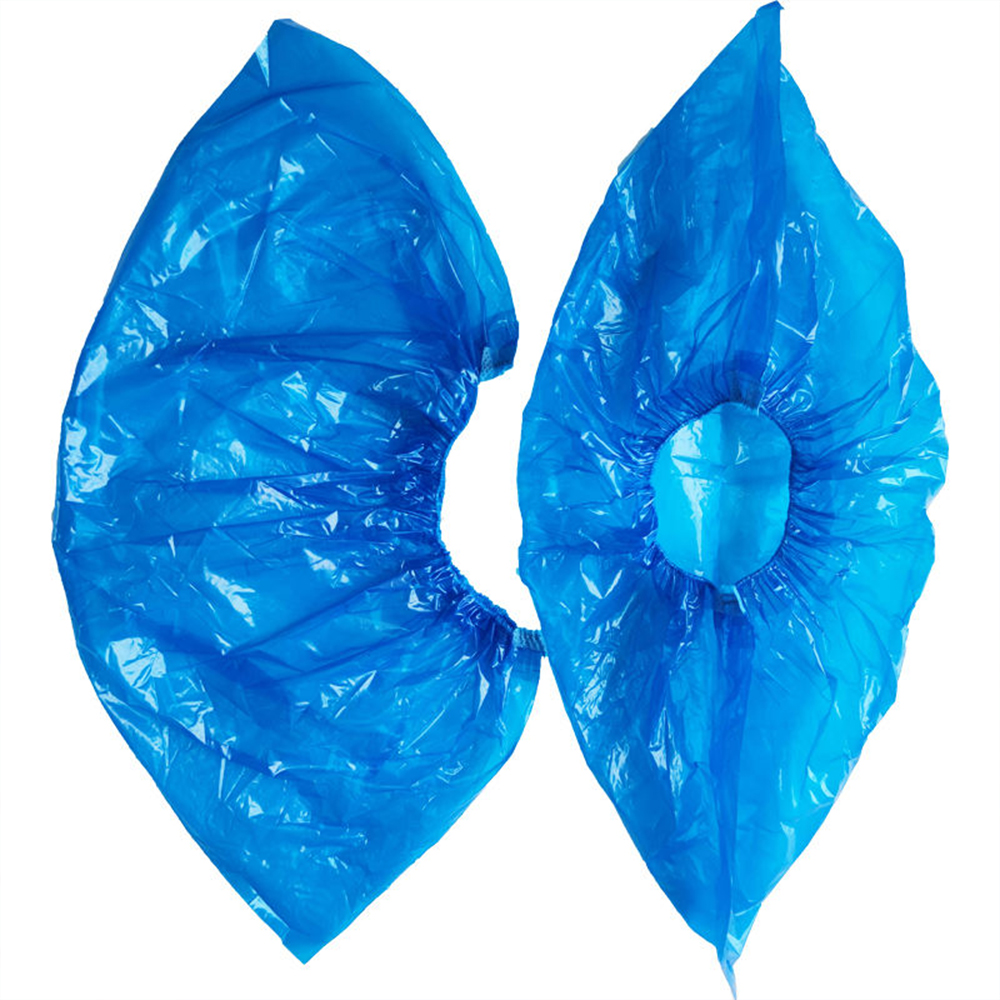
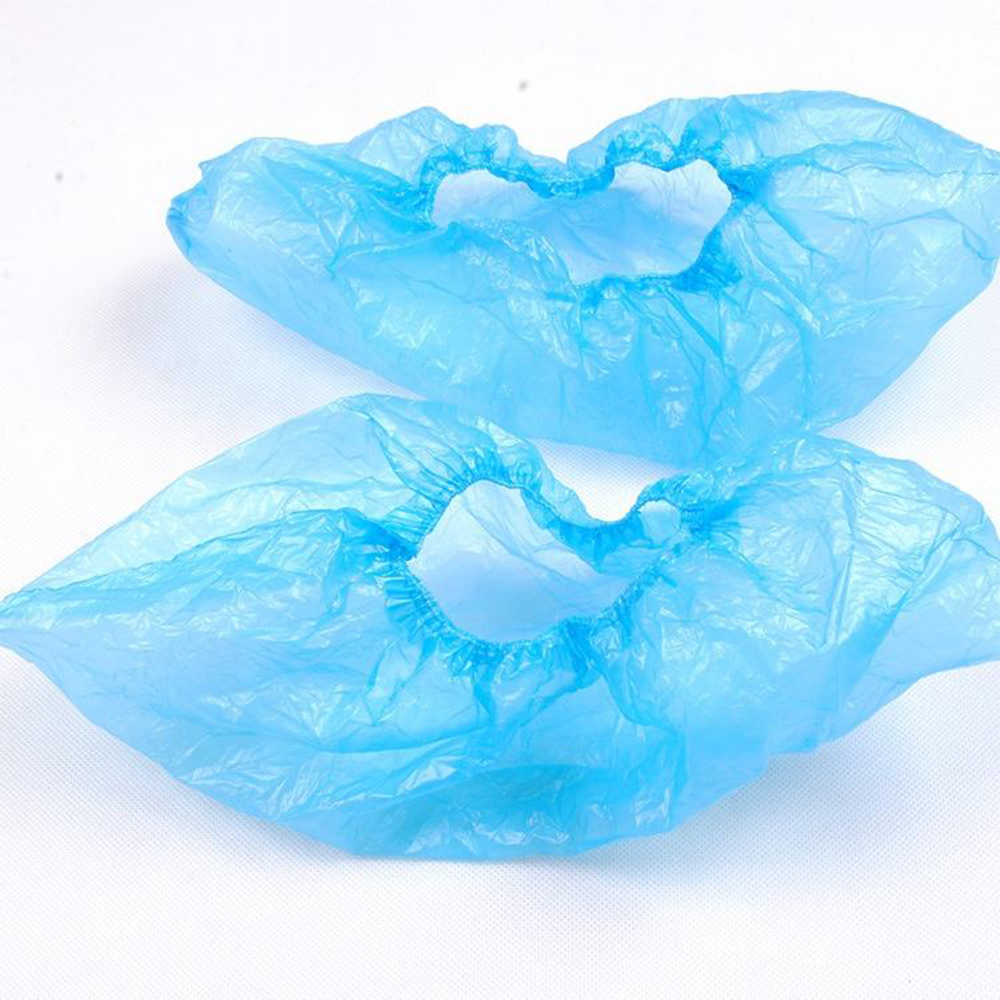
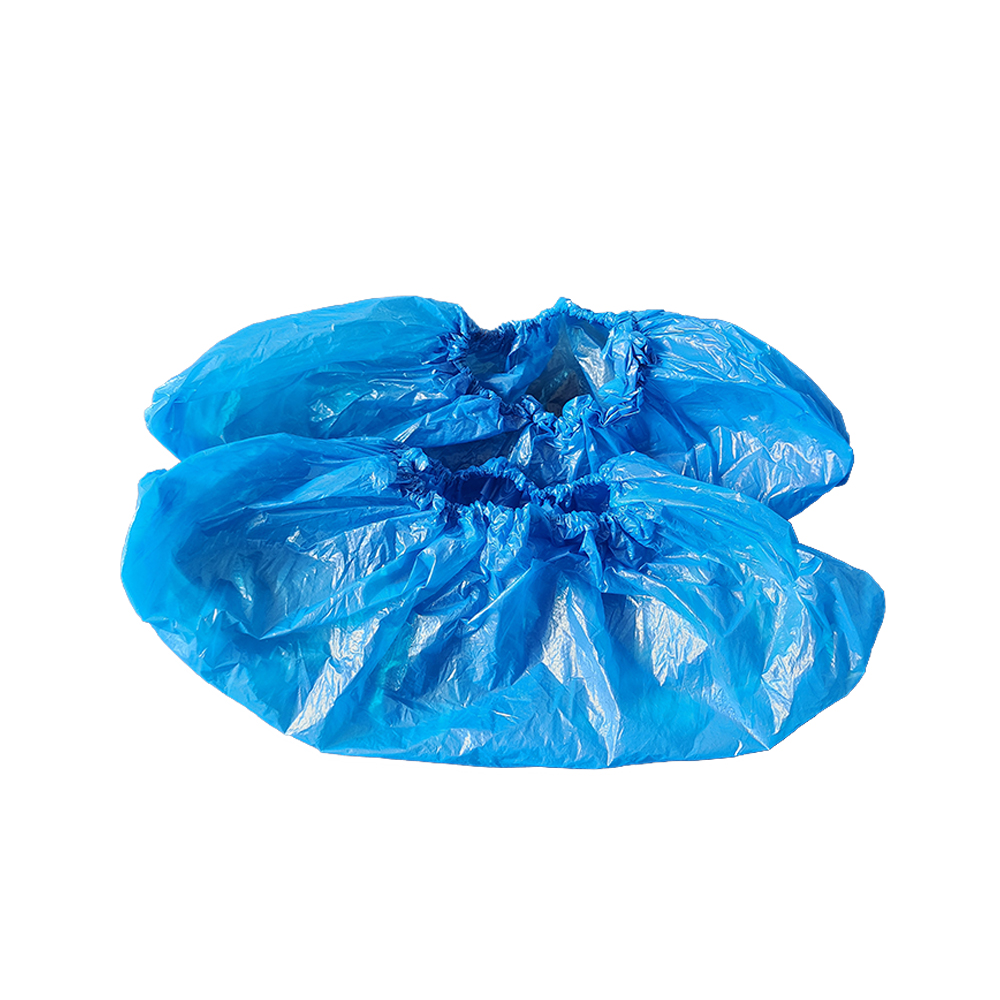
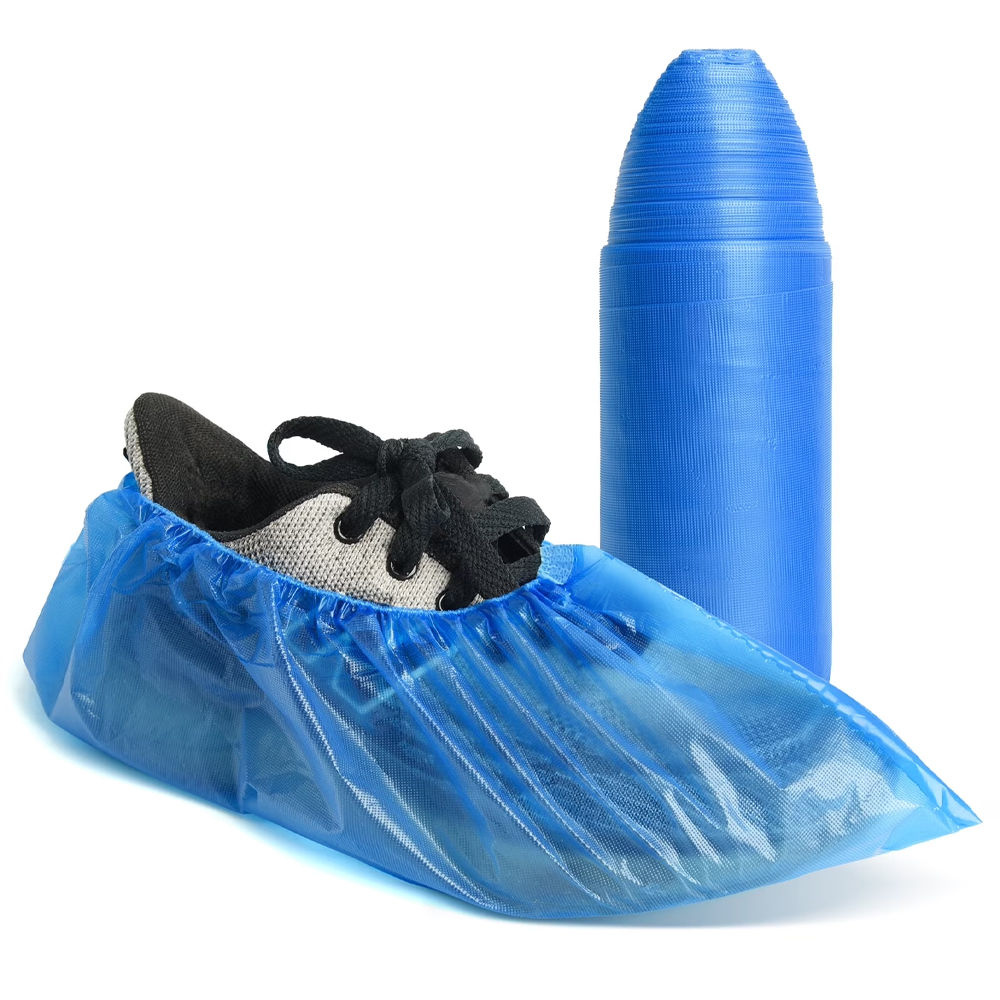
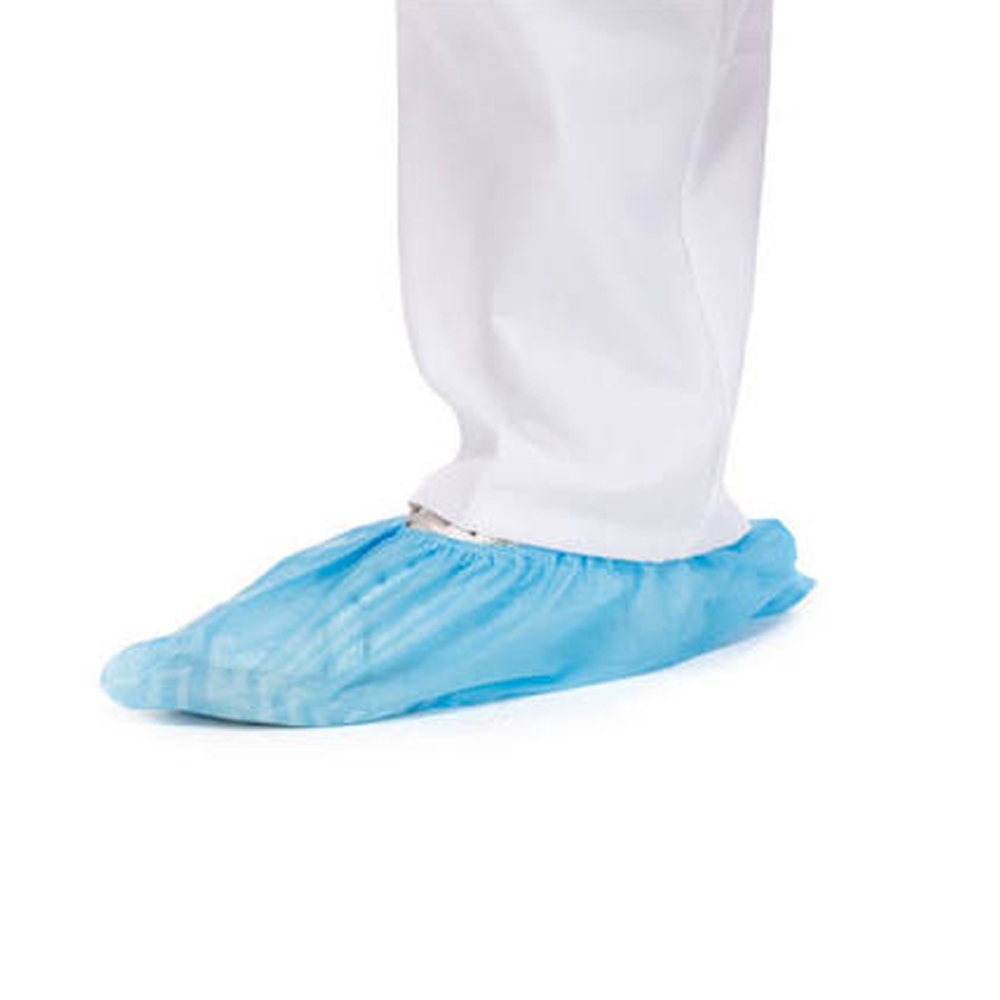
A shoe cover helps reduce the dirt, dust, mud, moisture, and debris that footwear can track onto floors, carpet, and finished surfaces. The elastic opening makes the cover quick to put on and remove, while the lightweight construction is convenient for short-term jobs, property visits, maintenance work, and guest use.
For buyers, the main advantages are simple: cleaner indoor spaces, less direct contact between shoes and flooring, and easy single-use protection without changing footwear.
Waterproof CPE and PE Material Options
CPE and PE are common plastic options for shoe protection. CPE is often selected when buyers want a more durable, flexible barrier with stronger moisture protection, while PE is commonly chosen for lightweight, economical coverage. Polyethylene film is also used as a water-vapor barrier material, although actual waterproof performance depends on the finished cover’s construction and specifications.
Slip-Resistant Protection for Indoor Floors
Textured or embossed soles can help improve traction on some indoor surfaces. A slip resistant or anti-slip design may be useful on smooth flooring, but no shoe cover can eliminate slipping in every environment.
Choose the product according to floor type, moisture level, footwear, and workplace safety requirements. In healthcare guidance where shoe covers are specified, CDC also emphasizes that they should allow ease of movement and not create a slip hazard.
What Size Shoe Cover Do You Need?
The right size should stretch over the intended footwear without tearing, excessive looseness, or restricting movement. Elastic openings and stretchable plastic construction can help a design fit a range of shoes, while larger boot covers may be better for bulky work footwear. Sizes such as XL, extra large, one size fits most, or dimensions such as 15.7 inches are common market descriptions, but fit should always be confirmed against the actual product specification before ordering rather than assumed.
Pack Sizes, Dispensers & Shipping
Shoe covers are commonly purchased in formats such as 50 pairs, 100 pairs, a 100-pack, 200-pack, or larger bulk quantities. The best format depends on how many people use covers and how often they need replacement. Compact packaging can make storage easier in service vehicles, supply rooms, entry points, or a dispenser. For bulk orders, confirm case quantity, packaging format, current shipping terms, delivery options, and any minimum order requirement with the supplier.
Where Are Shoe Covers Used?
Plastic shoe protectors are useful anywhere footwear could carry unwanted dirt or moisture into a cleaner area. Common applications include:
- contractors, painters, and renovation crews
- real estate showings and open houses
- cleaners and home service professionals
- maintenance teams and workplace visitors
- laboratories and controlled work areas
- healthcare environments where the selected PPE is appropriate
- guests entering carpeted or finished indoor spaces
These covers can help reduce tracking and cross-area contamination, but they should not be assumed to be sterile, medical-grade, or cleanroom-certified unless the specific product documentation confirms it. CDC guidance also shows that shoe-cover requirements in healthcare depend on the specific exposure scenario and PPE protocol.
CPE vs. PE Shoe Covers: Which Material Is Better?
Neither material is automatically better for every buyer.
- CPE:Â often preferred for a more durable feel, flexibility, and stronger moisture protection.
- PE:Â often preferred for lightweight coverage, simple handling, and cost-conscious everyday use.
- For wet or demanding tasks:Â compare film thickness, seam construction, sole texture, and tear resistance.
- For short visits or basic floor protection:Â a lighter PE material may be sufficient.
Select the material based on the actual environment rather than the label alone.
Frequently Asked Questions About Plastic Shoe Covers
Are plastic shoe covers waterproof?
Some CPE and PE covers are designed to resist water and wet debris, but waterproof performance varies by film, thickness, seams, and manufacturing method. Confirm the specific product specification if continuous water exposure matters.
Are CPE shoe covers slip resistant?
CPE describes the material, not a guaranteed traction level. A textured or embossed sole may help improve grip depending on the floor and conditions. Check whether the selected style includes a slip-resistant surface.
What size shoe cover should I choose?
Measure or identify the footwear you need to cover, then compare it with the supplier’s stated fit range. Allow extra room for work shoes or boots, especially if the footwear is wide or heavily treaded.
Can shoe covers fit boots?
Some stretchable or oversized designs can fit certain boots. For work boots or bulky footwear, choose a larger size or dedicated boot shoe cover and verify the dimensions before purchase.
Are plastic shoe covers recyclable?
Recyclability depends on the resin, contamination, and local collection rules. Plastic film is not universally accepted through curbside recycling, so check the rules of the applicable local or commercial recycling program before disposal.
What is the difference between CPE and PE shoe covers?
CPE is generally chosen when a tougher, more flexible moisture barrier is preferred, while PE is often lighter for basic protection. The best choice depends on durability, moisture exposure, fit, traction needs, and budget.