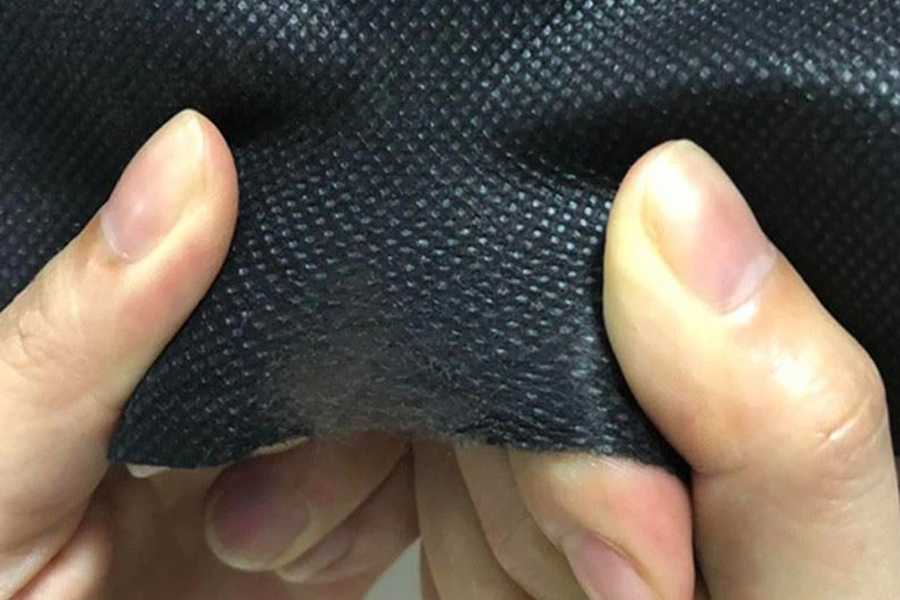
Disposable Non-Woven Shoe Covers: Non-Slip Options for Indoor Use

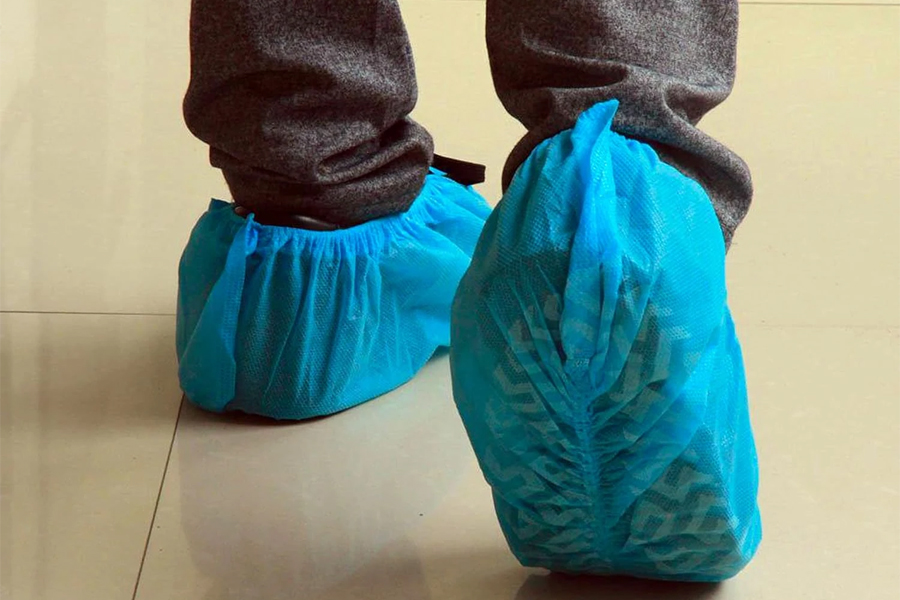
Disposable shoe covers are single-use protective covers worn over footwear to help keep floors and controlled areas cleaner and reduce the transfer of dust, dirt, and other contaminants. Common designs use lightweight material with an elastic opening, while selected models may add tread or water-resistant construction for specific applications. Request pricing, samples, specifications, OEM details, or bulk-order information for the shoe cover configuration your facility needs.

What Is a Disposable Shoe Cover?

A disposable shoe cover is a temporary barrier worn over footwear for cleanliness, hygiene, floor protection, and contamination-control tasks. It can help keep floors clean by limiting tracked-in dust and dirt during maintenance, cleaning, construction, home repairs, and open houses. Medline lists construction sites and real-estate showings among common uses for spunbond covers.

These covers for indoors are easy to use for short-term site access and daily use. They are not a substitute for certified protective footwear where chemical, puncture, impact, or other serious hazards require dedicated protection.

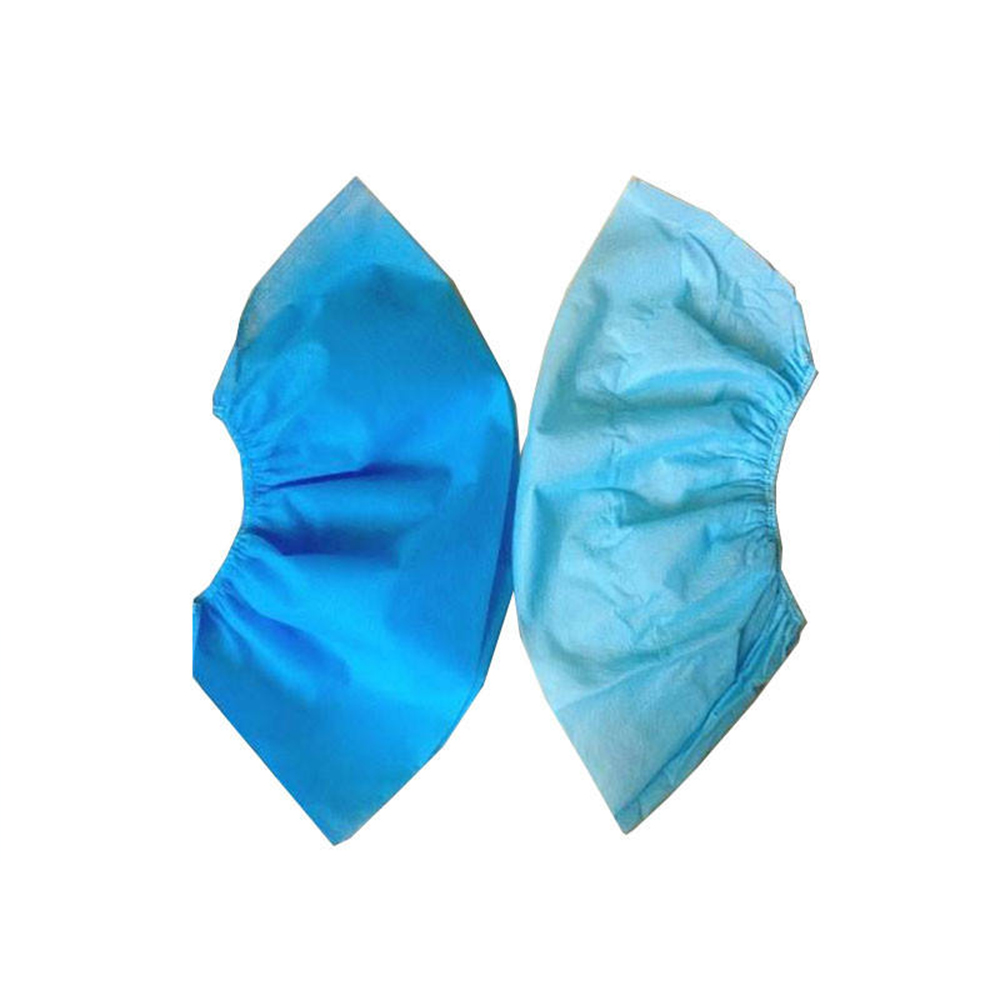
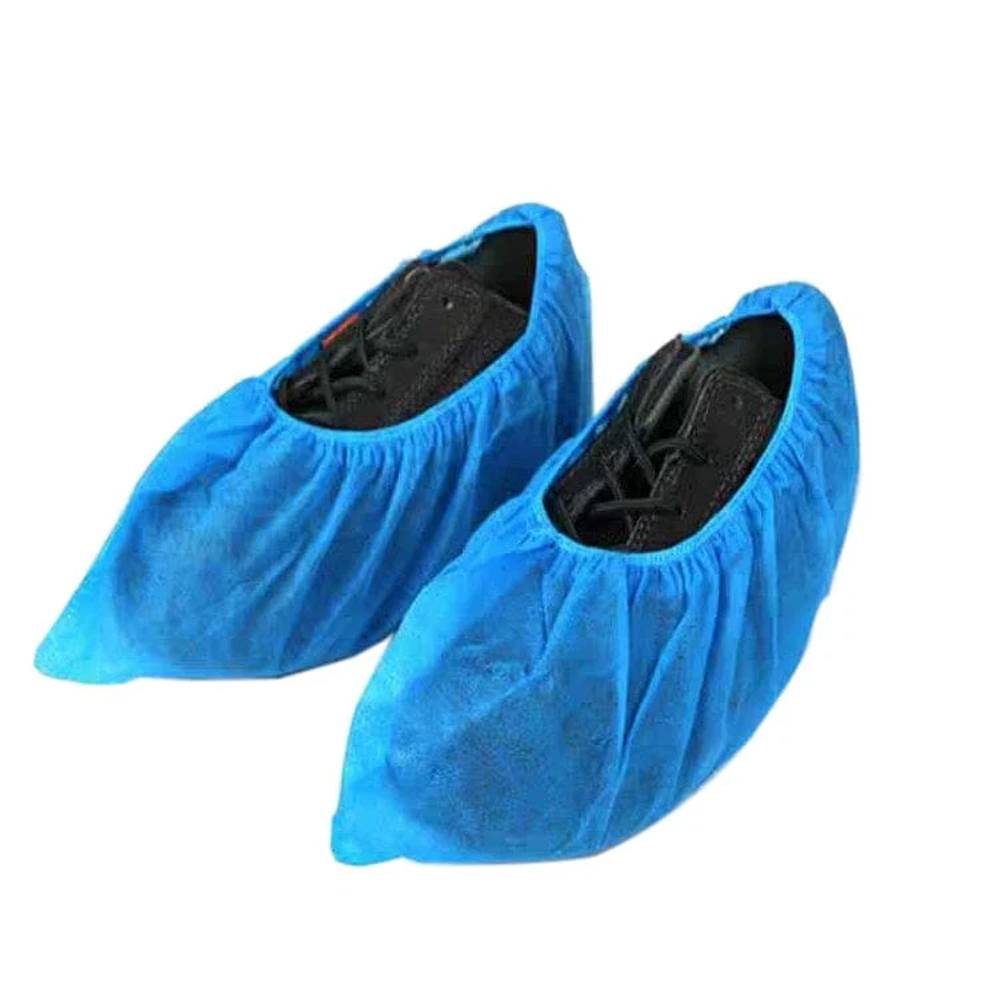
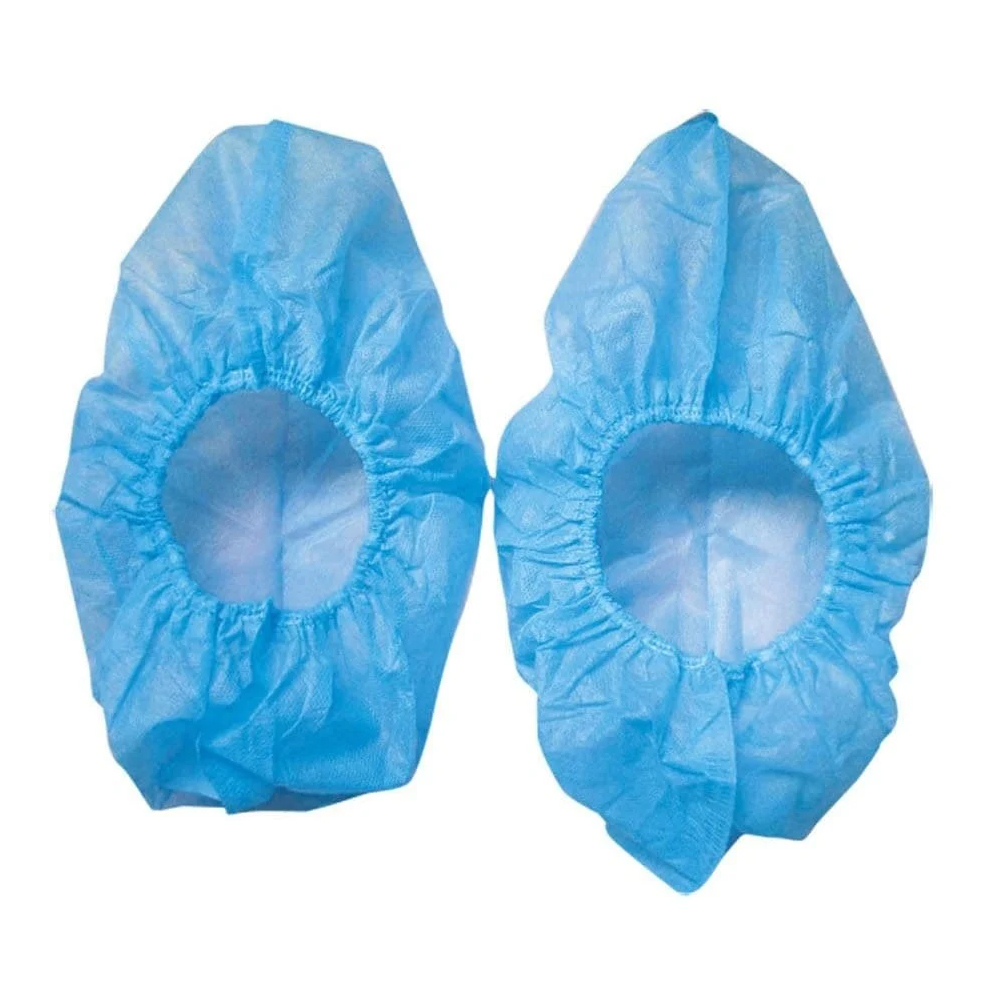
Disposable Non Woven Shoe Covers

What Materials Are Shoe Covers Made From?

Shoe covers are made from several materials. A common lightweight construction is non-woven polypropylene fabric; other models may use coated materials, polyethylene, or CPE when buyers need different barrier or moisture characteristics. Commercial product lines confirm that material and construction vary by model.

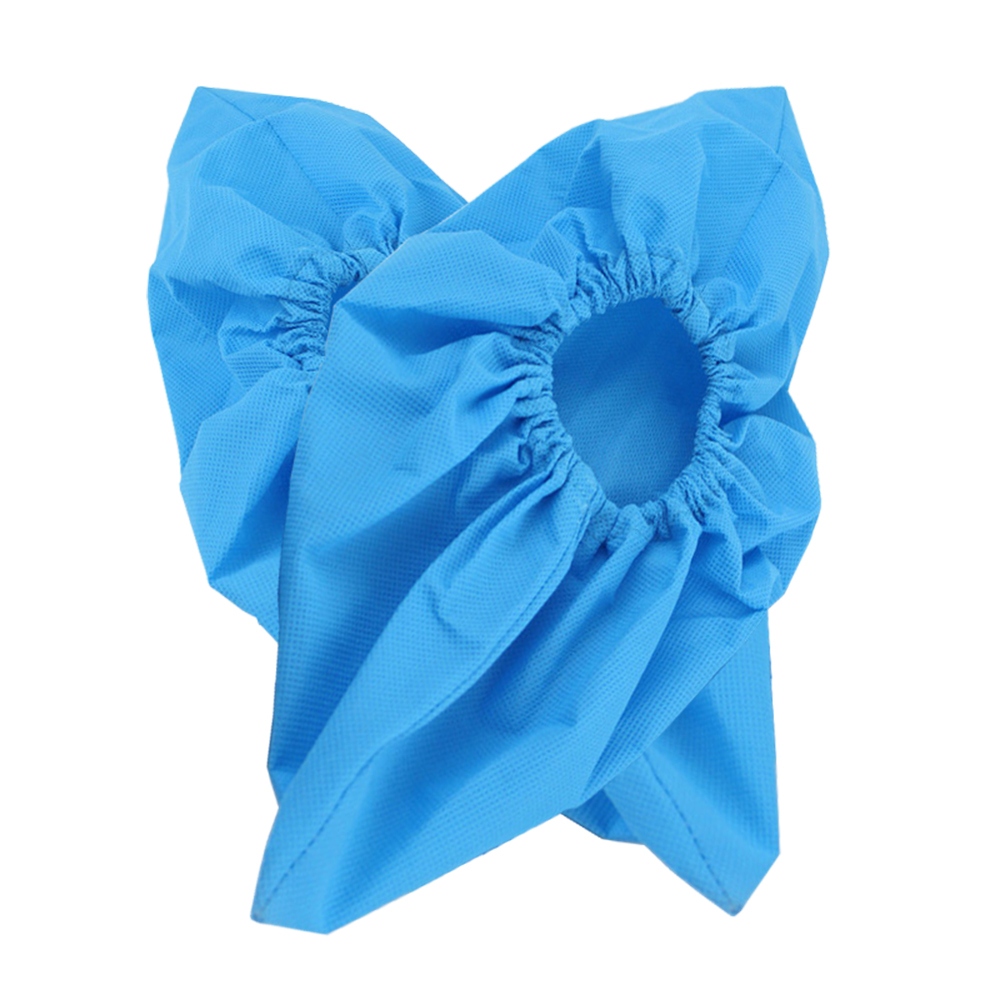
A stretchable ankle design normally uses an elastic opening for a snug fit. If your specification calls for breathable, latex-free, PVC-free, phthalate-free, non-toxic, or sterile construction, verify each attribute for the exact model. The same applies to any germ-control claim.

How Do Non-Slip Shoe Covers Improve Traction?

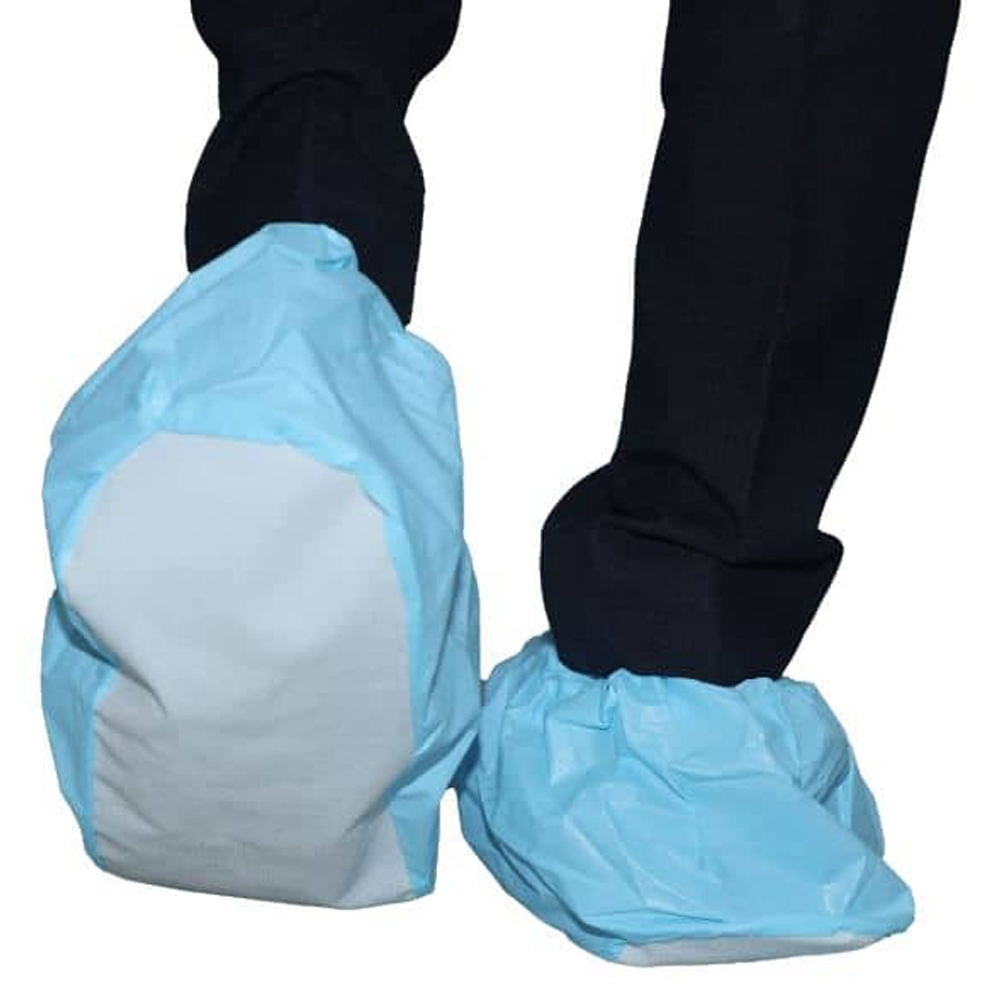
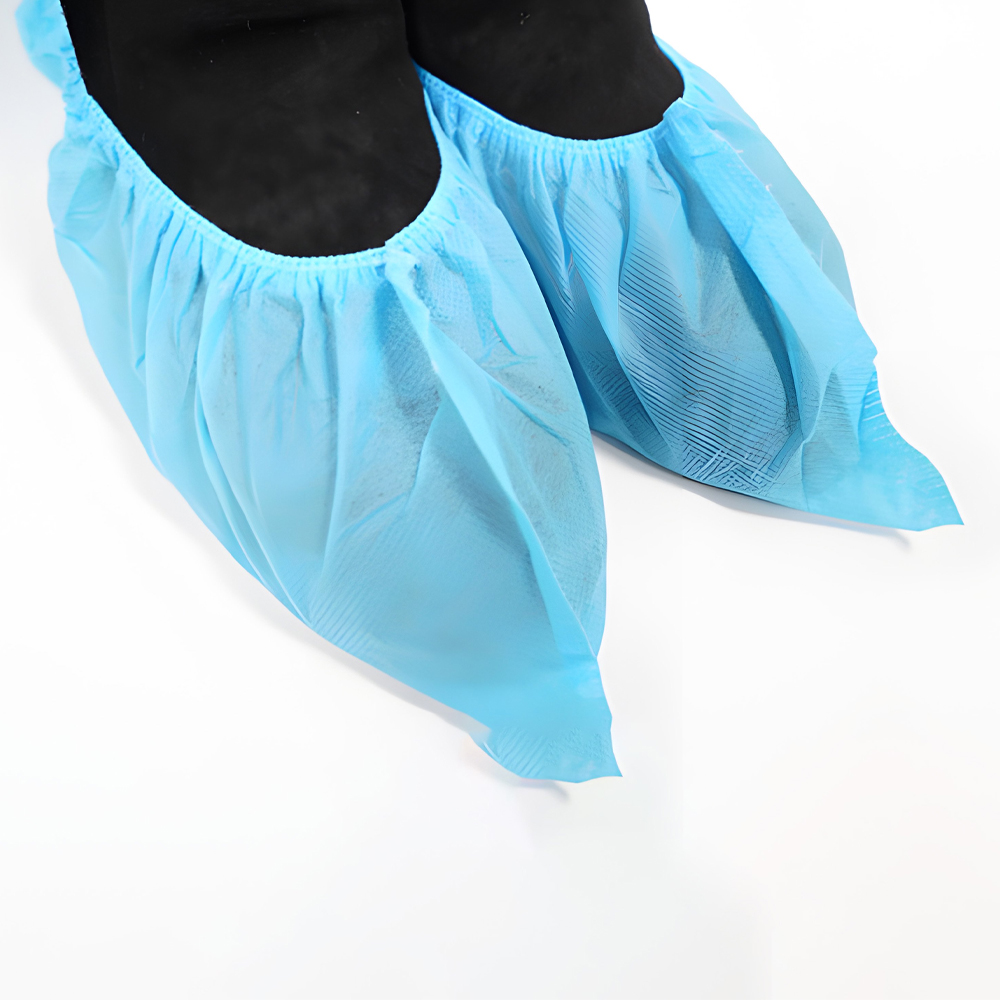
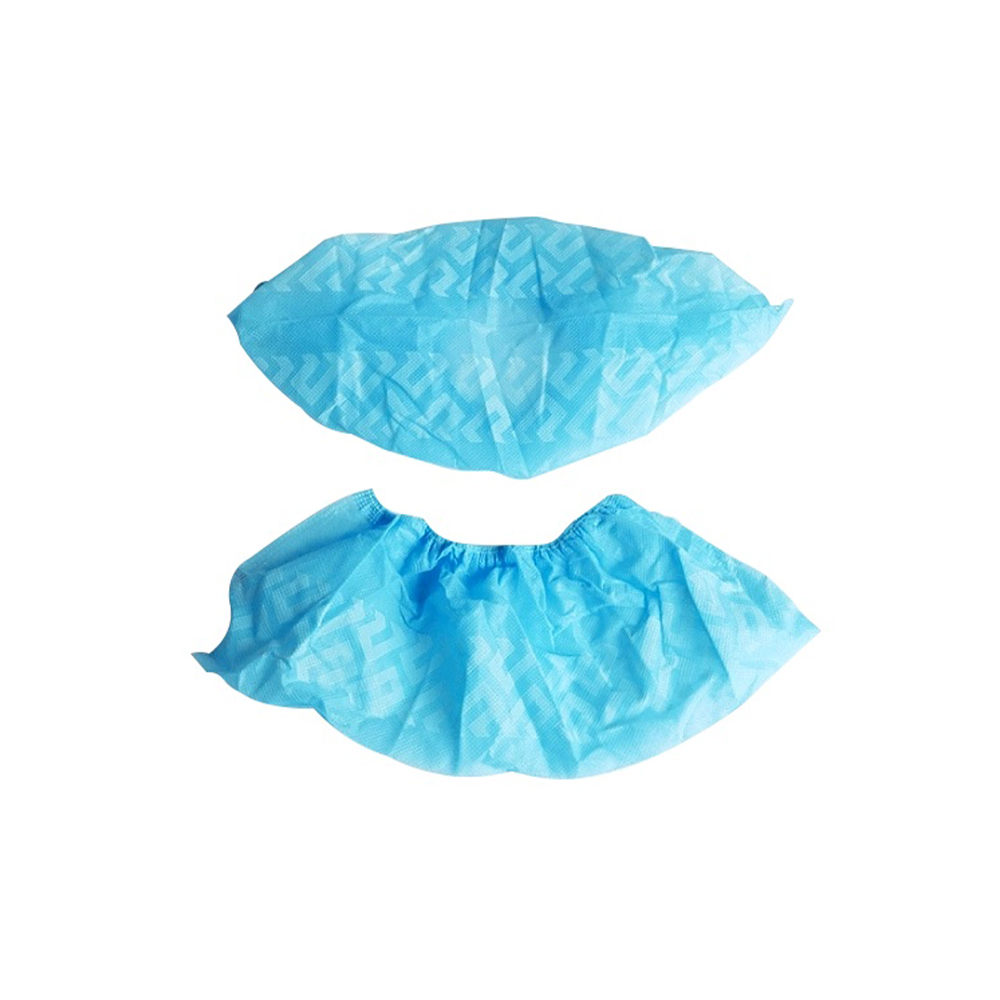
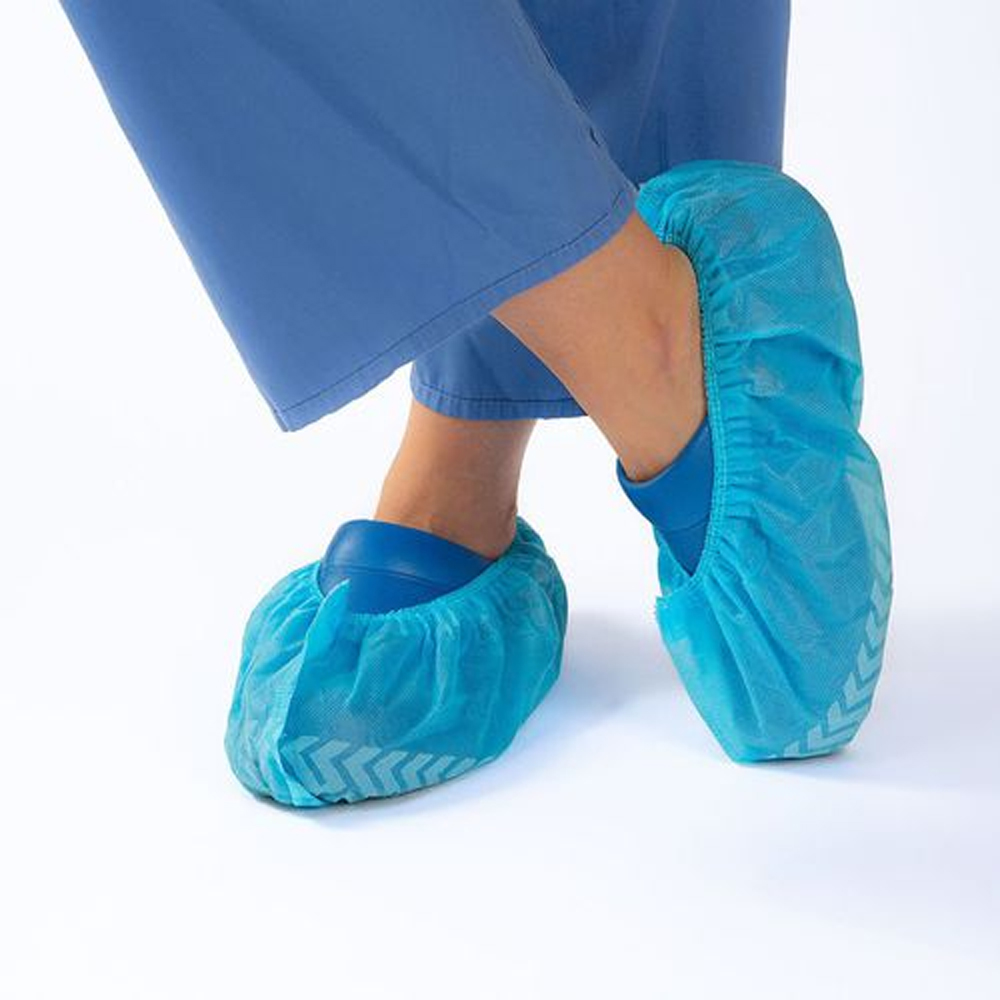
A gripping treatment on the sole can improve traction compared with a smooth-bottom cover. Medline describes nonskid tread as providing added traction, and CDC guidance for certain healthcare situations says footwear covers should not present a slip hazard.

Buyers may see non-skid, anti-slip, slip-resistant, or slip resistant wording in specifications. If an RFQ says “shoe covers non slip” or requests a disposable non-slip sole, confirm the tread design and intended surface. No product should be assumed safe on every wet or polished surface where it may be easy to slip.

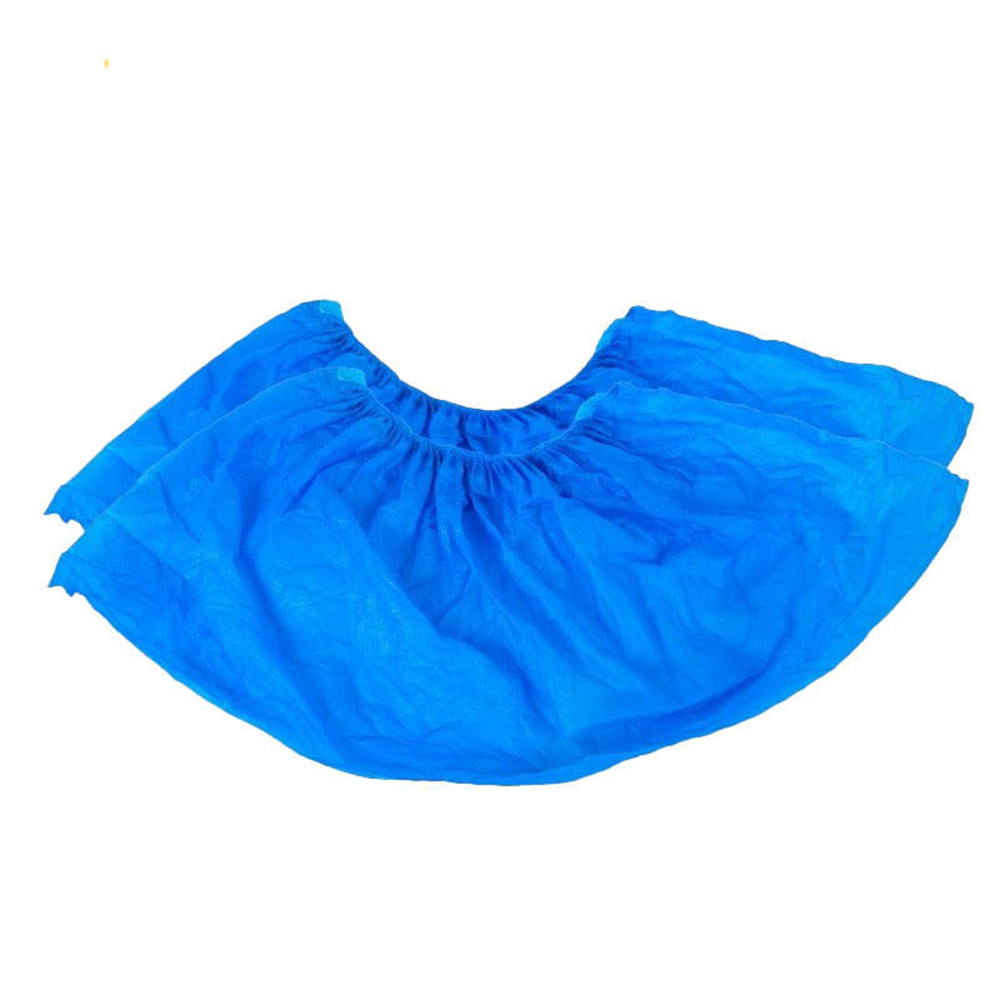
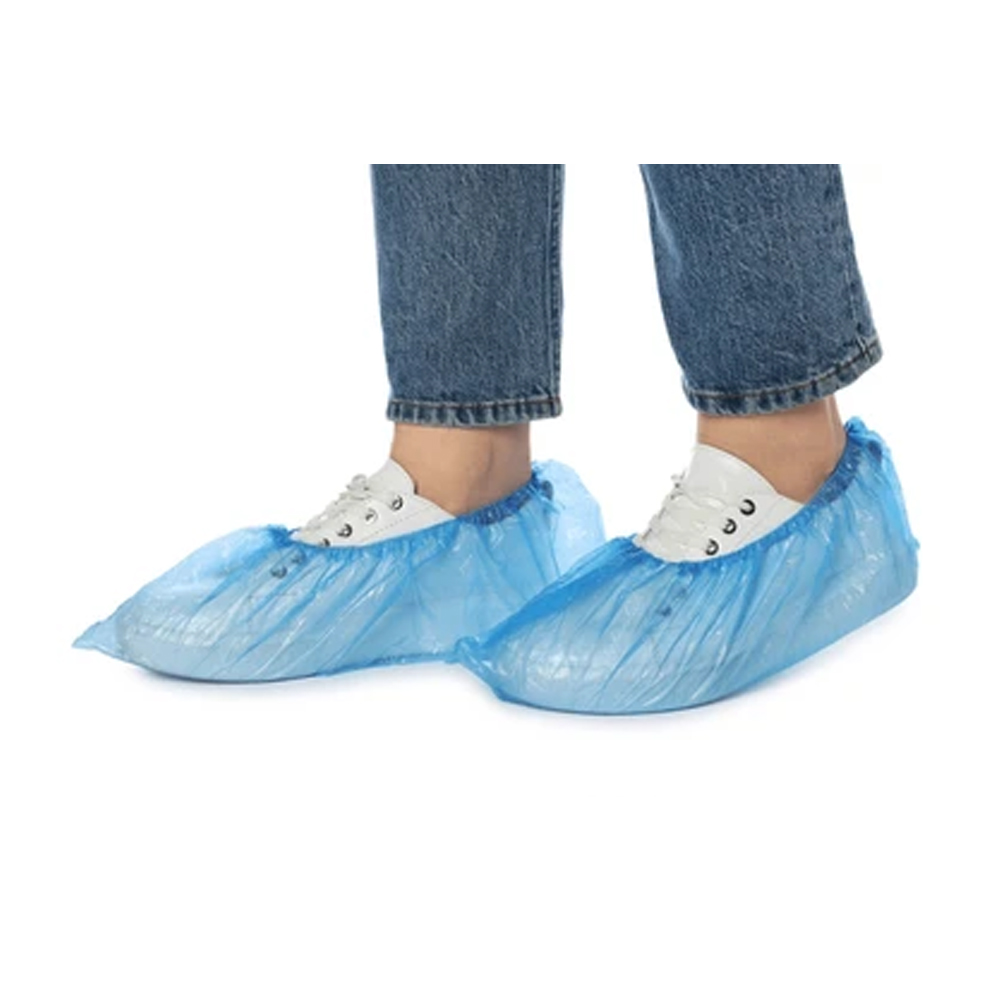
Disposable Non Woven Shoe Covers

Are Shoe Covers Waterproof or Water Resistant?

Not every shoe protector is waterproof. Some spunbond products are described as fluid-repellent, while coated or film-based models can offer stronger liquid-resistant performance; seams and overall construction also influence the barrier. If you need covers waterproof enough for a wet task, request technical data for the exact model. Terms such as premium waterproof, water resistant, or waterproof and recyclable shoe booties should be treated as purchasing requirements, not universal features. A water-resistant model should not be represented as chemical-protective without appropriate verification.

Where Are Shoe Cover and Boot Covers Commonly Used?

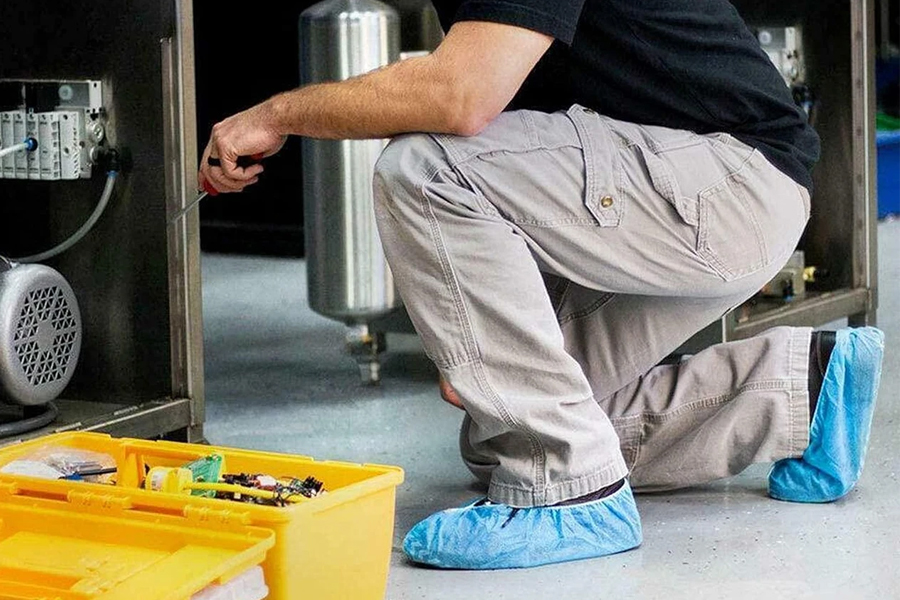
Footwear covers are used in hospitals, clinics, laboratories, cleanrooms, food-processing areas, manufacturing facilities, factories, construction, property maintenance, and cleaning. They are also practical where a service team wants to protect carpet, reduce tracked-in dirt, or lower the risk of a stain during a visit. A disposable boot cover generally gives more coverage than a low-cut bootie. For mixed footwear, ask about shoe and boot compatibility, including garden-to-interior transitions and other temporary indoor work. Match coverage to the work environment rather than assuming one design suits every task.
What Sizes and Pack Quantities Can Buyers Order?

Sizing and pack size vary by supplier and model. Options may include one size fits most, XL, small to XXL, or various sizes; some suppliers publish specific shoe sizes. Medline, for example, lists Regular/Large and XL models with stated footwear limits, showing why buyers should check the selected SKU rather than rely on a generic size label.

If an RFQ mentions men’s 11, women’s 13, men’s sizing, or up to 14 US, confirm actual dimensions. Packaging may be listed as 50 pairs, 100 count, larger cases, or a 100-pack. For 100 pack disposable shoe covers, verify whether the quantity refers to individual covers or pairs.

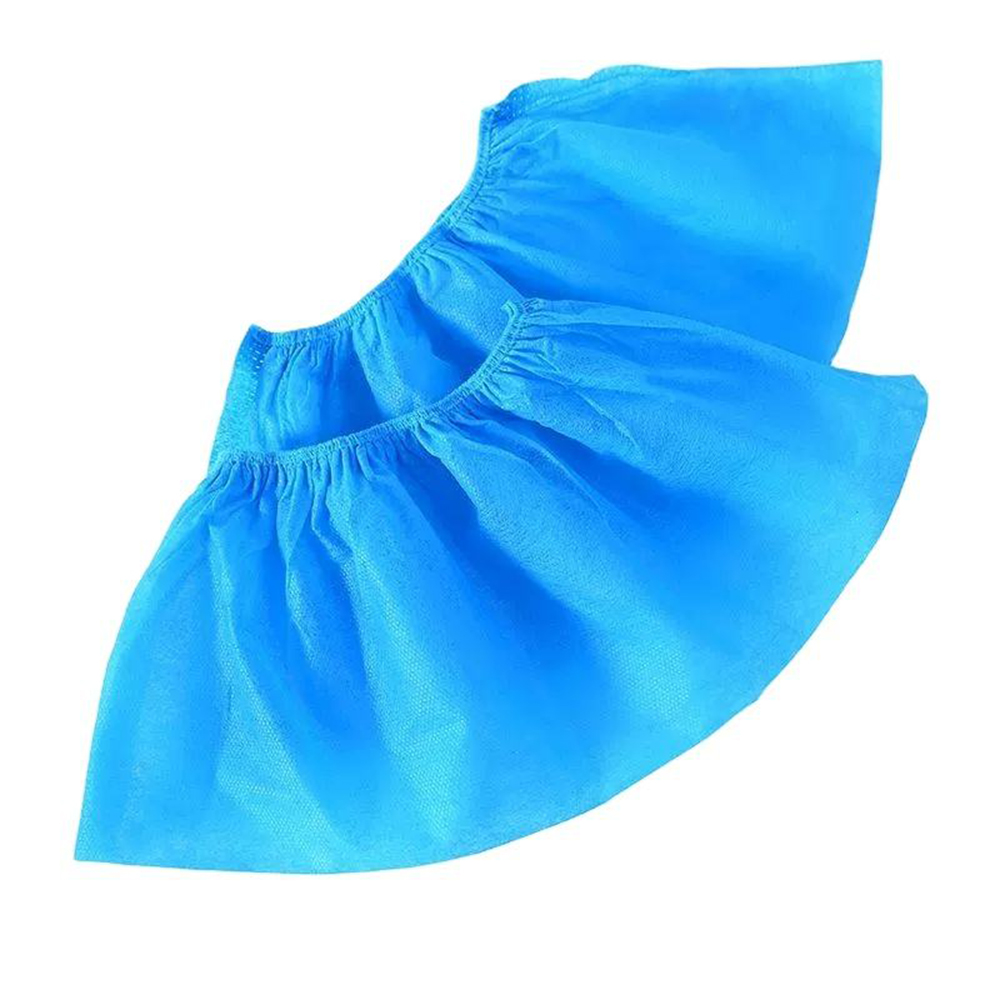
Disposable Non Woven Shoe Covers

Can You Recycle Disposable Shoe Covers?

PP is also known as #5 plastic and is recovered by some recycling systems, but that does not mean every used cover is automatically recyclable. Local acceptance, mixed materials, contamination, and facility capability can affect disposal options.

If recyclable disposal is a purchasing goal, ask for the exact material composition and end-of-life guidance, then check local rules before placing used items in a recycle stream. A reusable alternative may suit some operations, but cleaning needs and contamination-control procedures should be considered before switching.